Când am publicat primul articol de pe acest blog, în martie 2024, am făcut referire la un drum care m-a nenorocit pentru vreo săptămână după ce l-am făcut. Cine mă aude probabil o să râdă: „Cum, traseul ăsta te-a nenorocit?” Absolut! Mă refeream atunci la acel traseu așa:
Am hotărât să fiu mai activă... Asta după ce, în Februarie, am făcut o drumeție până la Cascada Urlătoarea, în Bușteni, și am crezut că o să rămân fără picioare de la febra musculară de a doua zi...
When I published the first article on this blog, in March 2024, I mentioned a route that left me wrecked for about a week after I did it. Anyone hearing this will probably laugh: “What, this route wrecked you?” Absolutely! This is how I referred to the route at the time:
I decided to be more active... That's after, in February, I went on a hike to Urlătoarea Waterfall in Bușteni, and I thought I'd lose my legs from the muscle fever the next day...
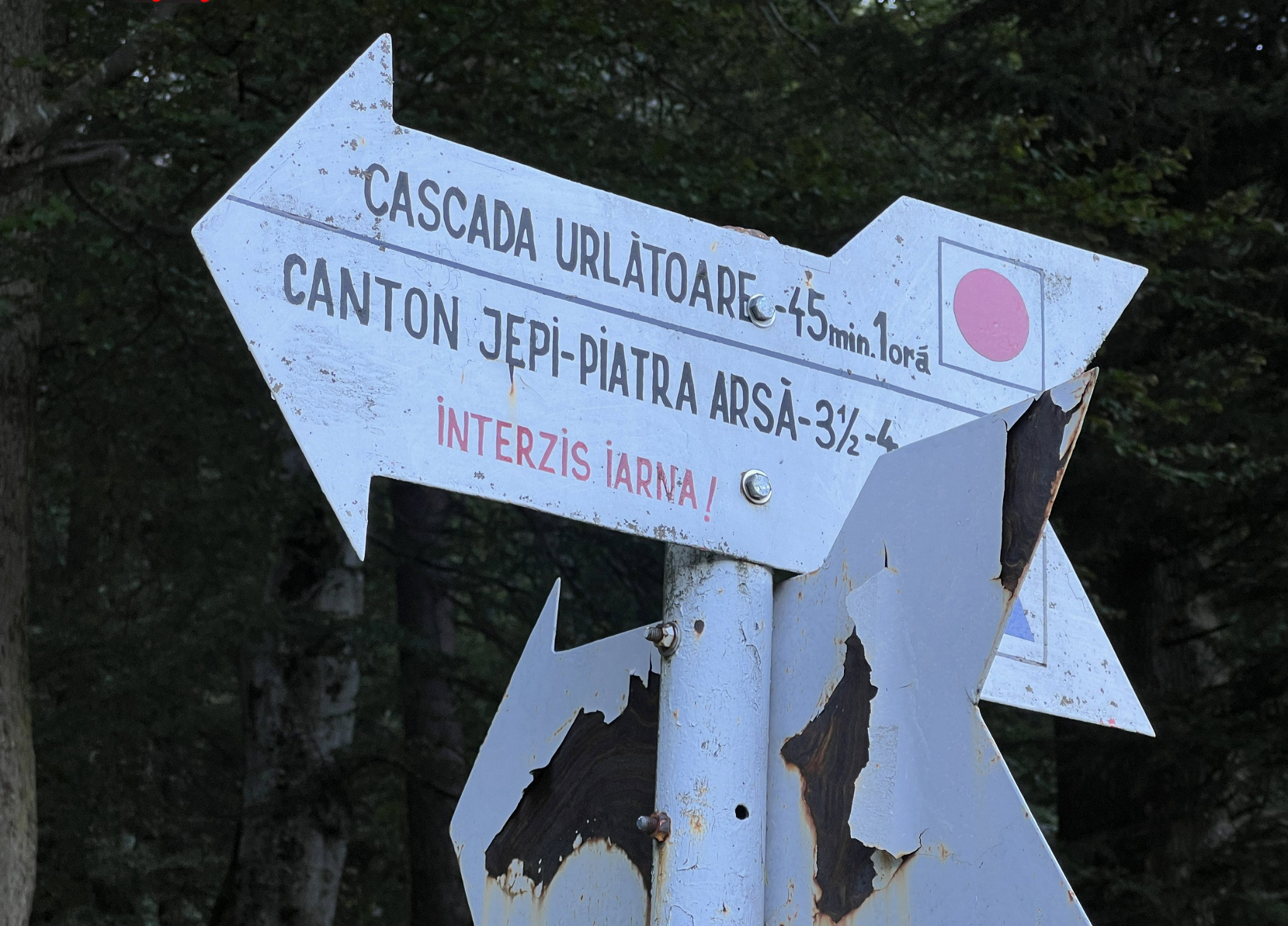
via trecator.ro
Atât am scris atunci despre traseu, având în vedere experiența dezastruoasă… Acum, doi ani și două luni mai târziu, 30 de articole și multe învățături mai târziu, un pic mai activi, plecăm din nou la drum.
Vom reface parțial traseul de atunci, cu ușoare modificări. Îl vom lega însă și de activități care data trecută ne-au scăpat, acoperind astfel ceva mai mult teren.
Vom vedea acum dacă, mai bine echipați - adică neurcând în adidași de jogging pe un munte înnoroiat - și mai bine documentați, cu tiparul blogului deja în minte, putem scoate un articol cât de cât inedit despre ceea ce este, poate, una dintre cele mai populare stațiuni montane ale României: Bușteni.
That was all I wrote about the route at the time, considering the disastrous experience… Now, two years and two months later, 30 articles and many lessons later, a little more active, we are setting off again.
We will partially retrace that route, with a few small changes. This time, however, we will also connect it to activities we missed the first time, covering a bit more ground in the process.
We will see now whether, better equipped — meaning not climbing a muddy mountain in jogging sneakers — and better documented, with the blog’s structure already in mind, we can put together a somewhat original article about what is perhaps one of Romania’s most popular mountain resorts: Bușteni.
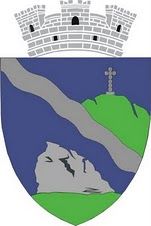
Stema orașului Bușteni, cu Sfinxul reprezentat în partea de jos și Crucea Eroilor reprezentată în partea de sus // The coat of arms of the town of Bușteni, with the Sphinx depicted in the lower part and the Heroes’ Cross depicted in the upper part
Să începem, așadar, ca de obicei, cu geografia și istoria locului.
Bușteni, compus din orașul Bușteni și stațiunea Poiana Țapului, se află în nord-vestul județului Prahova, pe cursul superior al râului Prahova, în sectorul montan al Văii Prahovei, între Sinaia și Azuga. Orașul este așezat la circa 850–940 m altitudine, într-un culoar strâns între Munții Bucegi, la vest, și Munții Baiului, la est.
Let us begin, then, as usual, with the geography and history of the place.
Bușteni, made up of the town of Bușteni and the resort town of Poiana Țapului, lies in the north-west of Prahova County, on the upper course of the Prahova River, in the mountainous sector of the Prahova Valley, between Sinaia and Azuga. The town is set at an altitude of around 850–940 metres, in a narrow corridor between the Bucegi Mountains to the west and the Baiului Mountains to the east.
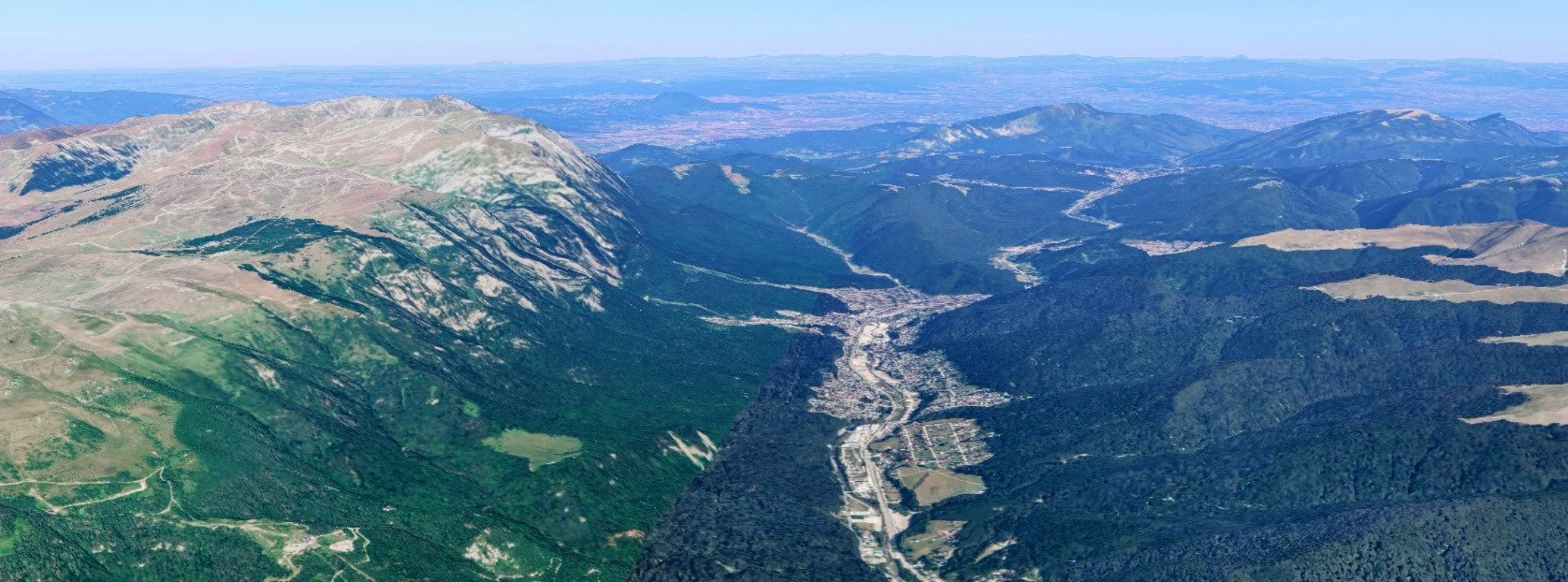
Bușteni, via google.com/maps
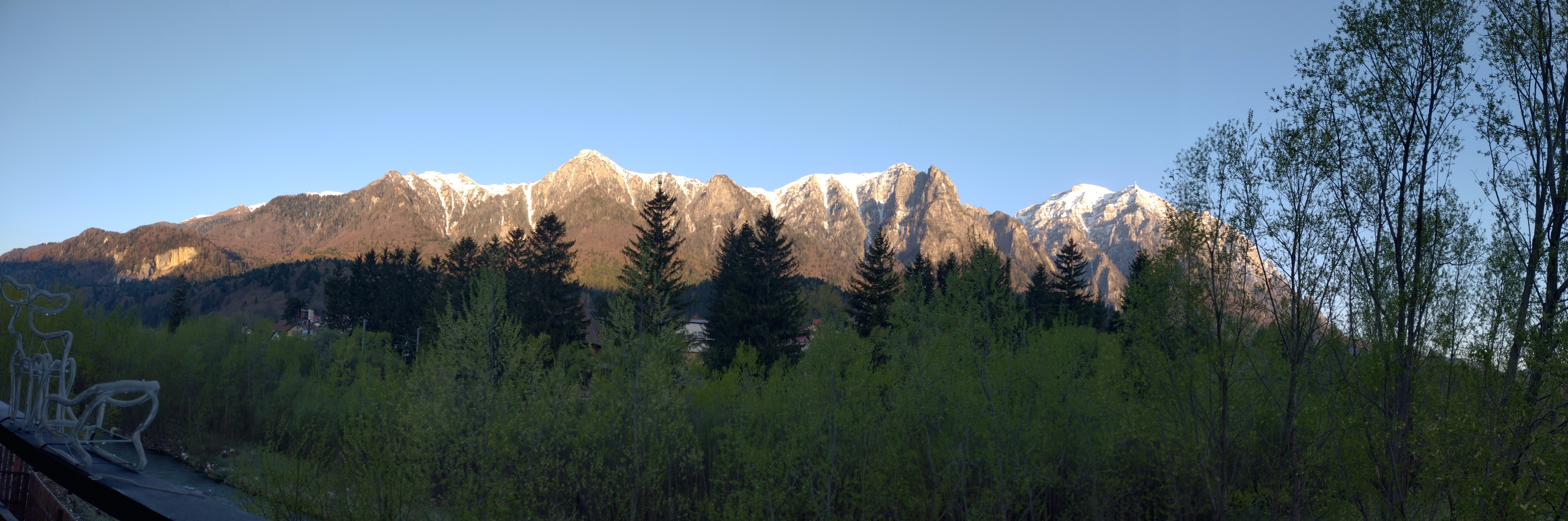
Spre Bucegi, peisajul este dominat de abruptul prahovean, cu masivul Jepii Mici; spre Baiului, relieful devine mai domol, cu piciorul împădurit al muntelui Zamora.
Towards the Bucegi Mountains, the landscape is dominated by the Prahova-facing escarpment, with the Jepii Mici massif; towards the Baiului Mountains, the relief becomes gentler, with the wooded foothills of Mount Zamora.
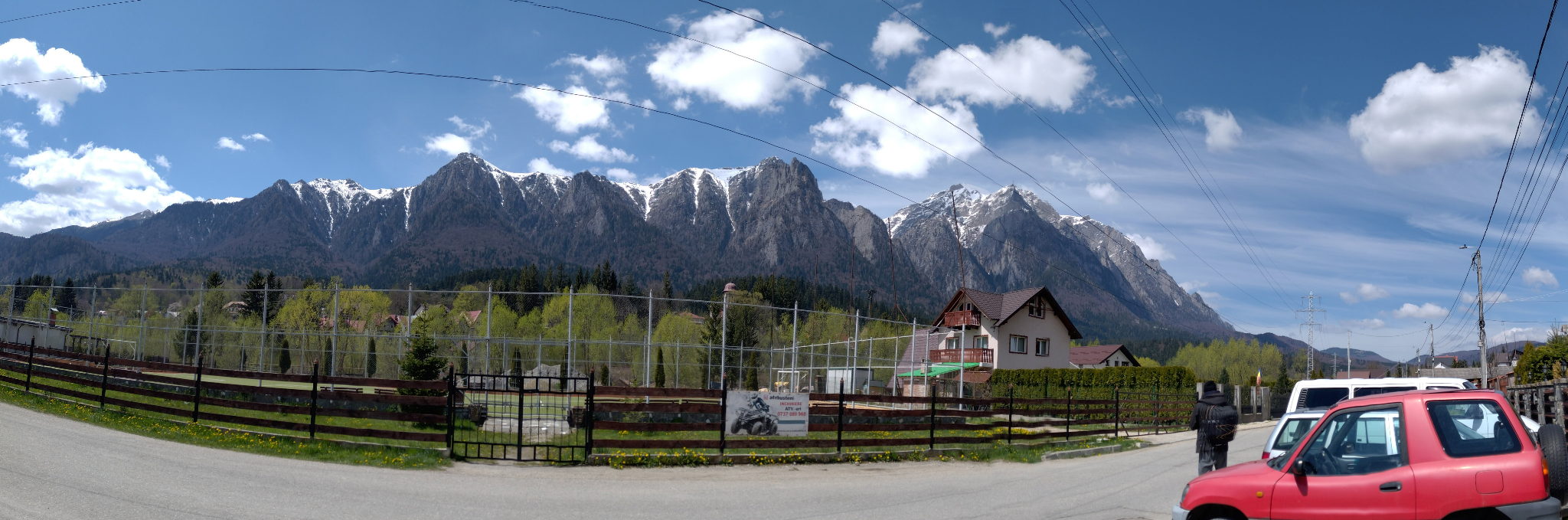
Panoramă cu abruptul prahovean al Munților Bucegi // Panorama of the Prahova-facing escarpment of the Bucegi Mountains
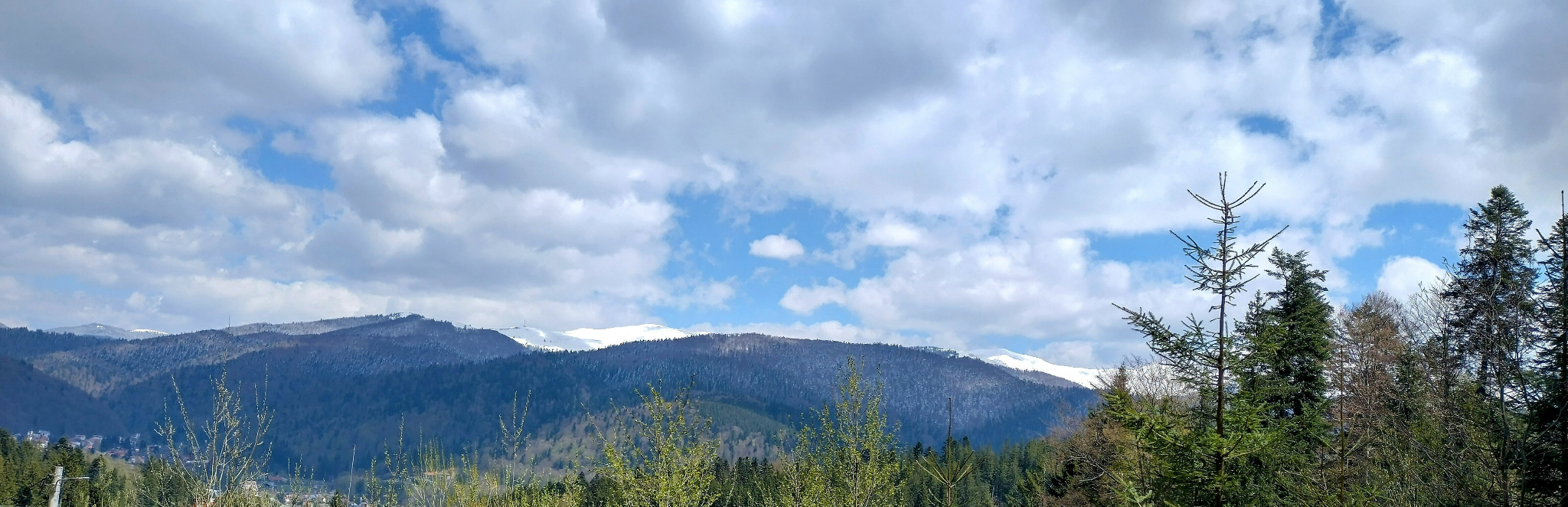
Panoramă către Munții Baiului // Panorama towards the Baiului Mountains
Râul Prahova primește aici afluenți montani scurți, cu văi abrupte, precum Valea Zamorei, Valea Jepilor sau Valea Urlătorii.
Here, the Prahova River receives short mountain tributaries, flowing through steep valleys such as Valea Zamorei, Valea Jepilor and Valea Urlătorii.
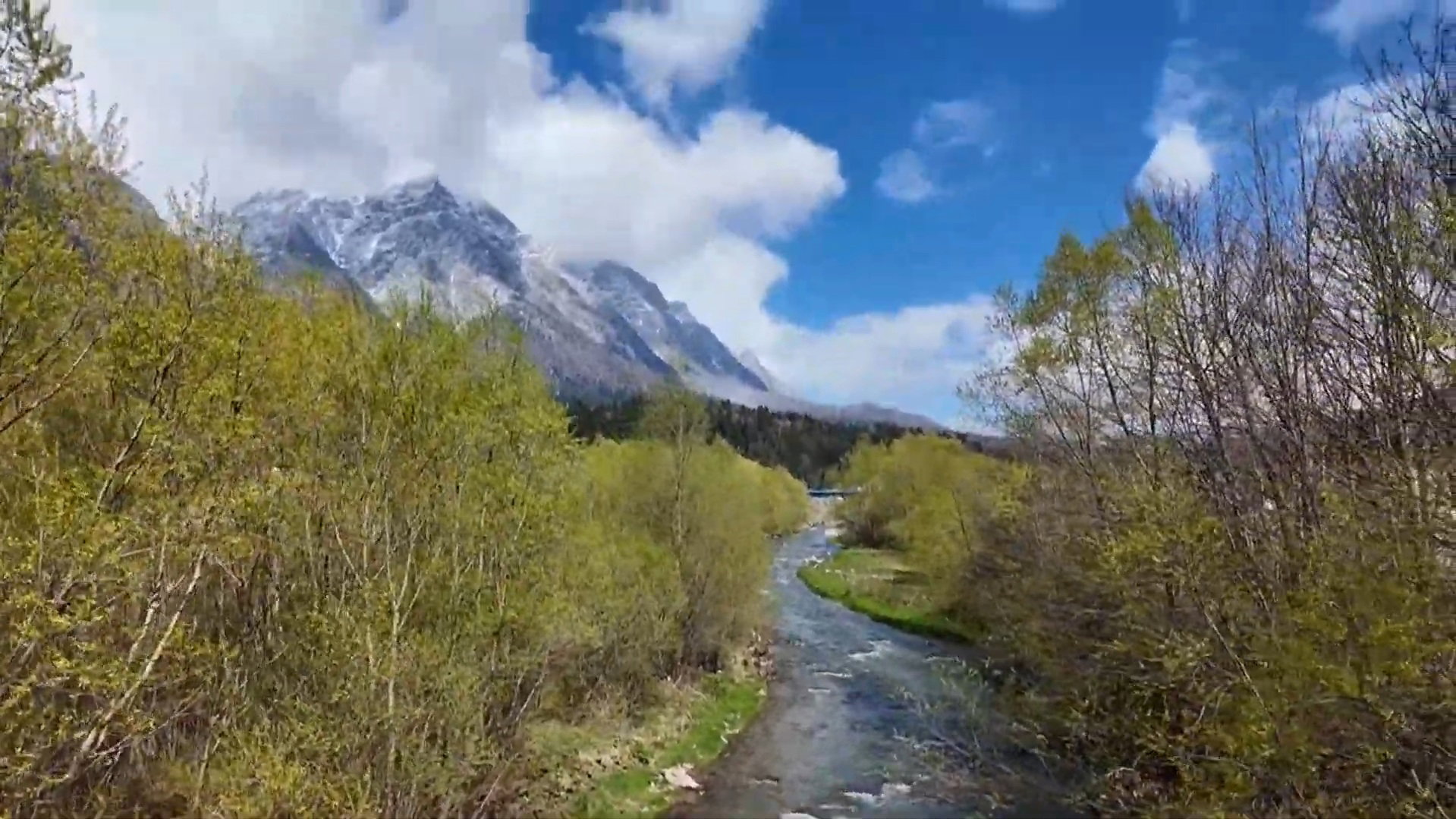
Râul Prahova în Bușteni // The Prahova River in Bușteni
Prin poziția sa, Bușteni este una dintre principalele porți de acces în Parcul Natural Bucegi, către Cascada Urlătoarea, platoul montan înalt al Babelor sau Crucea de pe vârful Caraiman.
Parcul Natural Bucegi este o arie protejată din Munții Bucegi, întinsă pe teritoriul județelor Brașov, Dâmbovița și Prahova. Înființat în 1974, parcul protejează peisaje montane spectaculoase - abrupturi, platouri, peșteri, chei, cascade și formațiuni stâncoase precum Babele și Sfinxul -, dar și o biodiversitate bogată, cu specii precum ursul, râsul, capra-neagră, floarea-de-colț și bujorul de munte.
Due to its location, Bușteni is one of the main gateways into Bucegi Natural Park, towards Urlătoarea Waterfall, the high mountain plateau of Babele, or the Cross on Caraiman Peak
Bucegi Natural Park is a protected area in the Bucegi Mountains, stretching across the counties of Brașov, Dâmbovița and Prahova. Established in 1974, the park protects spectacular mountain landscapes — escarpments, plateaus, caves, gorges, waterfalls and rock formations such as Babele and the Sphinx — as well as rich biodiversity, with species such as the bear, lynx, chamois, edelweiss and mountain peony.
După ce am înțeles geografia locului, să continuăm cu istoria Bușteniului și a Poienii Țapului, care începe relativ târziu, într-un spațiu care, până spre secolul al XVIII-lea, era mai curând un culoar de trecere decât o zonă locuită stabil. Valea superioară a Prahovei era străbătută de drumul dintre București și Brașov, iar primele repere ale locuirii au fost legate de popas, comerț și circulație. În zona Zamora de astăzi este amintit hanul „Slonul de Piatră”, iar spre sfârșitul secolului al XVIII-lea apare toponimul „La Bușteni”, folosit pentru zona unde Valea Cerbului se varsă în Prahova. Primele gospodării sunt legate de anii 1790, iar în 1840 așezarea era încă foarte mică, fiind menționată ca localitate rurală cu numai câteva familii.
Până la sfârșitul secolului al XVIII-lea, pe valea superioară a Prahovei existau câteva așezări stabile: Schitul Lespezi, de lângă Posada; Mănăstirea Sinaia, întemeiată în 1695 de Mihai Cantacuzino; cătunul Izvor, înființat în 1782 de domnitorul Mihai Șuțu; Schitul Predeal, întemeiat la 20 iunie 1744; și hanul „Slonul de Piatră”, aflat la poalele Zamorei. În 1788, în timpul luptelor dintre austrieci și turcii susținuți de domnul Nicolae Mavrogheni, hanul „Slonul de Piatră” a fost incendiat. După 1800 au apărut alte hanuri, precum „La Ruja”, „Puristoaca” și hanul din Bușteni.
Primele așezări din Bușteni au apărut în jurul anului 1800, pe Valea Cerbului, răsfirate prin poieni. Harta rusească din 1835 consemna în zona Bușteni cătunele Drăgușești, cu 20 de familii, Trestia și Slonul de Piatră; primele două au stat la originea orașului Bușteni, iar ultimul a dat naștere cartierului Zamora.
After understanding the geography of the place, let us continue with the history of Bușteni and Poiana Țapului, which begins relatively late, in an area that, until around the 18th century, was more of a transit corridor than a permanently inhabited settlement. The upper Prahova Valley was crossed by the road between Bucharest and Brașov, and the earliest signs of habitation were connected to stopping places, trade and movement. In today’s Zamora area, the “Slonul de Piatră” inn is mentioned, while towards the end of the 18th century the place name “La Bușteni” appears, used for the area where Valea Cerbului flows into the Prahova River. The first households date back to the 1790s, and in 1840 the settlement was still very small, being mentioned as a rural locality with only a few families.
By the end of the 18th century, several stable settlements existed in the upper Prahova Valley: Lespezi Hermitage, near Posada; Sinaia Monastery, founded in 1695 by Mihai Cantacuzino; the hamlet of Izvor, established in 1782 by Prince Mihai Șuțu; Predeal Hermitage, founded on 20 June 1744; and the “Slonul de Piatră” inn, located at the foot of Zamora. In 1788, during the fighting between the Austrians and the Turks supported by Prince Nicolae Mavrogheni, the “Slonul de Piatră” inn was set on fire. After 1800, other inns appeared, such as “La Ruja”, “Puristoaca” and the inn in Bușteni.
The first settlements in Bușteni appeared around 1800, on Valea Cerbului, scattered through the clearings. The Russian map of 1835 recorded the hamlets of Drăgușești, with 20 families, Trestia and Slonul de Piatră in the Bușteni area; the first two formed the basis of the town of Bușteni, while the last gave rise to the Zamora neighbourhood.
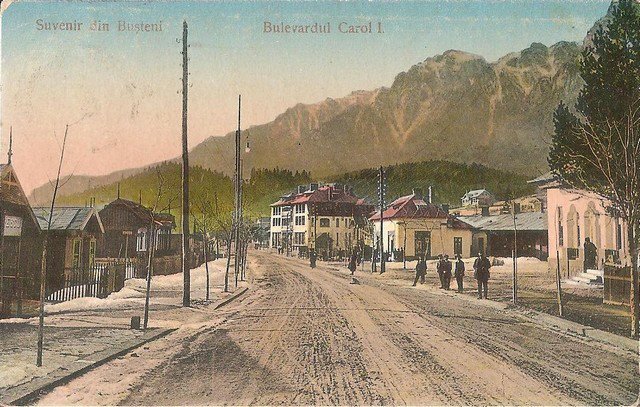
Cândva un drum de țară prăfuit... (via orasul-busteni.ro) // Once a dusty country road... (via orasul-busteni.ro)
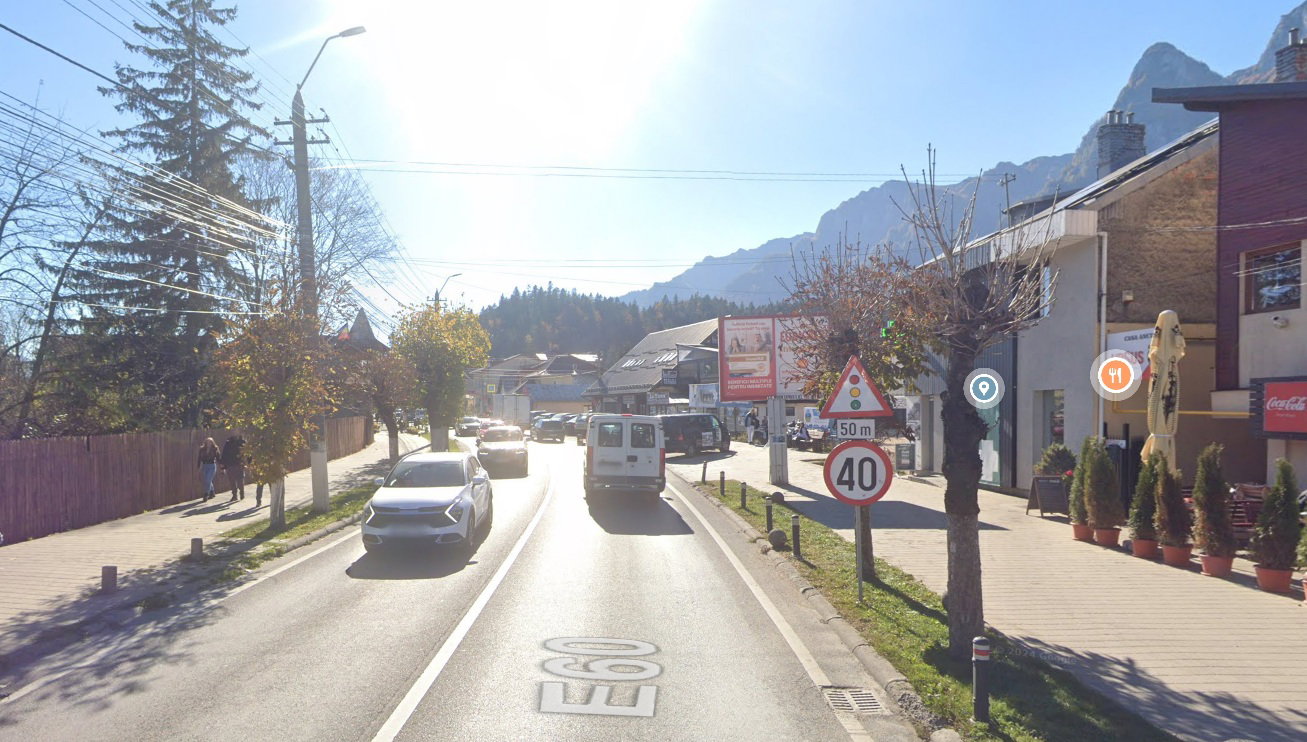
...astăzi aglomeratul DN1/E60, via google.com/maps // ...today the busy DN1/E60 road, via google.com/maps
Dezvoltarea reală a locului a venit în secolul al XIX-lea, odată cu transformarea Văii Prahovei într-un ax important de transport. Construirea șoselei Câmpina–Predeal, inaugurarea căii ferate Ploiești–Predeal/Brașov și deschiderea gării au schimbat decisiv rolul așezării. Bușteni nu mai era doar un punct de popas, ci începea să devină un nucleu economic și turistic.
The real development of the place came in the 19th century, as the Prahova Valley was transformed into an important transport axis. The construction of the Câmpina–Predeal road, the inauguration of the Ploiești–Predeal/Brașov railway and the opening of the railway station decisively changed the role of the settlement. Bușteni was no longer just a stopping point, but was beginning to become an economic and tourist centre.
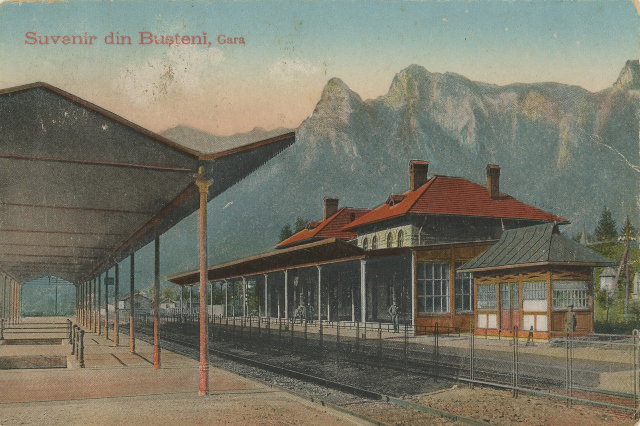
Gara Bușteni, inaugurată în 1884, via orasul-busteni.ro // Bușteni Railway Station, inaugurated in 1884, via orasul-busteni.ro
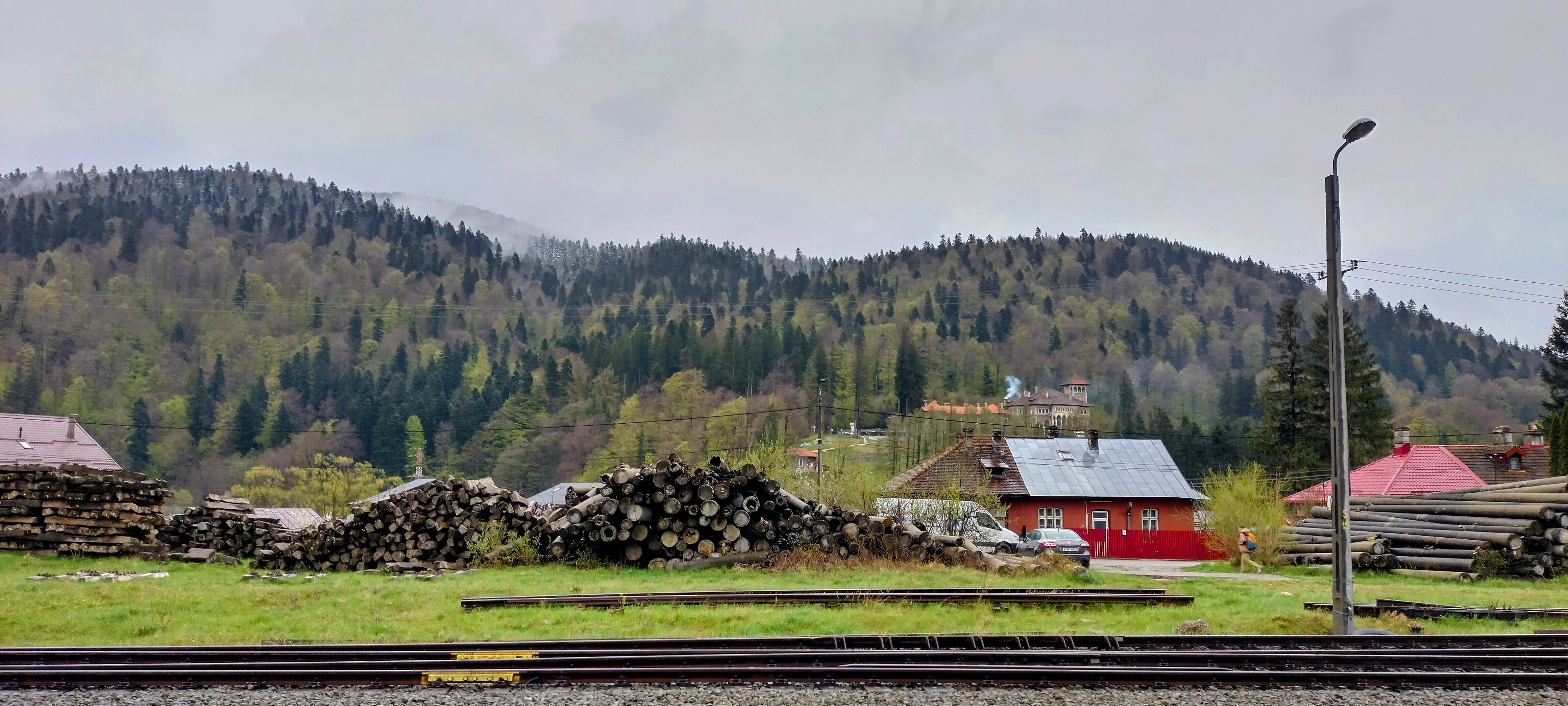
Aspect contemporan din Gara Bușteni; în plan secund, Castelul Cantacuzino pe muntele Zamora // Contemporary view of Bușteni Railway Station; in the background, Cantacuzino Castle on Mount Zamora
Un moment important a fost deschiderea fabricii de hârtie, în 1882, care a atras forță de muncă, a consolidat viața locală și a contribuit la unificarea cătunelor răsfirate într-o așezare mai coerentă.
An important moment was the opening of the paper mill in 1882, which attracted labour, strengthened local life and contributed to the unification of the scattered hamlets into a more coherent settlement.
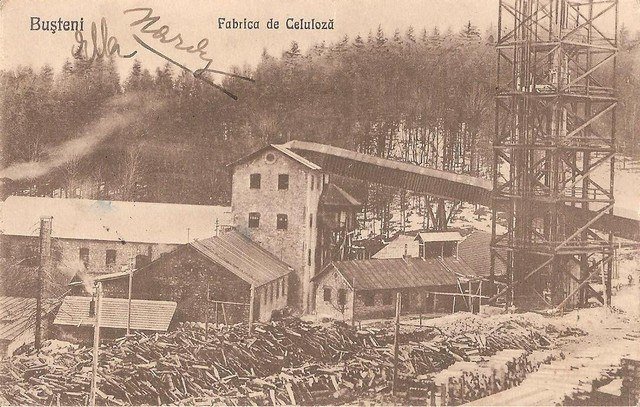
Atunci... (via orasul-busteni.ro) // Then... (via orasul-busteni.ro)
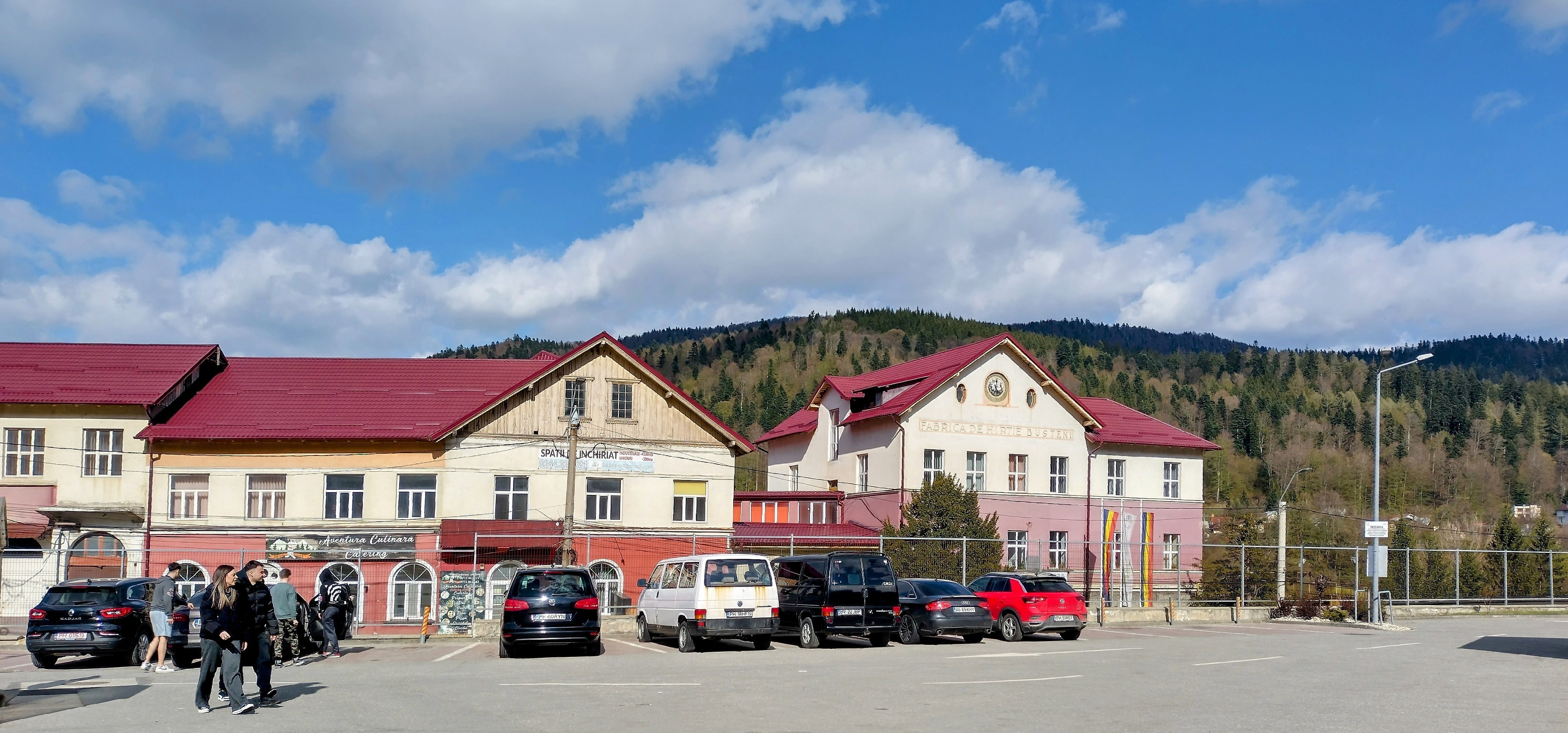
...și acum // ...and now
Poiana Țapului are o evoluție apropiată, dar distinctă. Așezarea este atestată documentar în 1830 și s-a format la sud de Bușteni, în continuarea acestuia, tot pe Valea Prahovei. Inițial, Bușteni, Poiana Țapului și Predealul au fost legate administrativ de comuna Sinaia.
După ce Sinaia a devenit comună de sine stătătoare, în 1885, Poiana Țapului a trecut la comuna Predeal. Creșterea economică și demografică a zonei a dus, la 1 iulie 1908, la formarea comunei Bușteni, alcătuită din Bușteni și Poiana Țapului.
Poiana Țapului followed a similar, yet distinct, evolution. The settlement is documented in 1830 and developed south of Bușteni, as its continuation, also in the Prahova Valley. Initially, Bușteni, Poiana Țapului and Predeal were administratively linked to the commune of Sinaia.
After Sinaia became an independent commune in 1885, Poiana Țapului passed to the commune of Predeal. The economic and demographic growth of the area led, on 1 July 1908, to the formation of the commune of Bușteni, made up of Bușteni and Poiana Țapului.
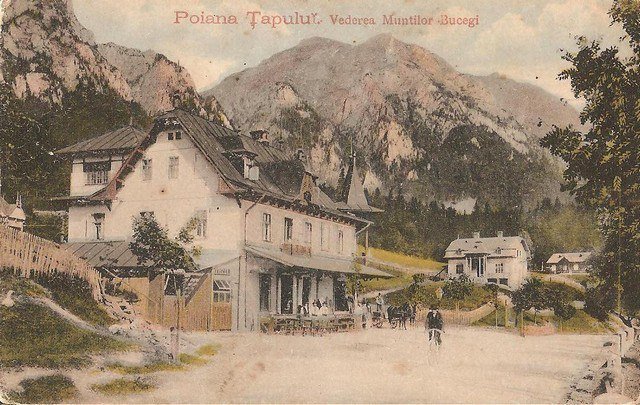
Atunci... (via orasul-busteni.ro) // Then... (via orasul-busteni.ro)
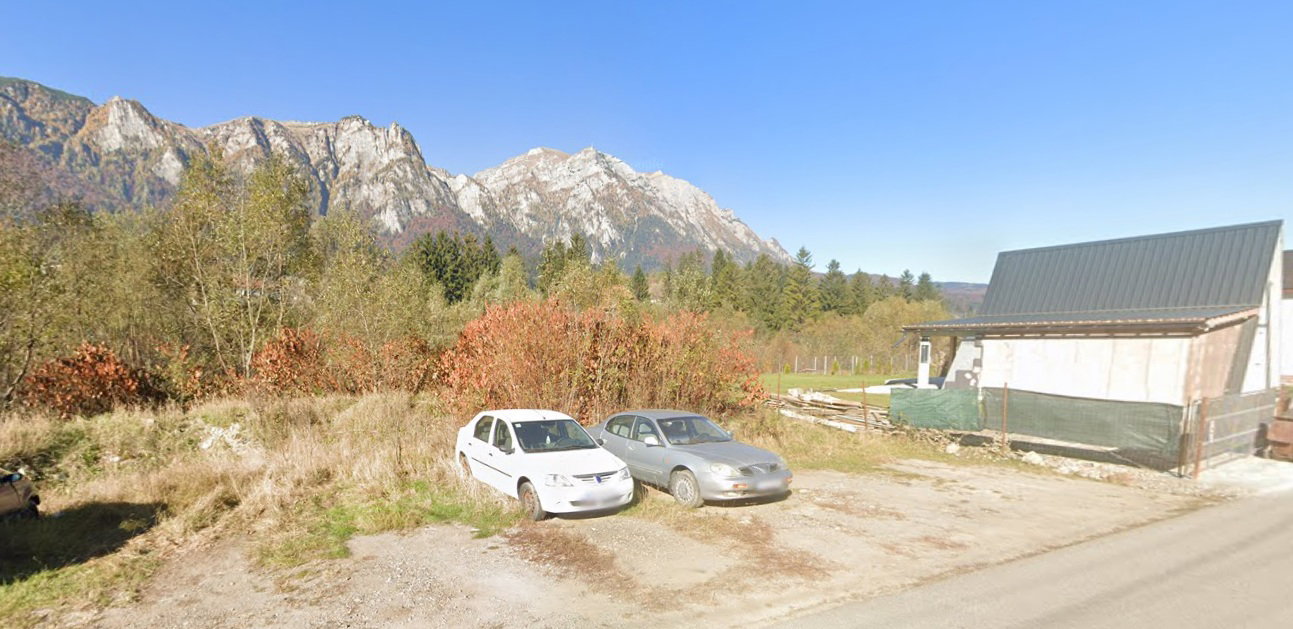
...și acum, via google.com/maps // ...and now, via google.com/maps
La sfârșitul secolului al XIX-lea și începutul secolului XX, Bușteniul capătă tot mai clar profilul de stațiune montană. Apar Biserica Nașterii Maicii Domnului, ridicată cu sprijin regal în 1889, școala, hotelurile, vilele de vacanță și primele forme de turism organizat.
At the end of the 19th century and the beginning of the 20th, Bușteni increasingly took on the profile of a mountain resort. The Church of the Nativity of the Mother of God, built with royal support in 1889, appeared alongside the school, hotels, holiday villas and the first forms of organised tourism.
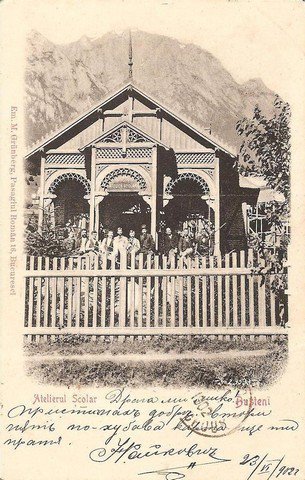
Atelierul școlar, via orasul-busteni.ro // The school workshop, via orasul-busteni.ro
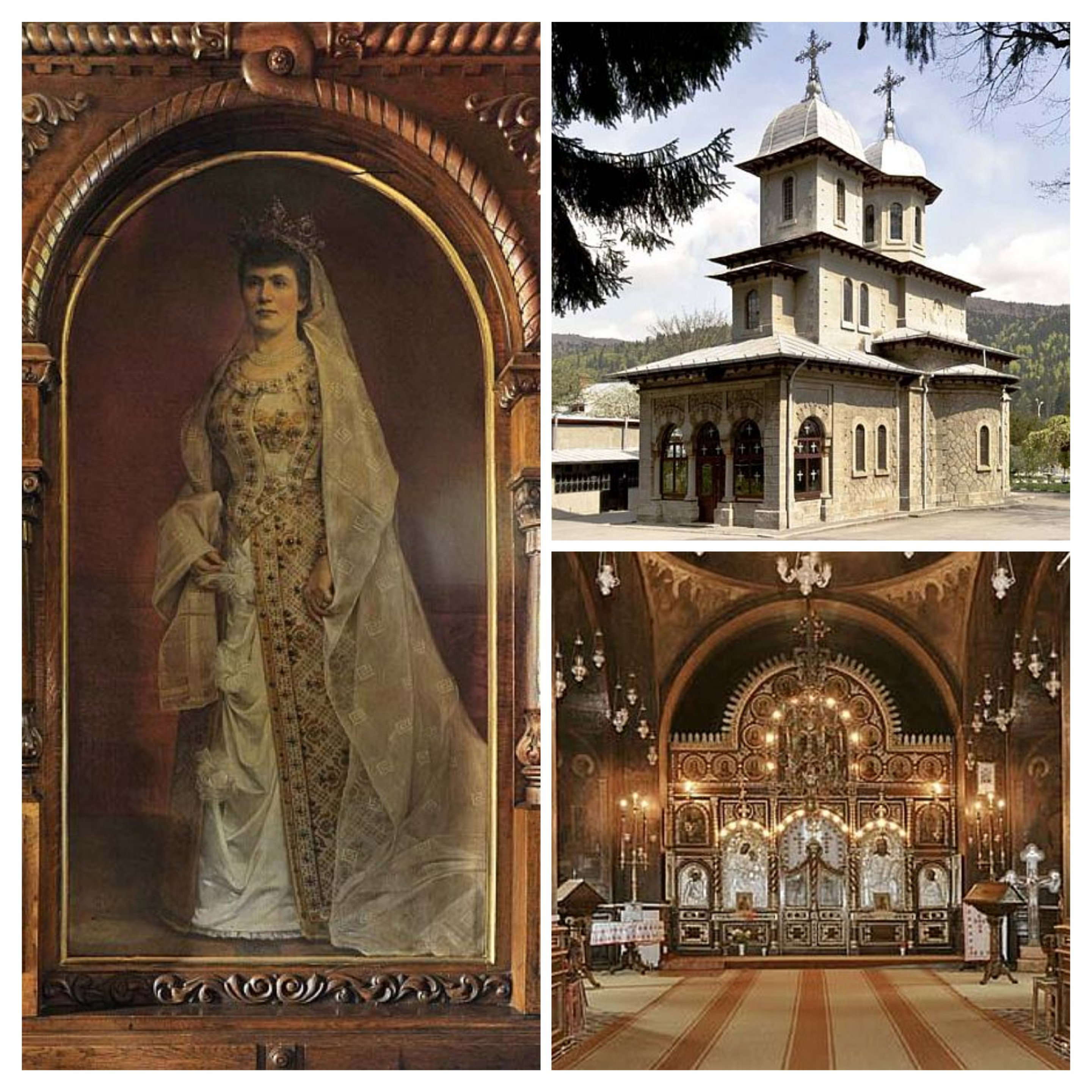
Biserica Nașterii Maicii Domnului; portretul reginei Elisabeta a României, via crestinortodox.ro // The Church of the Nativity of the Mother of God; the portrait of queen Elisabeth of Wied, via crestinortodox.ro
Poziția la poalele Bucegilor, accesul spre Caraiman, Valea Albă, Jepi și platoul montan, dar și moda schiului, adusă la începutul secolului XX, transformă localitatea într-un centru al drumeției, alpinismului și sporturilor de iarnă.
Its position at the foot of the Bucegi Mountains, access towards Caraiman, Valea Albă, Jepi and the mountain plateau, as well as the popularity of skiing, introduced at the beginning of the 20th century, transformed the locality into a centre for hiking, mountaineering and winter sports.
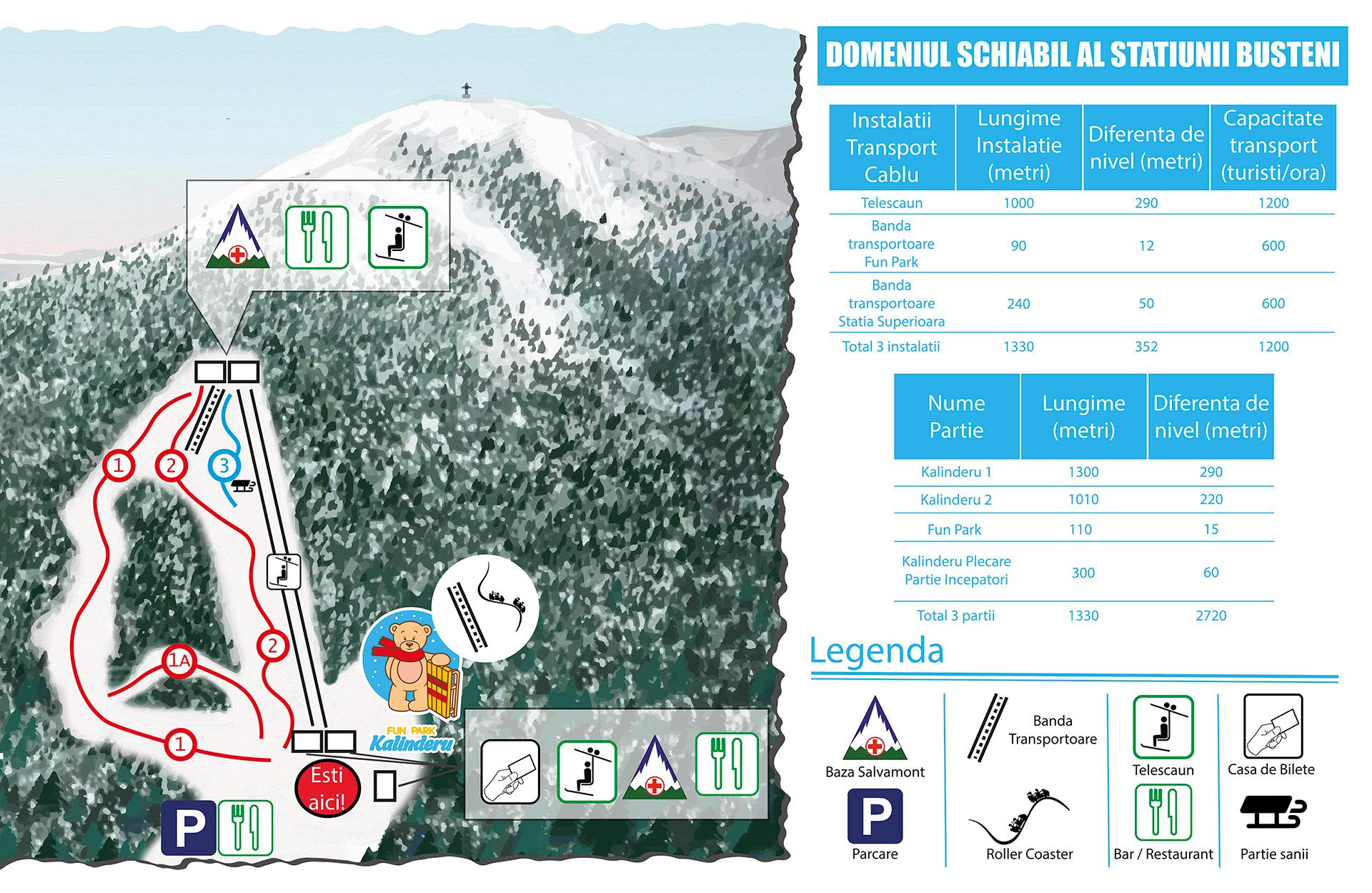
Domeniul schiabil Kalinderu, via mountlift.com // Kalinderu ski area, via mountlift.com
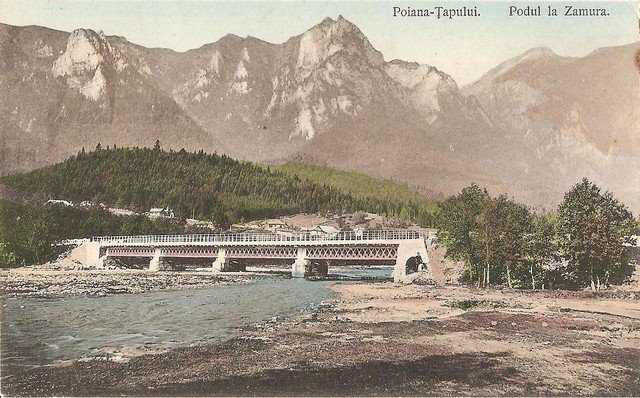
În perioada interbelică, Poiana Țapului a funcționat o vreme ca unitate administrativă separată, alcătuită din satul Poiana Țapului și mai multe cătune arondate, precum Jepii Mari, Jepii Mici, Cumpătu, Piatra Arsă, Valea Babei și Zamura. După reorganizările administrative din secolul XX, comuna Poiana Țapului a fost desființată în 1950 și inclusă în orașul Bușteni. Bușteniul fusese declarat oraș în 1946, semn al maturizării sale ca așezare economică, turistică și administrativă pe Valea Prahovei.
During the interwar period, Poiana Țapului functioned for a time as a separate administrative unit, made up of the village of Poiana Țapului and several attached hamlets, such as Jepii Mari, Jepii Mici, Cumpătu, Piatra Arsă, Valea Babei and Zamura. Following the administrative reorganisations of the 20th century, the commune of Poiana Țapului was dissolved in 1950 and incorporated into the town of Bușteni. Bușteni had been declared a town in 1946, a sign of its maturation as an economic, tourist and administrative settlement in the Prahova Valley.
Bun; acum că îi știm spațiul și timpul, putem să ne bucurăm de Bușteni așa cum se cuvine. Pe aici cred că am trecut de zeci de ori, dacă n-oi fi sărit suta. De cele mai multe ori, cu mașina, în drum spre sau dinspre Brașov ori mai departe, spre Transilvania. De asemenea, am mai venit în Bușteni și doar pentru Bușteni, dar am stat mai mult la bază; iar din copilărie am amintirea unei vizite cu părinții la Babe și la Sfinx, fără nicio memorie clară a modului în care am ajuns acolo.
Așa că, acum doi ani, parte a unui cuplu - de călători, dar și de suflet - abia format, m-am angrenat într-un day trip la Bușteni.
Good; now that we know its space and time, we can enjoy Bușteni properly. I think I have passed through here dozens of times, if not more than a hundred. Most often by car, on the way to or from Brașov, or further on, towards Transylvania. I have also come to Bușteni just for Bușteni, but mostly stayed at the base; and from childhood I remember a visit with my parents to the Babe and the Sphinx, though I have no clear memory of how we actually got there.
So, two years ago, as part of a newly formed couple — both in travel and in life — I set myself up for a day trip to Bușteni.

Zic de la început: day trip-ul nu e o idee bună, chiar dacă nu te obosește condusul sau chiar dacă vii cu trenul - ceea ce noi am și făcut. De data asta plecăm tot cu trenul din București, dar stăm trei nopți și trei zile, ca să apucăm să și urcăm, dar să ne și regenerăm, să simțim că am fost la munte. Facem asta în minivacanța de 1 Mai.
Plecăm, deci, de joi seara cu trenul IR 1635 din București Nord, pe ruta Buftea – Ploiești Vest – Câmpina – Comarnic – Sinaia – Bușteni, iar trenul continuă până la Brașov, oprind și la Azuga și Predeal.
I’ll say it from the start: a day trip is not a good idea, even if driving doesn’t tire you out, or even if you come by train — which is what we did. This time we are also leaving Bucharest by train, but staying for three nights and three days, so that we have time both to climb and to recover, to actually feel that we have been to the mountains. We are doing this during the 1 May mini-holiday.
We are therefore leaving on the IR 1635 train from Bucharest North, on the route Buftea – Ploiești Vest – Câmpina – Comarnic – Sinaia – Bușteni, with the train continuing on to Brașov and also stopping at Azuga and Predeal.
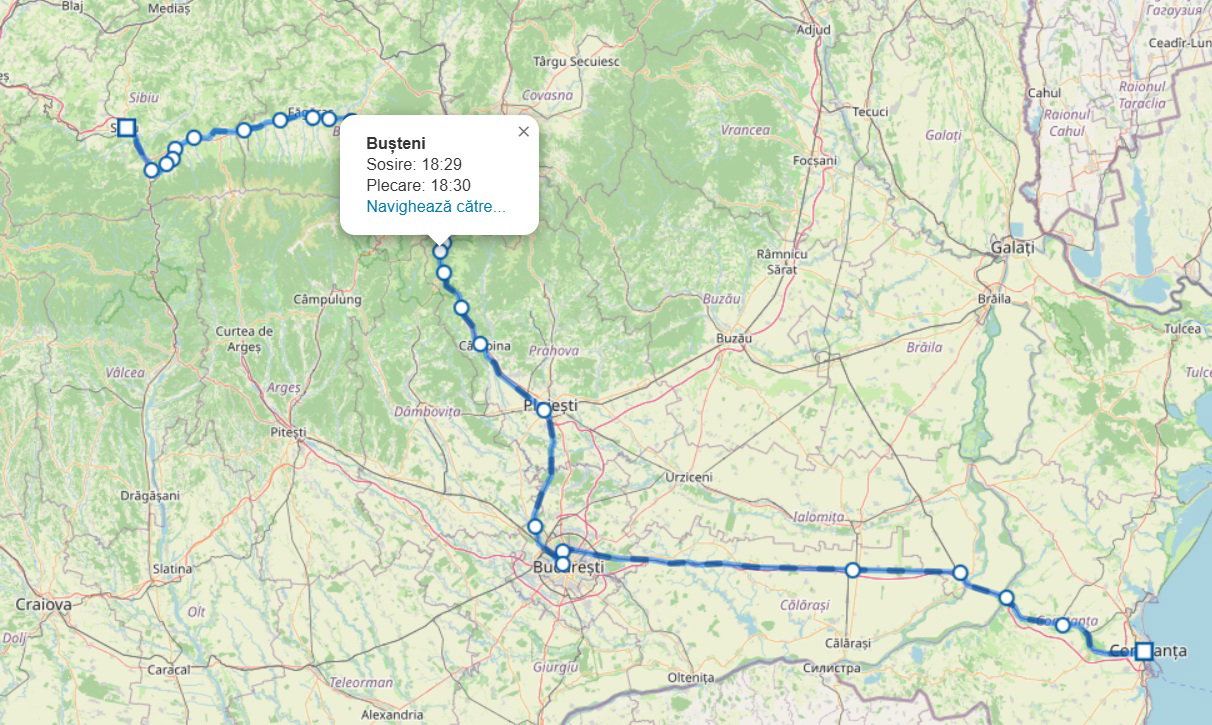
Trenul se formează în Constanța, dar își schimbă numărul în București și apoi, iar, la Brașov // The train originates in Constanța, but changes its number in Bucharest and then, again, at Brașov
Cu trenul // By train
Ajungem în Bușteni cu jumătate de oră întârziere, pe la 19:00 și, dat fiind că suntem cazați în Poiana Țapului și avem cam 3 km de parcurs din Gara Bușteni, după câteva mici cumpărături de-ale gurii, pornim pe jos până la cazare, unde ajungem pe la ora 20:00.
We arrive in Bușteni about half an hour late, around 7 p.m., and since we are staying in Poiana Țapului and have about 3 km to cover from Bușteni Railway Station, after shopping for a few small things to eat, we set off on foot towards our accommodation, where we arrive around 8 p.m.
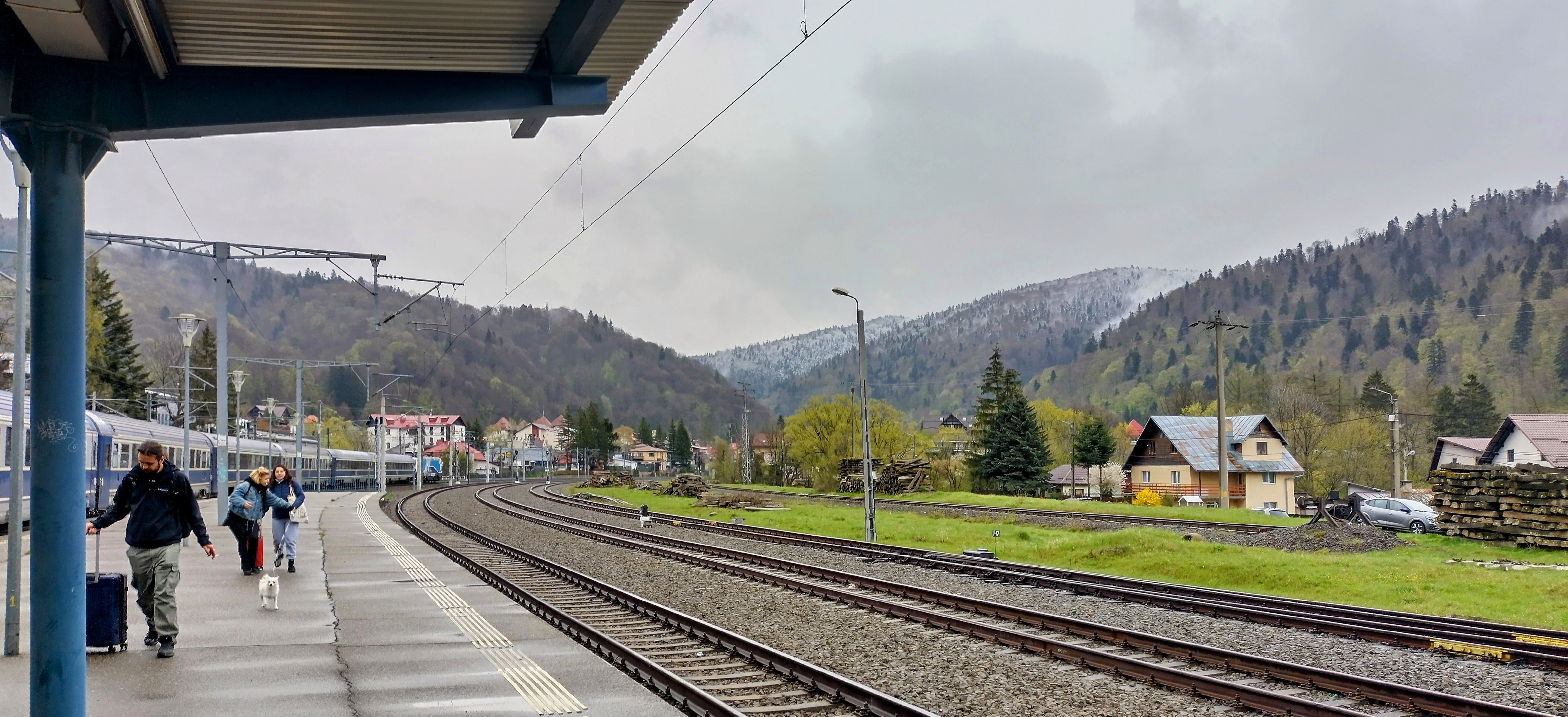
Munții Baiului, văzuți din Gara Bușteni // The Baiului Mountains, seen from Bușteni Railway Station
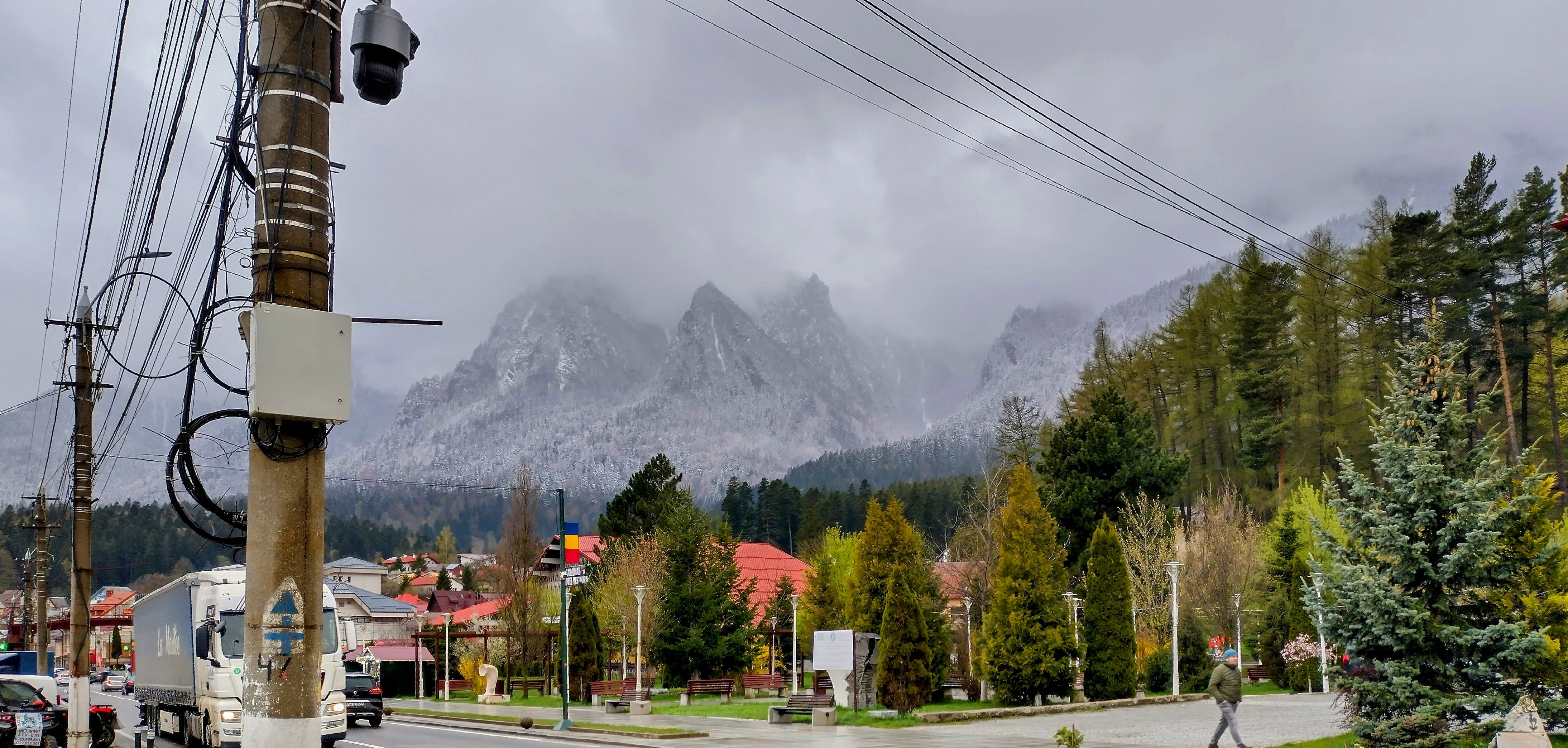
Prima privire către Munții Bucegi, învăluiți în ceață // The first view towards the Bucegi Mountains, shrouded in mist
Ziua 0. Data trecută, prima (și singura) zi a început cu vizitarea celui mai important obiectiv istoric și cultural al Bușteniului: Castelul Cantacuzino.
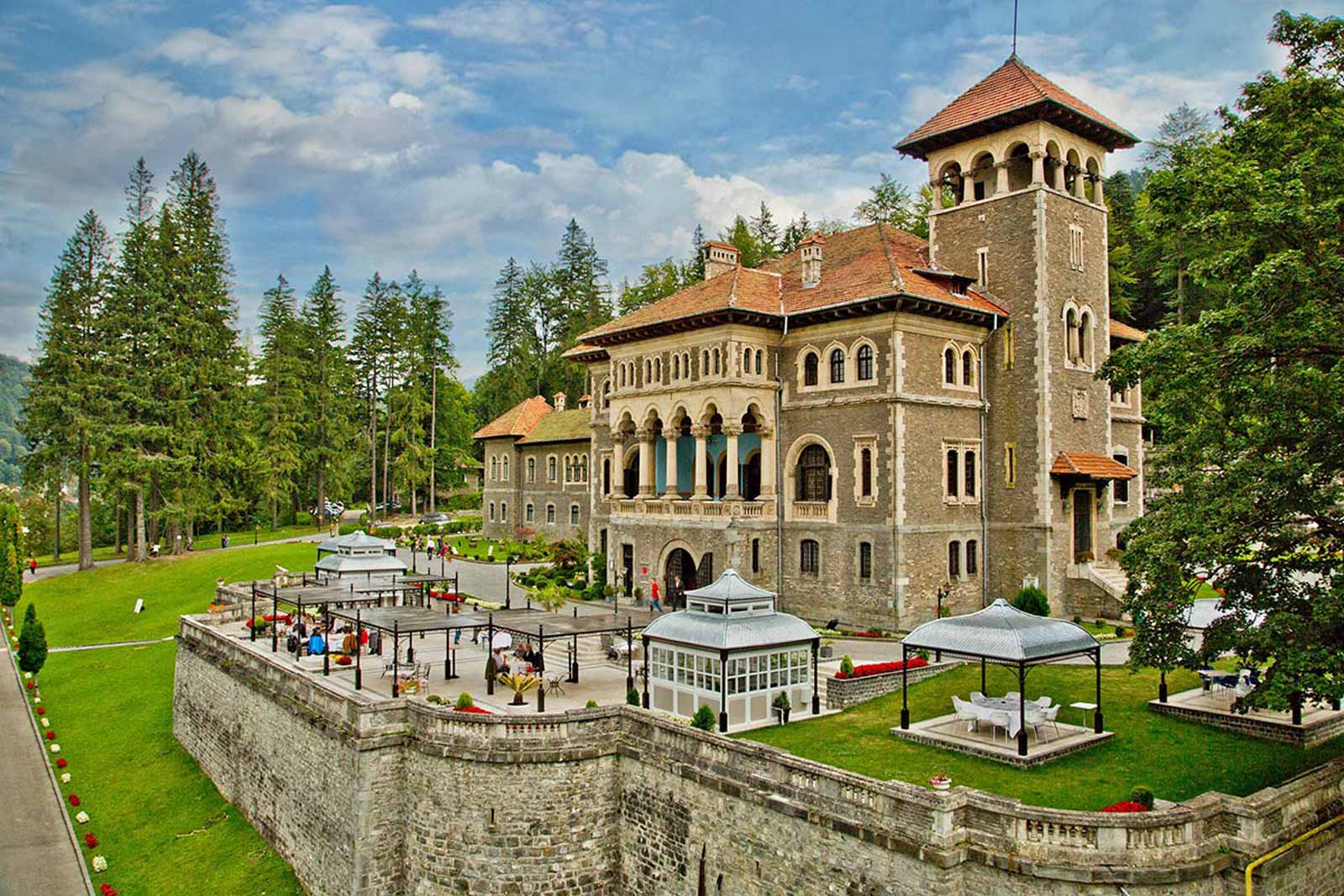
Castelul Cantacuzino din Bușteni, aflat în cartierul Zamora, pe muntele cu același nume, a fost construit pentru Gheorghe Grigore Cantacuzino, supranumit „Nababul”, după planurile arhitectului Grigore Cerchez, unul dintre reprezentanții importanți ai stilului neoromânesc. Lucrările au început în jurul anului 1901 și s-au încheiat în 1911, edificiul fiind ridicat pe locul unei vechi cabane de vânătoare a familiei.
Day 0. Last time, the one (and only) day began with a visit to the most important historical and cultural landmark in Bușteni: Cantacuzino Castle.
Cantacuzino Castle in Bușteni, located in the Zamora neighborhood, on the mountain of the same name, was built for Gheorghe Grigore Cantacuzino, nicknamed “the Nabob”, according to the plans of architect Grigore Cerchez, one of the important representatives of the Neo-Romanian style. Construction began around 1901 and was completed in 1911, the building being erected on the site of an old family hunting lodge.
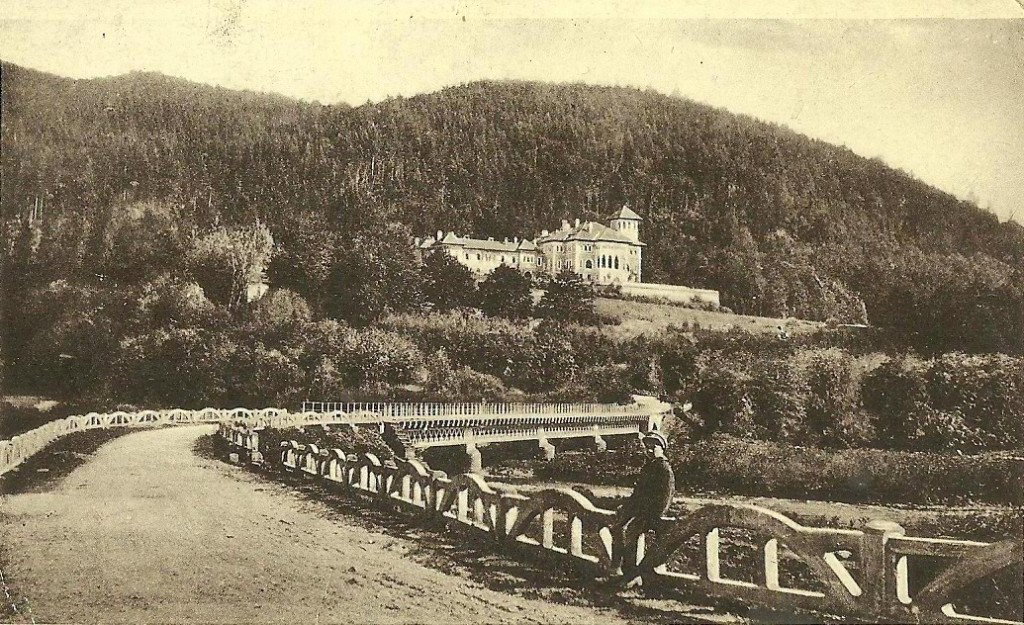
Castelul în 1935, via hetel.ro // The castle in 1935, via hetel.ro
Ansamblul este alcătuit din pavilionul central, pavilionul de serviciu, vila administrativă și capelă, iar construcția principală are fundație de beton, zidărie din piatră cioplită și cărămidă, acoperiș din țiglă și o compoziție de tip pavilion, deschisă spre sud. Arhitectura combină monumentalitatea reședinței aristocratice cu elemente neoromânești și brâncovenești: logie cu arcade trilobate, coloane din piatră, balustrade sculptate, terase ample și detalii heraldice.
The ensemble consists of the central pavilion, the service pavilion, the administrative villa and the chapel, while the main building has a concrete foundation, masonry made of dressed stone and brick, a tile roof and a pavilion-style composition, opening towards the south. The architecture combines the monumentality of an aristocratic residence with Neo-Romanian and Brâncovenesc elements: a loggia with trefoil arches, stone columns, carved balustrades, generous terraces and heraldic details.
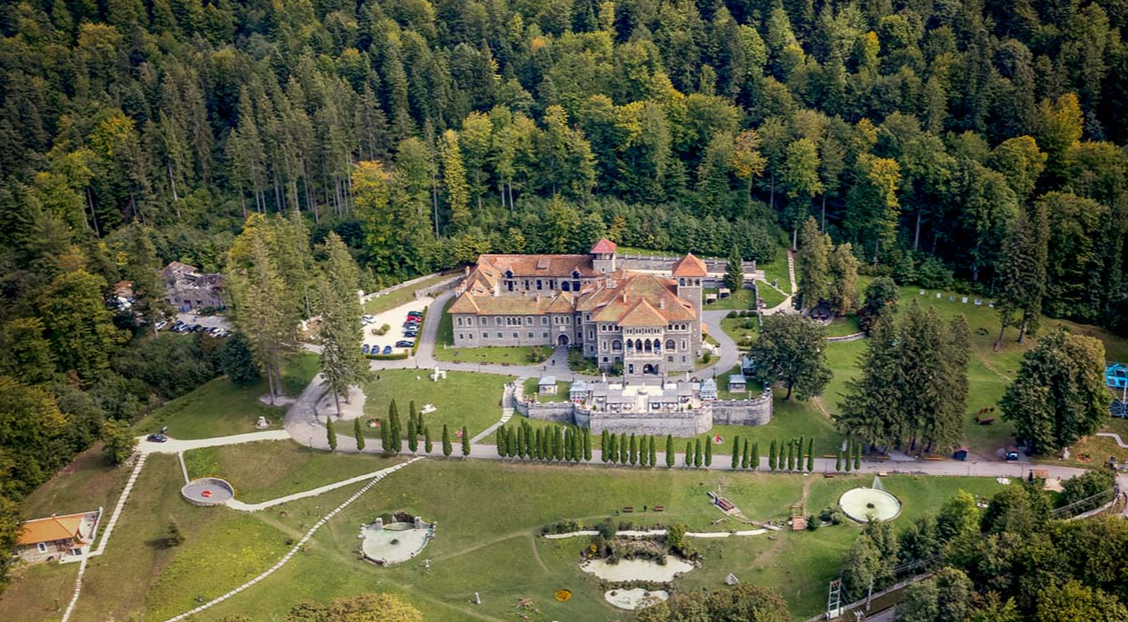
Interiorul păstrează un caracter decorativ bogat, cu vitralii, mozaicuri, plafoane casetate din stejar, scări din marmură de Carrara, șeminee ornamentate, feronerie din bronz și picturi murale, inclusiv galeria de portrete ale familiei Cantacuzino și colecția de blazoane boierești.
The interior retains a richly decorative character, with stained glass, mosaics, coffered oak ceilings, Carrara marble staircases, ornate fireplaces, bronze metalwork and mural paintings, including the gallery of portraits of the Cantacuzino family and the collection of boyar coats of arms.
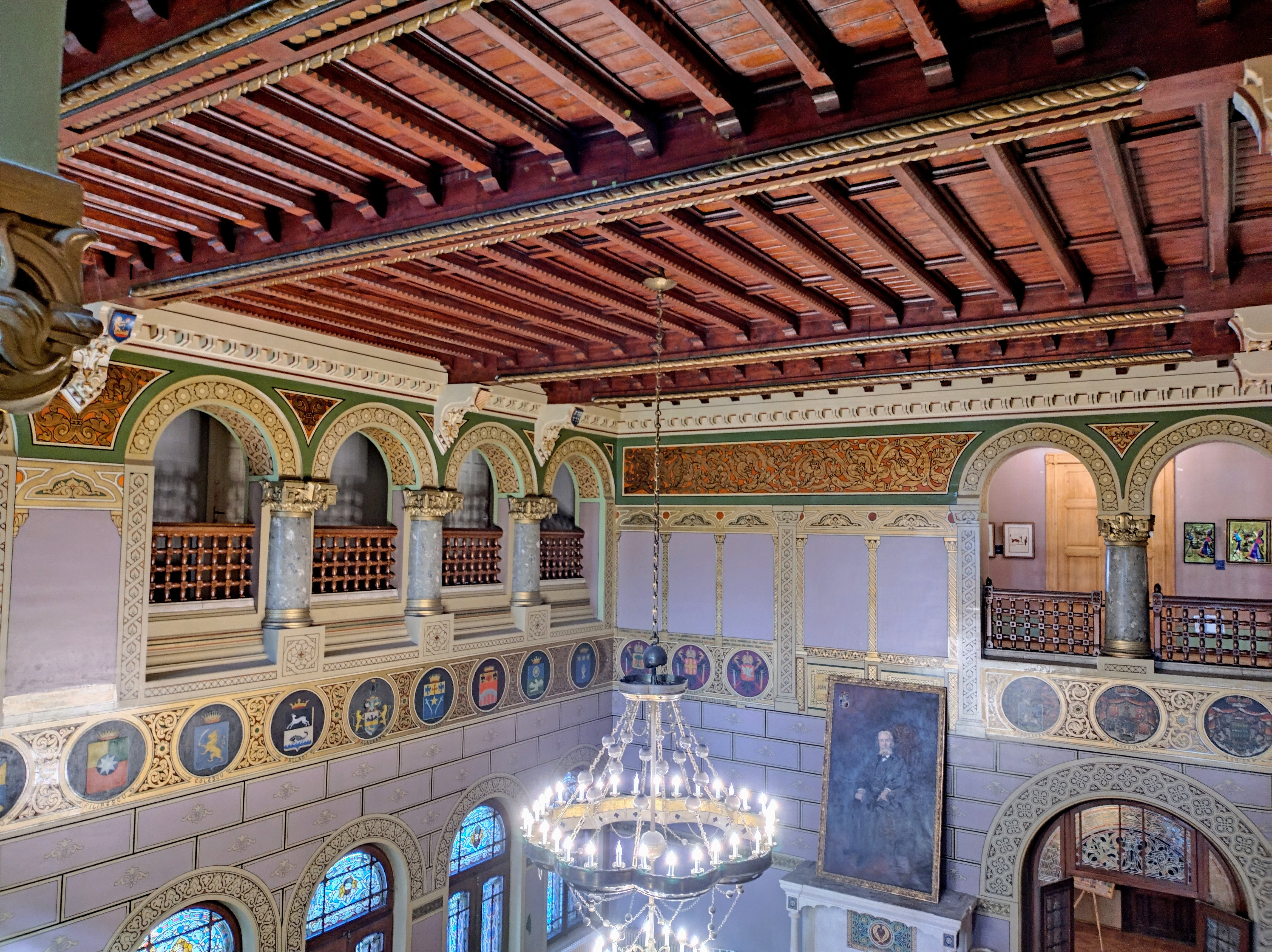
Imagine de la vizita noastră din 2024 // Photo from our 2024 visit
Puteți vedea întregul tur ghidat (din nefericire, cu o calitate slabă a sunetului și, implicit, a subtitrării) în videoclipul de mai jos.
You can watch the full guided tour — unfortunately, with poor sound quality and, as a result, poor subtitle quality — in the video below.
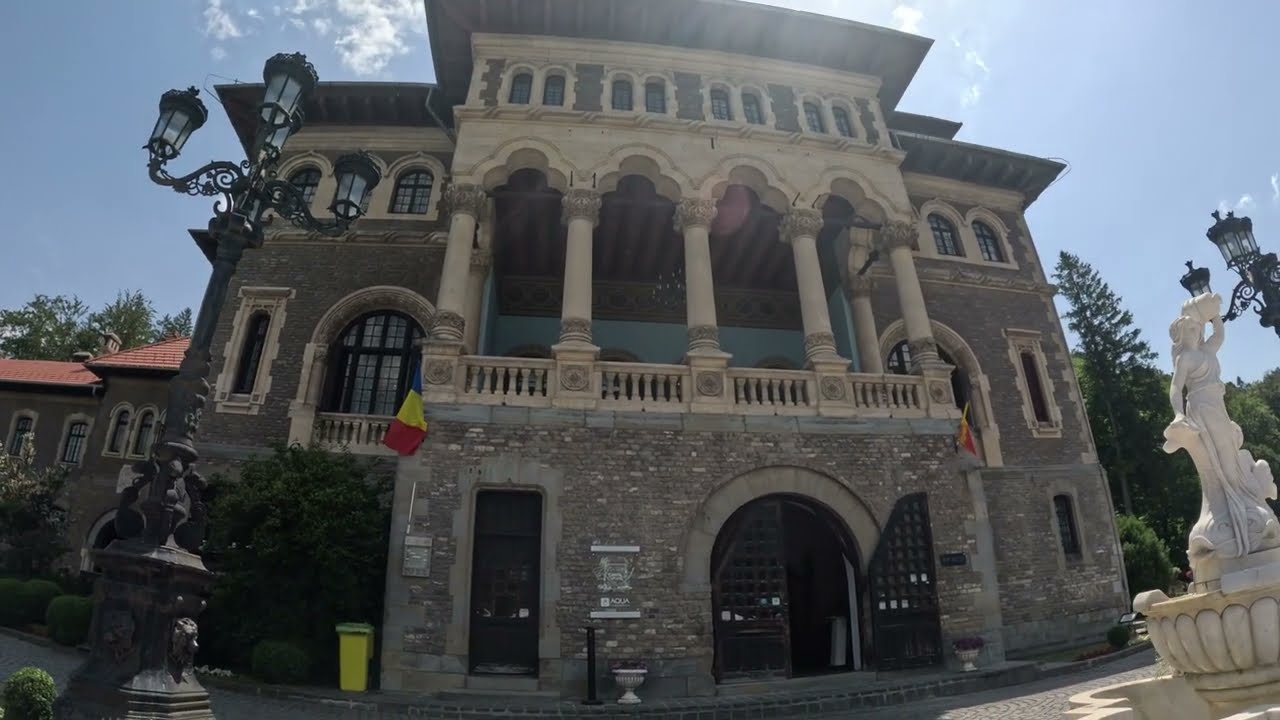
Poziționat pe Muntele Zamora, castelul este valoros nu doar ca monument arhitectural, ci și prin relația spectaculoasă cu peisajul Munților Baiului și cu panorama spre Bucegi.
Positioned on Mount Zamora, the castle is valuable not only as an architectural monument, but also through its spectacular relationship with the landscape of the Baiului Mountains and the panorama towards the Bucegi Mountains.
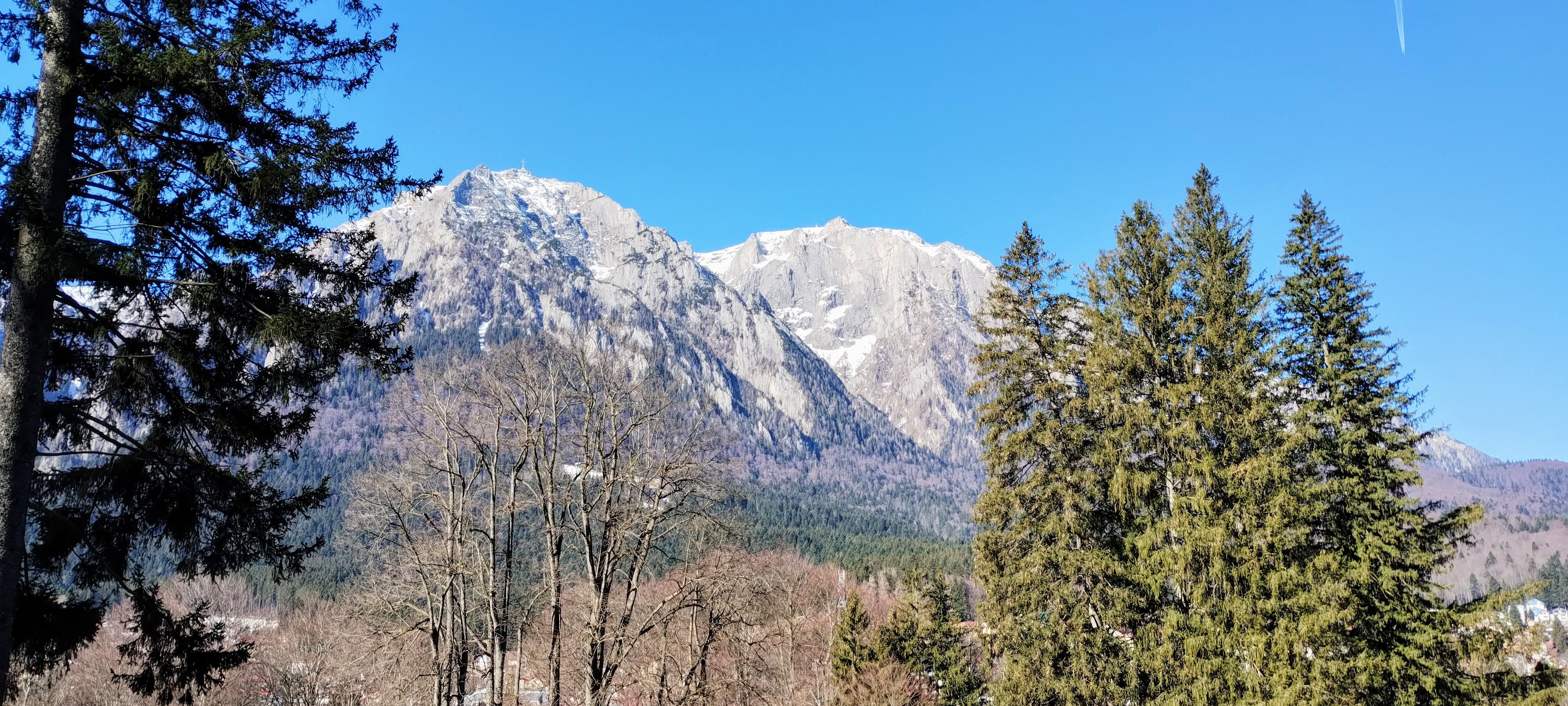
Crucea Eroilor de pe vârful Caraiman, văzută din curtea castelului // The Heroes’ Cross on Caraiman Peak, seen from the castle courtyard
Pe lângă frumoasele interioare ale castelului, acesta are și o galerie care, data trecută când am fost acolo, găzduia o expoziție temporară de grafică și pictură semnată Picasso și Dalí, sub numele de „Bestiar”. Ulterior, aveam să-i vedem celui din urmă și expoziția din București, mai mult axată pe sculptură și obiect.
Besides the castle’s beautiful interiors, it also has a gallery which, the last time we visited, was hosting a temporary exhibition of graphic art and painting by Picasso and Dalí, under the title “Bestiary”. Later, we would also see the latter’s exhibition in Bucharest, which focused more on sculpture and objects.

Posterul expoziției // The exhibition poster
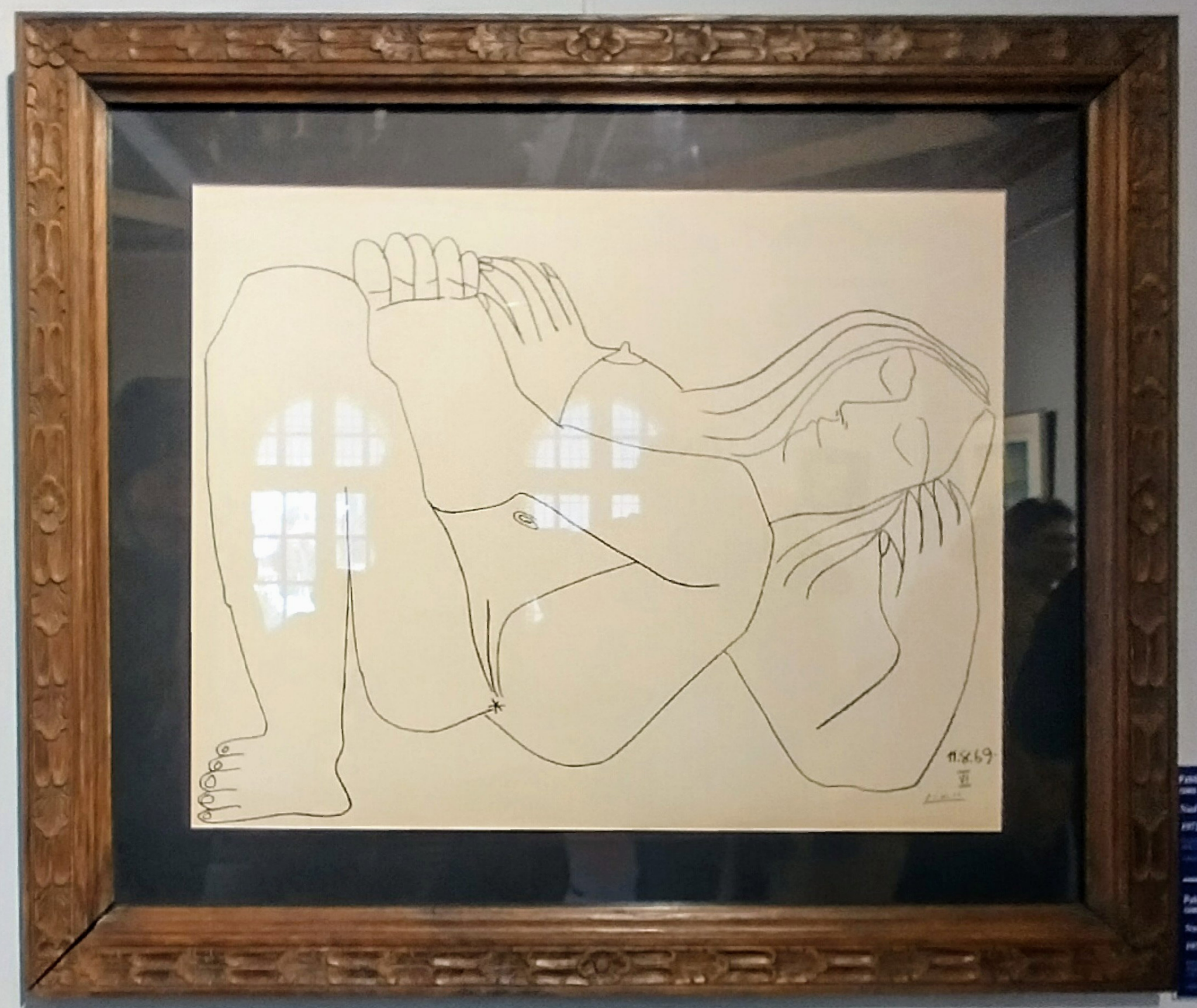
Doar de gust: Pablo Picasso, Nu couché... // Only to try: Pablo Picasso, Nu couché...
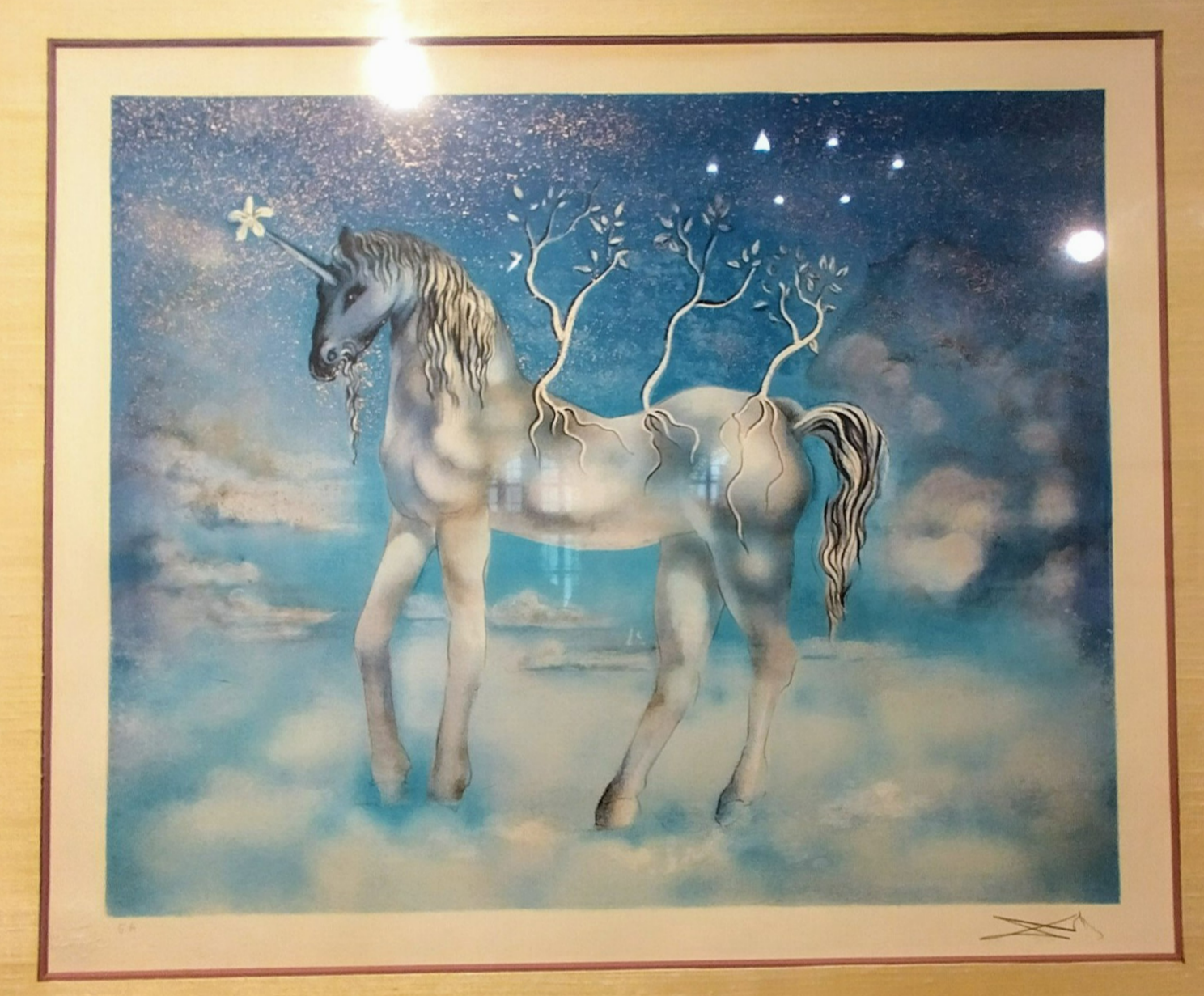
...Salvador Dalí, La licorne bleue
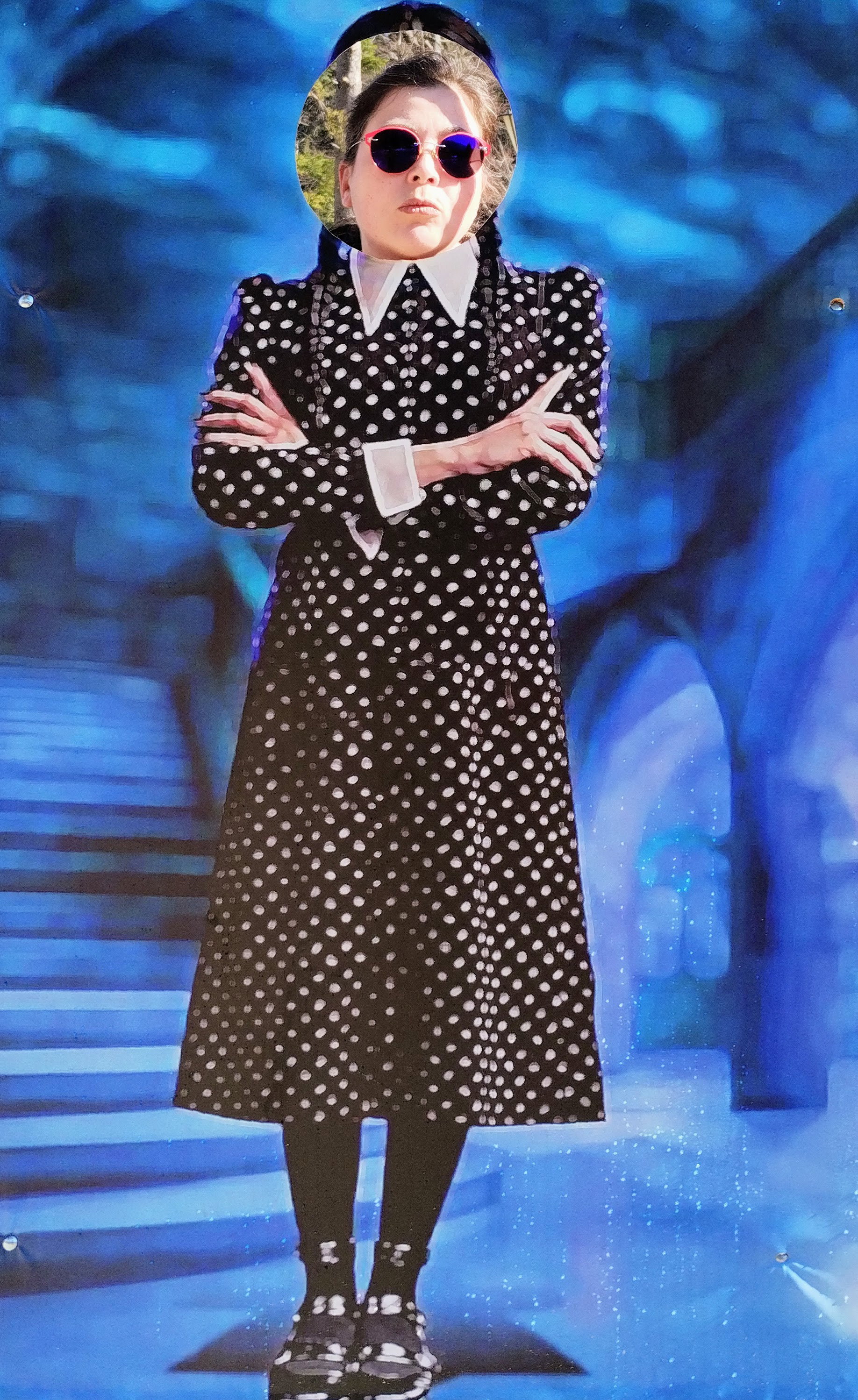
Afară, diverse instalații amintesc de faptul că aici s-a filmat sezonul 1 din Wednesday; nu am putut rata oportunitatea de a face parte, măcar imaginar, din Familia Addams.
Outside, various installations recall the fact that season 1 of Wednesday was filmed here; I could not miss the opportunity to become part of the Addams Family, at least in my imagination.
Tot în curte găsim și diverse sculpturi moderne, dintre care redăm mai jos doar una, care ne-a plăcut în mod deosebit.
Also in the courtyard, there are several modern sculptures, of which we show below just one, which we particularly liked.
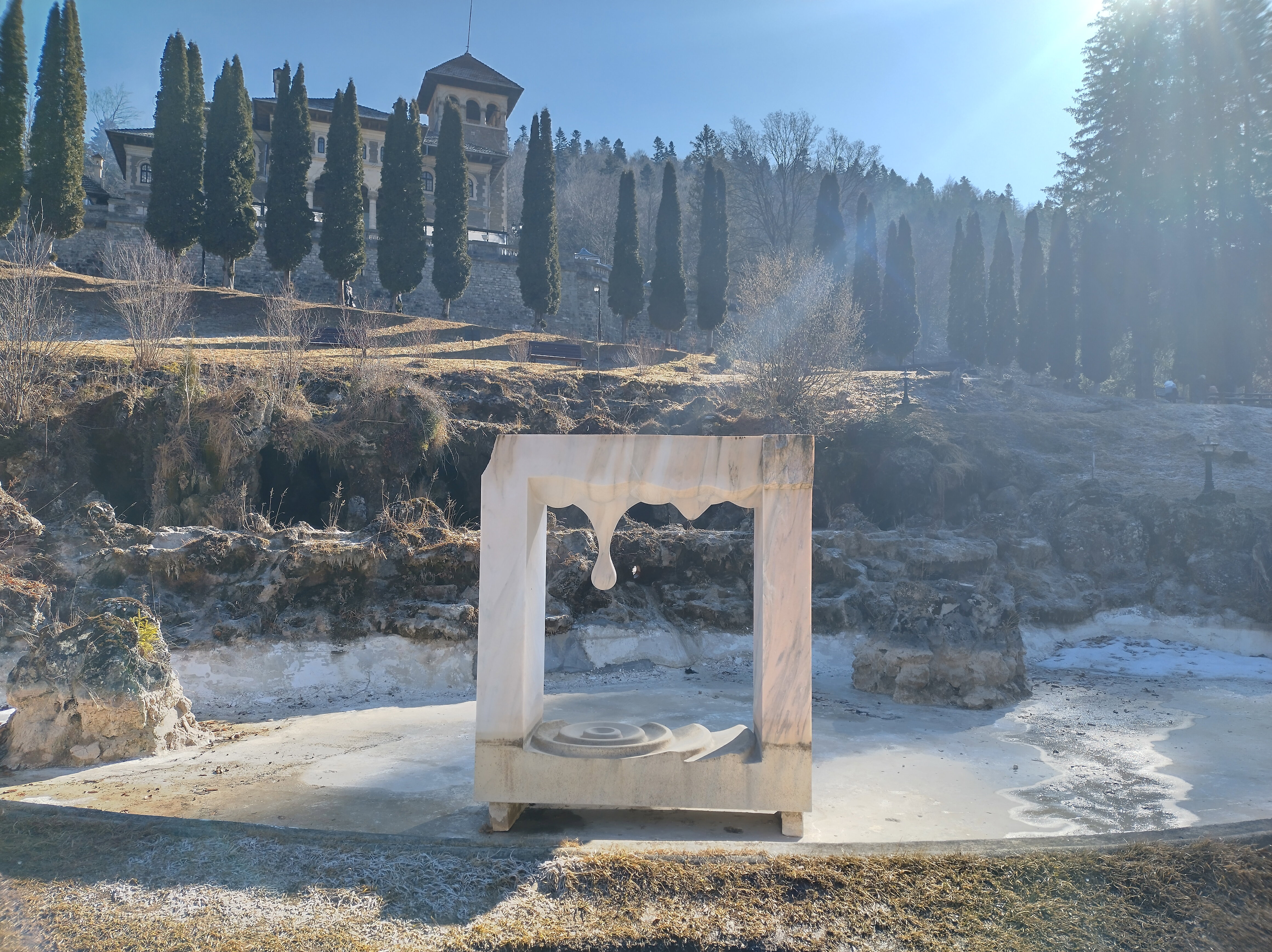
Un omagiu adus lui Brâncuși: Andrée Naegeler, Natural Passage // A tribute to Brâncuși: Andrée Naegeler, Natural Passage
Deși aveam în plan o nouă vizită aici și de data asta, în cea de-a doua zi, ploaia ne-a ținut mai aproape de cazare și, de data asta, am sărit acest obiectiv, deși ne-ar fi plăcut să vedem și noua expoziție.
Although we had planned to visit again this time, on the second day, the rain kept us closer to our accommodation and, this time, we skipped this stop, even though we would have liked to see the new exhibition as well.

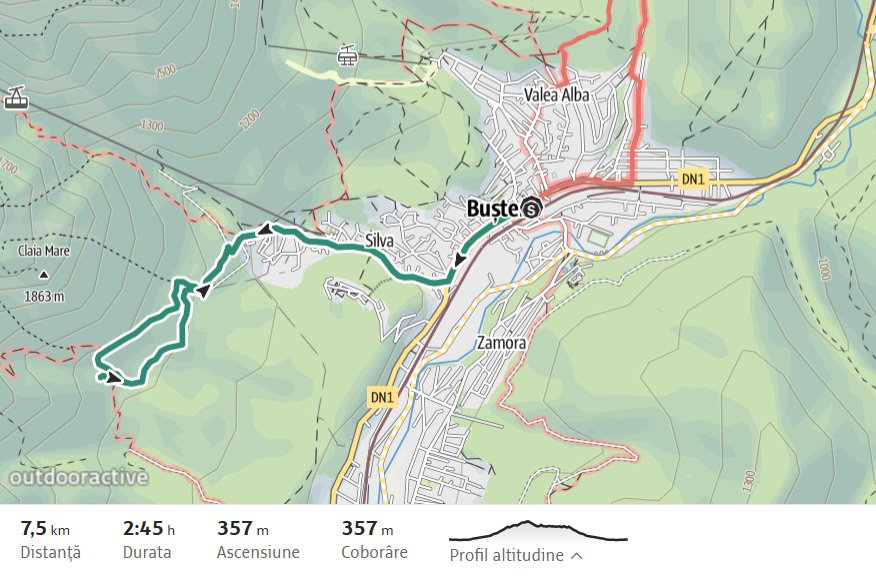
Ziua 1. Data trecută, după ce am vizitat castelul, am trecut direct peste calea ferată și am urcat până la Cascada Urlătoarea pe traseul marcat cu punct roșu, care pornește de la Telecabina Bușteni.
Day 1. Last time, after visiting the castle, we crossed directly over the railway and climbed to Urlătoarea Waterfall on the red dot trail, which starts from the Bușteni Cable Car.
Acum, în prima zi efectivă de ședere, am pornit cu rucsacuri cu haine în straturi, batoane proteice, apă cu săruri rehidratante și, cel mai important!, cu bețe de drumeție, pe o rută diferită, care pleacă direct din Poiana Țapului.
This time, on our first full day there, we set off with backpacks packed with layered clothing, protein bars, water with rehydration salts and, most importantly, trekking poles, following a different route directly from Poiana Țapului.
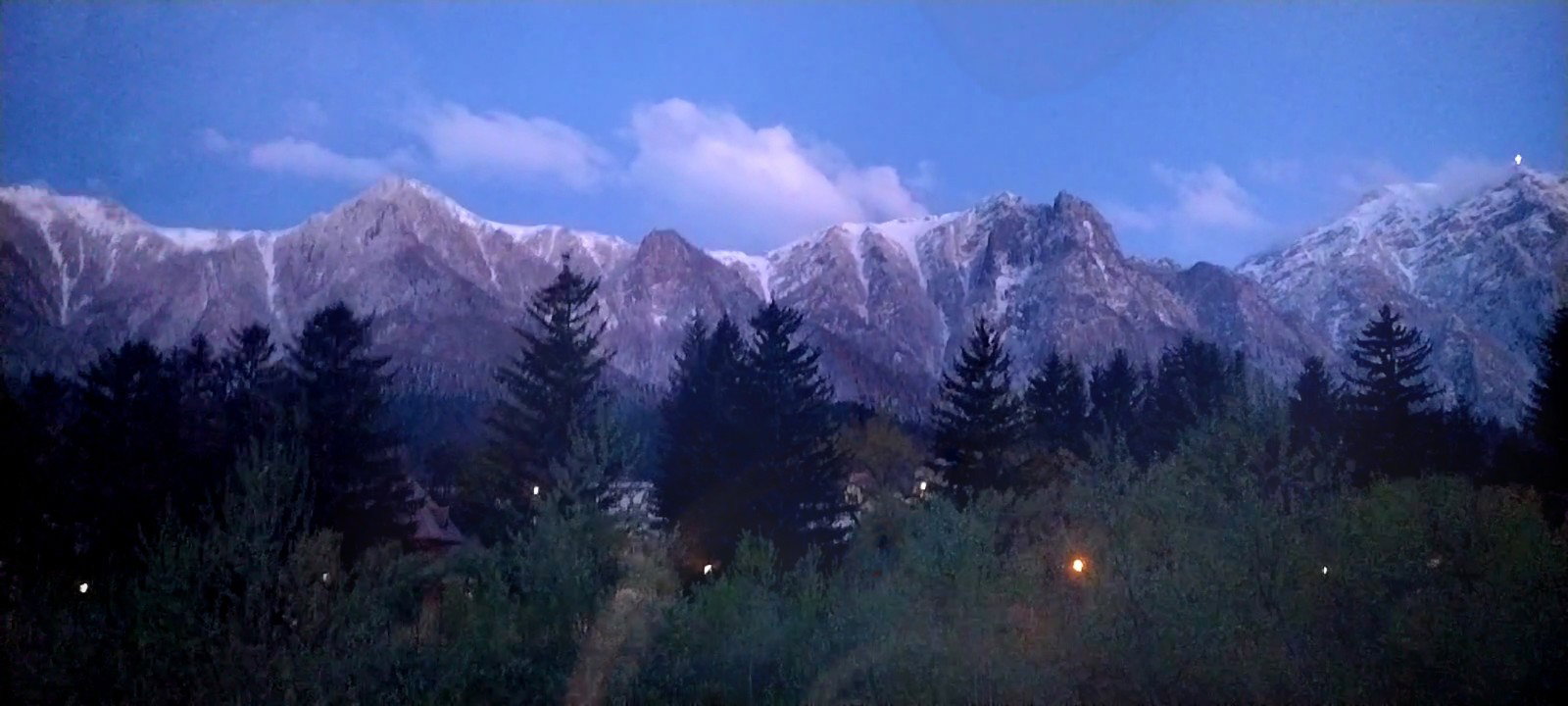
Bucegii, în crepusculul dimineții // The Bucegi Mountains in the morning twilight
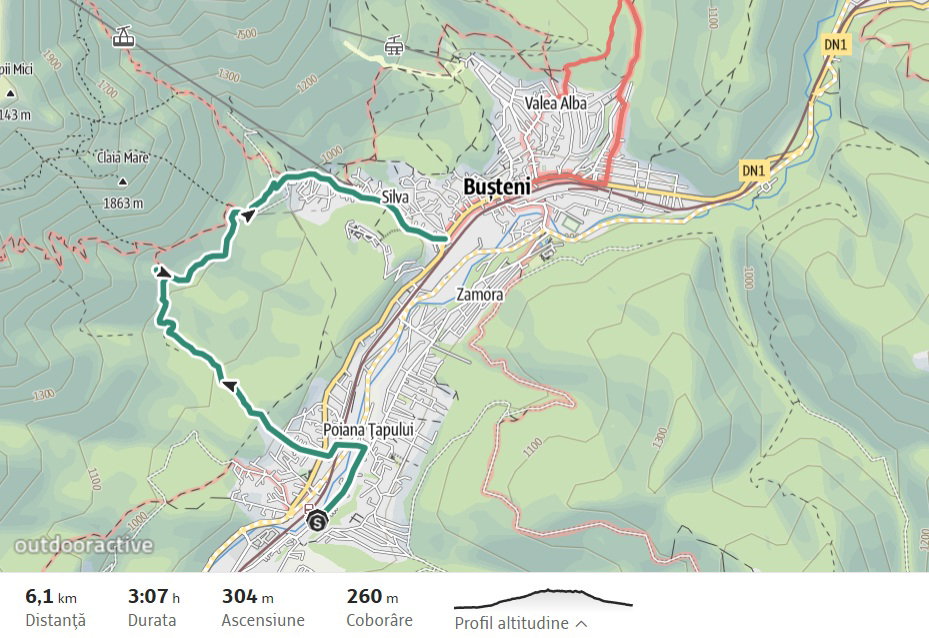
După cam 1.5 km de urcare ușoară pe asfalt, parcurși în aproximativ o jumătate de oră, am ajuns la baza potecii care urcă, prin pădure, pe Muntele Jepii Mici, până la Cascada Urlătoarea, pe traseul marcat cu punct albastru.
After about 1.5 km of gentle uphill walking on asphalt, covered in roughly half an hour, we reached the start of the path that climbs through the forest, on Mount Jepii Mici, towards Urlătoarea Waterfall, following the blue dot trail.
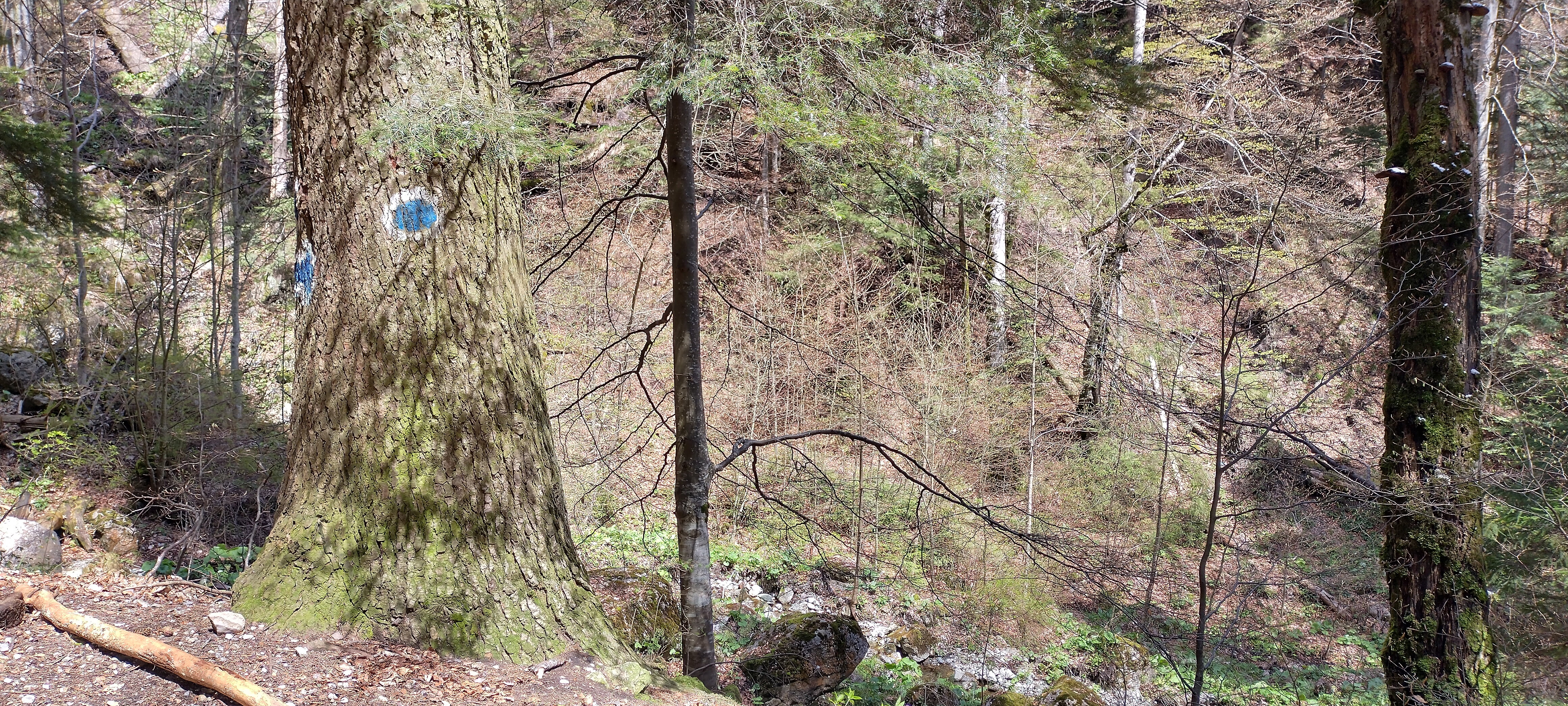
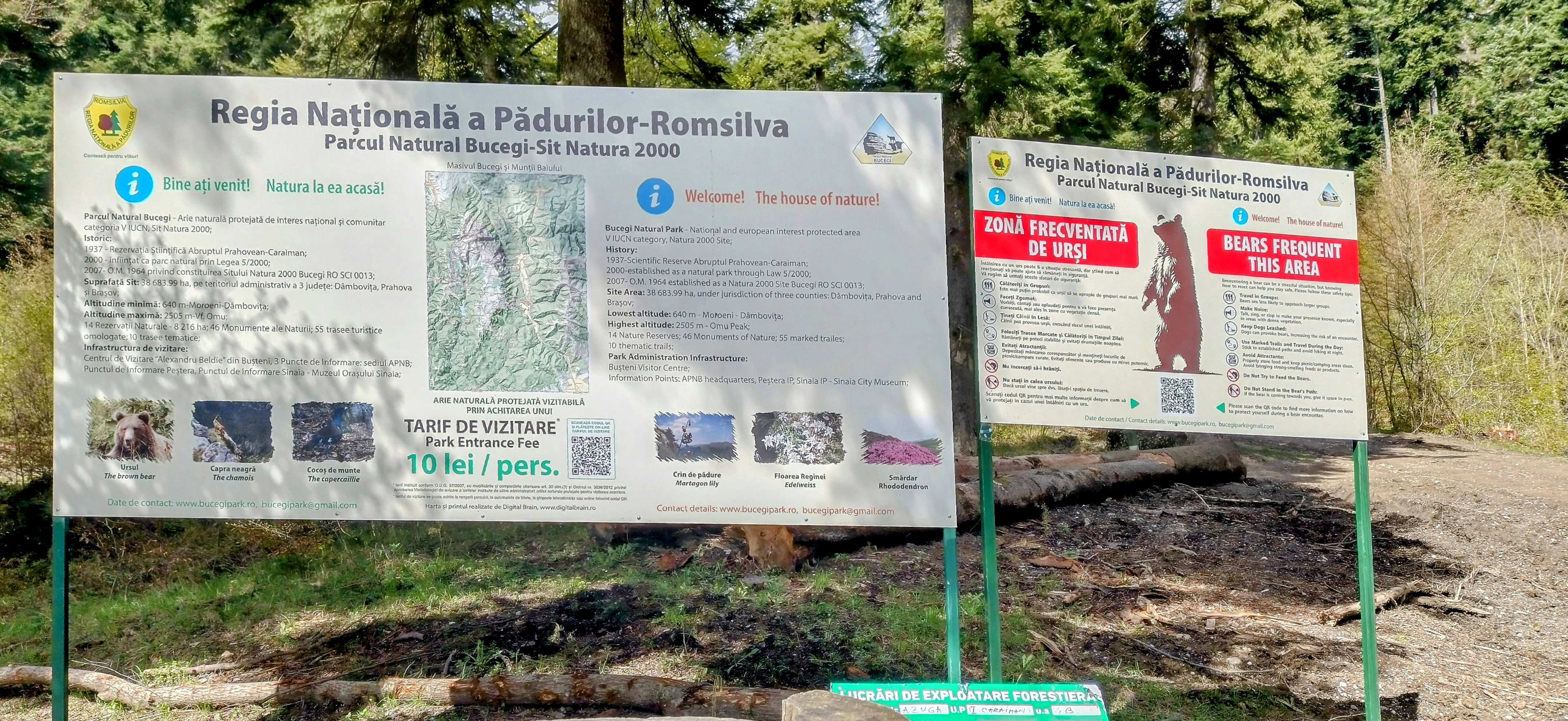
Aici, la intrarea în pădure, am achitat și taxa de parc, prin scanarea codului QR cu telefonul.
Here, at the entrance to the forest, we also paid the park fee by scanning the QR code with our phone.
Pe traseu am găsit și mici comori: de la floricele de munte, atât de diferite de ce vedem la câmpie, până la covoare de mușchi verde-neon sau pietricele cu fire de mică. Acestea dau farmecul Bucegilor!
Along the trail, we also found small treasures: from mountain flowers, so different from what we see in the plains, to carpets of neon-green moss or tiny stones threaded with mica. These are what give the Bucegi Mountains their charm!
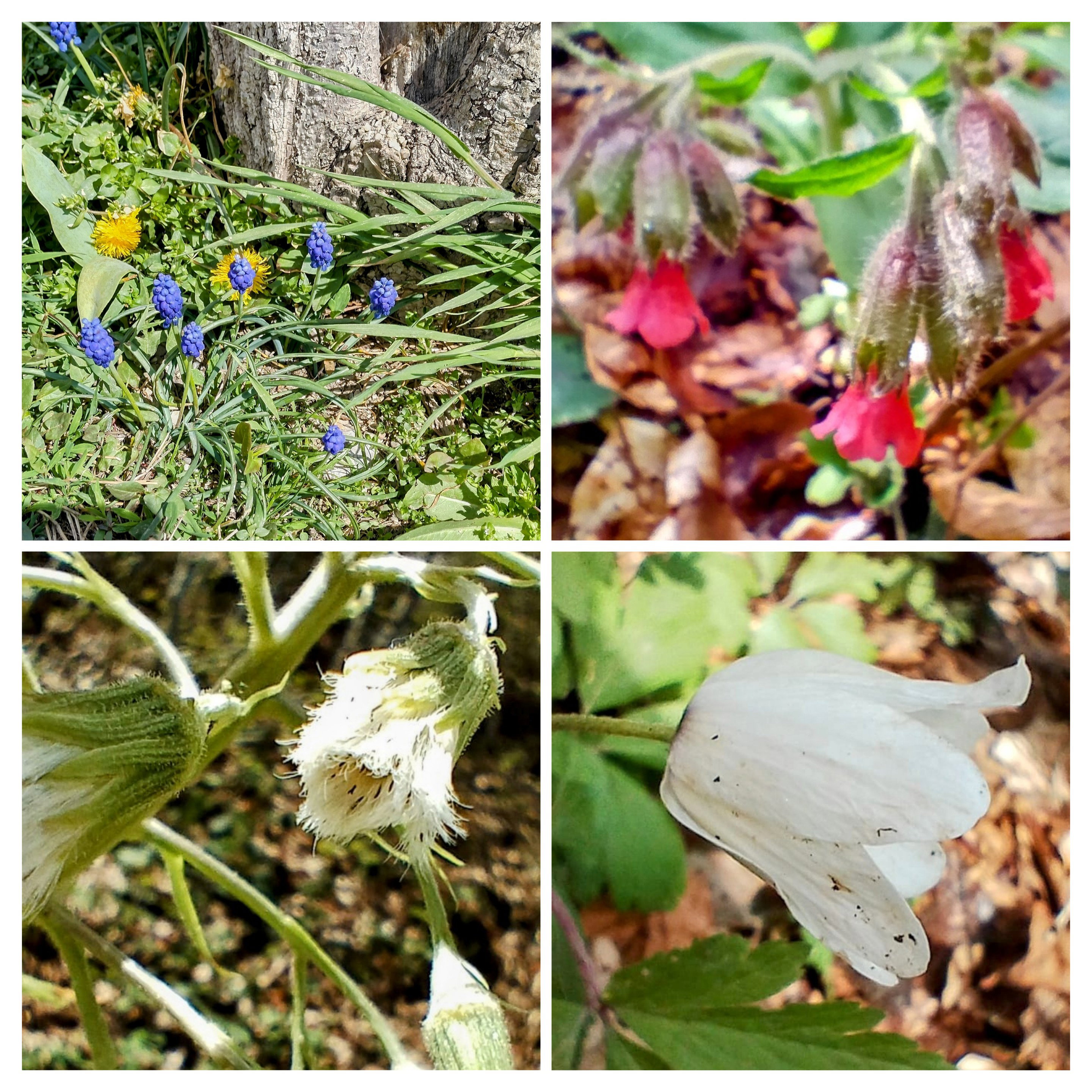
Din stânga sus, în sensul acelor de ceasornic: ceapa-ciorii (Muscari neglectum), plămânărică (Pulmonaria rubra), păștiță (Anemone nemorosa); planta albă, pufoasă - neidentificată, dar frumoasă // From the top left, clockwise: grape hyacinth (Muscari neglectum), red lungwort (Pulmonaria rubra), wood anemone (Anemone nemorosa); the fluffy white plant — unidentified, but beautiful
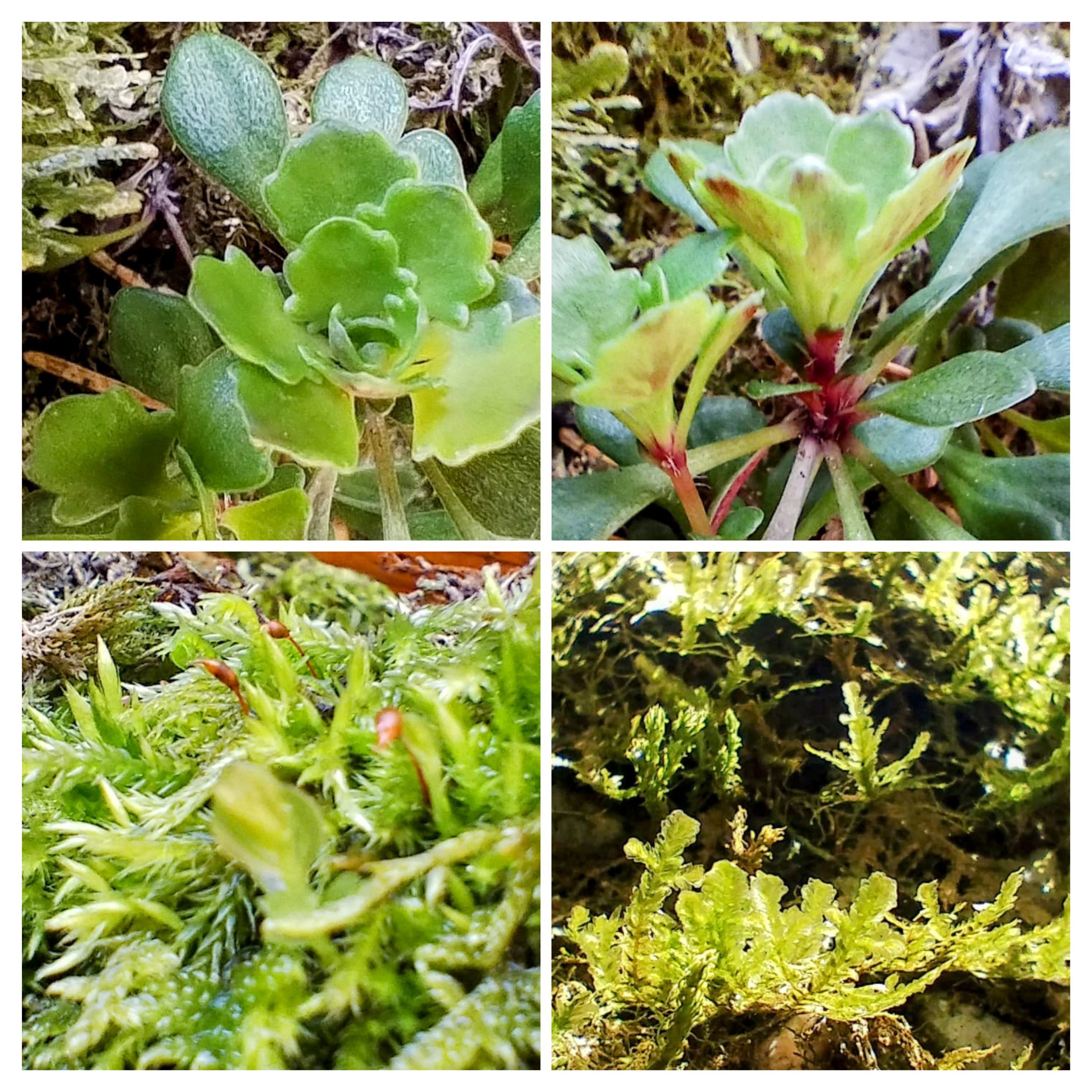
Verdeață suculentă // Lush greenery
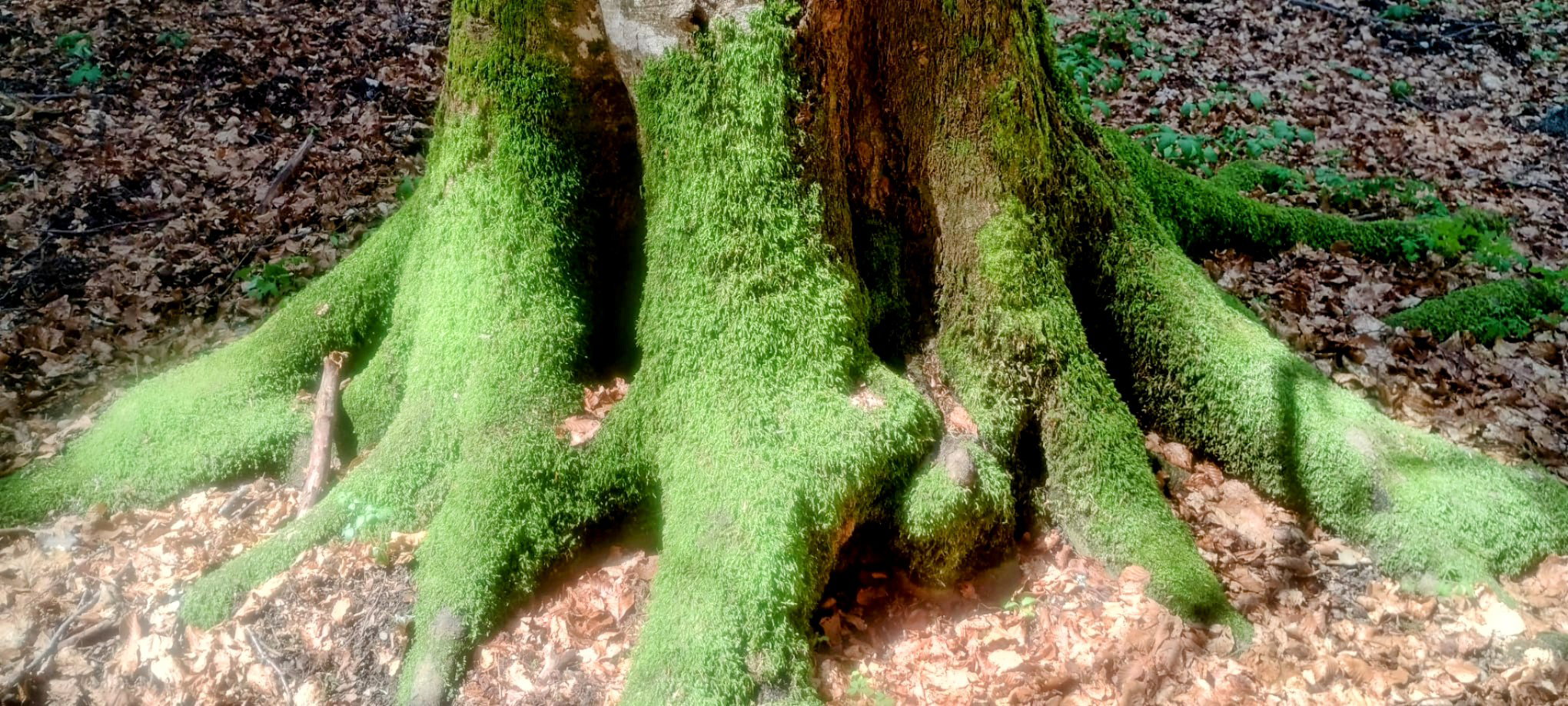
Mușchi // Moss
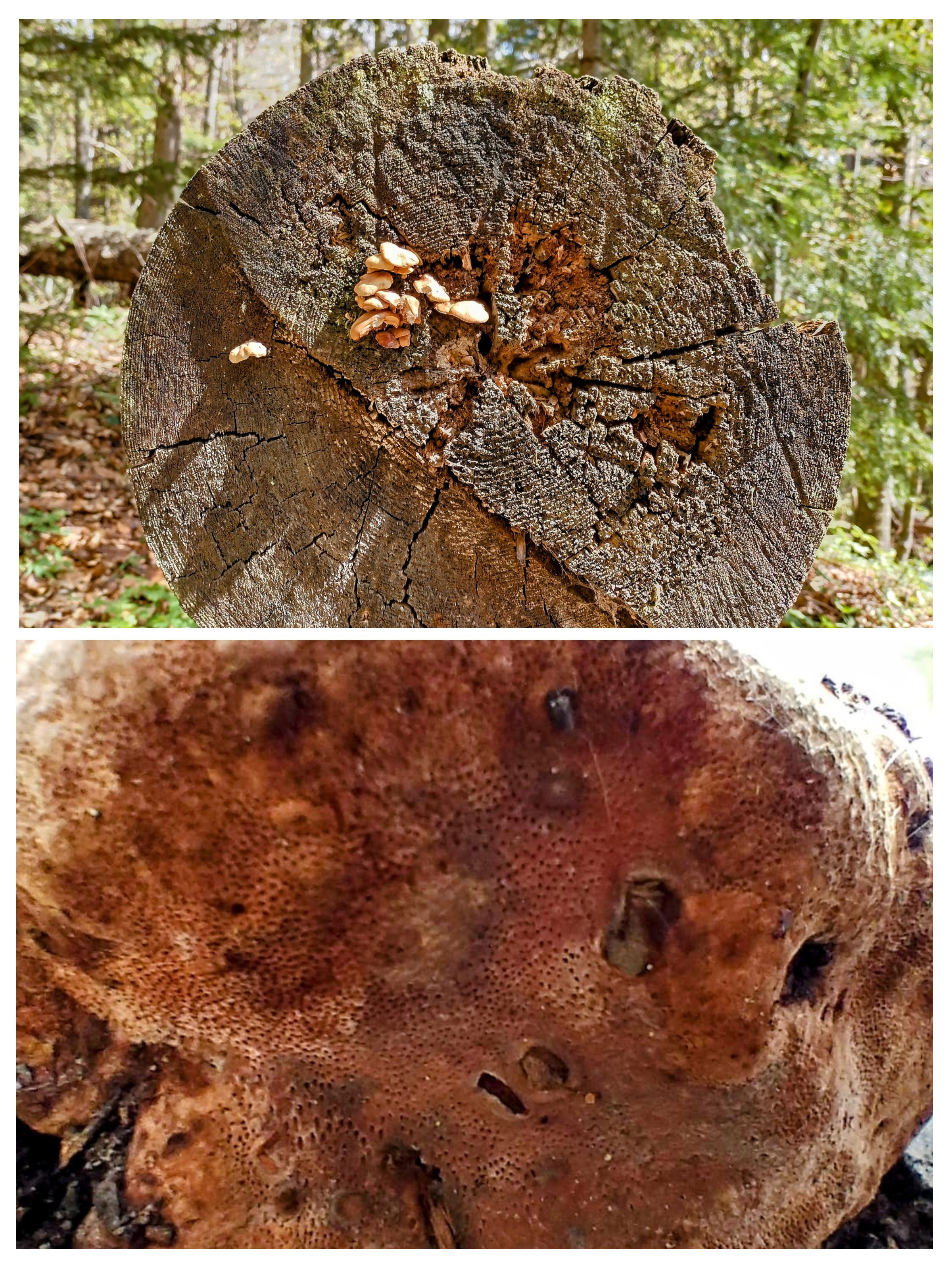
Ciuperci, mici sau mari // Fungi, small or big
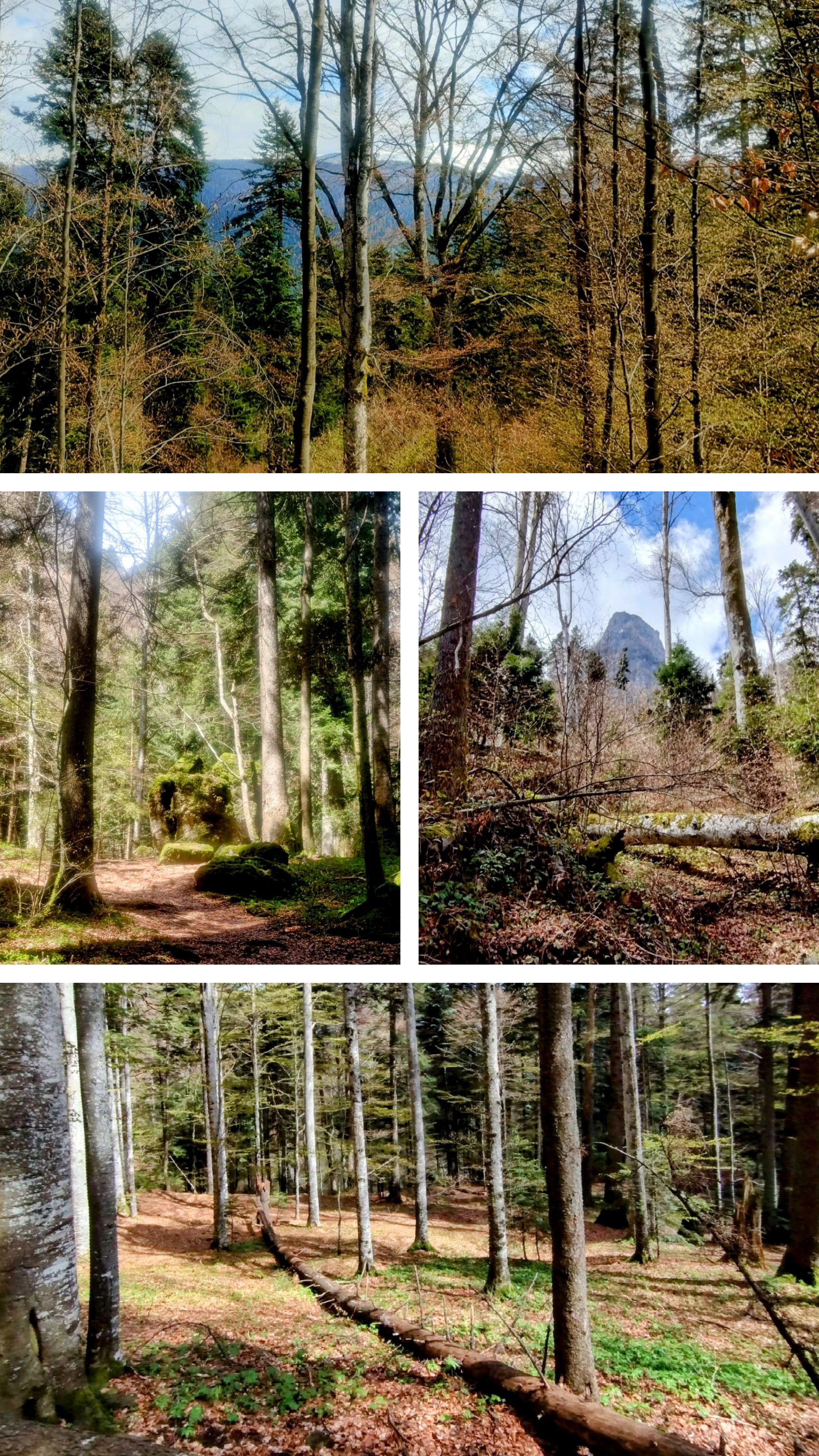
Copaci cât vezi cu ochii // Trees as far out as one can see
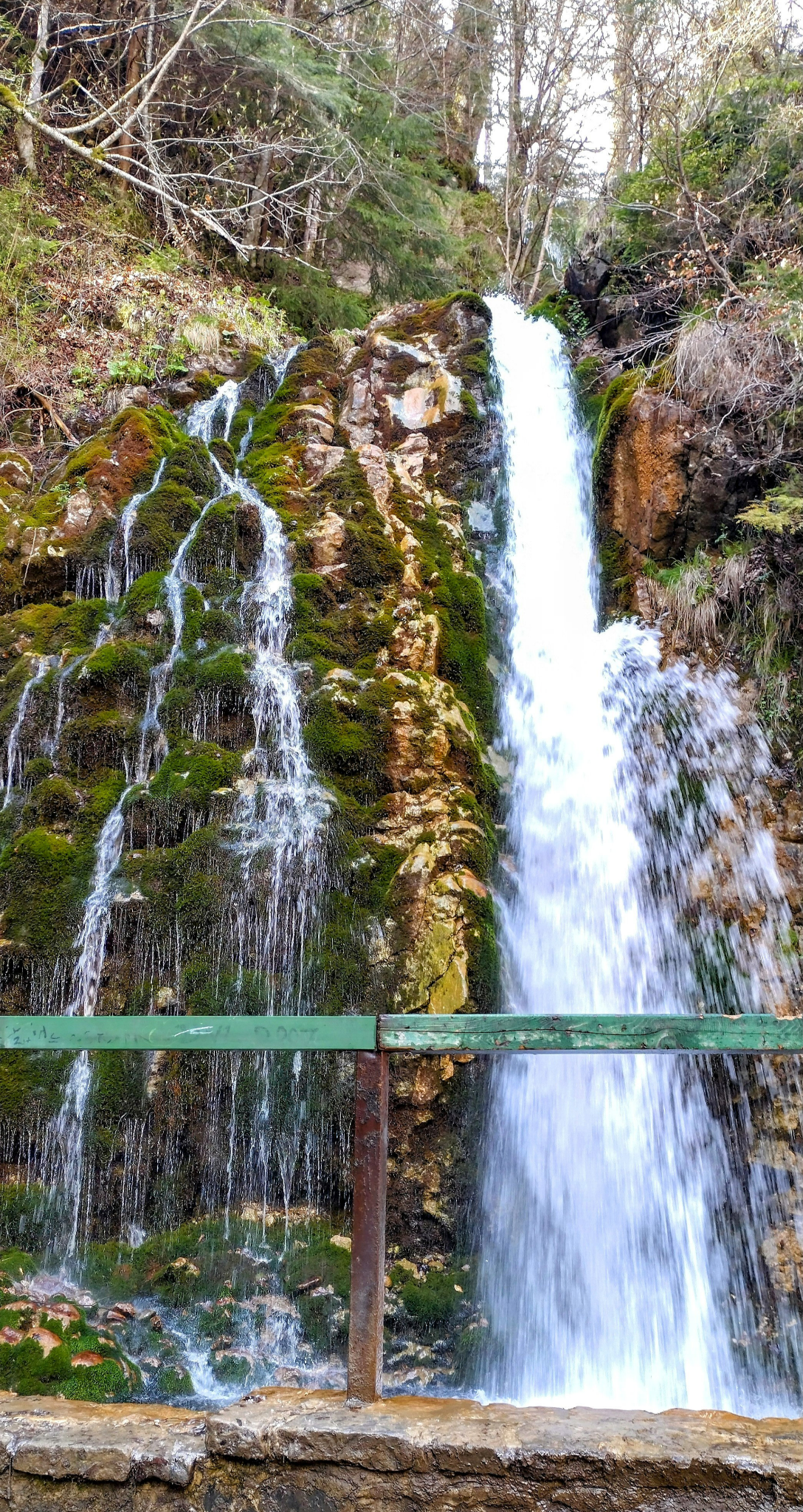
Am continuat apoi până la cascadă, unde am făcut și un mic popas înainte de a coborî.
Cascada Urlătoarea, aflată pe versantul estic al Munților Bucegi, la poalele Jepilor, este una dintre cele mai cunoscute și vizitate cascade din acest masiv. Se află la o altitudine de aproximativ 1.125 m și are o cădere de apă de circa 15 m, iar numele îi vine de la zgomotul puternic produs de apa care se prăvălește. Apele cascadei se formează prin întâlnirea Văii Comorilor cu Urlătoarea Mică.
Legenda cascadei vorbește despre o păstoriță frumoasă, copilă a Jepilor bătrâni, de care s-au îndrăgostit doi frați ciobani. Fără să știe unul de dragostea celuilalt, cei doi au încercat, într-o zi neguroasă, să o urmărească și să o prindă. Speriată de apariția lor, fata a scos un strigăt deznădăjduit și s-a aruncat de pe stânci. Cei doi ciobani ar fi rămas împietriți pe vecie, transformați în stâncile care străjuiesc cascada, iar păstorița s-ar fi prefăcut în căderea de apă argintie, care plânge neîncetat printre pietre.
We then continued to the waterfall, where we also took a short break before descending.
Urlătoarea (Howling) Waterfall, located on the eastern slope of the Bucegi Mountains, at the foot of the Jepi, is one of the best-known and most visited waterfalls in this massif. It lies at an altitude of approximately 1,125 metres and has a drop of around 15 metres, while its name comes from the powerful sound made by the falling water. The waterfall is formed by the meeting of Valea Comorilor and Urlătoarea Mică.
The legend of the waterfall tells of a beautiful shepherdess, child of the old Jepi Mountains, with whom two shepherd brothers fell in love. Without either knowing of the other’s feelings, the two tried, on a misty day, to follow her and catch her. Frightened by their appearance, the girl let out a desperate cry and threw herself from the rocks. The two shepherds are said to have remained petrified forever, transformed into the rocks that guard the waterfall, while the shepherdess turned into the silvery fall of water, weeping endlessly among the stones.
Ne-am continuat apoi drumul spre Bușteni pe traseul marcat cu punct roșu, același pe care urcaserăm data trecută - greu la deal, ușor la vale!
Vă invităm să parcurgeți aceste trasee spre și de la Cascada Urlătoarea alături de noi, urmărind și clipul de mai jos.
We then continued towards Bușteni on the red dot trail, the same one we had climbed last time — hard going up, easy going down!
We invite you to follow these trails to and from Urlătoarea Waterfall with us by watching the video below.
Pe drum ne-am mai amăgit foamea cu câte un baton proteic, pentru că voiam să urcăm cu telecabina pe platoul Babele și, astfel, am amânat prânzul, pe fondul unei ușoare anxietăți legate de timp.
Înainte de a trece mai departe, trebuie menționat că, deși pe platoul Babele se urcă cu telecabina din Bușteni, culmea Bucegilor constituind granița naturală dintre Bușteni, PH, și Moroeni, DB, acesta se află pe teritoriul comunei Moroeni. Această graniță a fost, de altfel, și obiectul unei lungi dispute între localități.
Along the way, we kept hunger at bay with a protein bar each, because we wanted to take the cable car up to the Babele plateau and therefore postponed lunch, against the background of a slight time-related anxiety.
Before moving on, it should be mentioned that although the Babele plateau is reached by cable car from Bușteni, with the ridge of the Bucegi Mountains forming the natural border between Bușteni, PH, and Moroeni, DB, the plateau itself lies within the territory of Moroeni commune. This border has, in fact, also been the subject of a long-standing dispute between the localities.
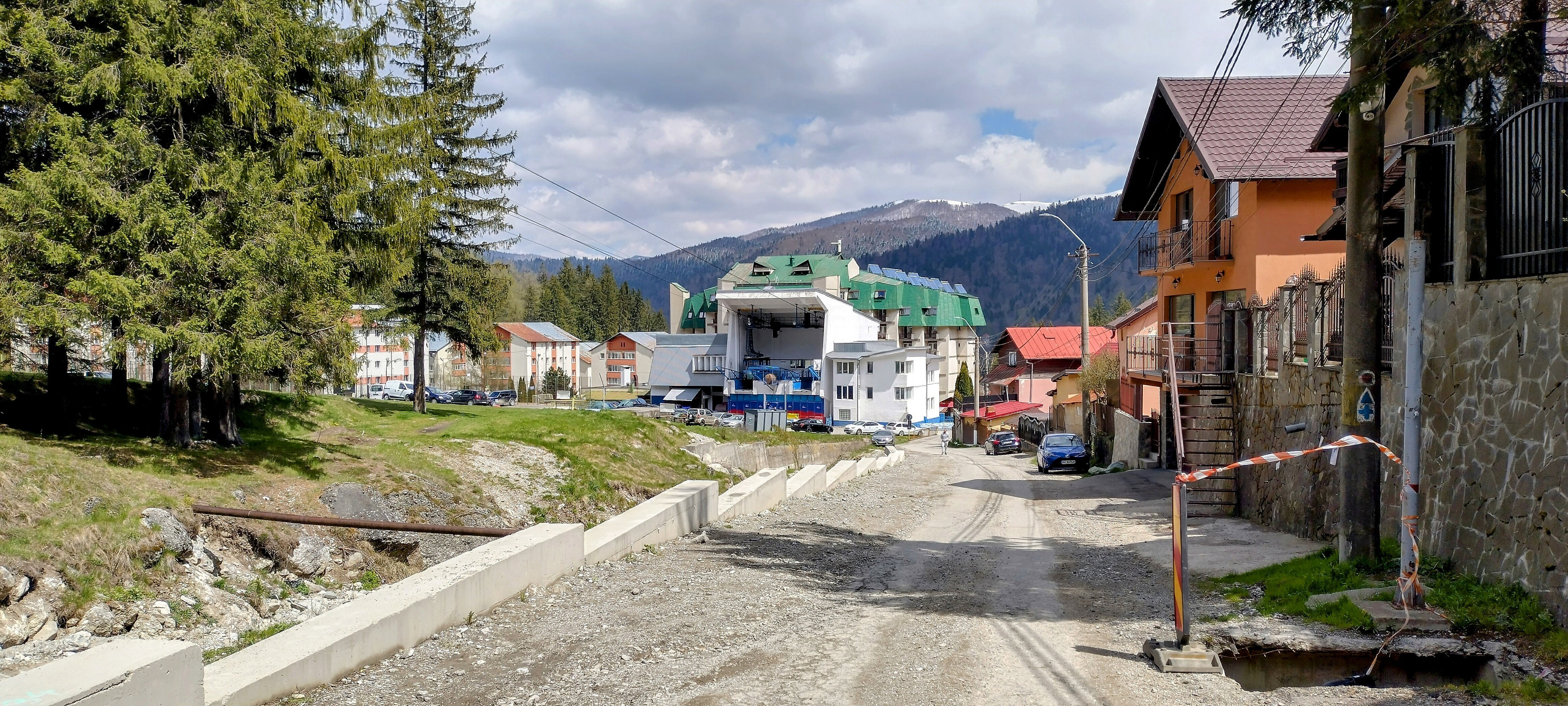
Spre telecabină // Towards the cable car
Telecabina Bușteni–Babele este una dintre cele mai importante construcții de transport pe cablu din România, realizată în contextul dezvoltării turismului montan din anii 1960–1970, cu proiectare italiană și execuție românească, prin structuri specializate de construcții miniere. Traseul are 4.350 m, urcă de la Bușteni la platoul Bucegilor, cu o diferență de nivel de peste 1.200 m, și a presupus lucrări dificile pe teren accidentat, fundații complexe, piloni amplasați în zone expuse și transport dificil al materialelor. Construcția s-a desfășurat etapizat, în principal între 1974 și 1977, iar telecabina a fost inaugurată în august 1978, facilitând accesul turiștilor spre Babele, Crucea Caraiman, Peștera și Vârful Omu.
The Bușteni–Babele cable car is one of the most important cable transport constructions in Romania, built in the context of the development of mountain tourism in the 1960s and 1970s, with Italian design and Romanian execution through specialised mining construction structures. The route is 4,350 metres long, climbing from Bușteni to the Bucegi plateau, with an elevation gain of over 1,200 metres, and required difficult work on rugged terrain, complex foundations, pylons placed in exposed areas and the challenging transport of materials. Construction took place in stages, mainly between 1974 and 1977, and the cable car was inaugurated in August 1978, facilitating tourist access towards Babele, the Caraiman Cross, Peștera and Omu Peak.
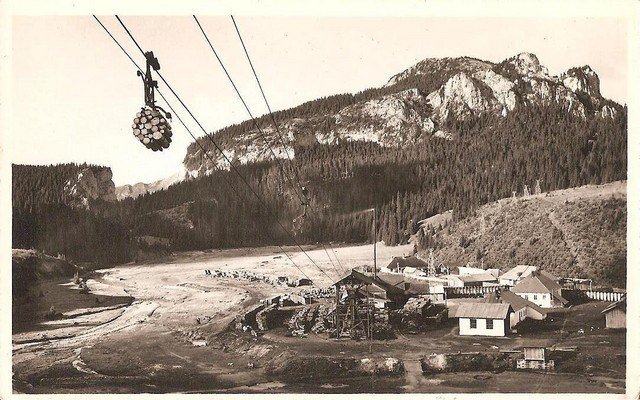
Înainte de telecabină // Before the cable car
Telecabina din Bușteni este un fenomen, prin lungime, înălțime, peisajele care îți taie respirația și hopurile la pilonii de susținere, care ar speria, zic eu, pe oricine - măcar puțin. Dar este un fenomen și pentru că depinde de personalitatea capricioasă a vremii, fiind închisă în zilele cu vreme rea: înnorată, vântoasă. Noi am avut norocul de pe lume, căci din cele două zile și jumătate petrecute la Bușteni, doar în această primă zi a fost perfect senin, așa că n-am mai amânat și am urcat în telecabină.
Mai jos este experiența noastră pe întreaga durată a urcușului cu telecabina, dar și pe platoul Bucegi, care, într-o frumoasă zi de primăvară, era acoperit de zăpadă până aproape de genunchi în anumite zone.
The cable car in Bușteni is quite something: because of its length, its height, the breathtaking landscapes, and the jolts at the support towers, which would scare, I think, just about anyone — at least a little. But it is also quite something because it depends on the capricious personality of the weather, being closed on bad-weather days: cloudy, windy. We were incredibly lucky, because out of the two and a half days we spent in Bușteni, only this first day was perfectly clear, so we did not postpone it any longer and got into the cable car.
Below is our experience throughout the entire cable car ascent, as well as on the Bucegi plateau, which, on a beautiful spring day, was covered in snow almost up to the knees in some areas.
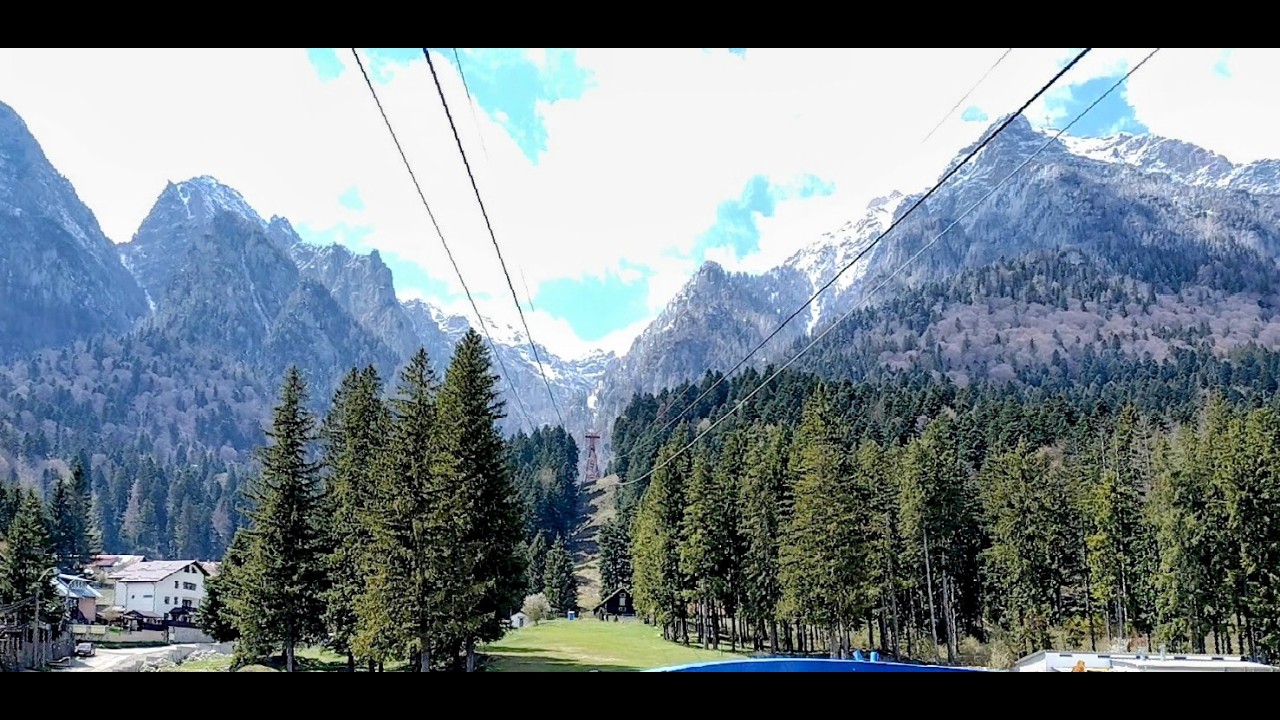
Urcăm pe Valea Jepilor Mici până sus de tot, acolo unde telecabina își face popasul pe platoul Babele.
We climb up along Valea Jepilor Mici all the way to the top, where the cable car makes its stop on the Babele plateau.
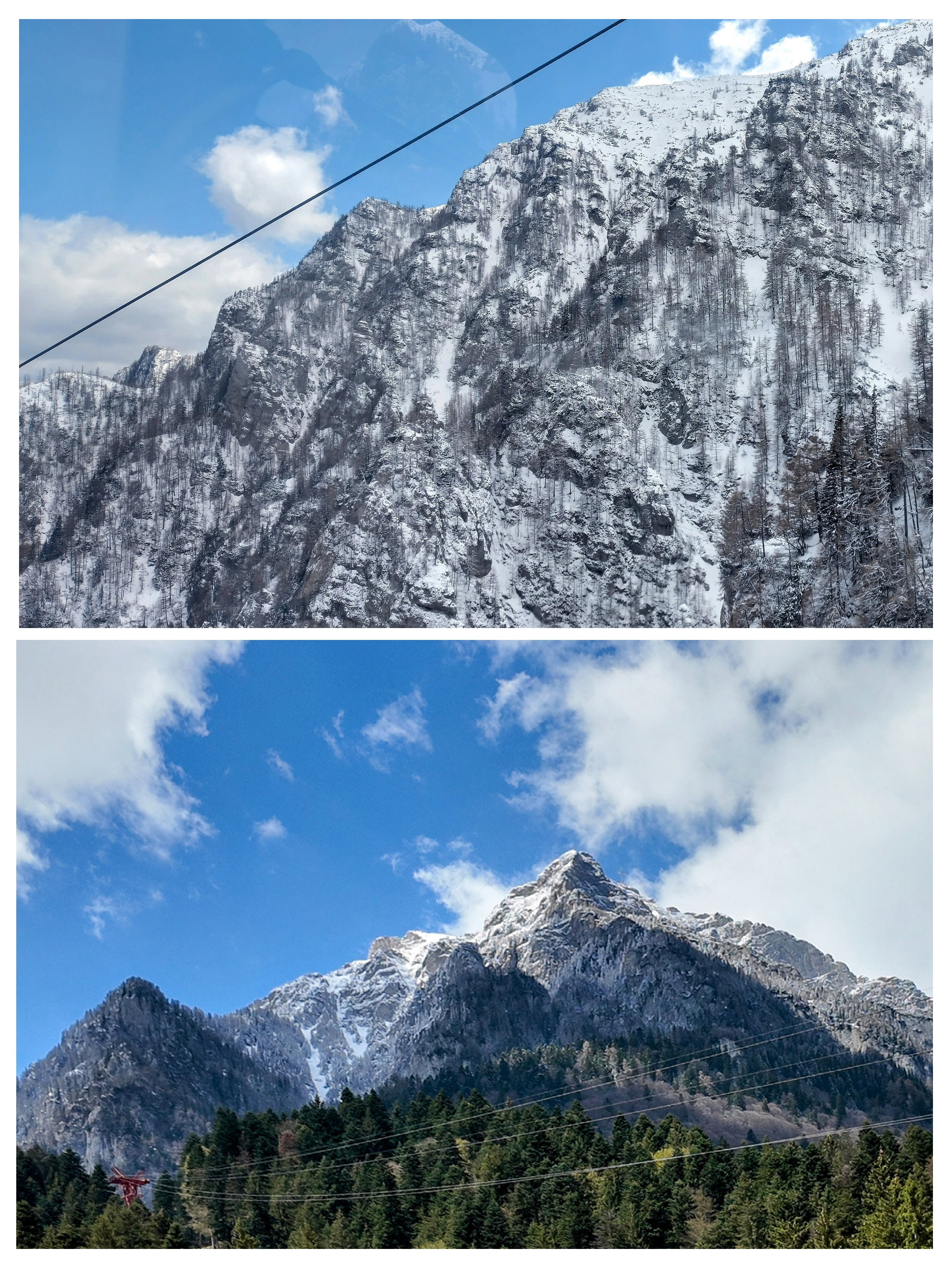
În stânga, Jepii Mici; în dreapta, Masivul Caraiman // On the left, Jepii Mici; on the right, the Caraiman Massif
Aici, pe platou, avem Cabana Babele, Babele, Moșii și Sfinxul și, de data asta, o cantitate enormă de zăpadă!
Babele și Sfinxul sunt două dintre cele mai cunoscute formațiuni stâncoase de pe platoul Bucegilor, aflate în apropierea Cabanei Babele și devenite repere majore ale turismului montan românesc. Ambele sunt alcătuite din conglomerate și s-au format prin dezagregare și eroziune diferențiată, sub acțiunea vântului, apei, înghețului și dezghețului, care au modelat în timp siluete spectaculoase: Babele, cu aspect de „ciuperci de piatră”, și Sfinxul, asemănător, privit din anumite unghiuri, unui cap uman. Situate la peste 2.200 m altitudine, aceste monumente naturale atrag numeroși turiști atât prin forma lor neobișnuită, cât și prin legendele și interpretările simbolice țesute în jurul lor. Accesul se face relativ ușor cu telecabina Bușteni–Babele sau, vara, pe trasee montane din Bușteni și de pe platou.
Here, on the plateau, we find Babele Chalet, Babele, Moșii and the Sphinx and, this time, an enormous amount of snow!
Babele and the Sphinx are two of the best-known rock formations on the Bucegi plateau, located near Babele Chalet and now major landmarks of Romanian mountain tourism. Both are made of conglomerates and were formed through weathering and differential erosion, under the action of wind, water, freezing and thawing, which over time shaped spectacular silhouettes: Babele, with the appearance of “stone mushrooms”, and the Sphinx, which, from certain angles, resembles a human head. Located at over 2,200 metres altitude, these natural monuments attract many tourists both through their unusual shapes and through the legends and symbolic interpretations woven around them. Access is relatively easy by the Bușteni–Babele cable car or, in summer, on mountain trails from Bușteni and across the plateau.
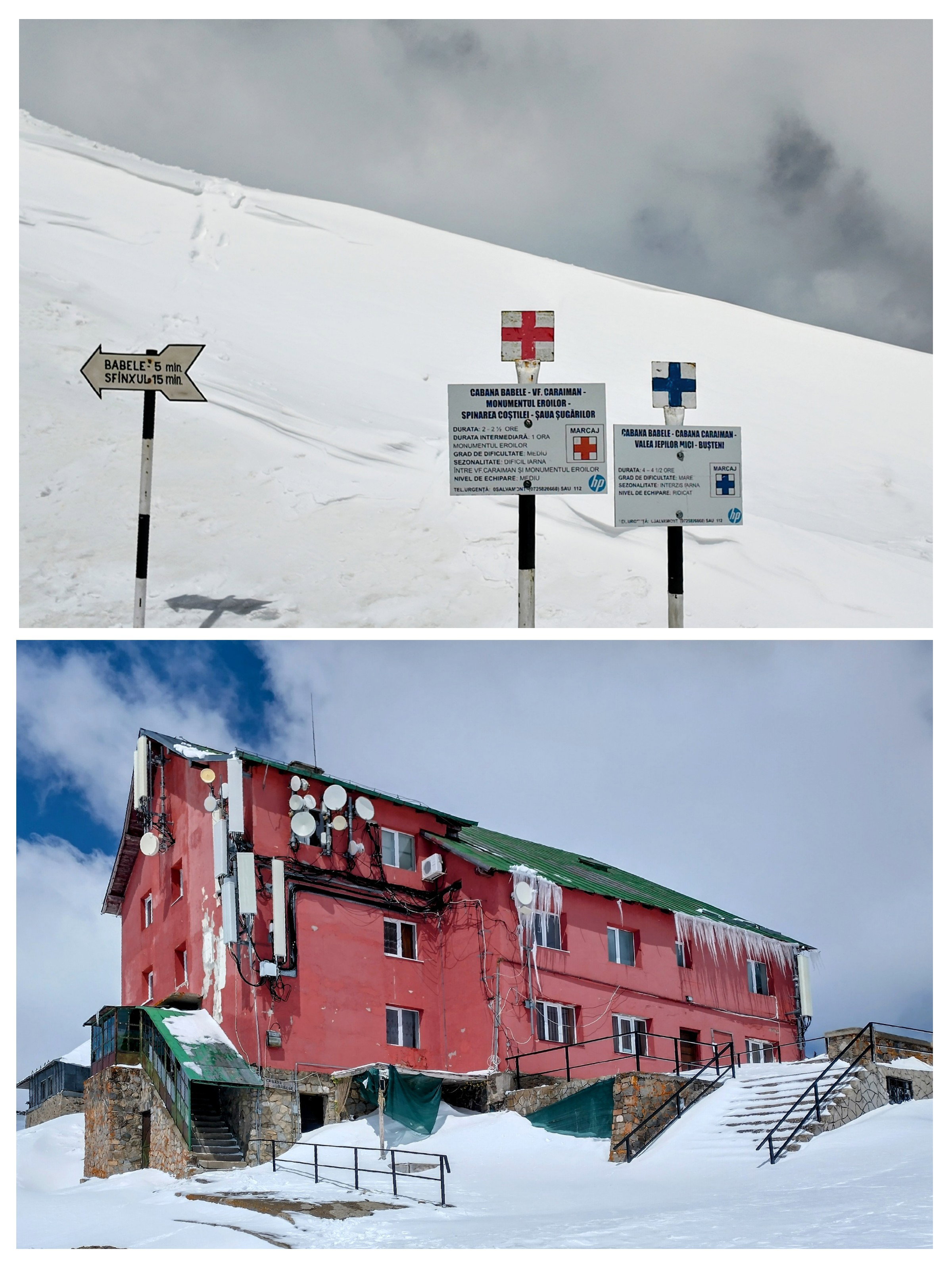
Pe traseu; cabana Babele // On route; the Babele Chalet
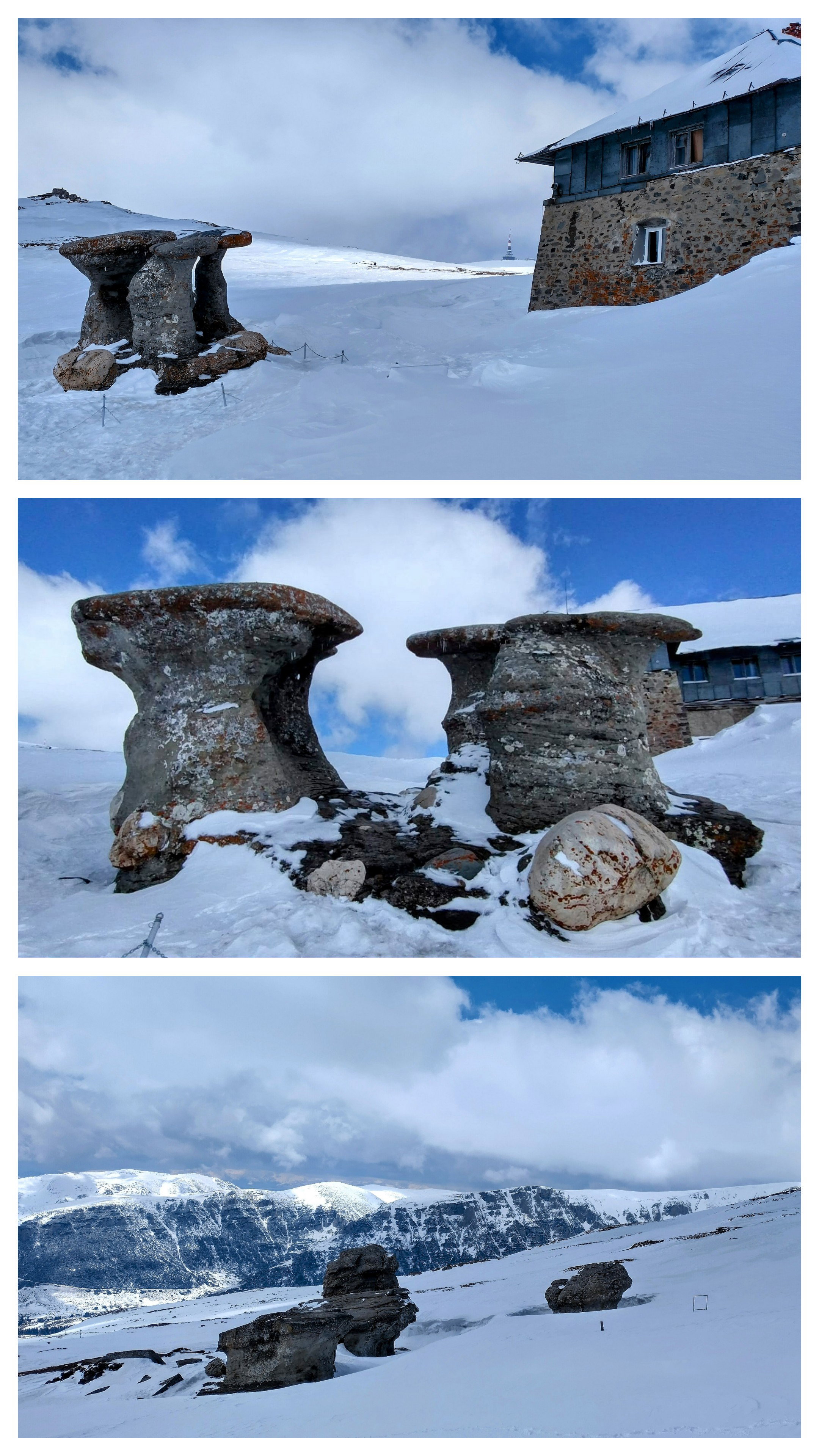
Babele și Moșii // The Babe and the Moși (grannies and grappies)
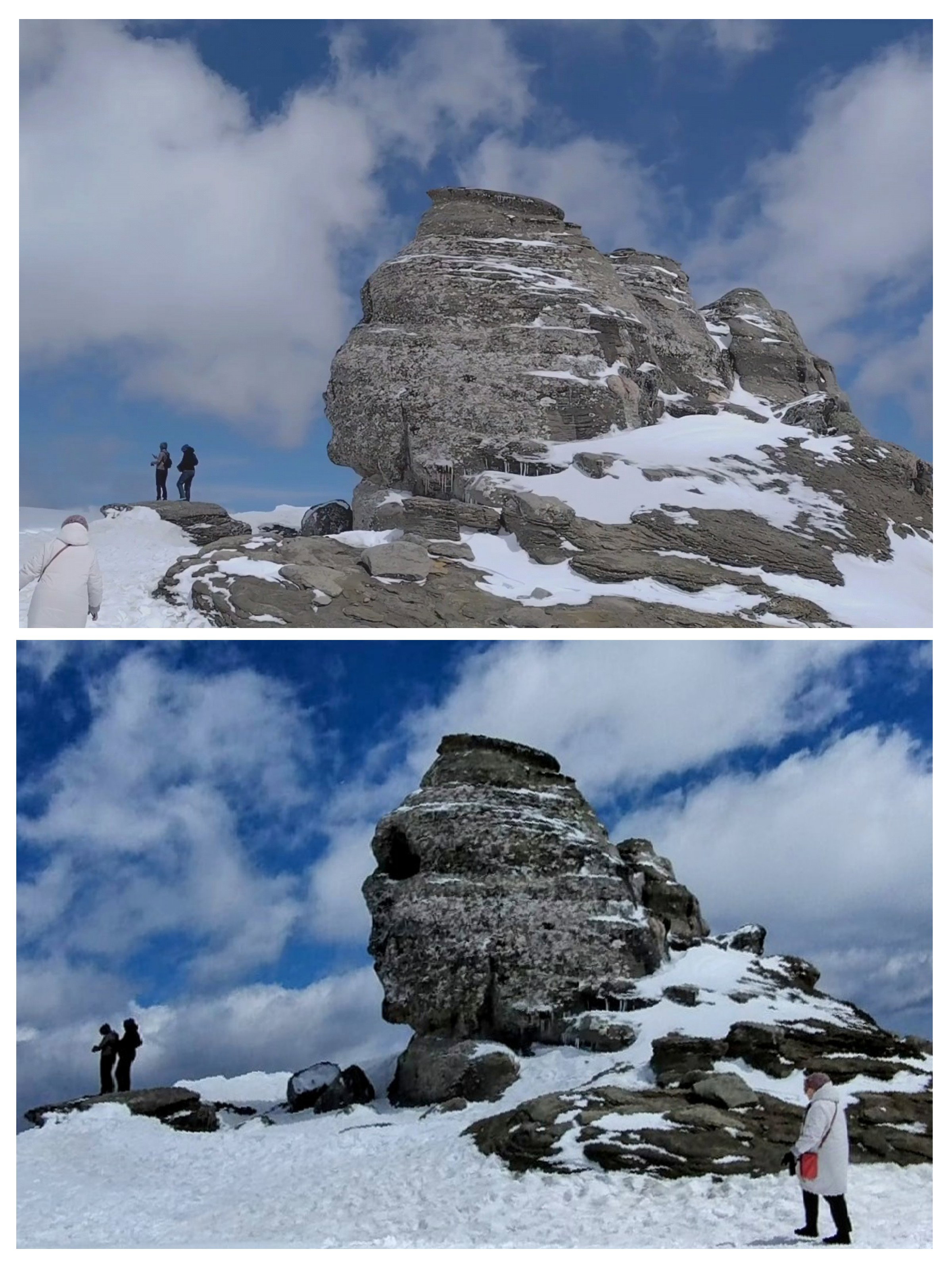
Sfinxul // The Sphynx
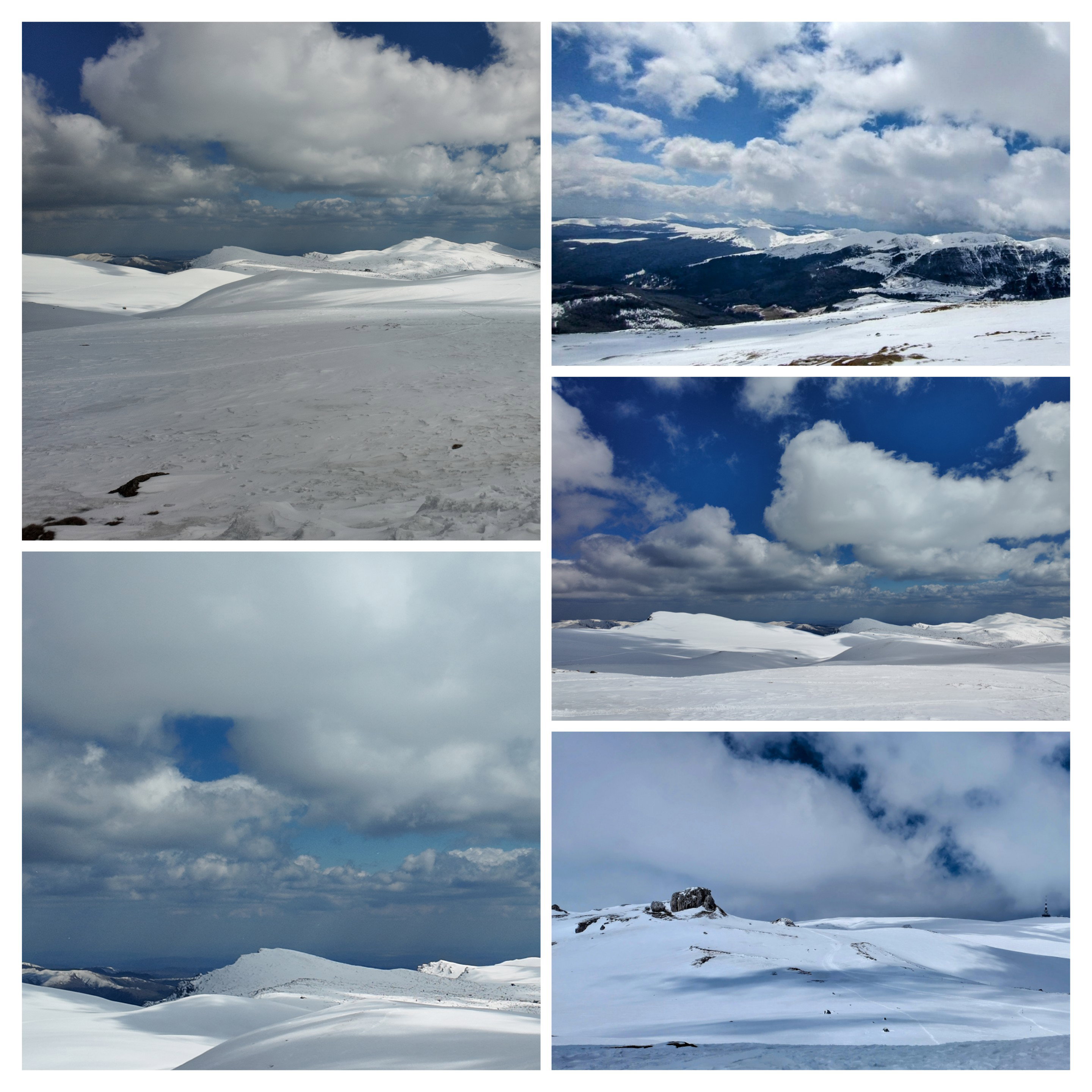
Lumini și umbre-amestecând... // Lights and shadows blending...
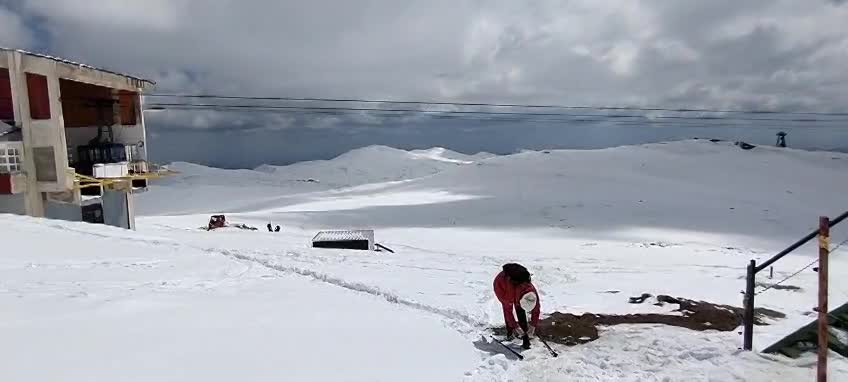
Zăpada nesfârșită // The endless snow
După ce explorăm ce este de explorat, coborâm spre Bușteni, unde ne oprim în primul restaurant și ne întâlnim cu un urs - din fericire, de lemn - la fel de hămesit ca noi!
După o masă copioasă, mai facem o ultimă plimbare pe ziua de azi, până la supermarket, de unde ne facem provizii pentru cabană, știind că urmează să fie o seară de regenerare, petrecută la cabană. Încărcați cu provizii, am luat un taxi până la cazare.
After exploring what there was to explore, we descended towards Bușteni, where we stopped at the first restaurant and met a bear — fortunately, a wooden one — just as ravenous as we were!
After a hearty meal, we took one last walk for the day, to the supermarket, where we stocked up for the cabin, knowing that a restorative evening spent there was ahead of us. Loaded with supplies, we took a taxi back to our accommodation.
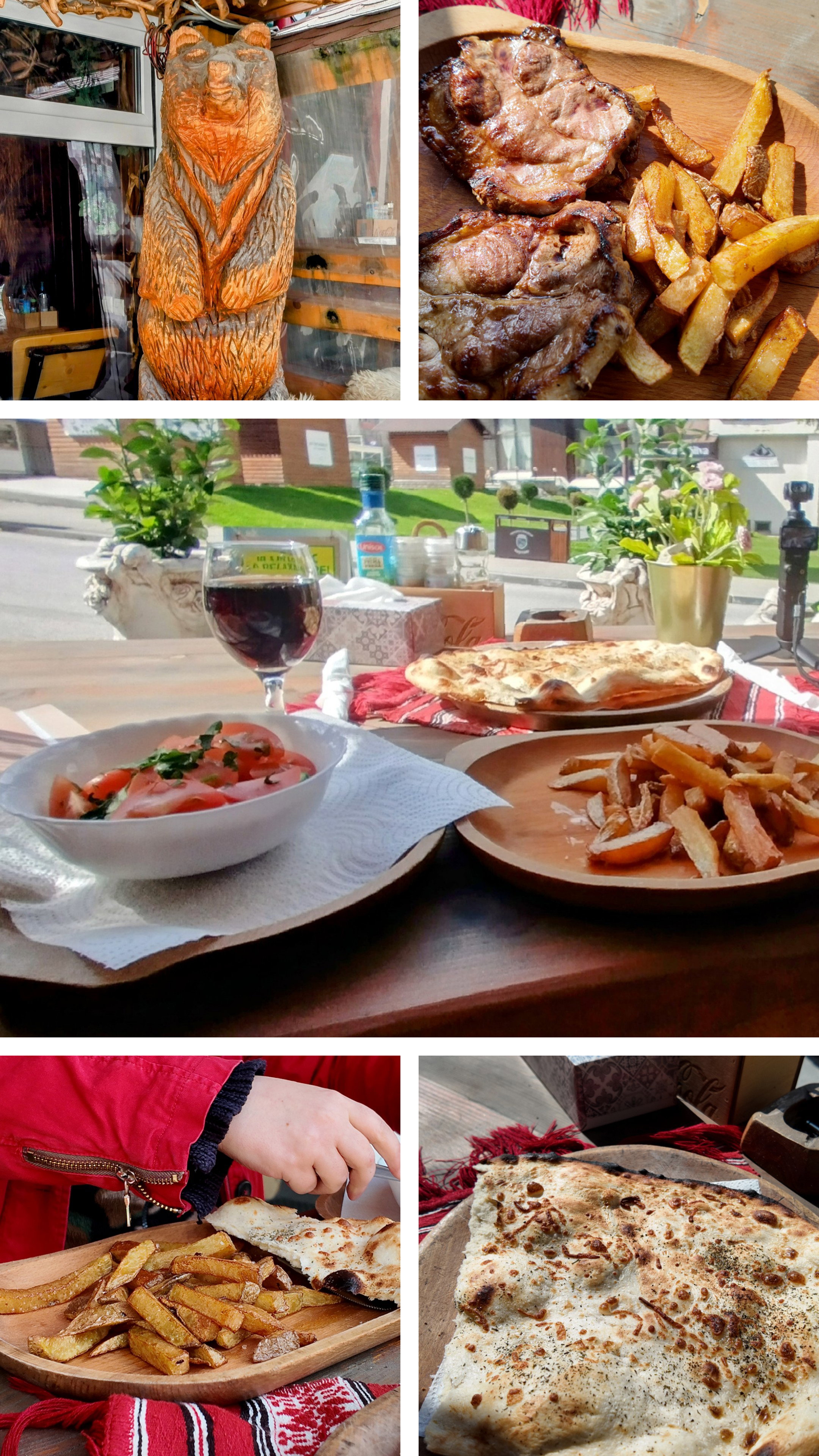
Sus: ursul și hrana sa - ceafă de porc cu cartofi prăjiți; de la mijloc în jos: varianta vegetariană, cu ceafa înlocuită de o delicioasă pită pe vatră și o salată de vară // Top: the bear and its food — pork neck with fries; from the middle down: the vegetarian version, with the pork neck replaced by delicious hearth-baked flatbread and a summer salad
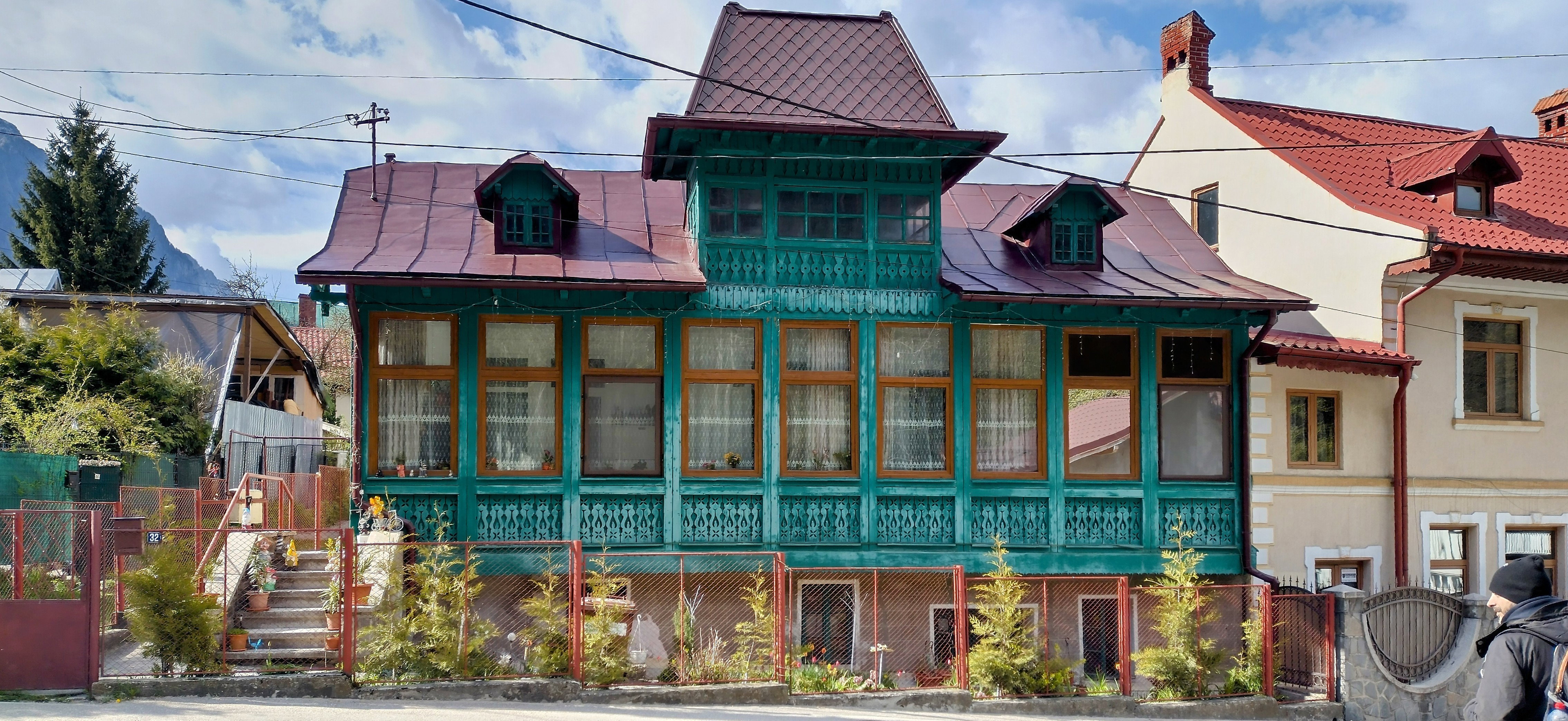
Înapoi spre civilizație: casă veche din Bușteni // Back towards civilisation: an old house in Bușteni
Ziua 2. În cea de-a doua zi aveam în plan să revedem Castelul Cantacuzino în drumul nostru spre vârful Zamora, de pe muntele cu același nume. Toată ziua a fost însă mohorâtă, cu ploi sporadice și nori grei, iar noi ne resimțeam încă, puțin - mult mai puțin decât prima dată!, după traseul din ziua precedentă. Am pornit, astfel, pe o fereastră dintre ploi și ne-am încumetat la o plimbare lină, în direcția opusă celei abordate ieri. Vedeți în clipul de mai jos scurta noastră incursiune.
Day 2. On the second day, we had planned to revisit Cantacuzino Castle on our way to Zamora Peak, on the mountain of the same name. The whole day, however, was gloomy, with sporadic rain and heavy clouds, and we were still feeling the effects — a little, much less than the first time! — of the previous day’s trail. So we set off during a break between showers and ventured out on a gentle walk, in the opposite direction from the one we had taken the day before. You can watch our short outing in the video below.
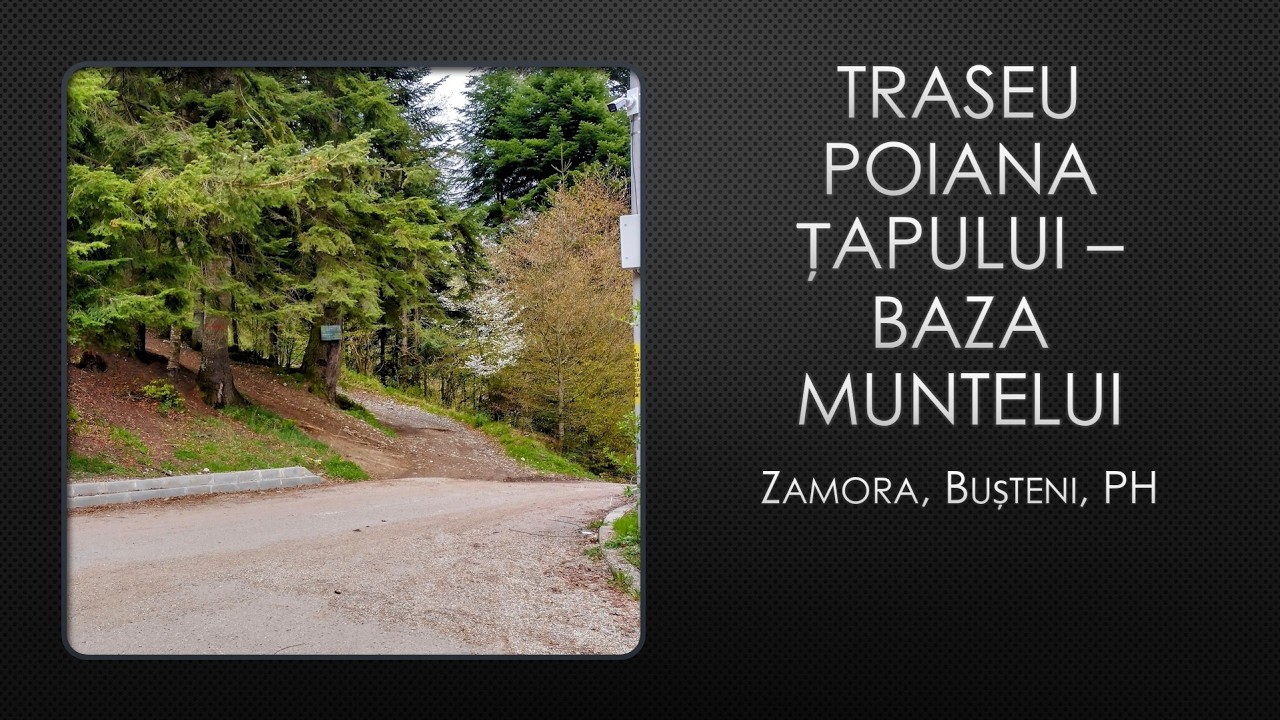
Am fost surprinși plăcut să vedem că, până la urmă, drumul ne-a dus tot spre o potecă ce urcă pe Muntele Zamora și, deși nu am insistat pe dumneaei, traseul până în vârf fiind de 17 km, am intrat puțin în pădure, suficient cât să simțim și aroma Munților Baiului.
We were pleasantly surprised to see that, in the end, the road still led us towards a path climbing Mount Zamora and, although we did not pursue it further — the route to the summit being 17 km long — we entered the forest for a short while, just enough to also feel the atmosphere of the Baiului Mountains.
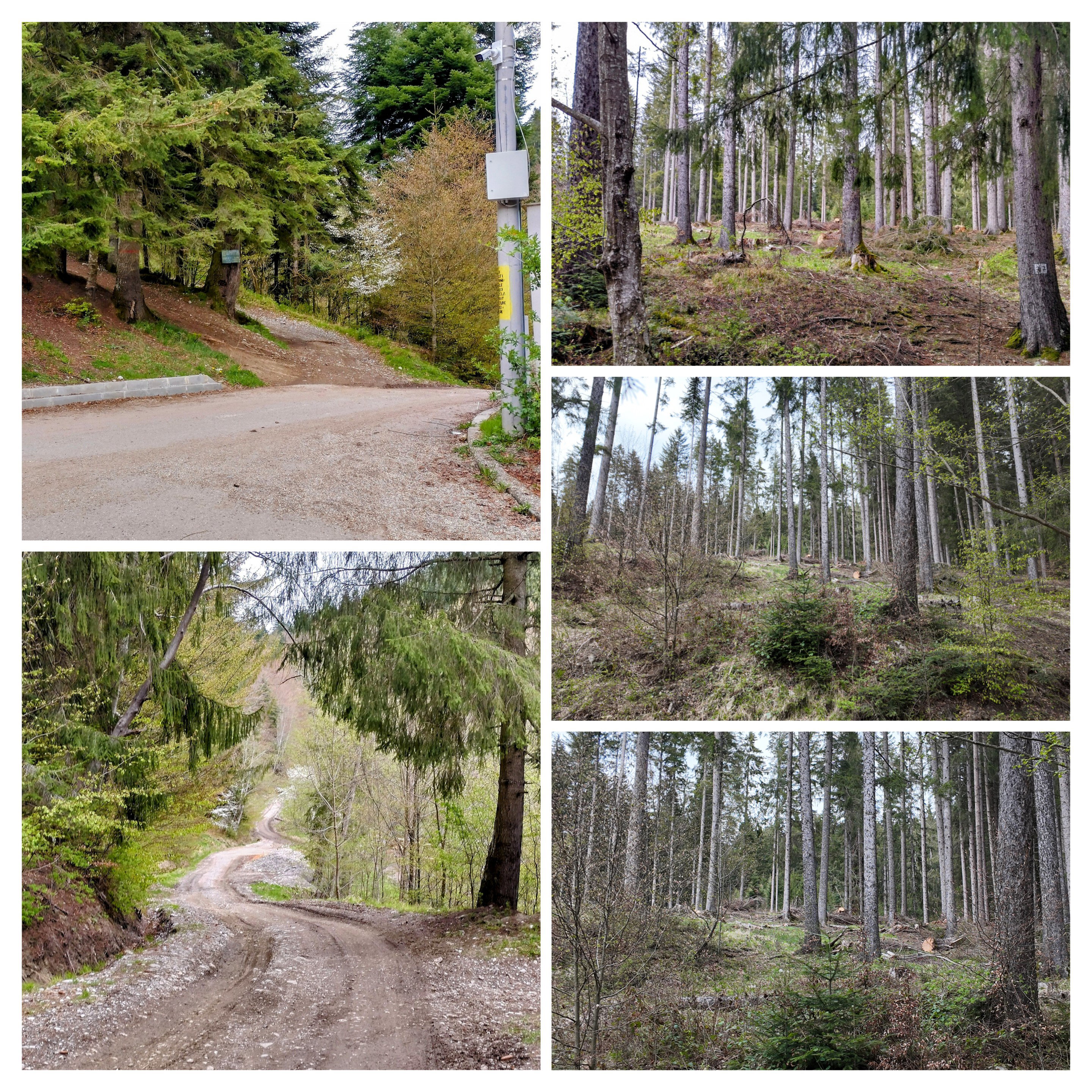
Aici am întâlnit pârâul Valea Zamorei și, pe drumul nostru înapoi, l-am urmărit până la vărsarea în Prahova. Ne-am întors apoi la cabană pe o ploicică mocănească, ce ne-a udat ciuciulete, căci pelerinele de ploaie stăteau, cuminți, în bagaj, și am petrecut seara la filme, cu mâncare gătită rapid în chicinetă: cartofi la air fryer, cârnați pentru consort, câte o prăjiturică...
Here we came across the Valea Zamorei stream and, on our way back, followed it all the way to where it flows into the Prahova. We then returned to the cabin in a steady drizzle that soaked us to the bone — since our rain ponchos were sitting quietly in our luggage — and spent the evening watching films, with food quickly prepared in the kitchenette: air-fryer potatoes, sausages for the consort, and a little cake each...
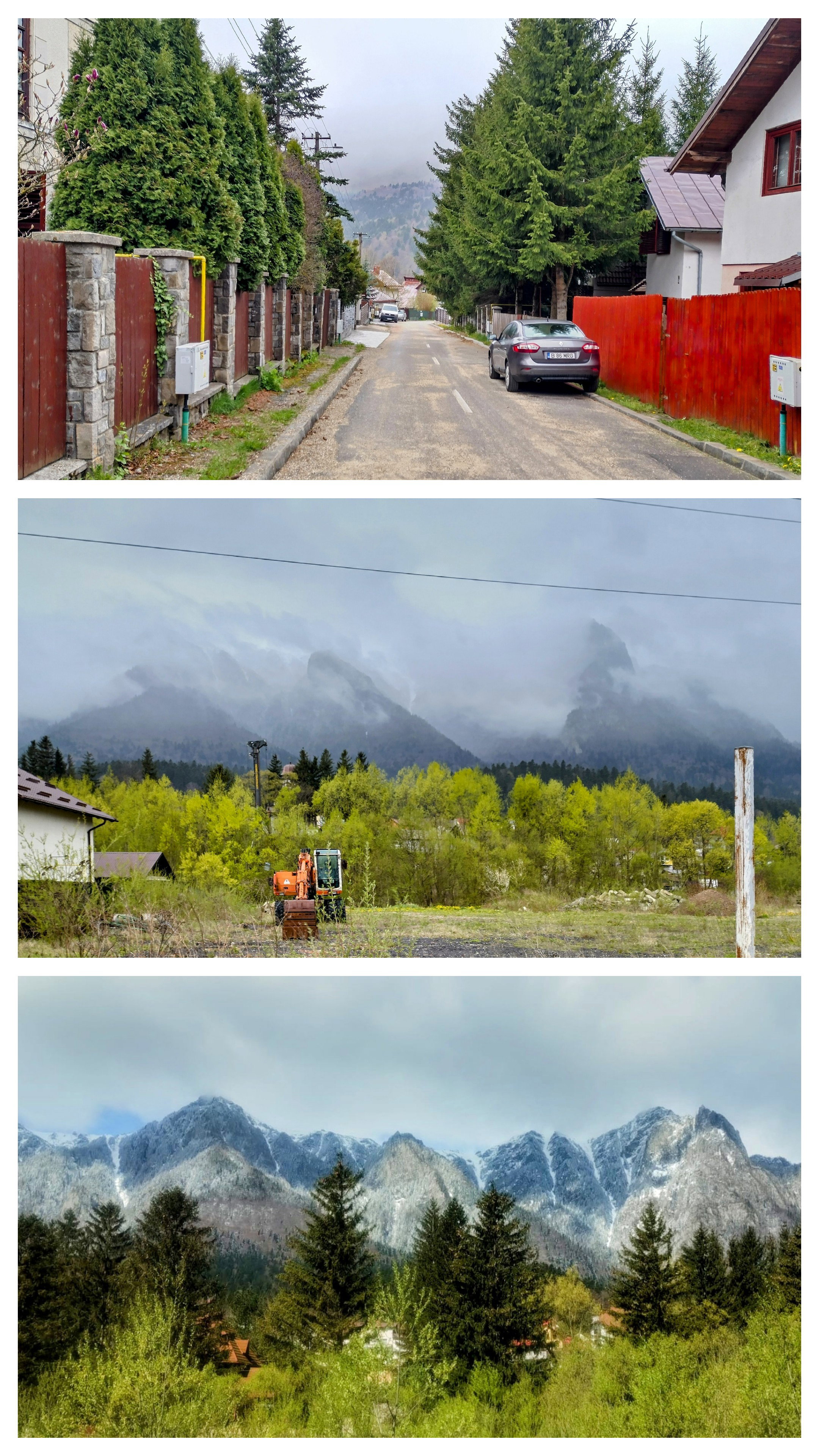
Cartierul Zamora, sub ploaie și ceață // The Zamora neighbourhood, in rain and mist
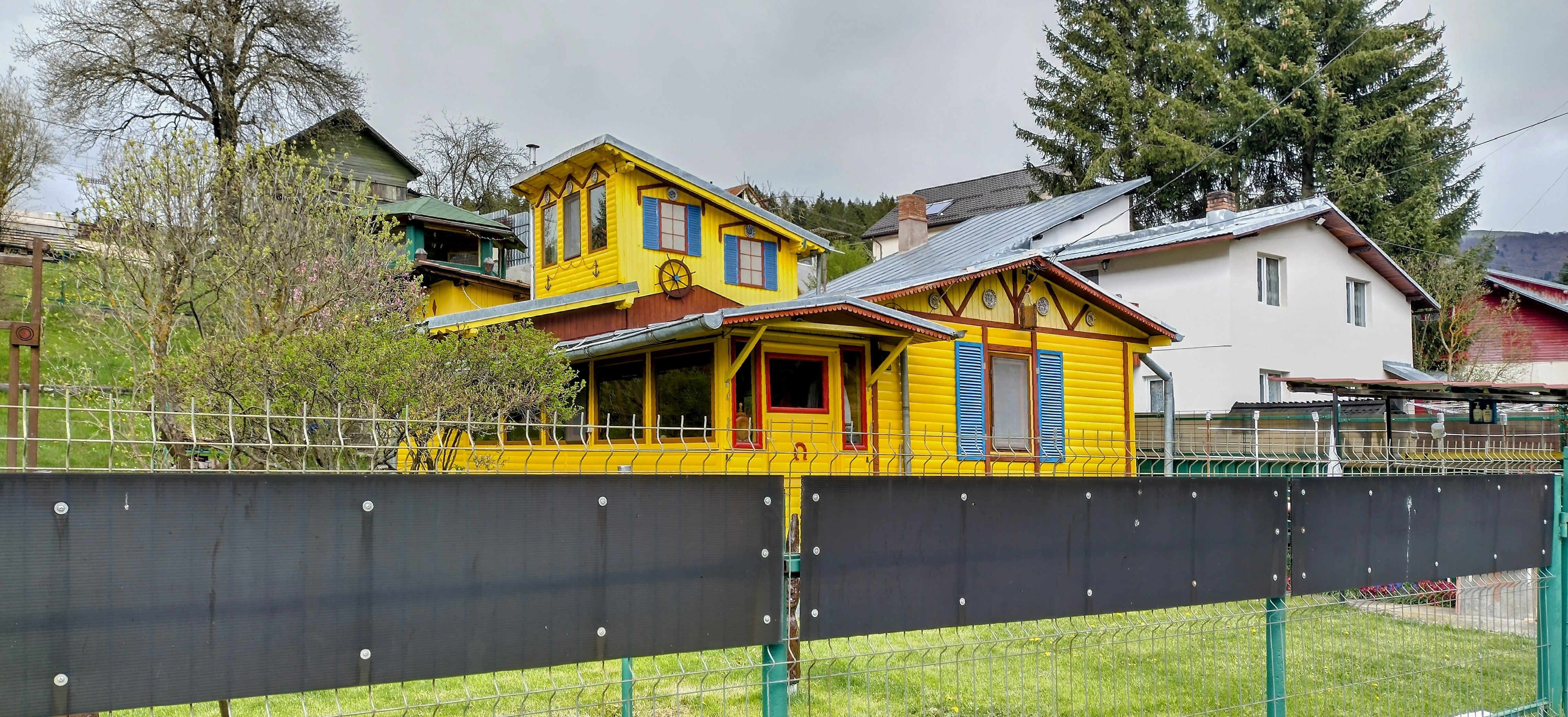
O casă care înseninează // A brightening house
Ziua 3. În cea de-a treia zi, pe la prânz, plecăm spre București, deci dimineața aceea a fost cea în care am făcut bagajele, am aruncat resturile, am strâns haosul cât de cât... și apoi ne-am înhămat (tot cu taxiul) către gară.
Day 3. On the third day, around noon, we left for Bucharest, so that morning was the one in which we packed, threw away the leftovers, tidied up the chaos as best we could... and then set off — again by taxi — towards the railway station.
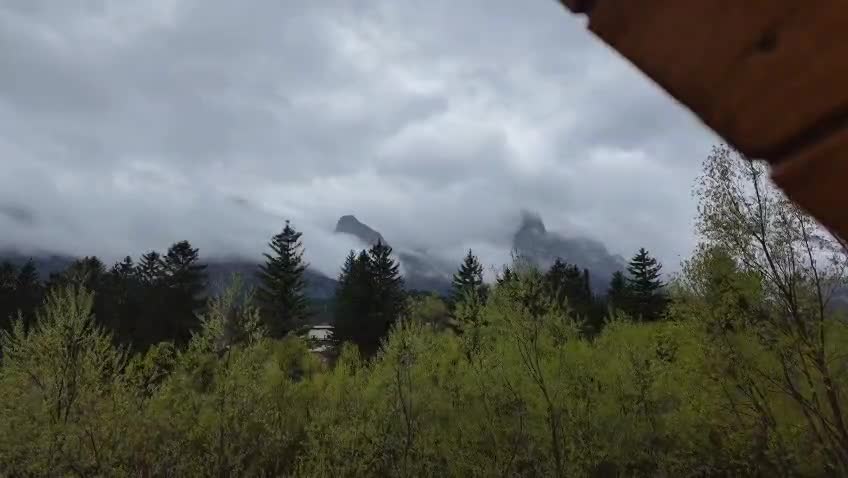
O dimineață ce se anunța încețoșată // A morning that promised to be misty
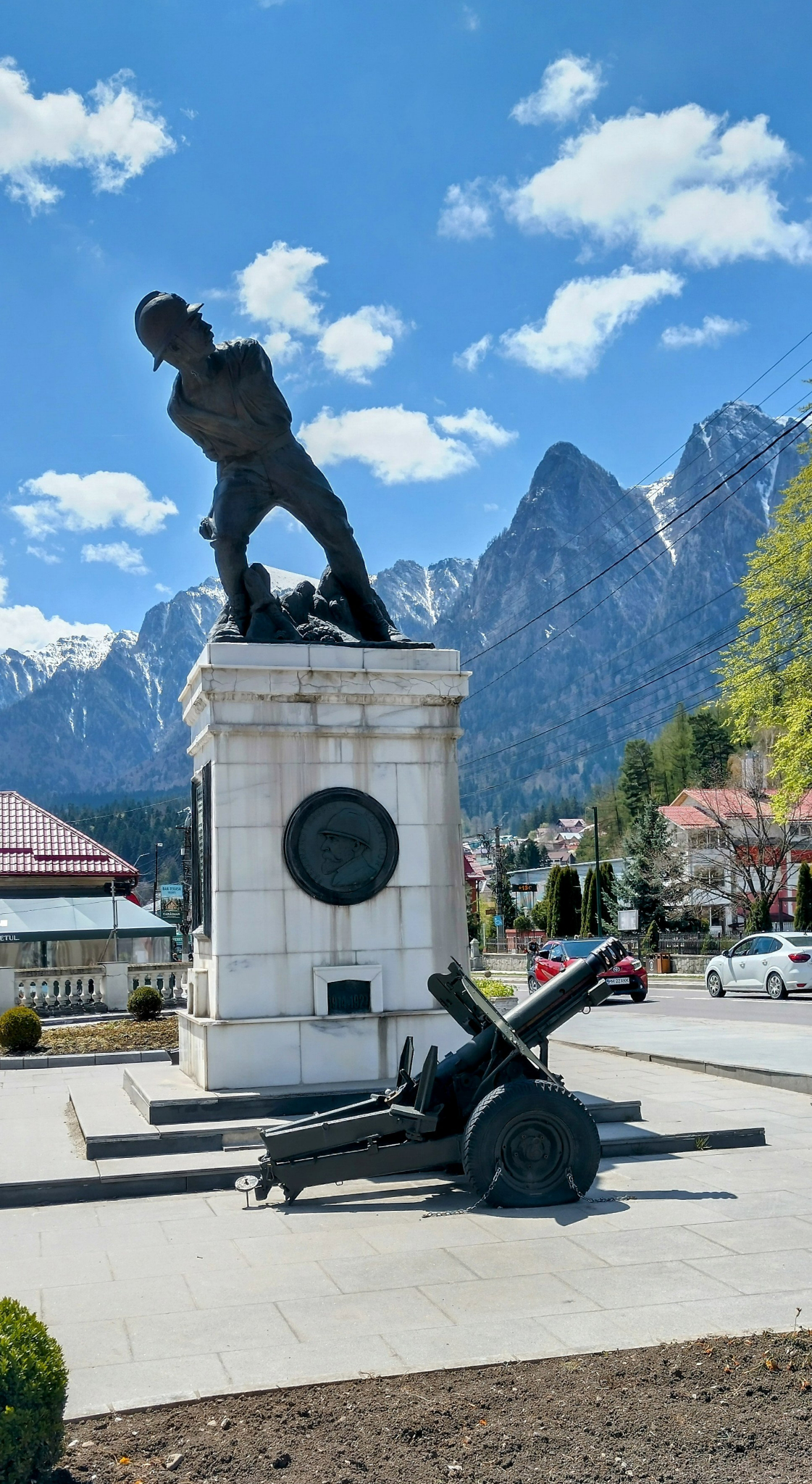
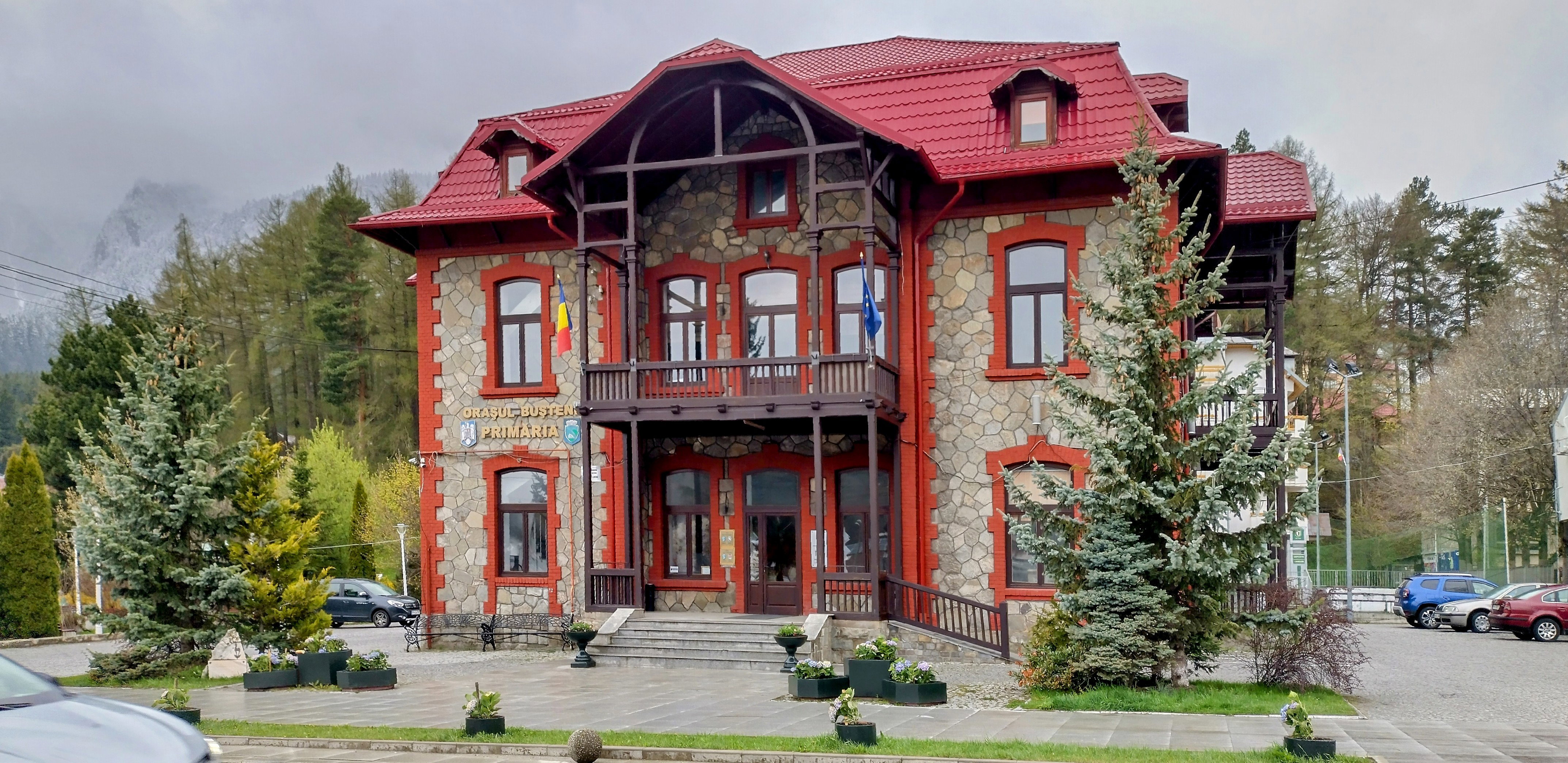
Aici am mai luat ultimele impresii despre oraș: în fața gării se află statuia „Ultima grenadă”, care cinstește memoria caporalului Constantin Mușat, erou din Primul Război Mondial, iar vizavi de gară se află clădirea primăriei, fostul Hotel Bușteni, clădire ce datează încă din 1893, cu o arhitectură tradițională cu elemente montane.
Here we took in our final impressions of the town: in front of the railway station stands the statue “The Last Grenade”, which honours the memory of Corporal Constantin Mușat, a hero of the First World War, and opposite the station is the town hall building, the former Hotel Bușteni, dating back to 1893, with traditional architecture featuring mountain-style elements.
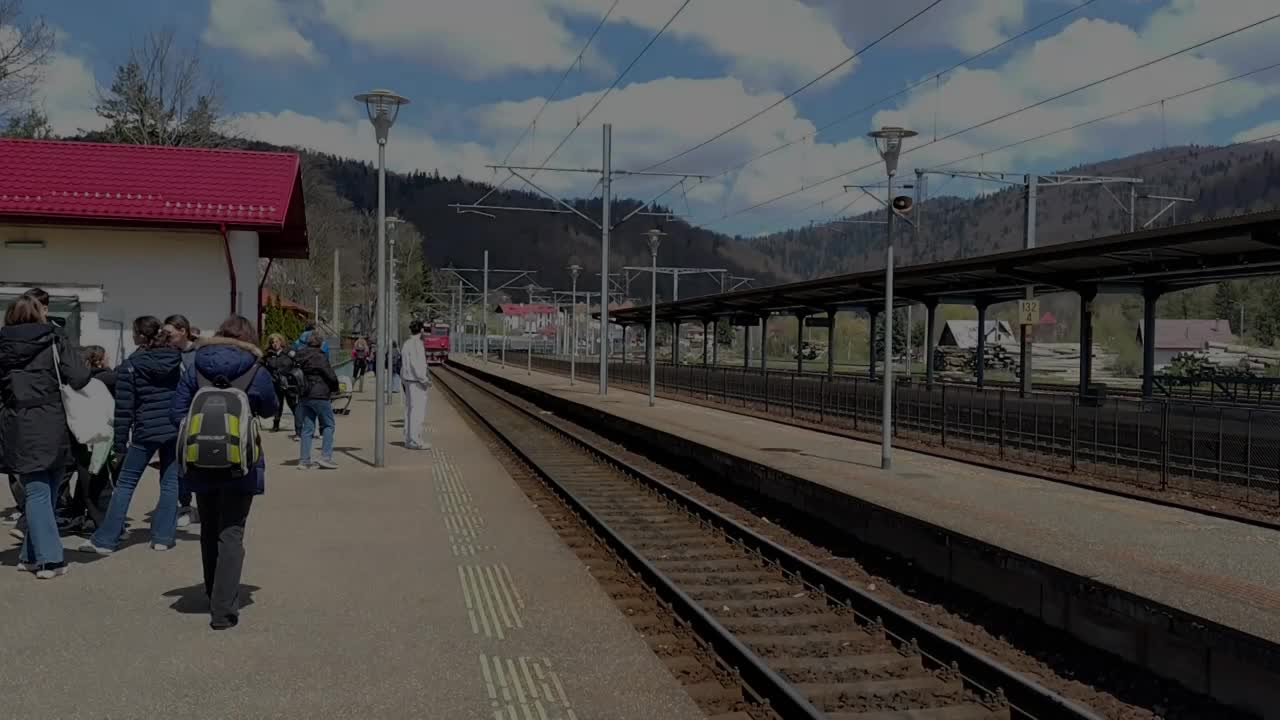
Din gară vedem încă o dată, netulburați, frumoșii Munți ai Baiului, ale căror păduri line te seduc, dar care sus păstrează culmi împădurite și, probabil, urși. Și, peste marginile orașului, ne întoarcem ca să vedem culmile Bucegilor, atât de frumoase și impunătoare, dar și atât de periculoase...
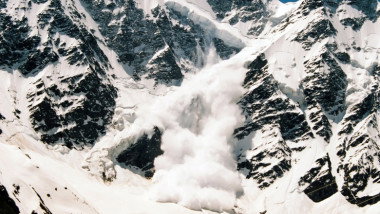
Cât am stat la Bușteni, am primit RO-Alert de urs și am văzut știri despre un pompier-salvamontist experimentat, care a provocat o avalanșă în care și-a pierdut viața, în timp ce testa terenul la schi pe Culmea Coștilei.
Natura nu este doar frumoasă, ci și impunătoare și necruțătoare. În fața ei, suntem supuși.
From the railway station, we see once again, undisturbed, the beautiful Baiului Mountains, whose gentle forests draw you in, while higher up they still hold wooded ridges and, probably, bears. And, beyond the edges of the town, we turn back to see the peaks of the Bucegi Mountains, so beautiful and imposing, but also so dangerous...
While we were in Bușteni, we received a RO-Alert warning about a bear and saw news about an experienced firefighter and mountain rescuer who triggered an avalanche in which he lost his life while testing the ski terrain on Coștila Ridge.
Nature is not only beautiful, but also imposing and unforgiving. Before it, we are humbled.
via digi24.ro
La întoarcere, am luat trenul IR 1632, pe aceeași rută ca la dus, dar cu mai multe opriri decât IR 1635. Acesta a pornit de la Brașov, cu opriri în Predeal, Azuga și Bușteni, iar de aici a oprit în Sinaia, Comarnic, Câmpina, Florești Prahova, Ploiești Vest, Crivina, Periș, Buftea și, într-un final, București Nord. Pe drum am văzut câmpuri de toate felurile, bineînțeles rapiță înflorită, dar și câmpuri de panouri fotovoltaice, ceea ce ne-a dat speranță pentru mediu și pentru viitor.
On the way back, we took the IR 1632 train, following the same route as on the outward journey, but with more stops than the IR 1635. It started from Brașov, stopping in Predeal, Azuga and Bușteni, and from there continued with stops in Sinaia, Comarnic, Câmpina, Florești Prahova, Ploiești Vest, Crivina, Periș, Buftea and, finally, Bucharest North. Along the way we saw fields of all kinds, of course fields of blooming rapeseed, but also fields of photovoltaic panels, which gave us hope for the environment and for the future.
La Bușteni trebuie să mai venim: pentru Casa Memorială Cezar Petrescu, pentru Mănăstirea Caraiman și Biserica Domnească „Nașterea Maicii Domnului”, ctitorită de Carol I (ambele monumente), dar și pentru multitudinea de trasee, precum cel spre Crucea Eroilor de pe Caraiman. Atât spre Bucegi, cât și spre Baiului, multe trasee pornesc din acest frumos oraș de munte sau din stațiunea sa, Poiana Țapului.
We still need to return to Bușteni: for the Cezar Petrescu Memorial House, for Caraiman Monastery and the Royal Church of the Nativity of the Mother of God, founded by Carol I — both monuments —, but also for the many trails, such as the one leading to the Heroes’ Cross on Caraiman. Both towards the Bucegi Mountains and towards the Baiului Mountains, many routes start from this beautiful mountain town or from its resort, Poiana Țapului.
- Cost: 45 RON intrarea la Castelul Cantacuzino; 199 RON telecabina dus-întors, pe segmentul Bușteni–Babele
- Durată: ~1 h la Castelul Cantacuzino; ~3 h traseul Poiana Țapului–Cascada Urlătoarea; ~15 min urcatul/coborâtul cu telecabina + ~1 h pe Platoul Bucegi; ~1 h traseul până la baza Muntelui Zamora
- Verdict: 10/10 - merită absolut!
- Cost: 45 RON entrance fee to the Cantacuzino Castle; 199 RON for the return cable car ticket on the Bușteni–Babele segment
- Duration: ~1 h at the Cantacuzino Castle; ~3 h for the Poiana Țapului–Urlătoarea Waterfall trail; ~15 min for the cable car ascent/descent + ~1 h on the Bucegi Plateau; ~1 h for the route to the base of Mount Zamora
- Verdict: 10/10 — absolutely worth it!
Comments