Oradea… Of, Oradea!
Înainte de a povesti despre ultimul nostru concediu aici, trebuie să spun că iulie nu este cea mai potrivită lună pentru a vizita orașul. Și, ca de fiecare dată, am plecat cu câteva lecții despre „ce să nu mai facem” pe viitor...
Cu toate impedimentele şi capriciile vremii, Oradea a fost pentru noi nu doar un vis împlinit, ci și o surpriză fabuloasă: nicio fotografie, niciun ghid, nici măcar cel oficial – și poate nici acesta – nu pot reda pe deplin grandoarea imperială a orașului. Pe alocuri, ai impresia că te plimbi prin Graz; la un pas mai încolo, te simți în Viena.
Oradea… Oh, Oradea!
Before talking about our latest vacation here, I have to say that July is not the most suitable month to visit the city. And, as always, we left with a few lessons on “what not to do” in the future…
Despite all the obstacles and caprices of the weather, Oradea was for us not just a dream come true, but also a fabulous surprise: no photograph, no guide, not even the official one—and perhaps not even this one—can fully convey the imperial grandeur of the city. At times, you feel like you are strolling through Graz; the next step, you feel like you are in Vienna.
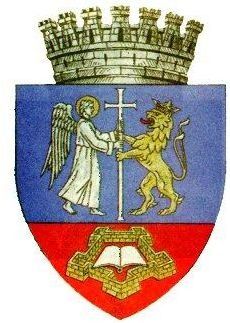
Arhanghelul argintiu cu cruce latină reflectă influența ortodoxă în spiritualitatea orașului, leul încoronat evocă lupta de apărare a voievozilor, silueta construcției reprezintă Cetatea Oradea, iar cartea simbolizează continuitatea culturală, de la Academia de Drept la universitatea de azi // The silver archangel with the Latin cross reflects the Orthodox influence on the city’s spirituality, the crowned lion evokes the defensive struggle of the voivodes, the silhouette of the structure represents the Oradea Fortress, and the book symbolizes cultural continuity, from the Law Academy to today’s university
Despre istoria orașului vom vorbi pe măsură ce îi vizităm muzeele și străzile, dar să facem întâi o scurtă introducere geografică.
Oradea este municipiul-reședință al județului Bihor, situat în Câmpia Oradiei, o subdiviziune a Câmpiei Crișurilor, ea însăși parte a Câmpiei de Vest – o ramură (românească) a Marii Câmpii a Ungariei.
We will talk about the city’s history as we visit its museums and streets, but first let’s make a brief geographical introduction.
Oradea is the county seat of Bihor County, located in the Oradea Plain, a subdivision of the Criș Plains, itself part of the Western Plain—a (Romanian) branch of the Great Hungarian Plain.
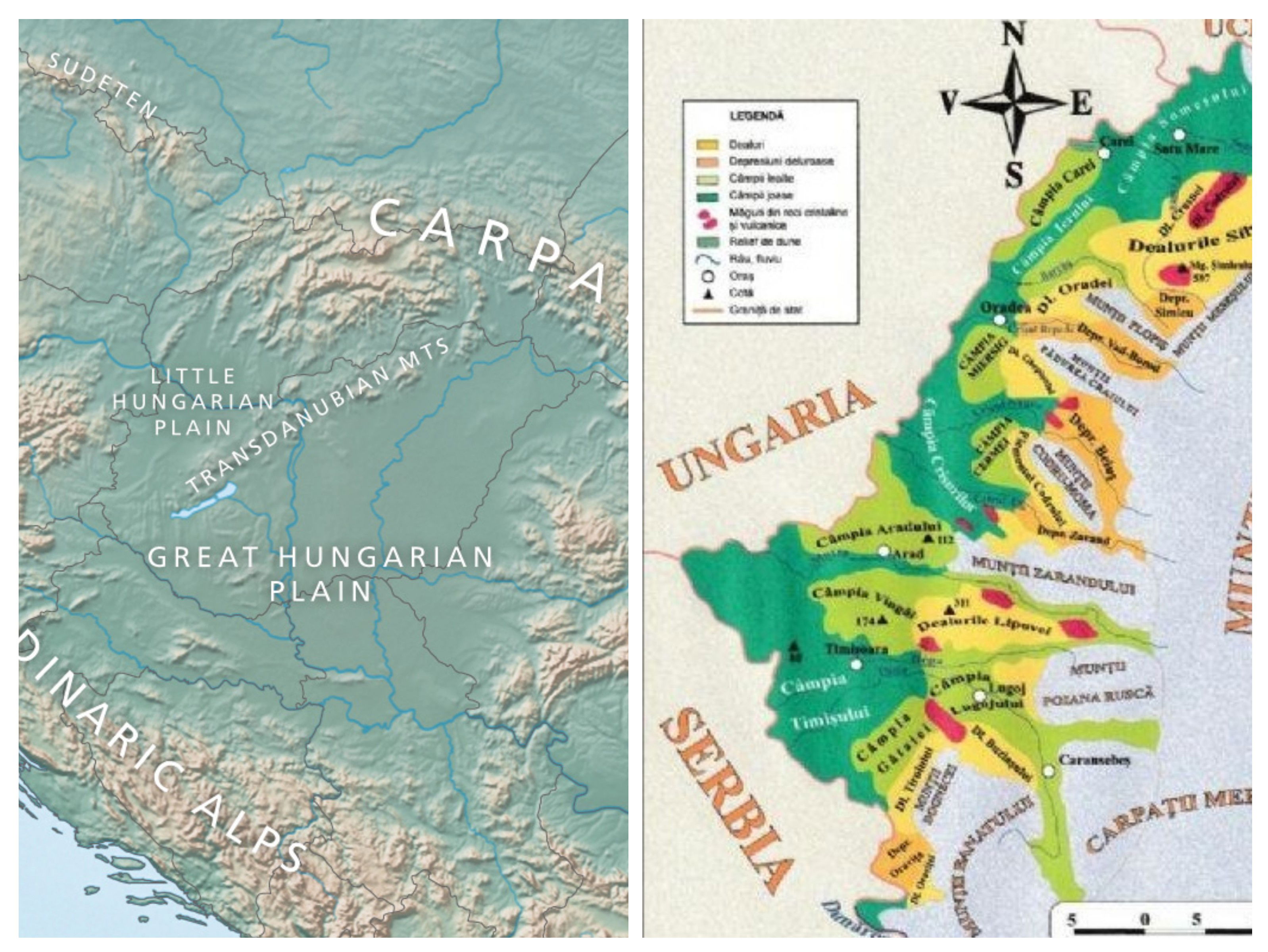
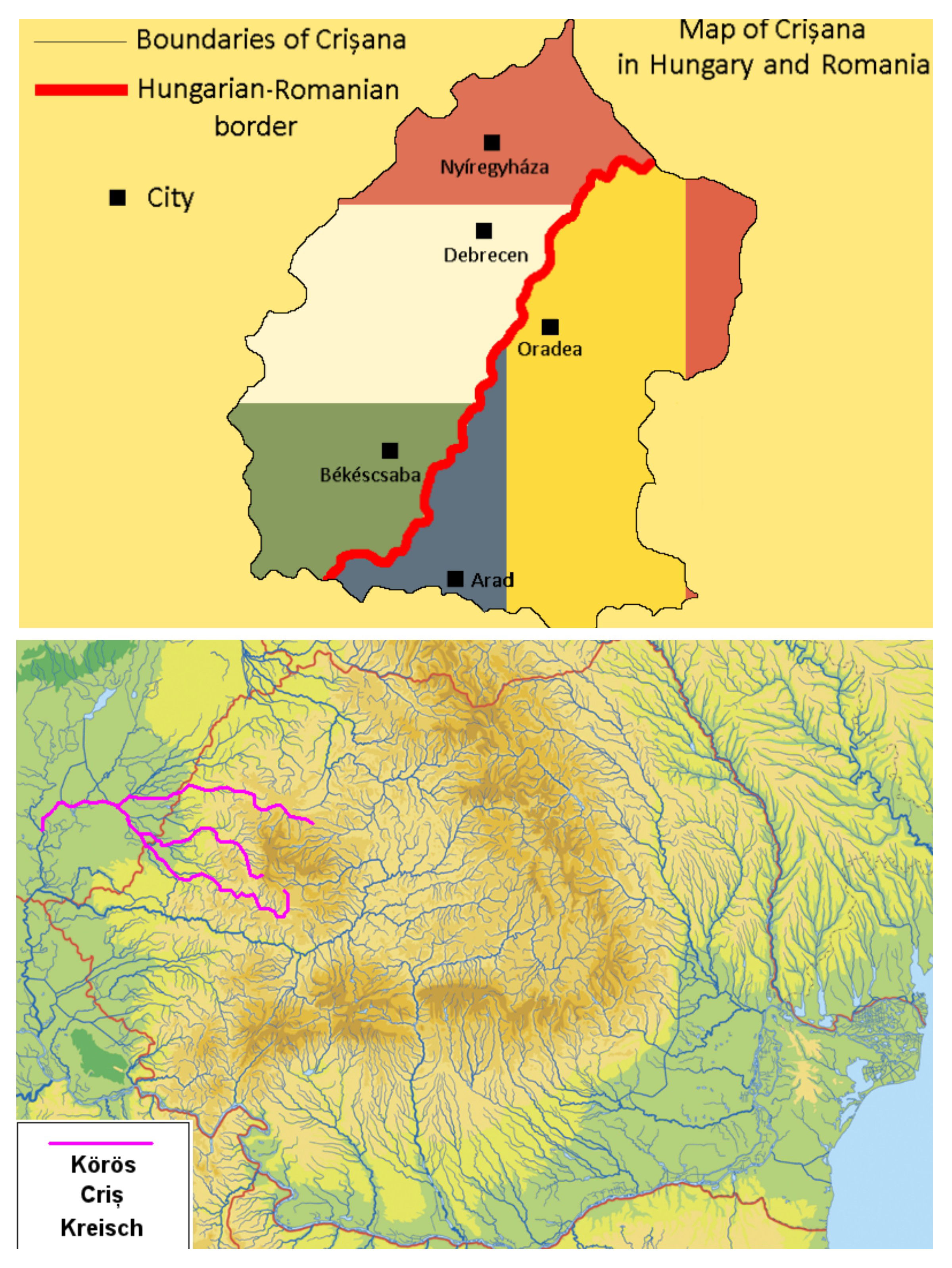
Orașul face parte din regiunea istorică Crișana, împărțită astăzi între România și Ungaria, denumită după râurile care o străbat, Crișurile.
Pe teritoriul orașului curge Crișul Repede – cel mai nordic dintre Crișuri – iar prin partea de sud trece pârâul termal Peța, care aduce ape de la Băile Felix înainte de a se vărsa în Crișul Repede la vest de Oradea, la Sântandrei. Crișul Repede continuă spre vest, în Ungaria, unde se varsă în Criș (Körös), tributar al Tisei; aceasta, la rândul ei, face un popas în Serbia înainte de a se vărsa în Dunăre, pentru a-și readuce apele în România.
The city is part of the historical region of Crișana, divided today between Romania and Hungary, named after the rivers that cross it, the Criș rivers.
On the city’s territory flows the Crișul Repede—the northernmost of the Criș rivers—and in the southern part passes the thermal stream Peța, which brings waters from Băile Felix before flowing into the Crișul Repede west of Oradea, in Sântandrei. The Crișul Repede continues westward into Hungary, where it flows into the Criș (Körös), a tributary of the Tisza; this, in turn, makes a stop in Serbia before flowing into the Danube, bringing its waters back into Romania.
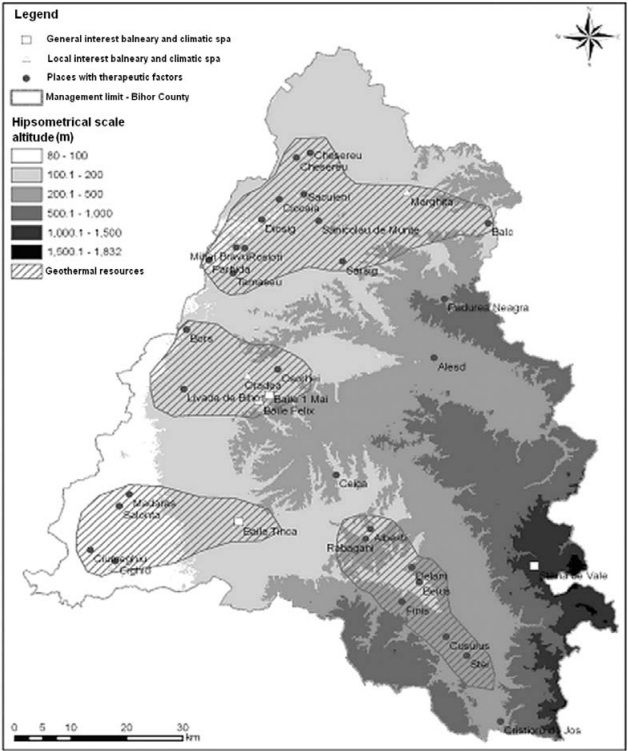
Întreaga zonă – inclusiv Oradea – se găsește într-un important bazin de ape termale, devenind astfel o veritabilă stațiune balneoclimaterică. Apele termale încălzesc nu doar bazinele de tratament și de agrement, ci și cartiere întregi: apa caldă menajeră provine din aceleași izvoare. Ce viață!
The entire area—including Oradea—lies within an important thermal water basin, thus becoming a genuine spa and climatic resort. The thermal waters heat not only the treatment and leisure pools, but also entire neighborhoods: the domestic hot water comes from the same springs. What a life!
Înainte să pornim la drum prin oraș, remarcăm din prima clipă compoziția etnografică: toate indicatoarele sunt bilingve, în română și maghiară. Minoritatea maghiară reprezintă aproximativ 20% din populație; mai trăiesc aici germani, slovaci, polonezi și romi. Din punct de vedere confesional predomină creștinii ortodocși, urmați de reformați, catolici și baptiști, iar comunitatea evreiască este încă semnificativă.
Before setting off through the city, we notice from the first moment the ethnographic composition: all the signs are bilingual, in Romanian and Hungarian. The Hungarian minority represents approximately 20% of the population; there are also Germans, Slovaks, Poles, and Roma living here. Confessionally, Orthodox Christians predominate, followed by Reformed, Catholics, and Baptists, and the Jewish community remains significant.
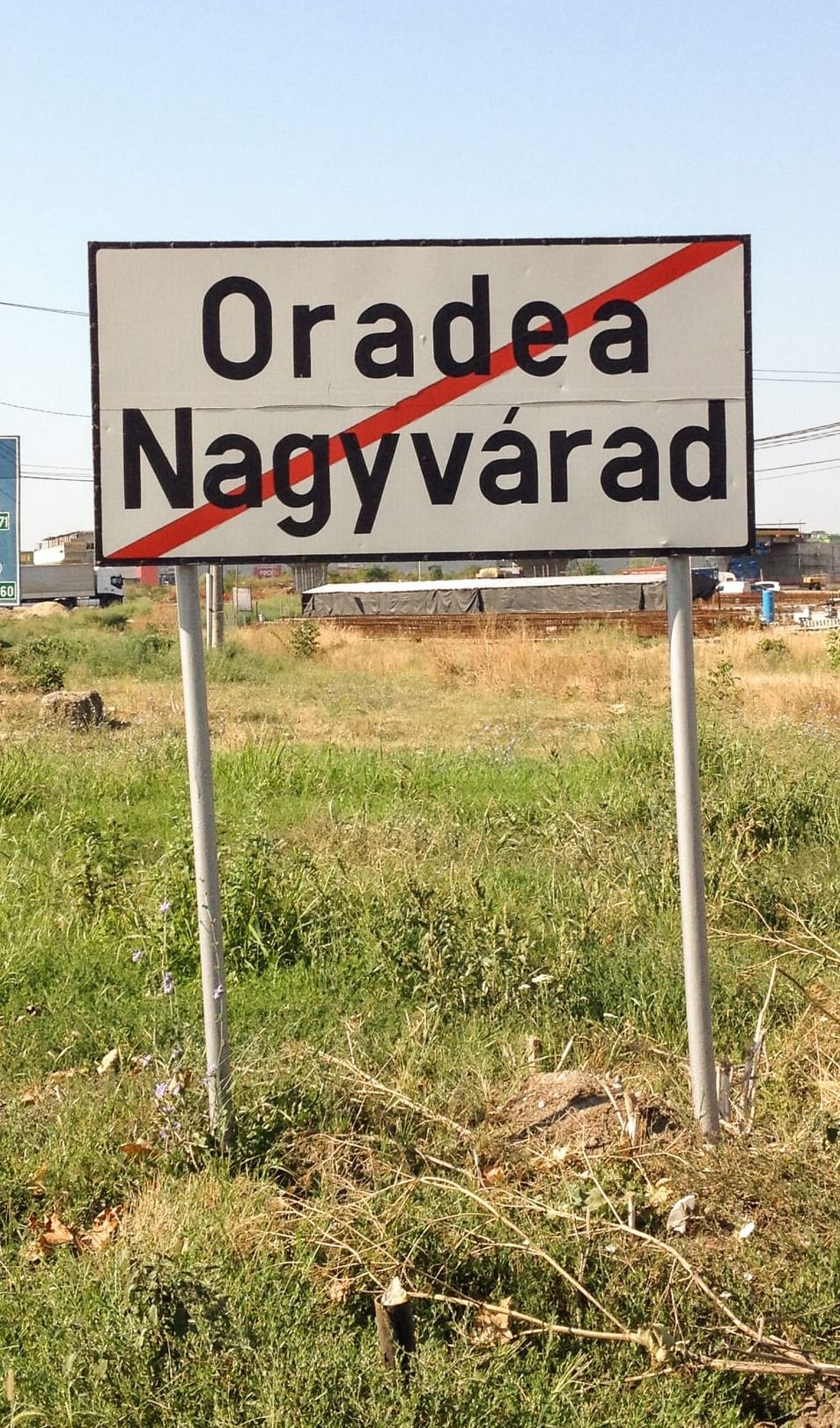
Oradea are trei denumiri populare: cea românească, cea maghiară (Nagyvárad) și cea germană (Großwardein), plus câteva variante mai rare – cea slovacă (Veľký Varadín) sau cea latină (Magnovaradinum). Ne pregătim, aşadar, pentru un festin multicultural, de care ne vom bucura într-o atmosferă istorică, potențată de festivalul medieval care are loc în această perioadă.
Oradea has three common names: the Romanian one, the Hungarian one (Nagyvárad), and the German one (Großwardein), plus a few rarer variants—the Slovak one (Veľký Varadín) or the Latin one (Magnovaradinum). We are thus preparing for a multicultural feast, which we will enjoy in a historical atmosphere enhanced by the medieval festival which takes place during this period.
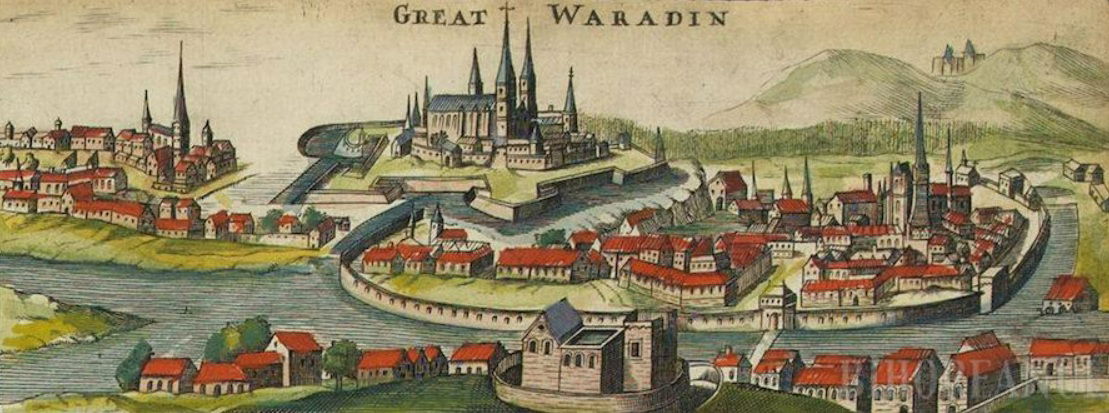
Ziua 1 - Oradea e departe și, în treacăt, am mai fost acolo doar cu trenul, dar drumul mai dura încă 10-12 ore până acasă (e relativ, mai ales vara). Cu mașina ar fi cam 9-10 ore.
Dar niciodată nu am mers cu avionul. Așadar, ne-am zis: de ce să nu zburăm și intern, dacă se poate, reducând astfel duzinele de ore la maximum una și jumătate, cu tot cu on- și off-boarding?
Nu ne-am așteptat însă cât de obositoare avea să fie această metodă de călătorie, iar asta s-a văzut încă din prima zi. Zborul era foarte devreme dimineața și a trebuit să ne trezim cu noaptea-n cap ca să ajungem la aeroport la o oră care să ne facă să ne simțim confortabil că nu pierdem avionul.
Day 1 – Oradea is far away and, incidentally, I had only ever been there by train, but the journey would still take another 10–12 hours to get home (it’s relative, especially in summer). By car, it would be around 9–10 hours.
But we had never flown there. So we thought: why not fly domestically, if possible, cutting those dozens of hours down to a maximum of an hour and a half, including on- and off-boarding?
We didn’t expect, however, how exhausting this method of travel would turn out to be, and that became clear from the very first day. The flight was very early in the morning, and we had to wake up at the crack of dawn to get to the airport at a time that would make us feel comfortable we wouldn’t miss the plane.
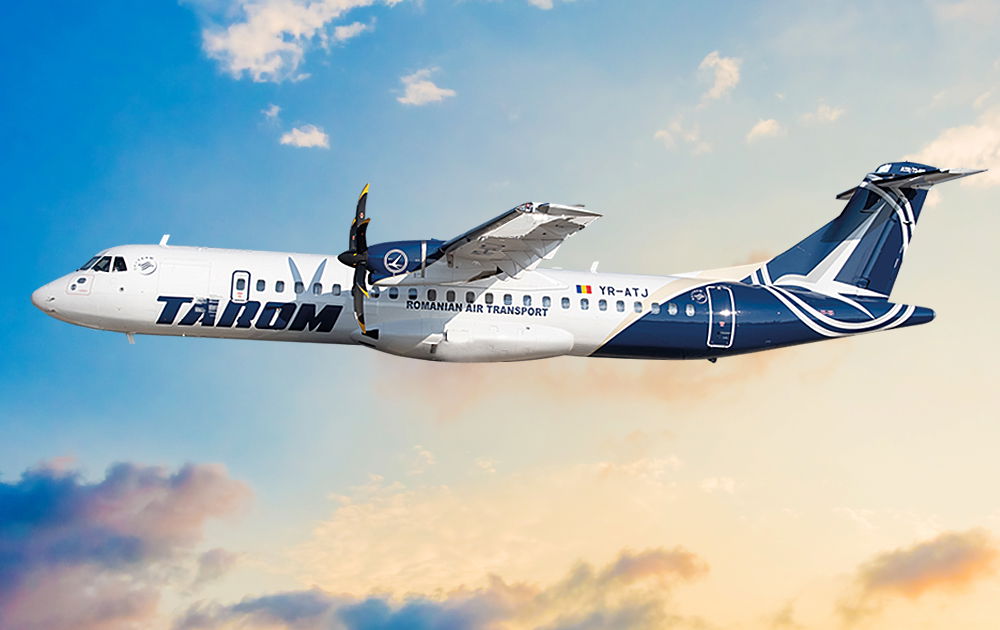
ATR-72 din flota TAROM // ATR-72 from the TAROM fleet
Zborul TAROM RO627 (RO628 la întoarcere) este operat cu un avion mic, cu elice – simpatic, dar zgomotos – și fără locuri de mijloc! :) Este un avion de navetiști, ATR-72.
Cu acesta am aterizat pe la fel de micuțul și simpaticul, dar și destul de pustiul Aeroport Oradea. Cu mai puțin de zece zboruri pe zi – dintre care mai mult de jumătate TAROM – și 15 ghișee de check-in și informații (doar unul TAROM), pare mai mult gol, ca o gară de provincie.
Aeroportul Internațional Oradea (IATA: OMR) este principala poartă aeriană a nord-vestului României, situat la 5 km de oraș și conectat la coridoarele europene E60 și autostrada Transilvaniei. Inaugurat în 1938, dispune acum de o pistă de 2.520 m, căi rapide de rulare și terminale moderne conforme standardelor UE și Schengen. Terminalul cargo de 13.000 mp, deschis în 2025, integrează facilități logistice de ultimă generație, iar terminalul de pasageri poate procesa 600 de persoane simultan. Aeroportul găzduiește și Centrul NATO HUMINT și o bază aeromedicală SMURD, fiind un nod strategic pentru turism și conexiuni rapide cu Europa Centrală.
The TAROM flight RO627 (RO628 on the way back) is operated with a small propeller plane – charming but noisy – and with no middle seats! :) It’s a commuter plane, an ATR-72.
With it, we landed at the equally small and charming, but rather deserted Oradea Airport. With fewer than ten flights a day – more than half of them operated by TAROM – and 15 check-in and information counters (only one belonging to TAROM), it feels mostly empty, like a provincial train station.
Oradea International Airport (IATA: OMR) is the main air gateway to northwestern Romania, located 5 km from the city and connected to the European E60 corridor and the Transylvania Motorway. Opened in 1938, it now features a 2,520 m runway, rapid-exit taxiways, and modern terminals meeting EU and Schengen standards. The 13,000 sqm cargo terminal, opened in 2025, includes state-of-the-art logistics facilities, while the passenger terminal can process 600 people simultaneously. The airport also hosts the NATO HUMINT Centre and a SMURD air ambulance base, making it a strategic hub for tourism and fast connections to Central Europe.
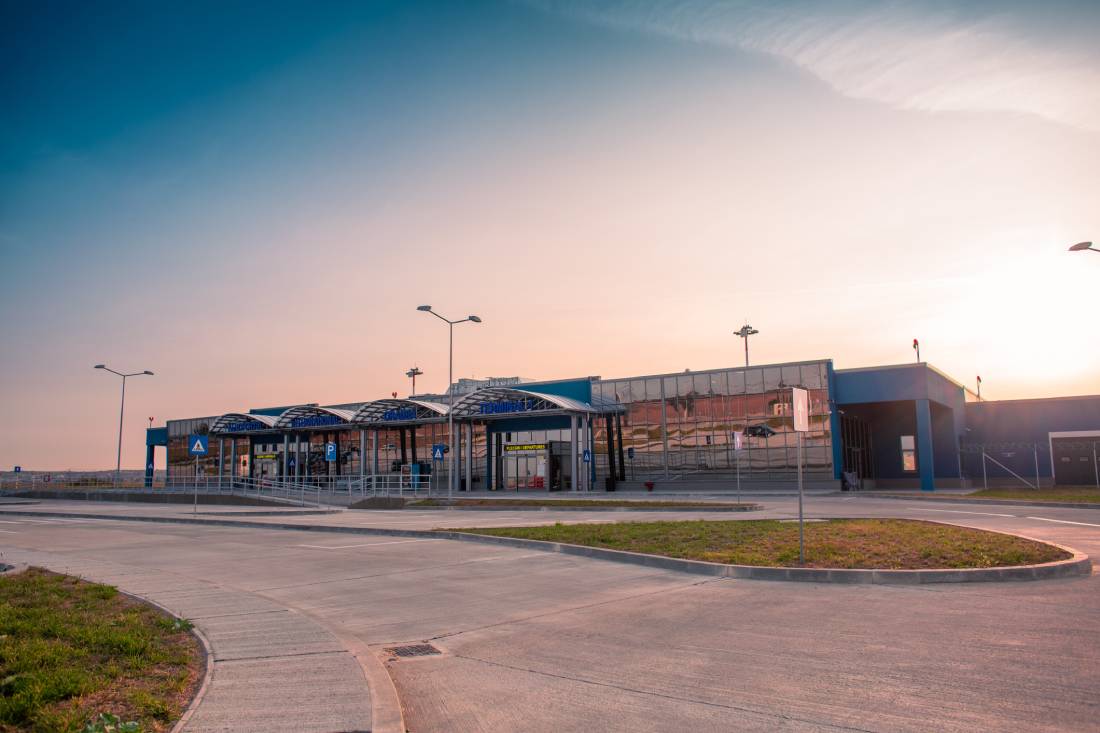
Aeroportul Oradea, via aeroportoradea.ro // Oradea Airport, via aeroportoradea.ro
Ajunși aici, încă de la intrarea în oraș am fost plăcut surprinși de casele și micile blocuri cochete, de curățenie și de aerul general de prospețime și aparentă noutate. Lovindu-ne o căldură dogoritoare, am urcat într-un ride-share și hop!, spre hotel. Am cerut șoferului să ne lase la Piața Mihai Viteazul, pentru a mai merge apoi aproximativ 8-900 de metri pe jos.
În centrul Pieței Mihai Viteazul se află o frumoasă și impunătoare statuie a domnitorului, amplasată pe o placă ce acoperă o mare parcare subterană. Dacă privești vizavi de statuie, găsești Catedrala Episcopală și Cetatea Oradiei, despre care vom vorbi mai pe larg mâine. În spatele statuii se află Parcul 1 Decembrie, acum dogorât (sau mai bine zis doborât) de căldură.
Once we arrived, we were pleasantly surprised right from the entrance to the city by the charming houses and small apartment buildings, the cleanliness, and the overall feeling of freshness and apparent newness. Hit by scorching heat, we hopped into a ride-share and off we went to the hotel. We asked the driver to drop us off at Mihai Viteazul Square so we could then walk approximately 8–900 meters on foot.
In the center of Mihai Viteazul Square stands a beautiful and imposing statue of the ruler, set on a platform that covers a large underground parking lot. If you look across from the statue, you’ll find the Episcopal Cathedral and Oradea Fortress, which we’ll talk about in more detail tomorrow. Behind the statue lies December 1st Park, now scorched (or rather crushed) by the heat.
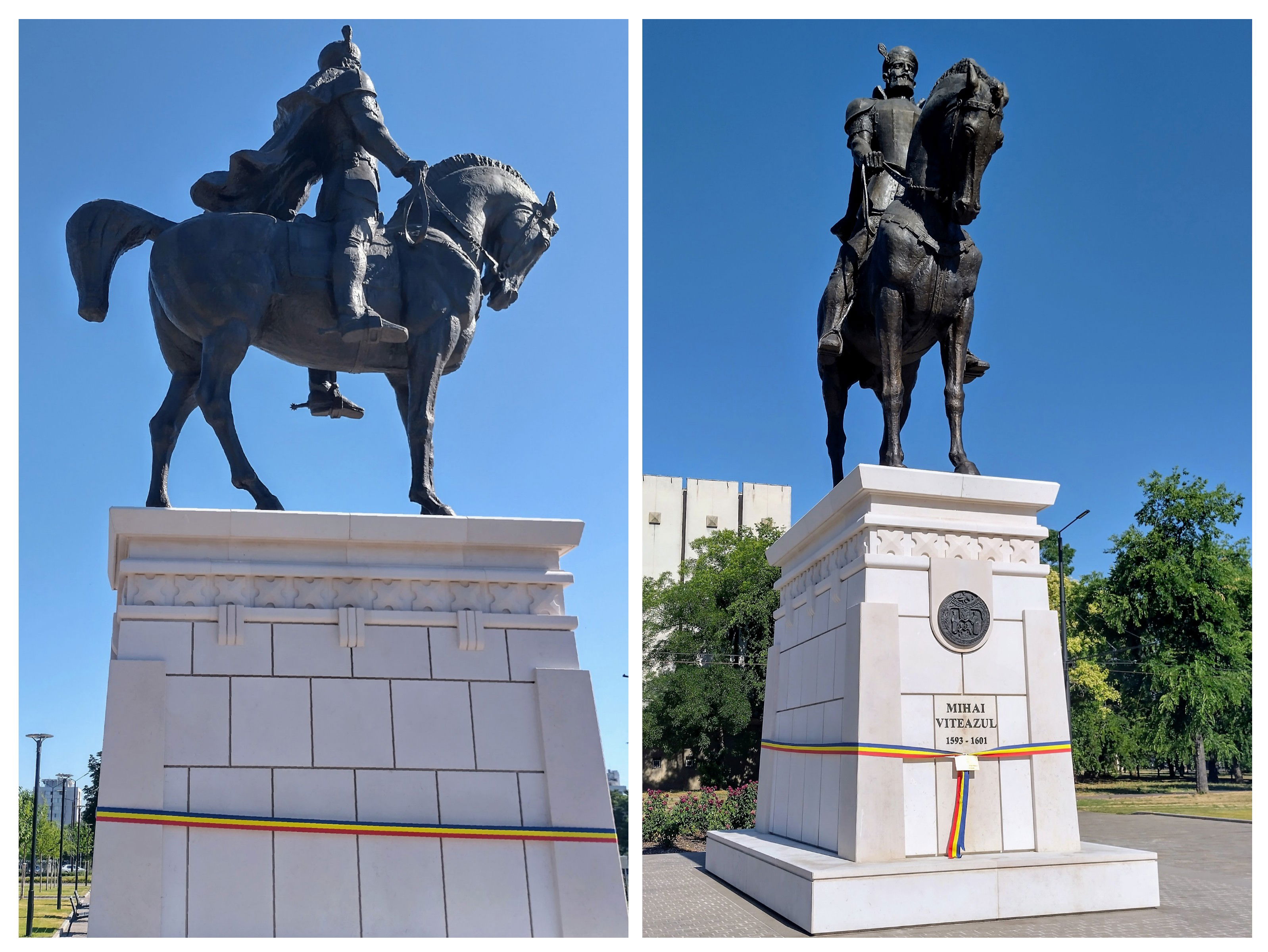
De aici am pornit pe jos spre hotel1, unde – ruptă de oboseala culcatului târziu, trezitului devreme și umblatului prin soare la 37 °C – am căzut lată într-un rar, dar atât de necesar somn de zi. Eu, când dorm ziua, restul zilei nu mai sunt om. Așa că, după o masă chinuită la restaurantul2 hotelului (aflat în renovare, fără aer condiționat, cu veselă a cărei curățenie lăsa de dorit și cu mâncare suspectă și scumpă), ne-am hotărât să ne relaxăm la spa-ul hotelului.
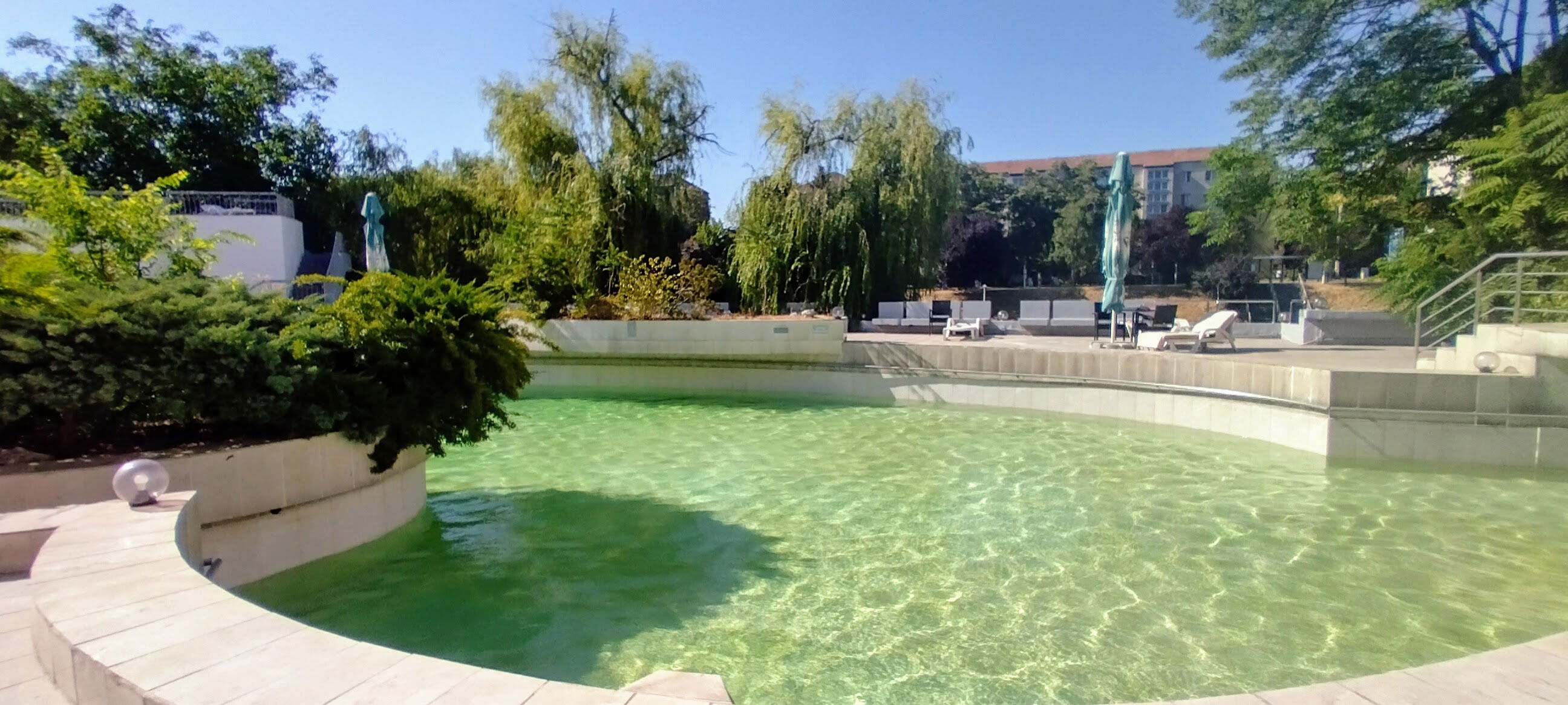
Și acesta era tot în renovare: fără saună, masaj sau alte servicii (coafură/frizerie) pe care doar semnele le anunțau. Singura atracție a fost piscina cu apă termală3. Cum aceasta a devenit atât „cura” noastră zilnică, cât și forma principală de destindere cât am stat aici, piscina a reușit să spele în final și păcatele hotelului.
From there we walked to the hotel1, where—exhausted from going to bed late, waking up early, and walking in the 37 °C heat—I collapsed into a rare but much-needed daytime nap. When I sleep during the day, I’m no good for the rest of it. So, after a strained meal at the hotel restaurant2 (under renovation, with no air conditioning, dishes whose cleanliness left much to be desired, and food that was both questionable and expensive), we decided to unwind at the hotel’s spa.
But that too was under renovation: no sauna, no massage, no other services (hair salon/barber) except for the signs still advertising them. The only attraction was the thermal water pool3. Since it became both our daily “treatment” and our main form of relaxation during our stay, the pool ultimately managed to wash away the hotel’s shortcomings.
Când, chiar și după somn, masă și baie (sau poate din cauza lor), tot nu ne simțeam mai energici – ba dimpotrivă –, a trebuit să luăm în calcul o posibilă epuizare cronică combinată cu o insolație. Cert este că pe mine m-a lovit o criză de bilă în toată regula, cu tot ce presupune asta, iar pe consortul meu o durere de cap pe care strălucirea soarelui nu o ajuta deloc. Ne-am făcut, așadar, curaj să căutăm o farmacie în apropiere.
When, even after sleeping, eating, and bathing (or perhaps because of them), we still didn’t feel any more energetic—quite the opposite—we had to consider the possibility of chronic exhaustion combined with a touch of sunstroke. What’s certain is that I was hit by a full-blown gallbladder attack, with everything that entails, while my partner was struggling with a headache that the blazing sun did nothing to help. So we mustered the courage to look for a pharmacy nearby
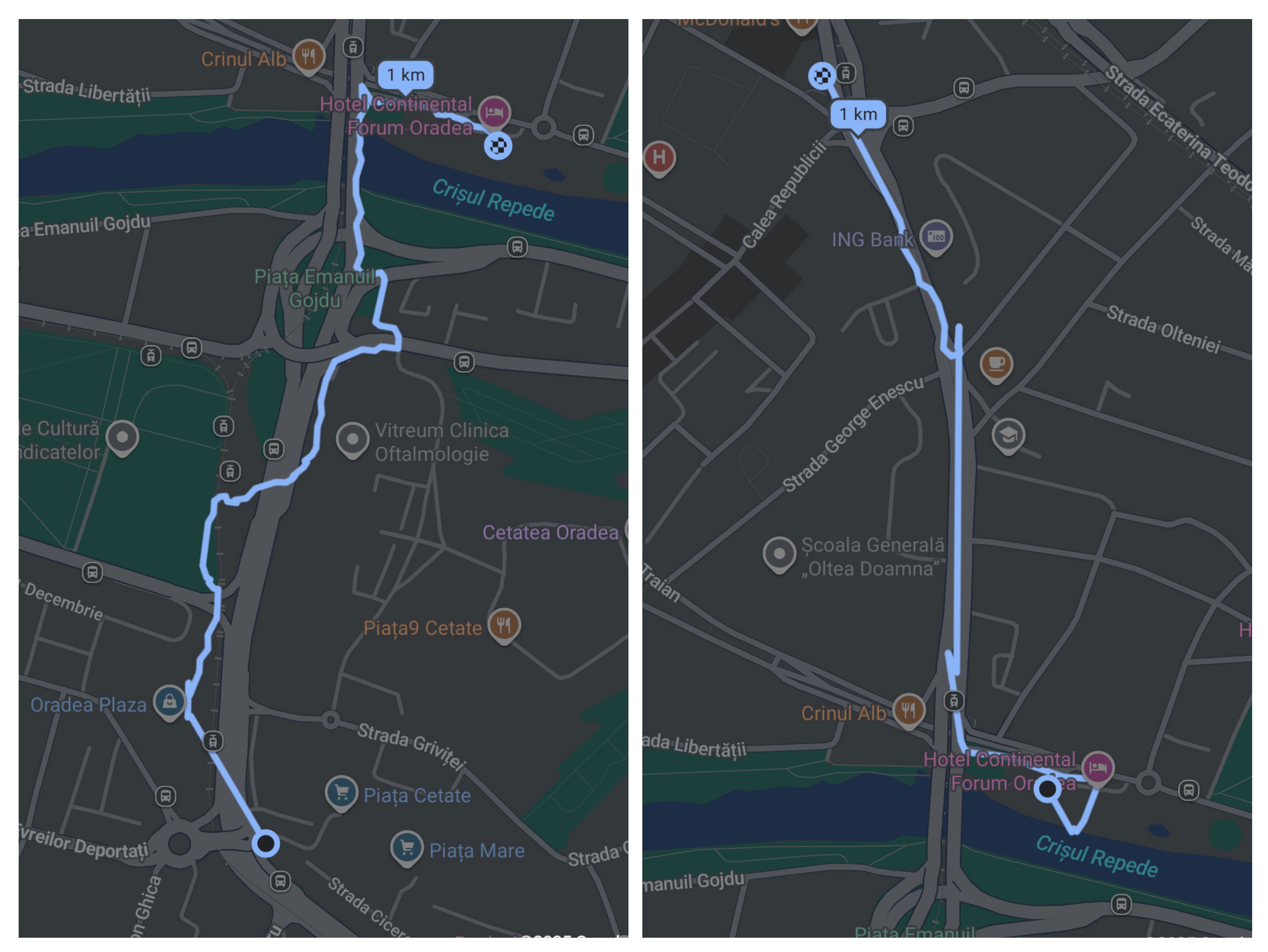
După încă un kilometru, în direcția opusă Pieței Mihai Viteazul, am ajuns la centrul comercial Crișul, unde am găsit, în sfârșit, mult-căutata farmacie, dar și un McDonald's al cărui miros m-a gonit instantaneu, făcându-mi stomacul ghem. A fost greu...
Ne-am întors la hotel epuizați, petrecând restul zilei doar odihnindu-ne.
After another kilometer, in the opposite direction of Mihai Viteazul Square, we reached the Crișul shopping center where we finally found the much-needed pharmacy, along with a McDonald’s whose smell drove me away instantly, making my stomach churn. It was rough...
We returned to the hotel exhausted, spending the rest of the day simply resting.
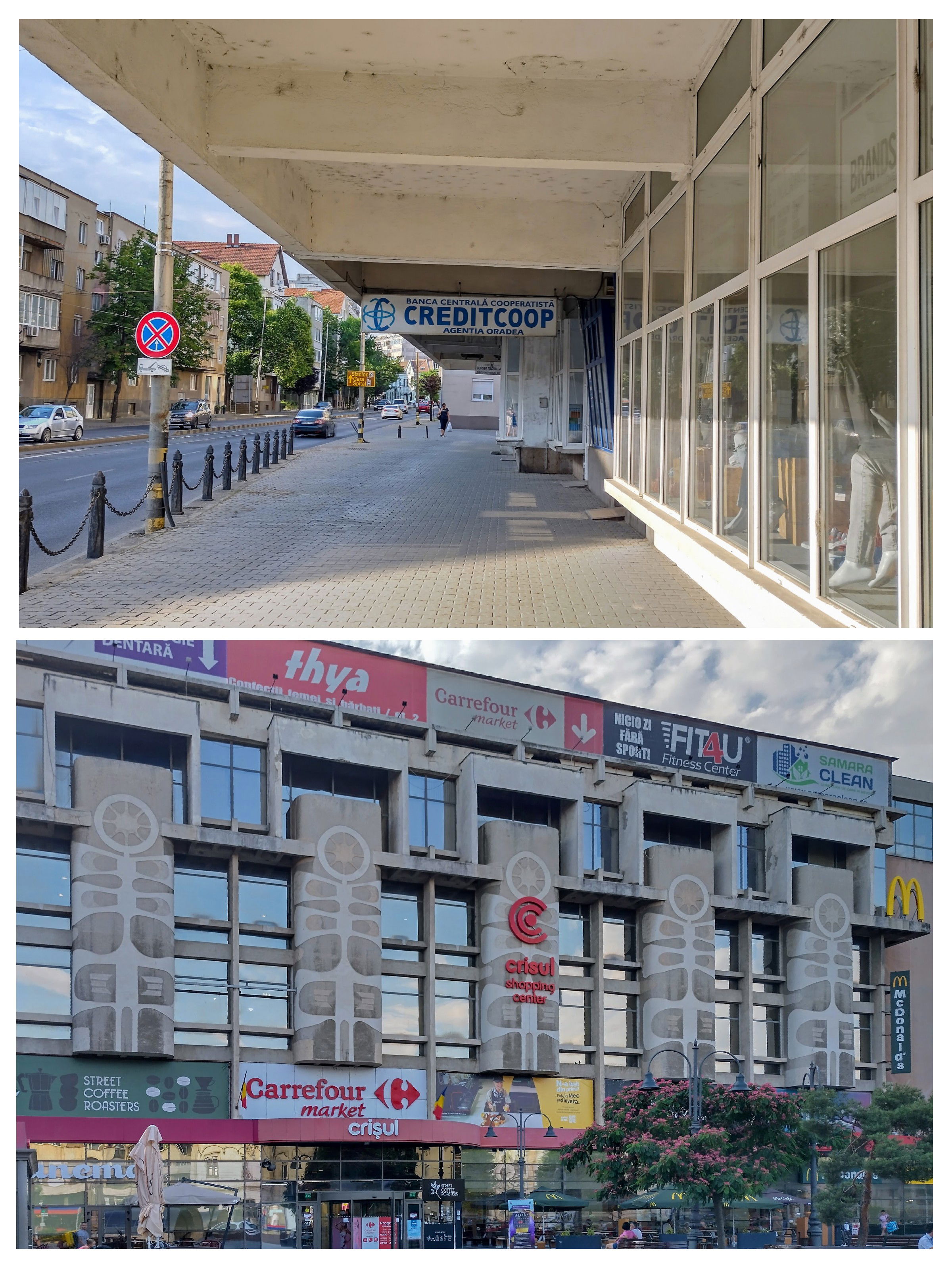
Între vechi și nou // Between old and new
Ziua 2 - Motivul pentru care am ales luna iulie, atât de călduroasă, pentru această excursie la Oradea a fost faptul că, între 4 și 6 iulie, aici s-a desfășurat Festivalul Medieval. Mai văzuserăm, în trecut, festivalul de la Sighișoara și știam că asemenea evenimente se organizează peste tot prin țară, în Transilvania, în Moldova... Însă despre cel de la Oradea abia auzisem și am vrut neapărat să-l vizităm.
Day 2 – The reason we chose the scorching month of July for this trip to Oradea was that, between July 4 and 6, the Medieval Festival was taking place here. We had seen the one in Sighișoara in the past and knew that such events are organized all over the country, in Transylvania, in Moldova… But we had barely heard about the one in Oradea and were determined to visit it.
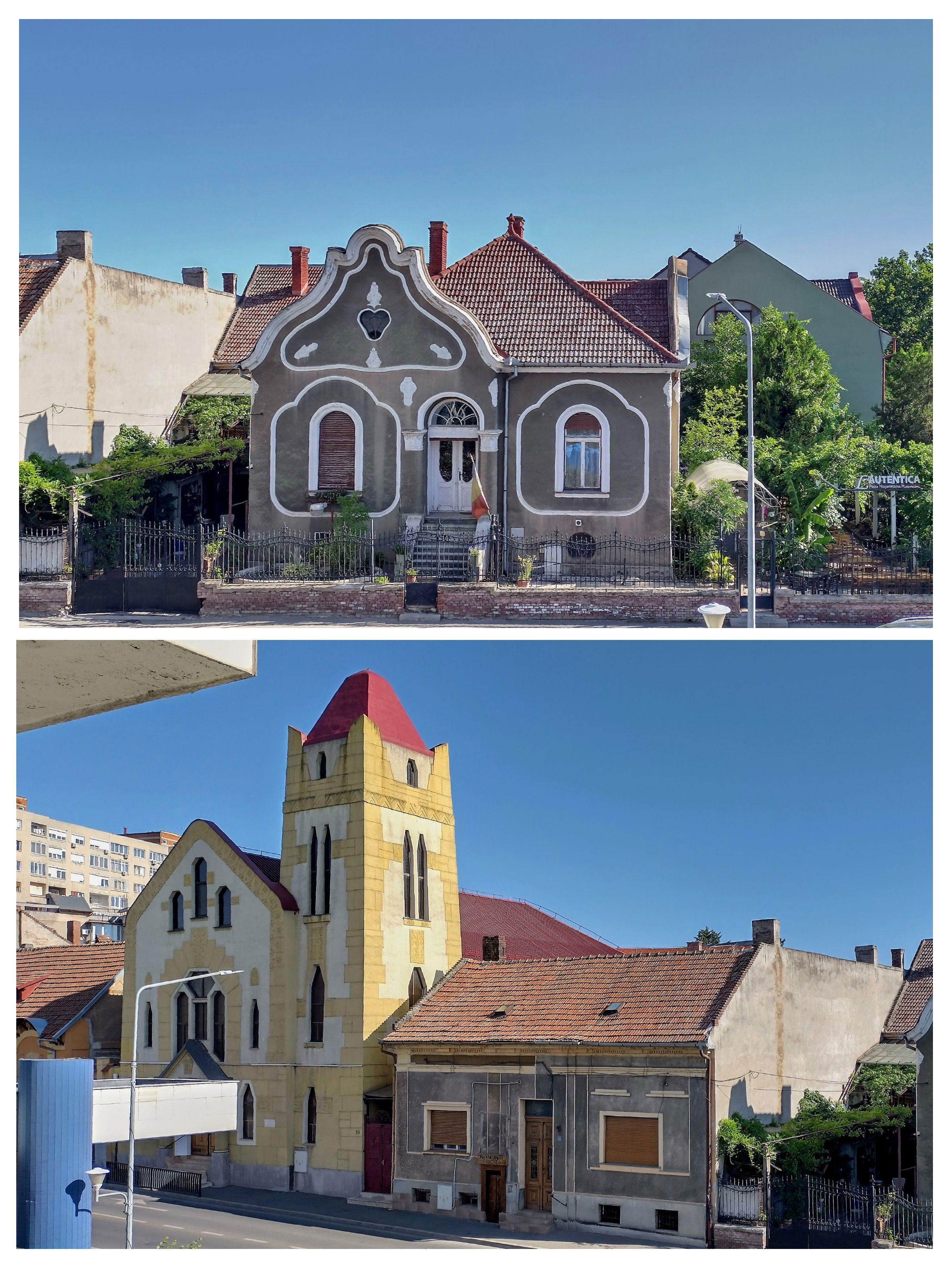
Am pornit dis-de-dimineață, ca să evităm căldurile absolut sufocante din ziua precedentă, chiar dacă astăzi se anunțau „doar” 30 °C, cu șapte grade mai puțin decât ieri. Chiar din spatele hotelului am descoperit frumoase căsuțe ce par de turtă dulce, cu o arhitectură ce nu are nimic românesc în sine.
We set off early in the morning to avoid the absolutely stifling heat of the previous day, even though today’s forecast promised “only” 30 °C, seven degrees less than yesterday. Right behind the hotel, we discovered beautiful little houses that looked like gingerbread cottages, with architecture that had nothing typically Romanian about it.
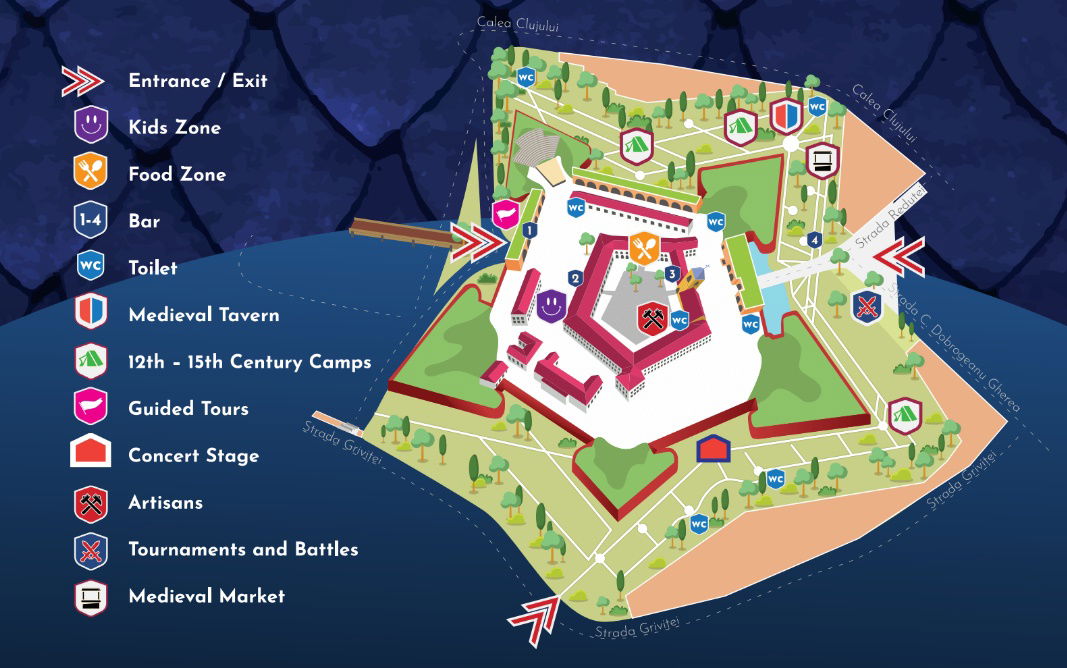
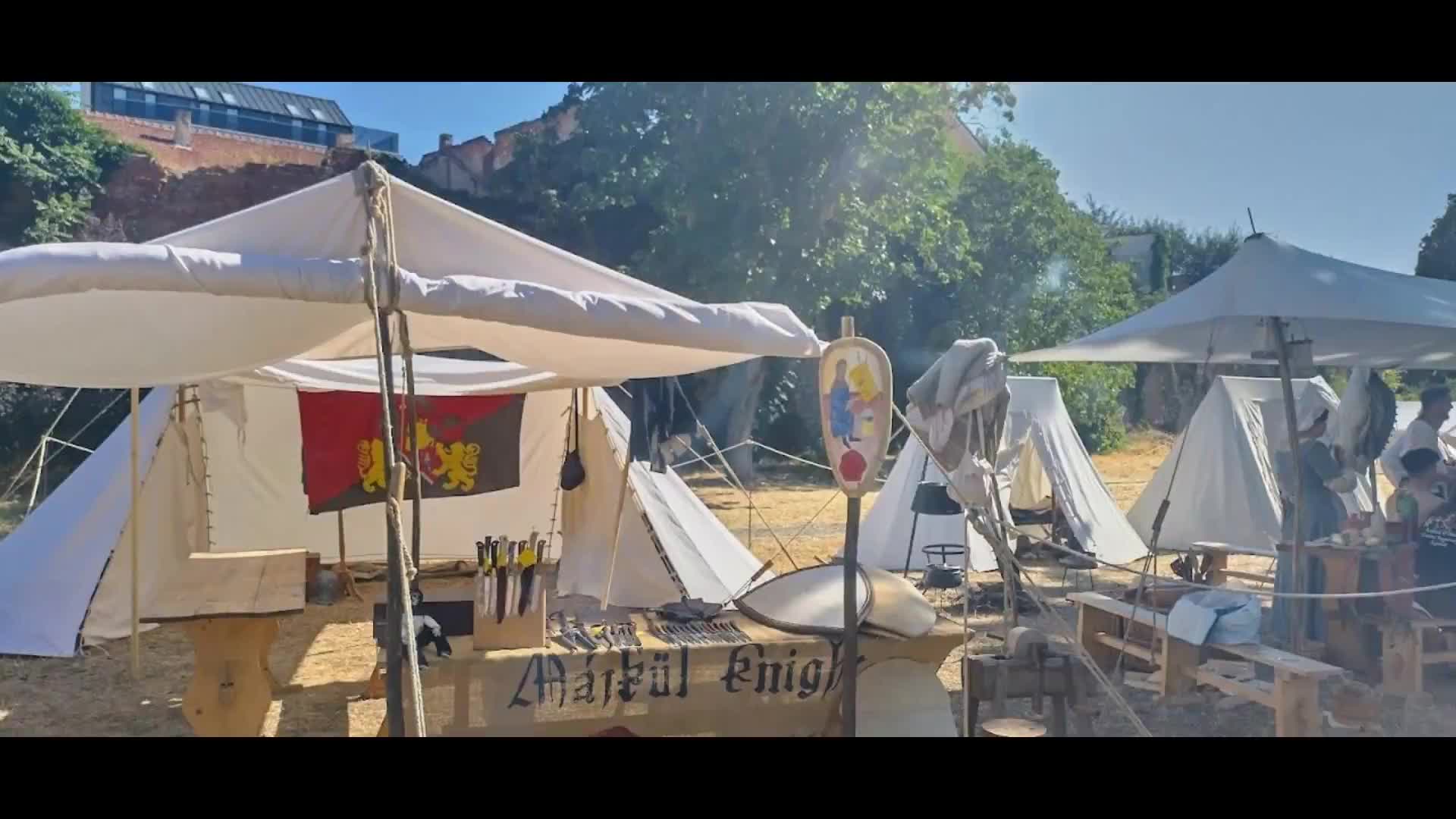
După câteva zeci de metri, traversând Crișul prin Piața Emanuil Gojdu – o intersecție foarte întortocheată – am intrat în Parcul din Șanțul Cetății pe Poarta de Vest, pe lângă Bastionul Ciunt, și am făcut înconjurul întregului parc pentru a vedea diversele tabere de comercianți, fierari, brutari, pielari, spălătorese, soldați, călăreți etc., reprezentând cu fantezie diferite bresle și națiuni, veniți în realitate din țările vecine (în majoritate Ungaria, dar și Cehia, Slovacia, Germania și altele).
After a few dozen meters, crossing the Criș River through Emanuil Gojdu Square—a very winding intersection—we entered the Park in the Fortress Moat through the West Gate, next to the Ciunt Bastion, and walked around the entire park to see the various camps of merchants, blacksmiths, bakers, tanners, washerwomen, soldiers, horsemen, and so on, creatively representing different guilds and nations, who in reality had come from neighboring countries (mostly Hungary, but also the Czech Republic, Slovakia, Germany, and others).
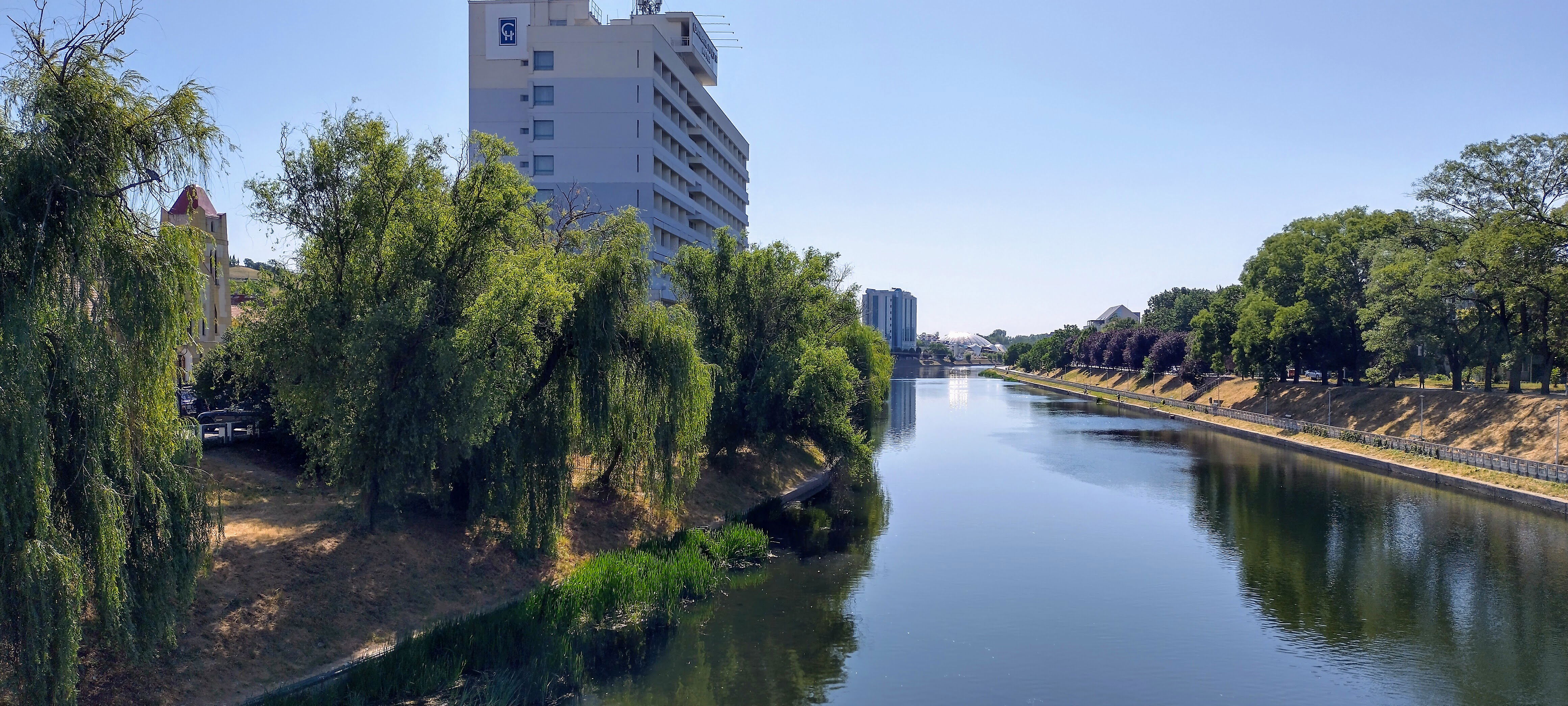
Crișul Repede văzut de pe Podul Dacia // The Crișul Repede River seen from the Dacia Bridge
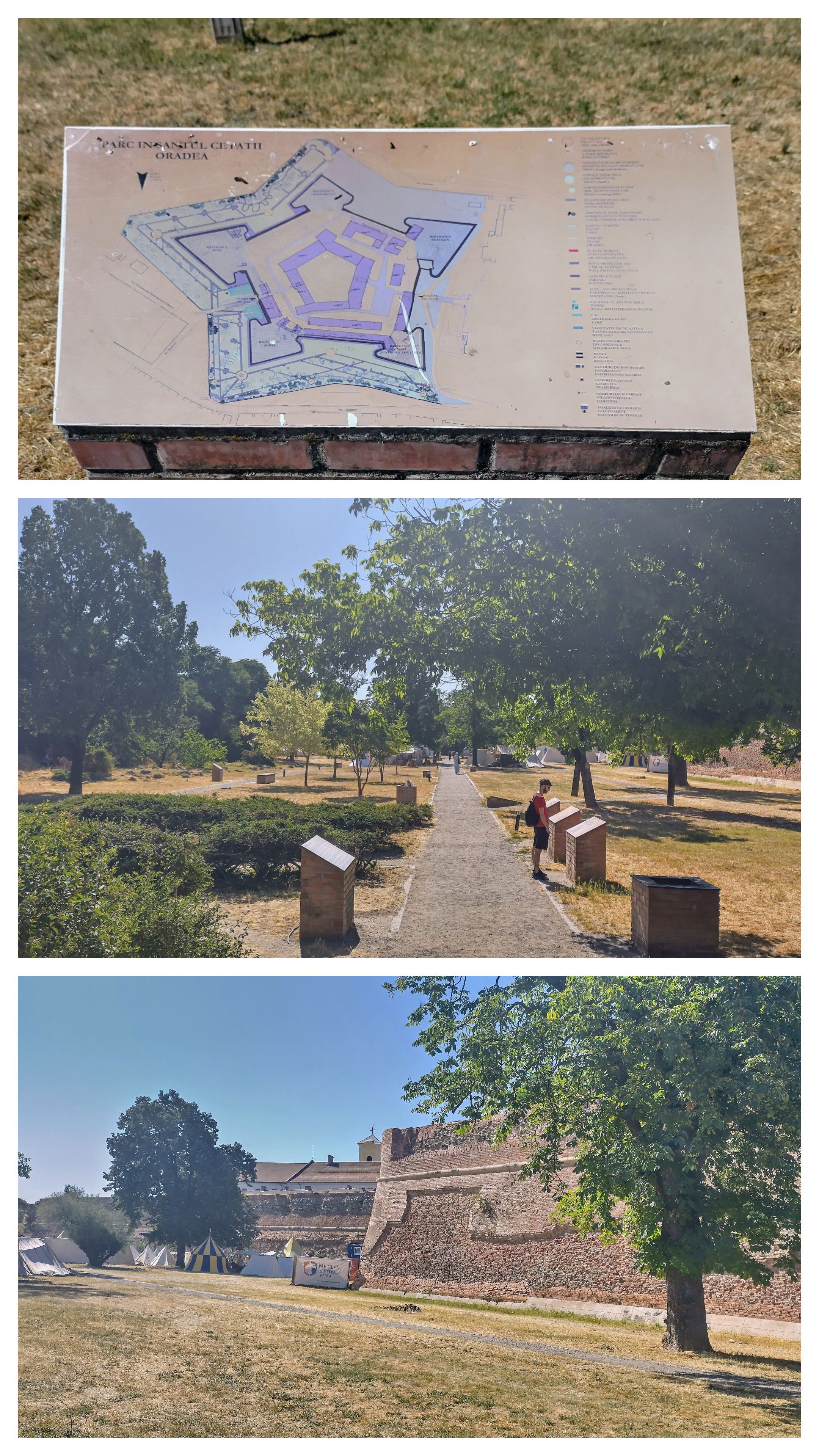
Parcul din Șanțul Cetății // The Park in the Fortress Moat
În amplul program al festivalului erau incluse dansuri, recitaluri de muzică instrumentală și vocală, competiții de tir cu arcul, turniruri ș.a.m.d. Noi, fiind acolo de dimineață, am asistat la o demonstrație cu vulturi, menționată oficial în program drept „Jocuri vânătorești cu păsări de pradă”.
The festival’s extensive program included dances, instrumental and vocal music recitals, archery competitions, jousts, and so on. Since we were there in the morning, we attended a falconry demonstration, officially listed in the program as “Hunting Games with Birds of Prey.”
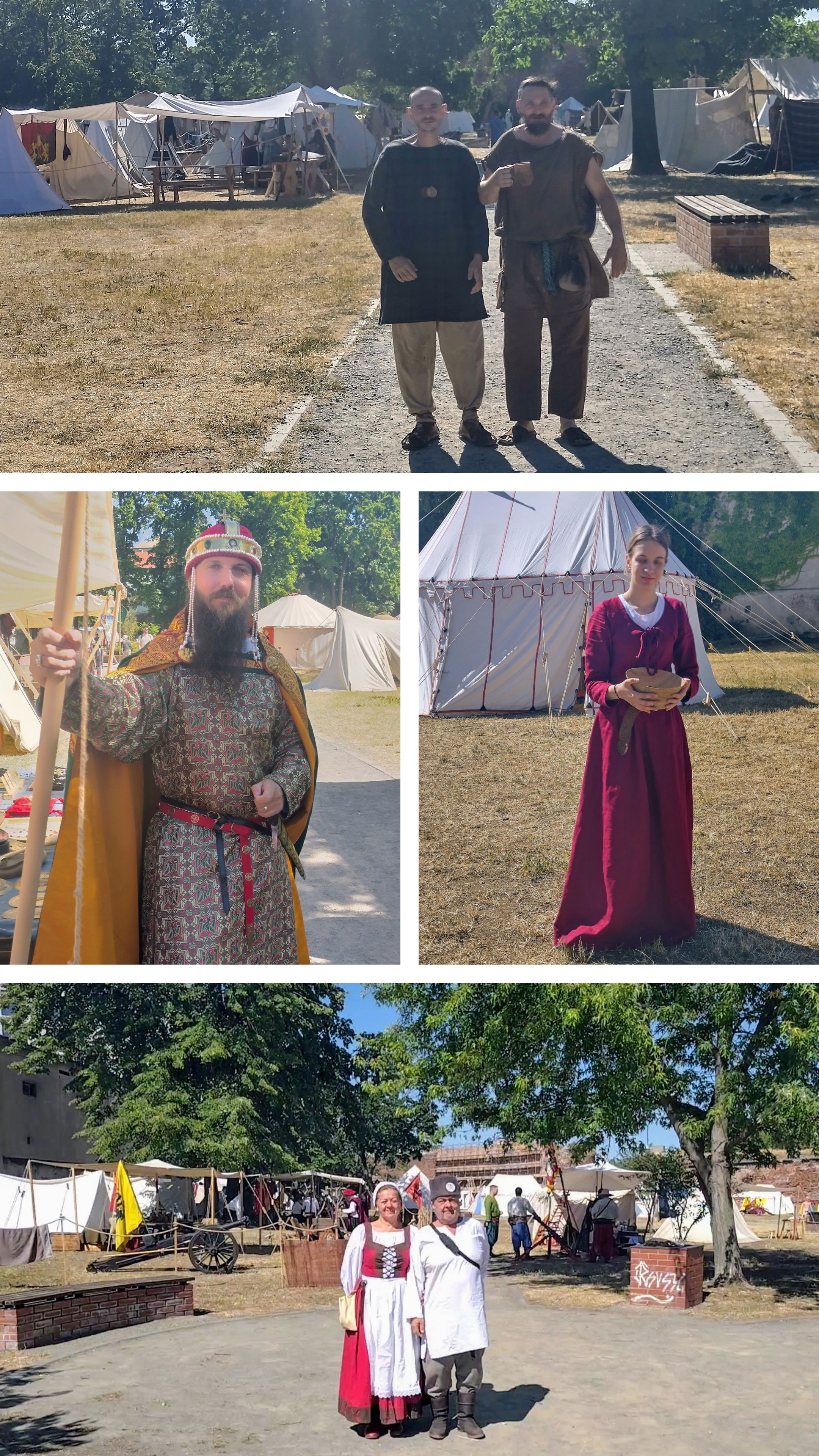
Pe parcurs, am întâlnit țărani, regi, dar și cupluri sau prieteni costumați în soți germanici sau vikingi, aflați la plimbare sau la treabă.
Along the way, we came across peasants, kings, as well as couples or friends dressed as Germanic spouses or Vikings, out for a walk or attending to their tasks.
Am făcut un scurt popas lângă Bastionul Aurit, în Parcul Dendrologic, unde am admirat un pâlc de nuferi înfloriți, ceva ce seamănă a lavandă înaltă mov (dar nu e lavandă) și tufe stufoase de lavandă galbenă (ce nu seamănă a lavandă).
We made a short stop near the Gilded Bastion, in the Dendrological Park, where we admired a cluster of blooming water lilies, something resembling tall purple lavender (but not actually lavender), and dense bushes of yellow lavender (which doesn’t really look like lavender).
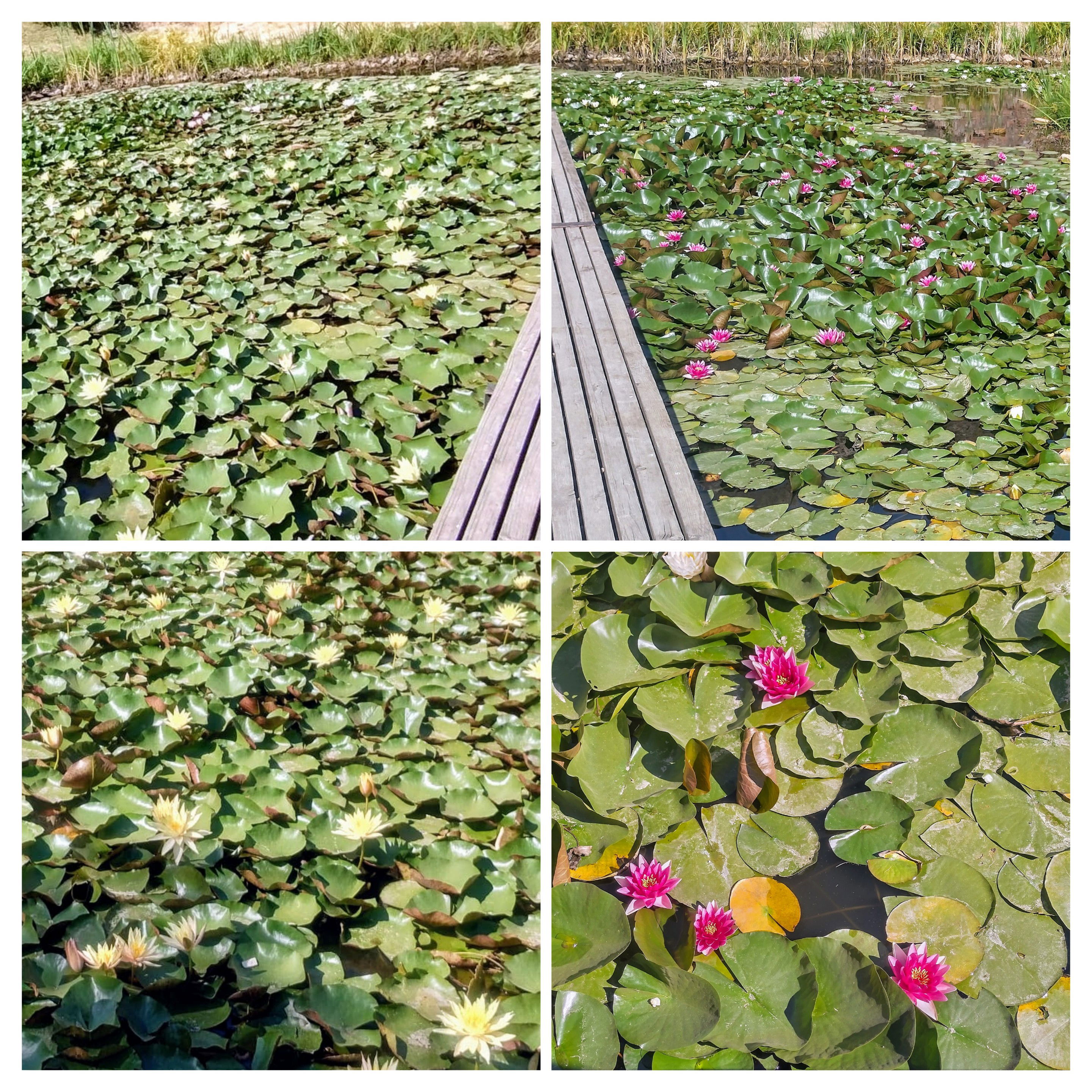
Nymphaea
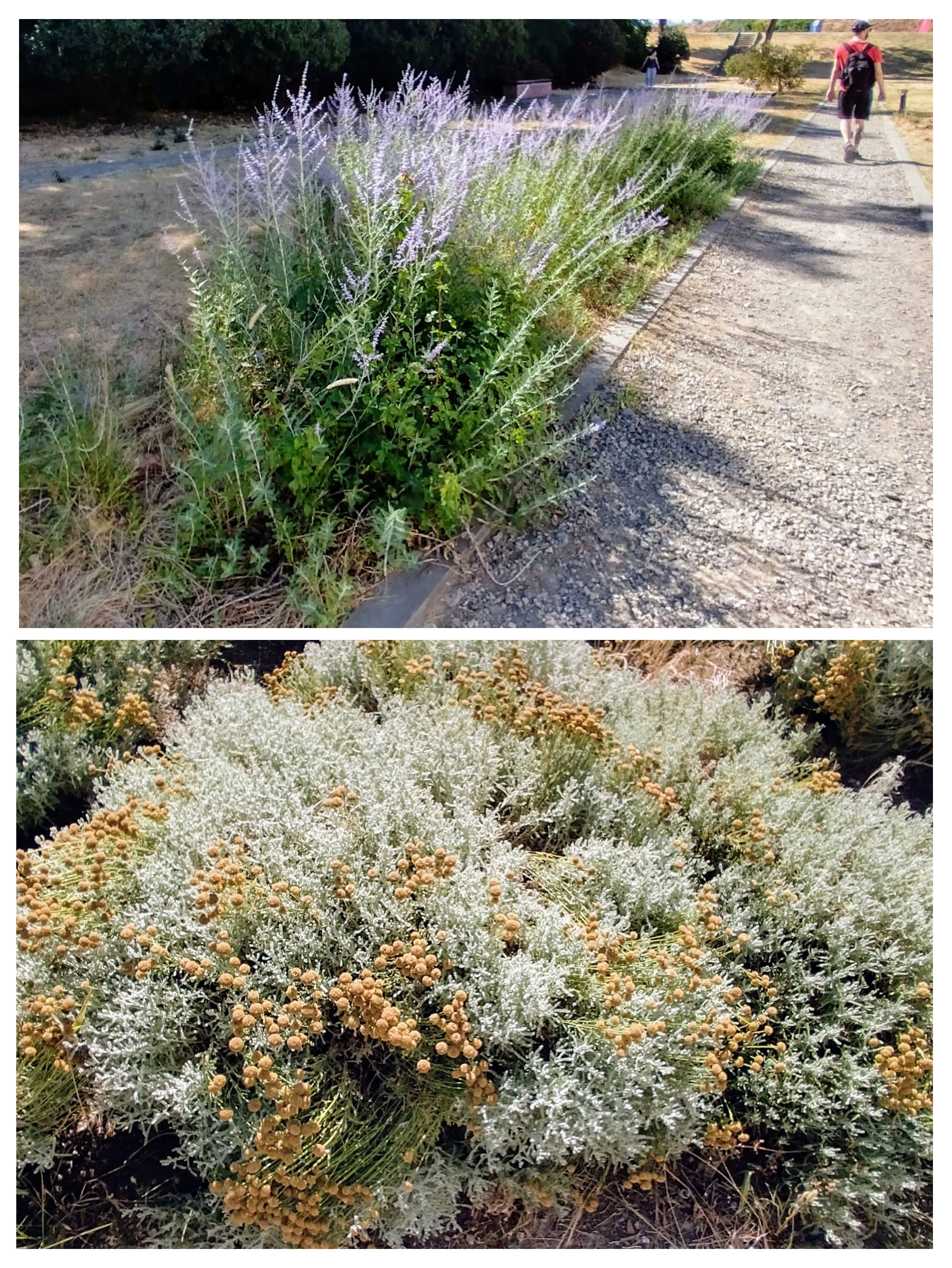
Sus: Salvie rusească (Perovskia atriplicifolia); jos: lavandă galbenă (Santolina chamaecyparissus) // Up: Russian sage (Perovskia atriplicifolia); down: Lavender-cotton (Santolina chamaecyparissus)
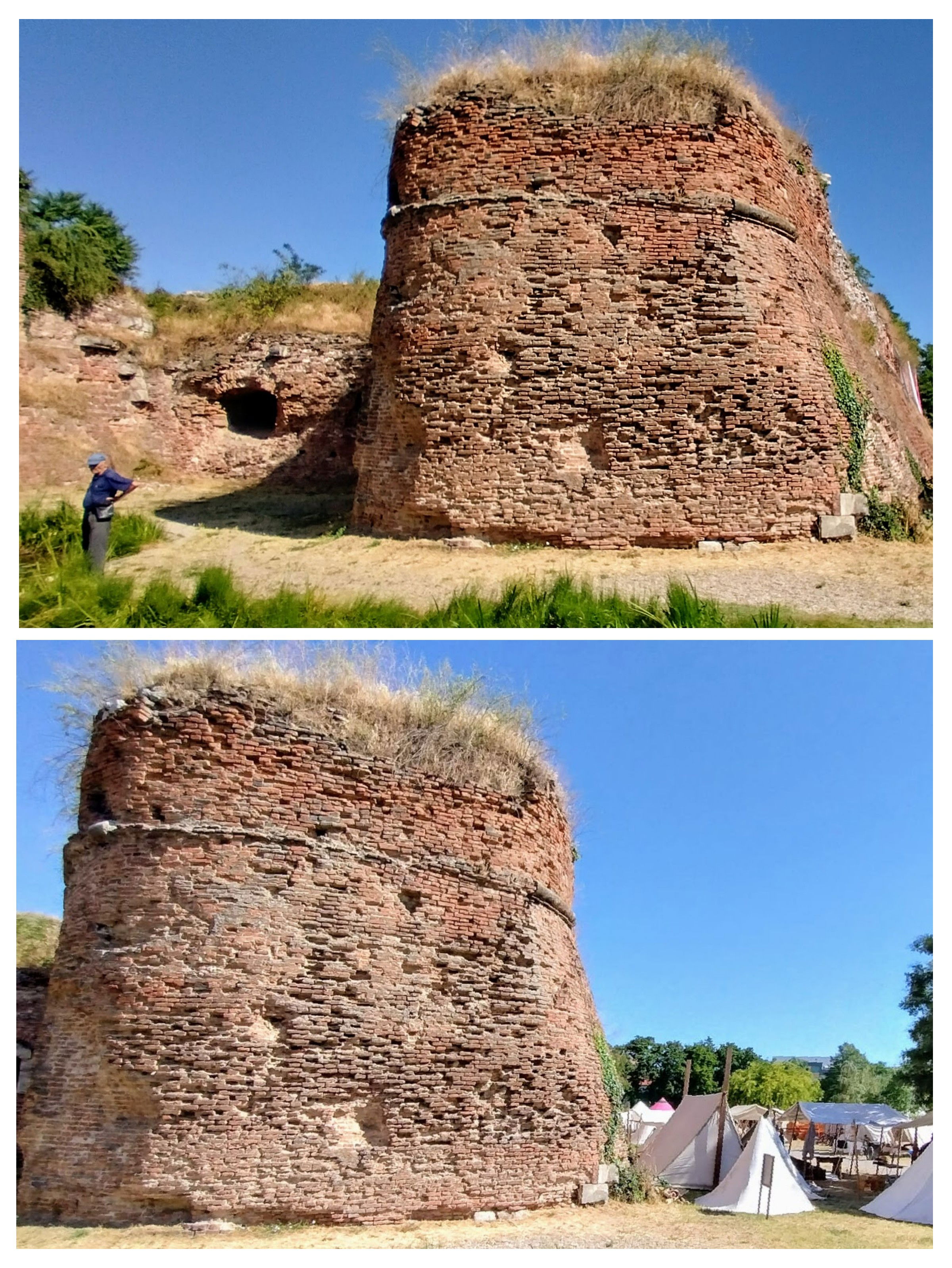
Bastionul Aurit // The Guilded Bastion
Am continuat apoi, pe cealaltă parte a Străzii Redutei, prin șanțul cetății. După ce am vizitat toate corturile, ne-am întors pe aceeași stradă unde, între Bastionul Aurit și Bastionul Roșu, se află Poarta de Est și intrarea principală în cetate.
We then continued on the other side of Redutei Street, through the fortress moat. After visiting all the tents, we returned to the same street where, between the Gilded Bastion and the Red Bastion, the East Gate and the main entrance to the fortress are located.
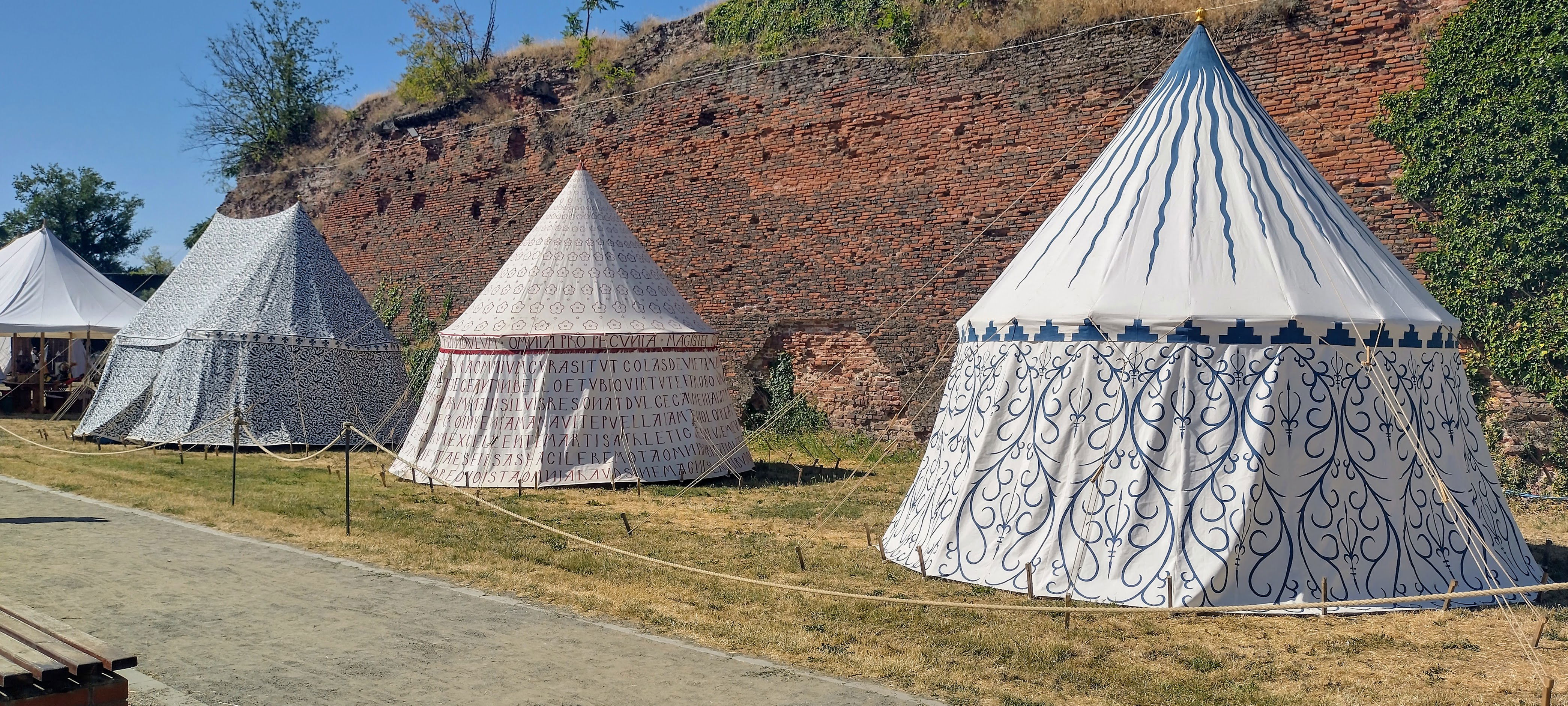
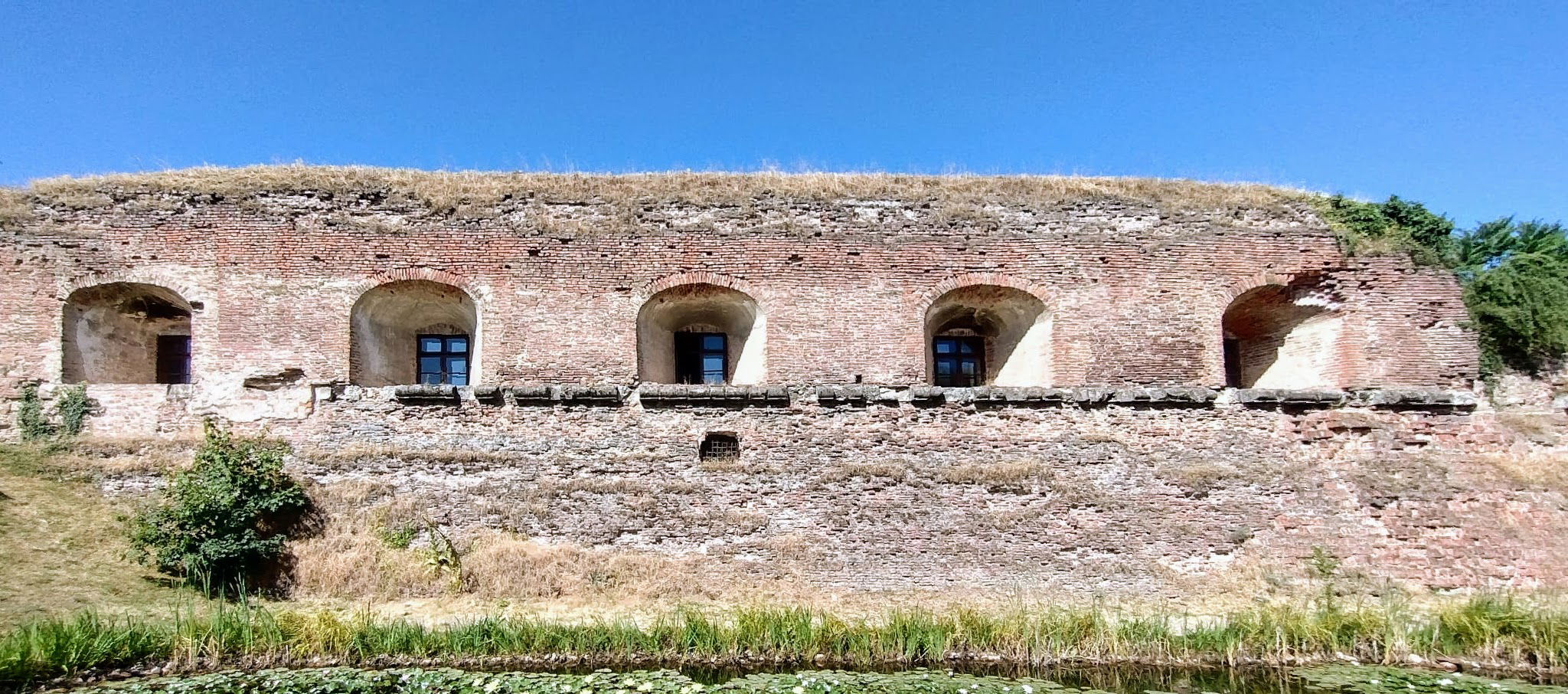
Intrăm și noi în curtea cetății, unde festivalul medieval se desfășoară comercial în toată splendoarea lui, cu tarabe pline de mâncare și bere, kürtőskalács și obiecte artizanale. Mi-am cumpărat și eu, cu entuziasm, o borsetă absolut superbă, lucrată manual din fibre reciclate (de la re-bag)!
We step into the fortress courtyard, where the medieval festival is in full commercial swing, with stalls full of food and beer, kürtőskalács, and artisanal crafts. I enthusiastically bought myself a gorgeous handmade fanny pack made from recycled fibers (from re-bag)!
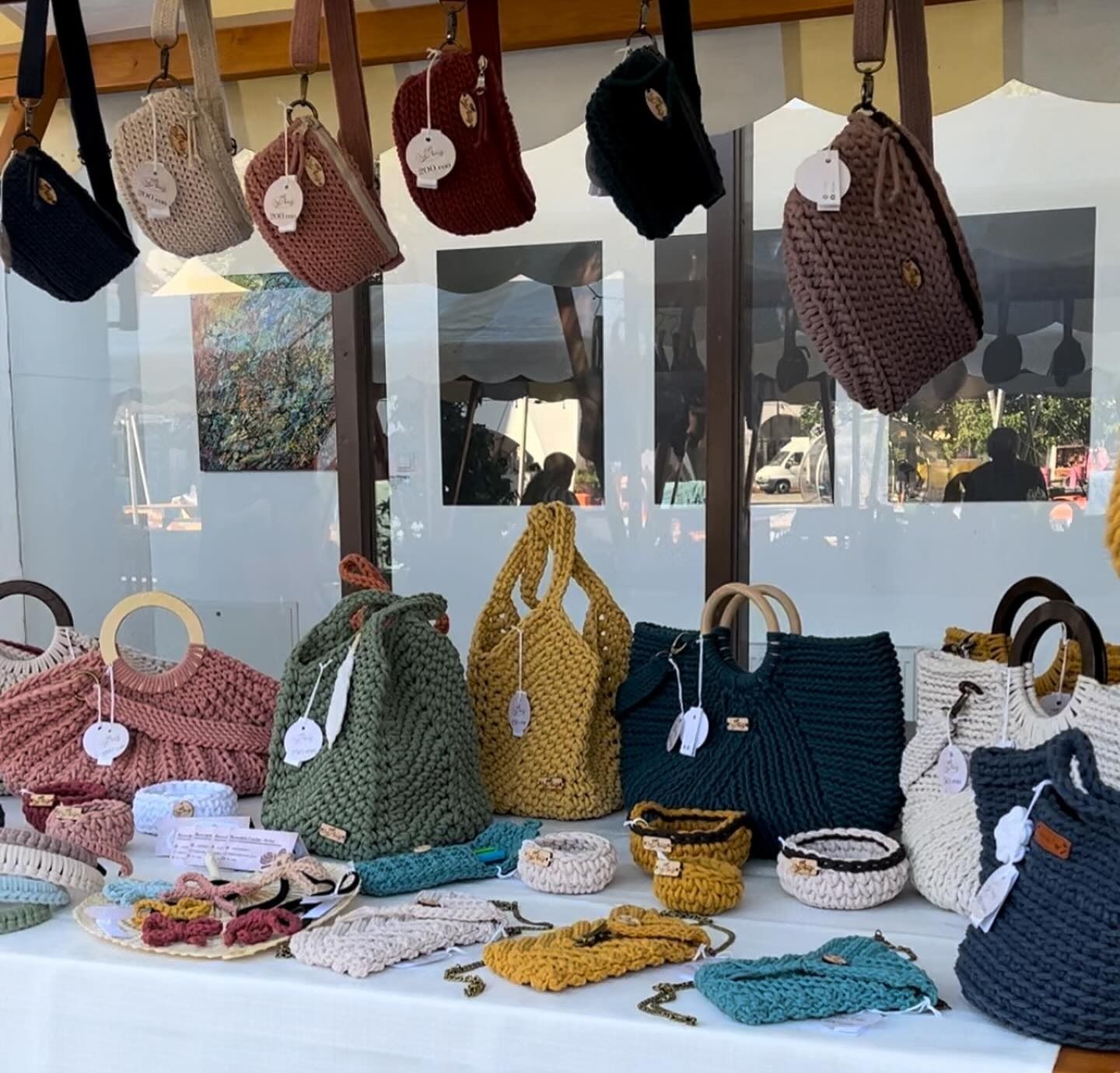
Acum, că am și borsetă, suntem gata să învățăm despre istoria orașului! :)
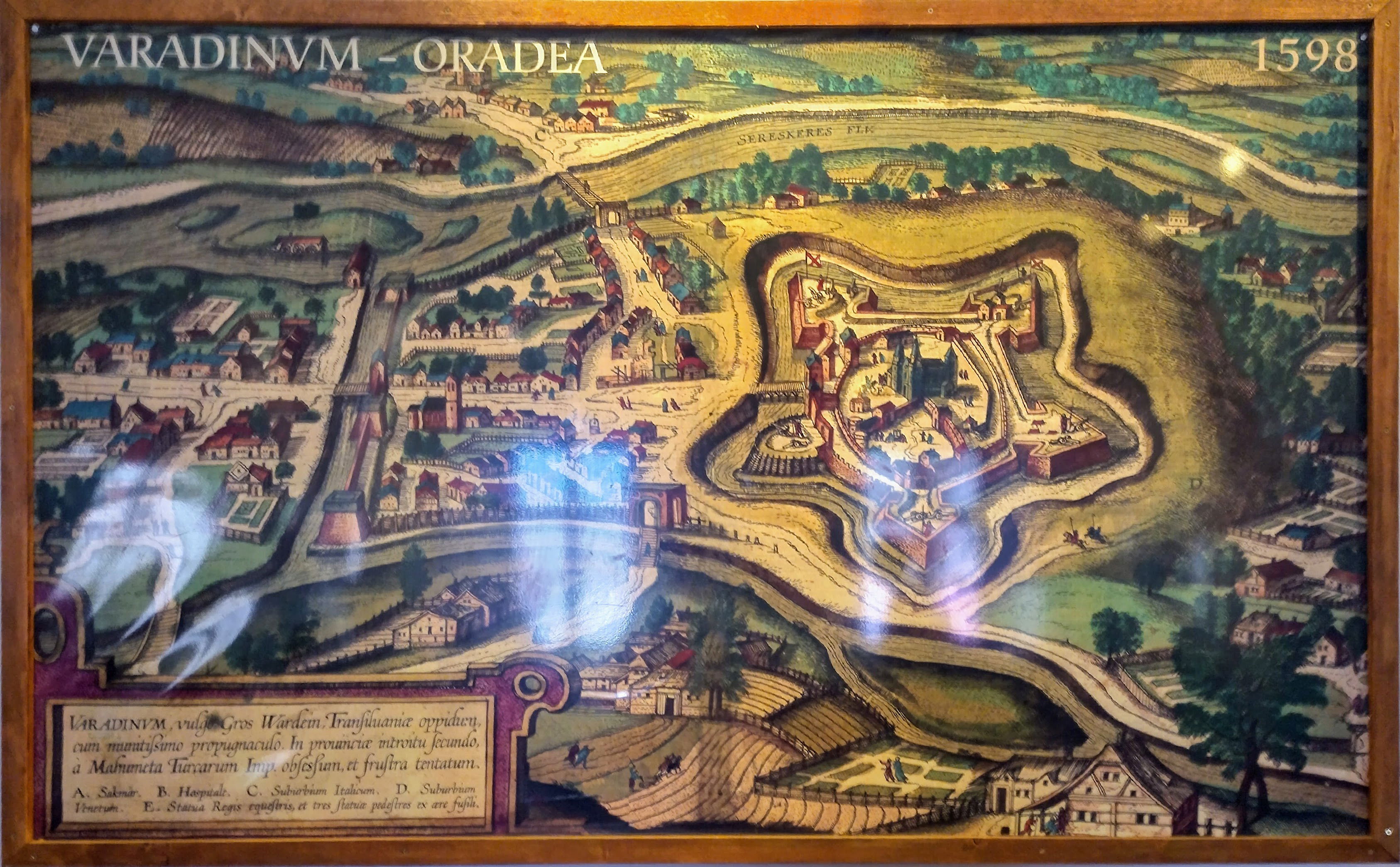
Istoria Oradiei, deși orașul are un nume latin, începe oficial în secolul al XI-lea, odată cu regele maghiar Ladislau I. O descoperim și noi, pas cu pas, de-a lungul turului prin Muzeul Orașului Oradea.
Oradea este un oraș cu o istorie care se întinde pe multe secole, fiind atestat documentar pentru prima dată în anul 1113. Descoperirile arheologice atestă însă urme de locuire mult mai vechi, din preistorie, epoca bronzului, epoca fierului și perioada dacică. În Evul Mediu, orașul a devenit un important centru economic, cultural și religios, aici funcționând Episcopia Romano-Catolică de Oradea.
Now that I also have a fanny pack, we are ready to learn about the city’s history! :)
The history of Oradea, although the city has a Latin name, begins officially in the 11th century with the Hungarian King Ladislaus I. We also discover it step by step during the tour through the Oradea City Museum.
Oradea is a city with a history spanning many centuries, first documented in 1113. Archaeological discoveries show much older traces of habitation, from prehistory, the Bronze Age, the Iron Age, and the Dacian period. In the Middle Ages, the city became an important economic, cultural, and religious center, hosting the Roman Catholic Diocese of Oradea.
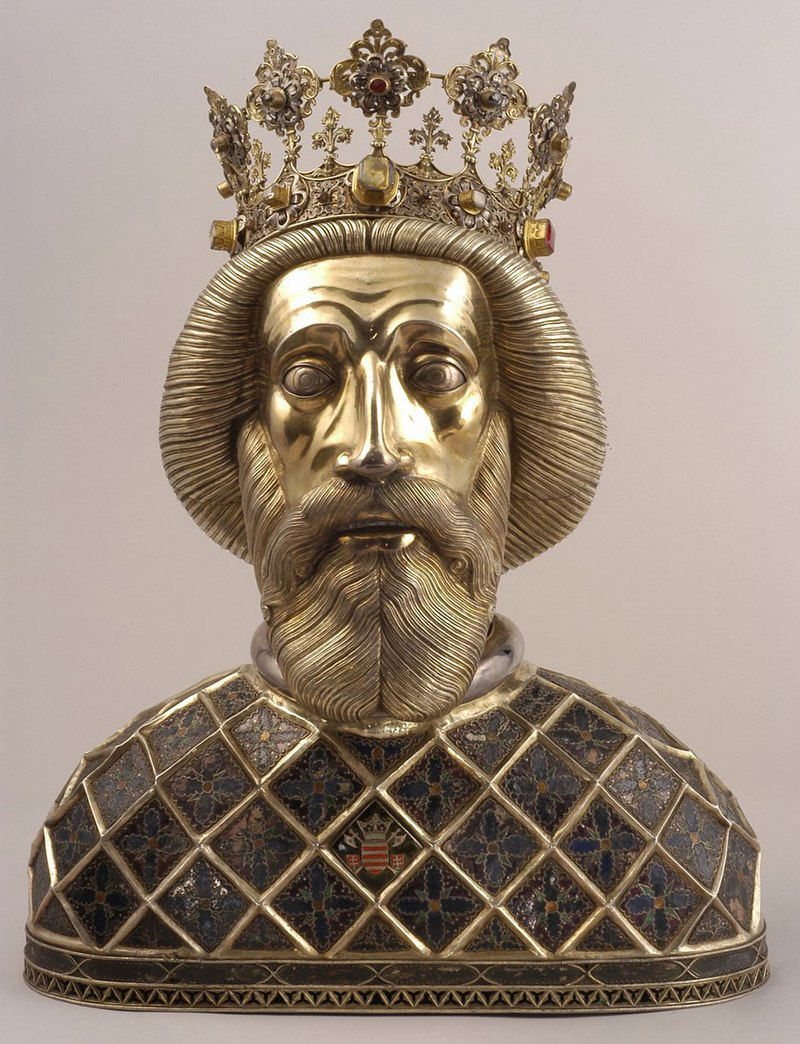
Legenda spune că regele Ladislau I al Ungariei (1077–1095) se afla la vânătoare într-o zonă mlăștinoasă și împădurită de la sud-est de actuala cetate, numită ulterior Grădina Cerbilor. Obosit după goana cerbilor, a adormit, iar în vis i-a apărut un înger care i-a cerut să ridice o biserică închinată Fecioarei Maria. Regele a împlinit porunca, punând astfel bazele primei biserici și ale nucleului viitoarei Cetăți Oradea.
Legend says that King Ladislaus I of Hungary (1077–1095) was hunting in a marshy and wooded area southeast of the present-day fortress, later called the Deer Garden. Tired after chasing deer, he fell asleep and dreamed of an angel who asked him to build a church dedicated to the Virgin Mary. The king obeyed, thus laying the foundation for the first church and the nucleus of the future Oradea Fortress.
Scurt istoric al cetății:
- Secolul XI – Cetatea Oradea a fost fondată ca o fortificație de pământ (castrum), cu palisadă din lemn și șanț de apărare.
- Secolul XIII – Se ridică biserica „Sfânta Fecioara Maria Mică”, parțial distrusă de marea năvălire tătară din 1241, reconstruită apoi și funcționând alături de viitoarea catedrală gotică.
- Secolul XIV – Cetatea este reconstruită din piatră, iar catedrala gotică este începută sub îndrumarea episcopului Andrei Báthory. Avea trei nave și o fațadă flancată de două turnuri. În interiorul ei au fost înmormântate personalități marcante, între care regele Ladislau (devenit cel Sfânt) și Sigismund de Luxemburg, regele Ungariei (1387–1437) și împărat romano-german (1433–1437).
- Secolul XV – Catedrala devine un centru religios major în regiune.
- Secolul XVI – Începe transformarea cetății într-o fortăreață bastionară în stil italian, în formă de stea, cu cinci bastioane: Ciunt, Bethlen, Crăișorul, Roșu și Aurit. În 1565 o răzmeriță distruge grav catedrala gotică, iar în 1660 cetatea este cucerită de turci.
- 1692 – Austriecii cuceresc cetatea și încep un amplu proces de reconstrucție și reorganizare. Cetatea devine centru militar și administrativ.
- Secolul XVII–XVIII – Se dezvoltă ansamblul Palatului Princiar și al clădirilor adiacente: Corpurile A, B, C, D, E, G, I și K, construite de-a lungul a peste 150 de ani. În aceeași perioadă, arhitectul militar Lodovico Marini reorganizează ansamblul, construind biserica romano-catolică a garnizoanei și consolidând sistemul defensiv.
- Secolul XIX–XX – Cetatea joacă un rol important în asediul curuților, în Revoluția de la 1848–1849 și în evenimentele începutului de secol XX.
Short history of the citadel:
- 11th century – Oradea Fortress was founded as an earthen fortification (castrum), with a wooden palisade and a defensive ditch.
- 13th century – The “Holy Virgin Mary” Church was built, partially destroyed during the great Tatar invasion of 1241, later rebuilt and functioning alongside the future Gothic cathedral.
- 14th century – The fortress was rebuilt in stone, and the Gothic cathedral was begun under the guidance of Bishop Andrei Báthory. It had three naves and a façade flanked by two towers. Important figures were buried inside, including King Ladislaus (by now, the Saint) and Sigismund of Luxembourg, King of Hungary (1387–1437) and Holy Roman Emperor (1433–1437).
- 15th century – The cathedral became a major religious center in the region.
- 16th century – The fortress began its transformation into an Italian-style bastion fort in a star shape with five bastions: Ciunt, Bethlen, Crăișorul, Red, and Gilded. In 1565 a rebellion gravely damaged the Gothic cathedral, and in 1660 the fortress was conquered by the Turks.
- 1692 – The Austrians captured the fortress and began an extensive process of reconstruction and reorganization. The fortress became a military and administrative center.
- 17th–18th centuries – The Princely Palace complex and adjacent buildings were developed: buildings A, B, C, D, E, G, I, and K, built over more than 150 years. During the same period, military architect Lodovico Marini reorganized the complex, building the Roman Catholic garrison church and strengthening the defensive system.
- 19th–20th centuries – The fortress played an important role during the Kuruc siege, in the 1848–1849 Revolution, and in the early 20th-century events.
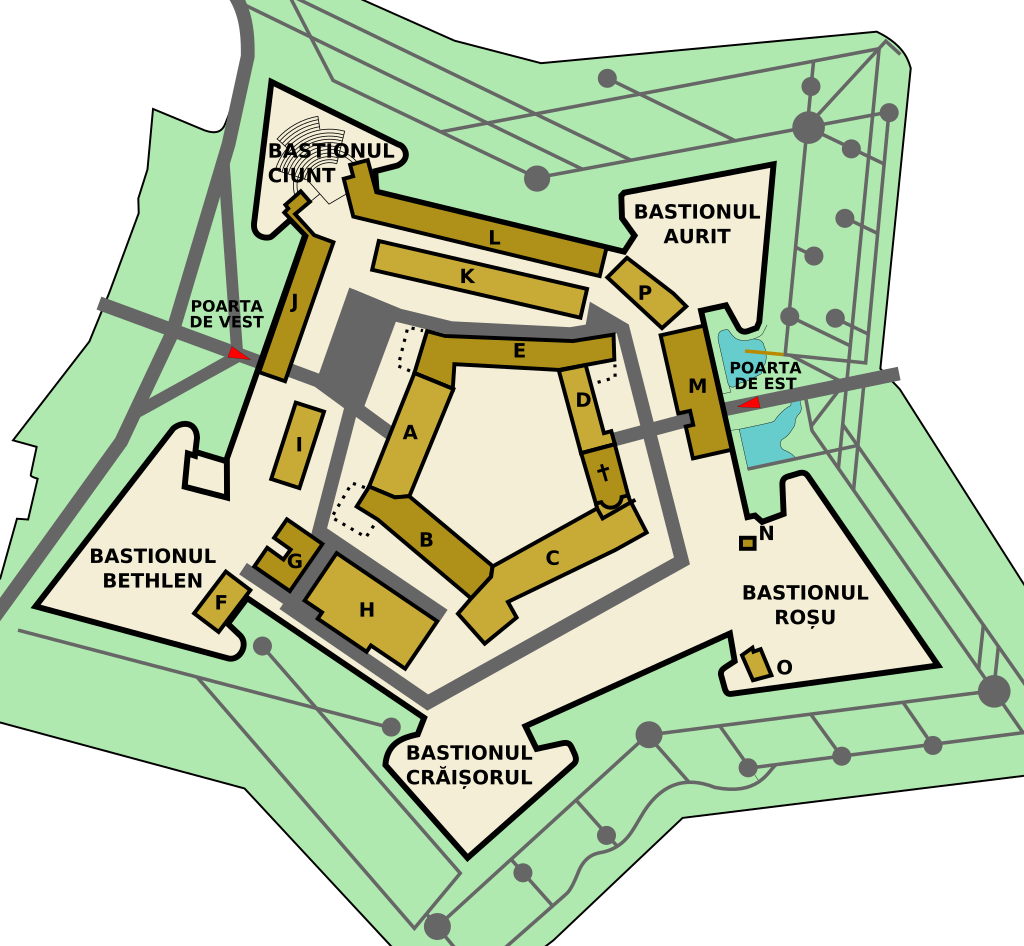
Cetatea Oradea este o fortăreață bastionară în stil italian, considerată unul dintre cele mai frumoase monumente ale Renașterii târzii din Europa Centrală. Este înconjurată de bastioane stelare, ziduri groase, șanțuri și curtine care îi accentuează caracterul defensiv. În curtea interioară este marcată la sol amprenta fostei catedrale gotice, distrusă în 1565, ce reprezenta odinioară centrul ansamblului medieval.
De-a lungul laturilor cetății se află corpurile istorice construite între secolele XVII–XVIII, fiecare cu roluri distincte: reședință princiară, spații pentru suită, comandament militar, cazărmi, anexe administrative și gospodărești. Printre cele mai importante se numără Corpul A, ridicat de principele Gabriel Bethlen ca Palat Princiar, Corpul B, destinat suitei, și Corpul C, reședința principelui Gheorghe Rákóczi al II-lea. Alături de acestea se disting clădirile destinate administrației austriece, depozitelor și porții principale a cetății, peste care a fost ridicată ulterior o clădire nouă. Un reper al sistemului defensiv original rămâne Turnul B/C, singurul turn de colț păstrat integral.
Oradea Fortress is an Italian-style bastion fort, considered one of the most beautiful Late Renaissance monuments in Central Europe. It is surrounded by star-shaped bastions, thick walls, ditches, and curtain walls that highlight its defensive character. In the inner courtyard, the outline of the former Gothic cathedral, destroyed in 1565 and once the center of the medieval complex, is marked on the ground.
Along the sides of the fortress are historical buildings constructed between the 17th and 18th centuries, each with distinct roles: princely residence, suite quarters, military command, barracks, administrative and household annexes. Among the most important are Building A, built by Prince Gabriel Bethlen as the Princely Palace, Building B, intended for the suite, and Building C, the residence of Prince George Rákóczi II. Alongside these are buildings used by the Austrian administration, storage facilities, and the main gate of the fortress, later overbuilt by a new structure. A landmark of the original defensive system remains Tower B/C, the only fully preserved corner tower.

Astăzi, cetatea găzduiește Muzeul Orașului Oradea, aflat în corpurile A și B, cel mai generos și atractiv spațiu expozițional al ansamblului. Muzeul valorifică istoria cetății și a orașului prin expoziții permanente și temporare, reunind fragmente esențiale din trecutul Oradiei.
Printre cele mai apreciate expoziții permanente se numără cea dedicată Primului Război Mondial și generalului Traian Moșoiu, dar și expoziția dedicată culturii pop și discotecilor anilor ’70–’90, o incursiune inedită în viața tineretului de altădată. De asemenea, muzeul găzduiește periodic expoziții temporare spectaculoase.
Pentru cei care nu pot ajunge fizic, există și un tur virtual al cetății și, mai jos (doar în limba română) un scurt tur ghidat. Voi adăuga doar câteva fotografii suplimentare, pentru exemplificare sau completare.
Today, the fortress houses the Oradea City Museum, located in Buildings A and B, the largest and most attractive exhibition space of the complex. The museum showcases the history of the fortress and the city through permanent and temporary exhibitions, bringing together essential fragments from Oradea's past.
Among the most appreciated permanent exhibitions are the one dedicated to World War I and General Traian Moșoiu, as well as the exhibition dedicated to pop culture and discos of the 1970s–1990s, an original journey into the youth culture of the past. The museum also periodically hosts spectacular temporary exhibitions.
For those who cannot visit in person, there is also a virtual tour of the fortress and, below (sadly, available only in Romanian), a short guided tour. I will add only a few additional photos, as examples or for completion.
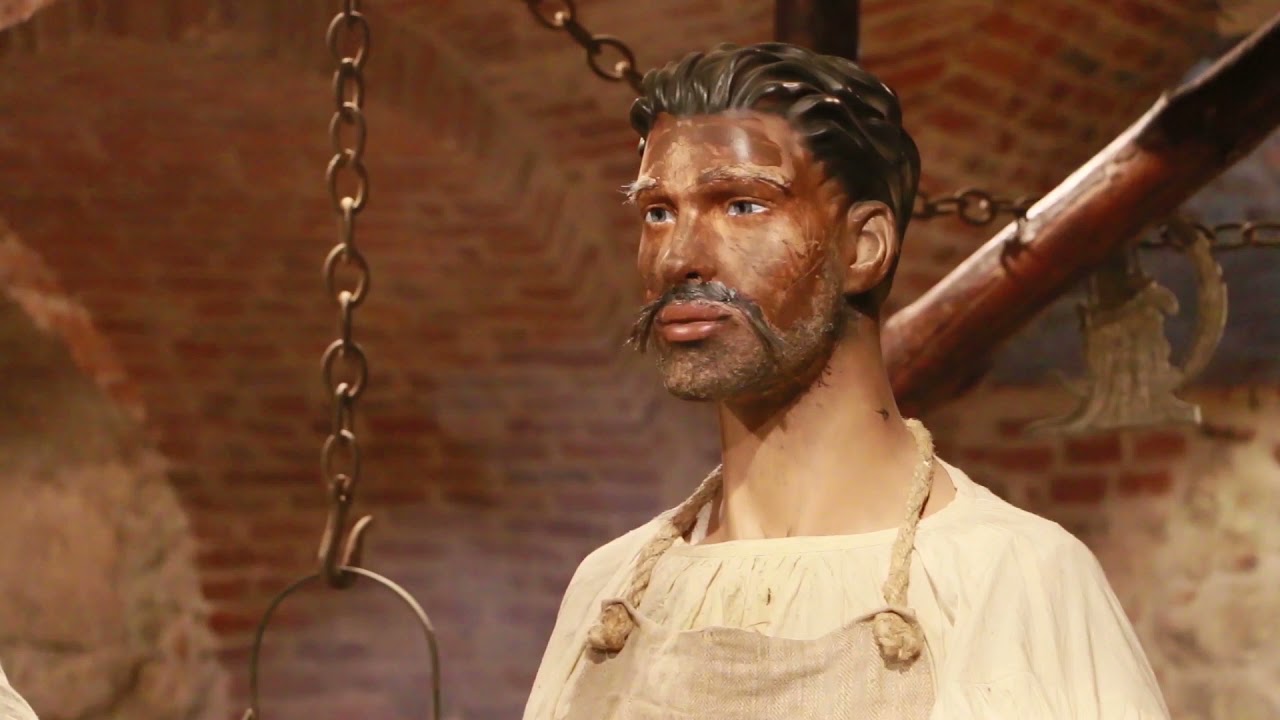
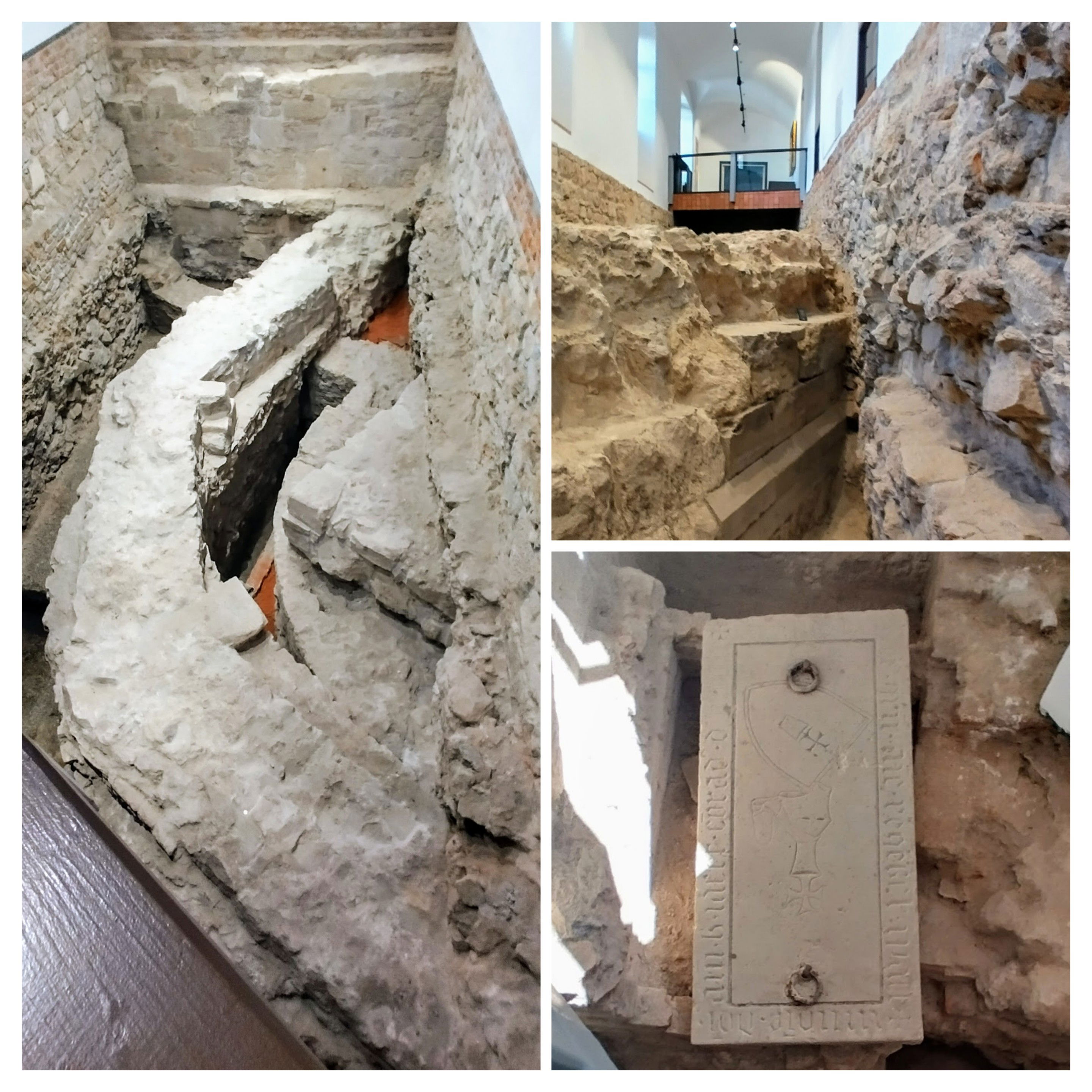
Începem cu subsolul, sau etajul 1 al turului virtual, unde Lapidariumul ocupă spațiul de sub ambele corpuri. Aici vedem diverse vestigii arheologice și arhitectonice, în principiu fragmente din fosta catedrală.
We begin with the basement, or the first floor of the virtual tour, where the Lapidarium occupies the space beneath both buildings. Here we see various archaeological and architectural remains, mainly fragments from the former cathedral.
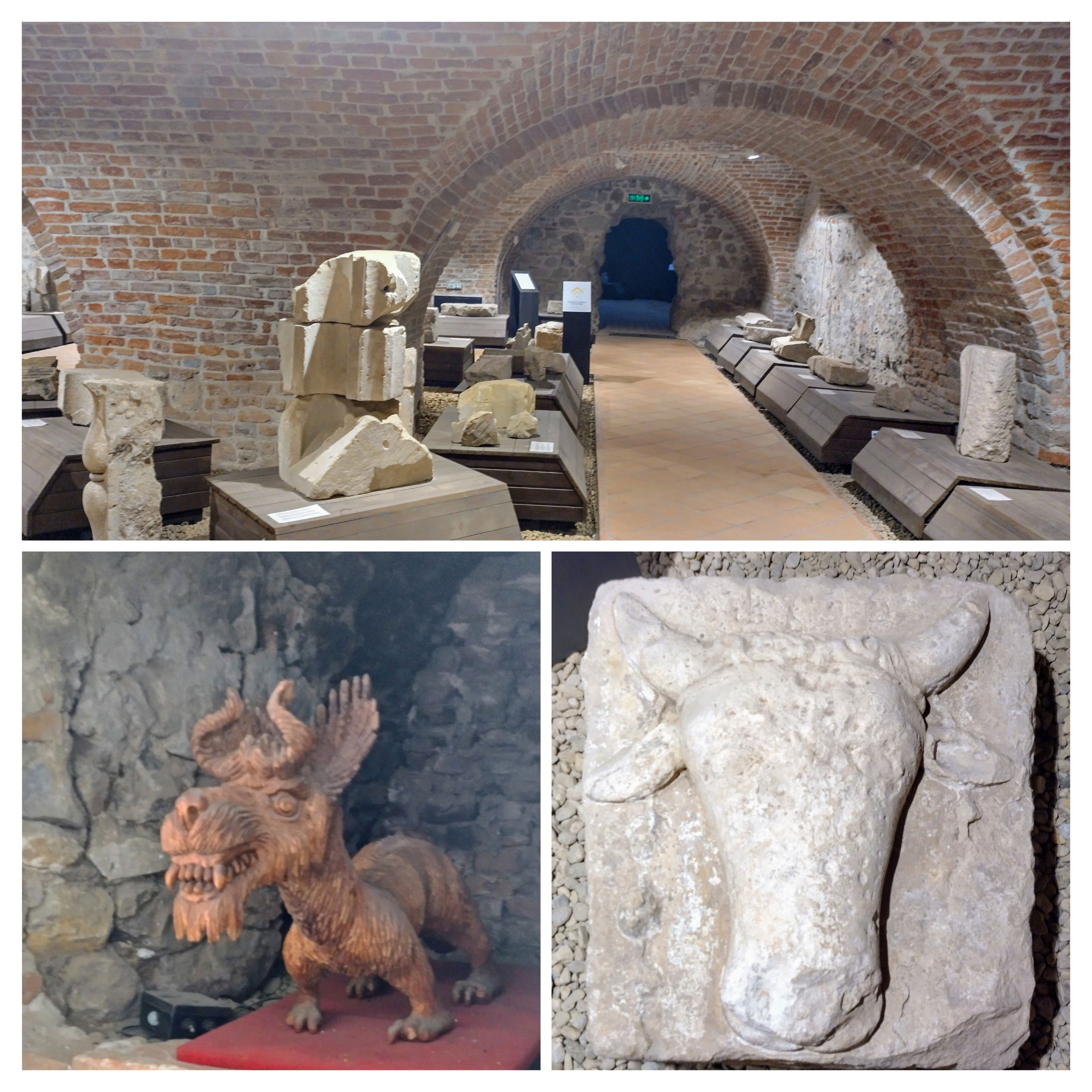
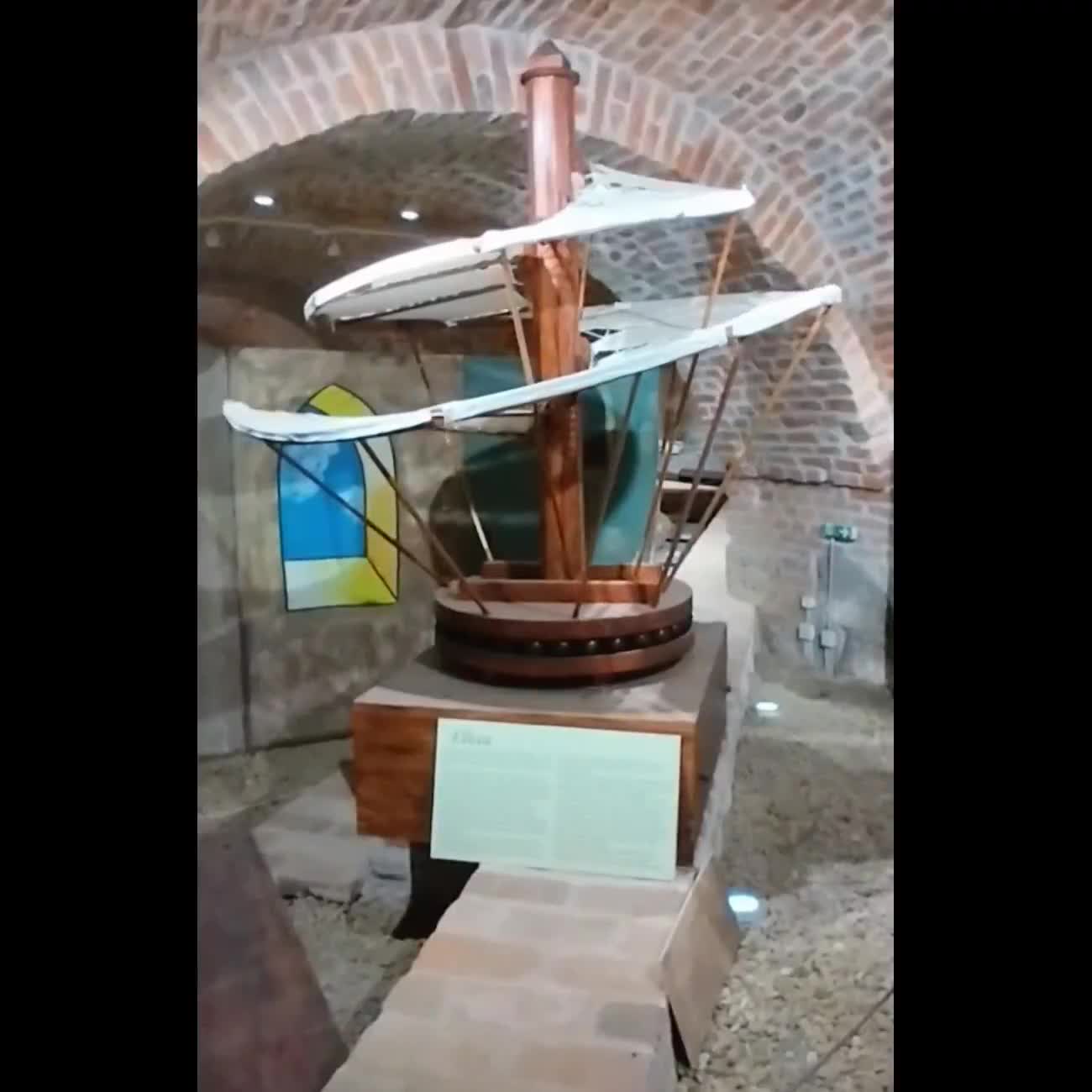
Tot aici este instalată și expoziția temporară Invențiile lui Leonardo da Vinci.
Also here is the temporary exhibition Leonardo da Vinci's Inventions.
Continuăm apoi la parter (sau etaj, cum vreți să-i ziceți), unde începem cu camerele baroce: cele pictate și cele sculptate; le puteți vedea, goale, în turul virtual.
Noi le-am pozat găzduind o a doua expoziție temporară, anume una despre istoria Băncii Naționale a României, foarte interesantă. Câteva poze, căci această expoziție nu e prezentată nici în video, mai sus.
We then continue to the ground floor (or upper floor, however you prefer to call it), where we start with the Baroque rooms: the painted ones and the sculpted ones; you can see them, empty, in the virtual tour.
We photographed them hosting a second temporary exhibition, namely one about the history of the National Bank of Romania, which was very interesting. A few photos, as this exhibition is not presented in the video above either.
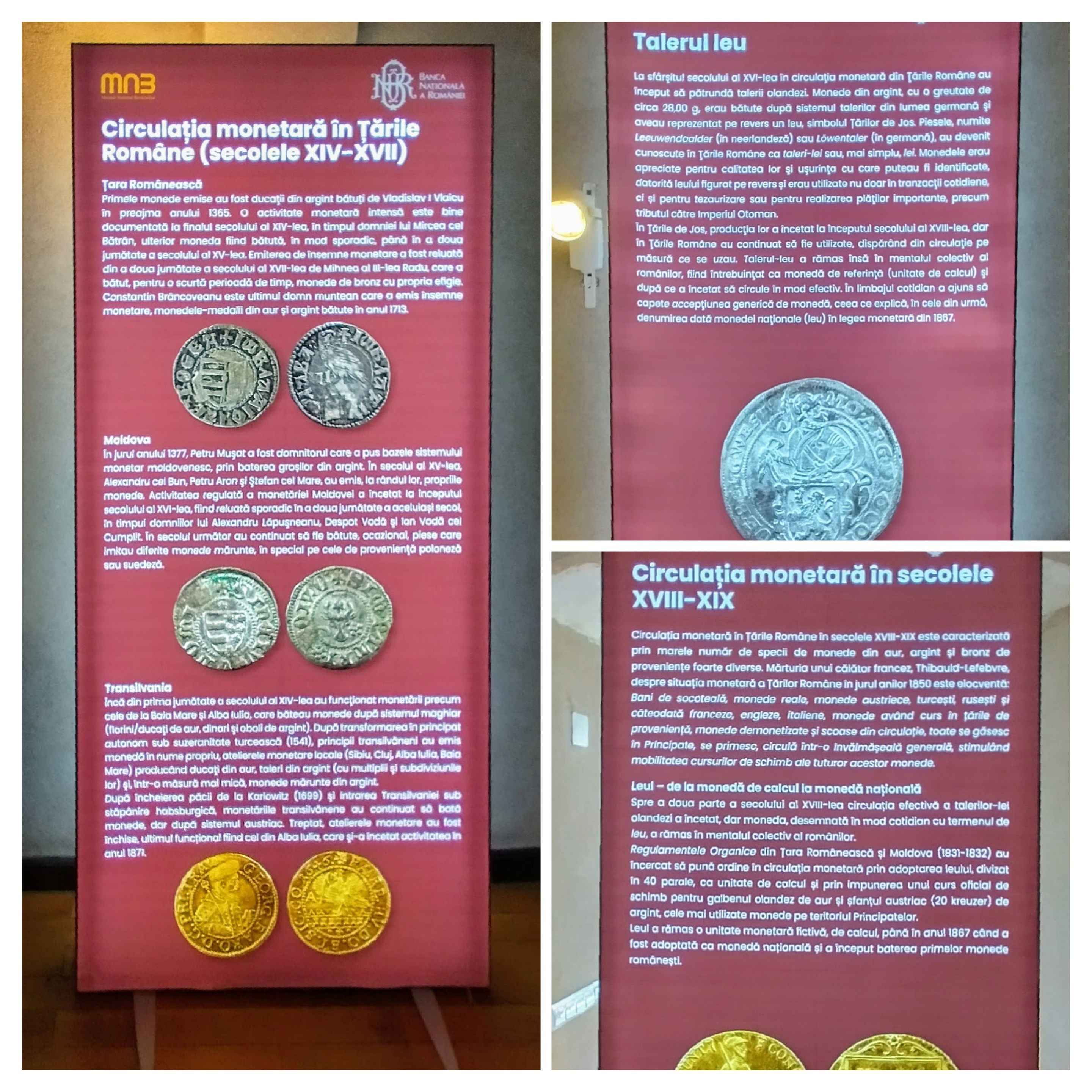
Istoria monetară română: De la începuturi... // Romanian monetary history: From the beginnings...
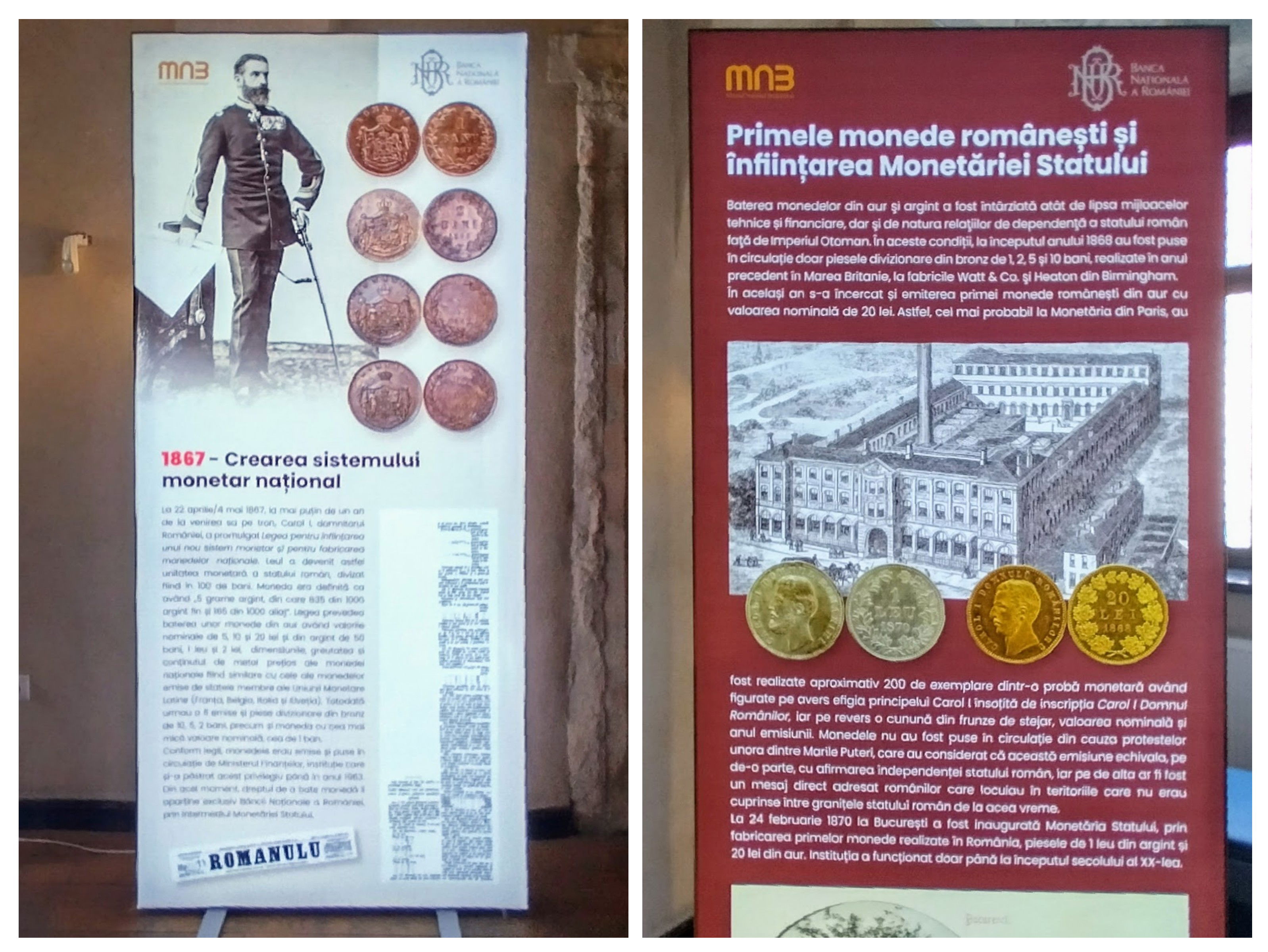
...prin momente-cheie... // ...through key moments...
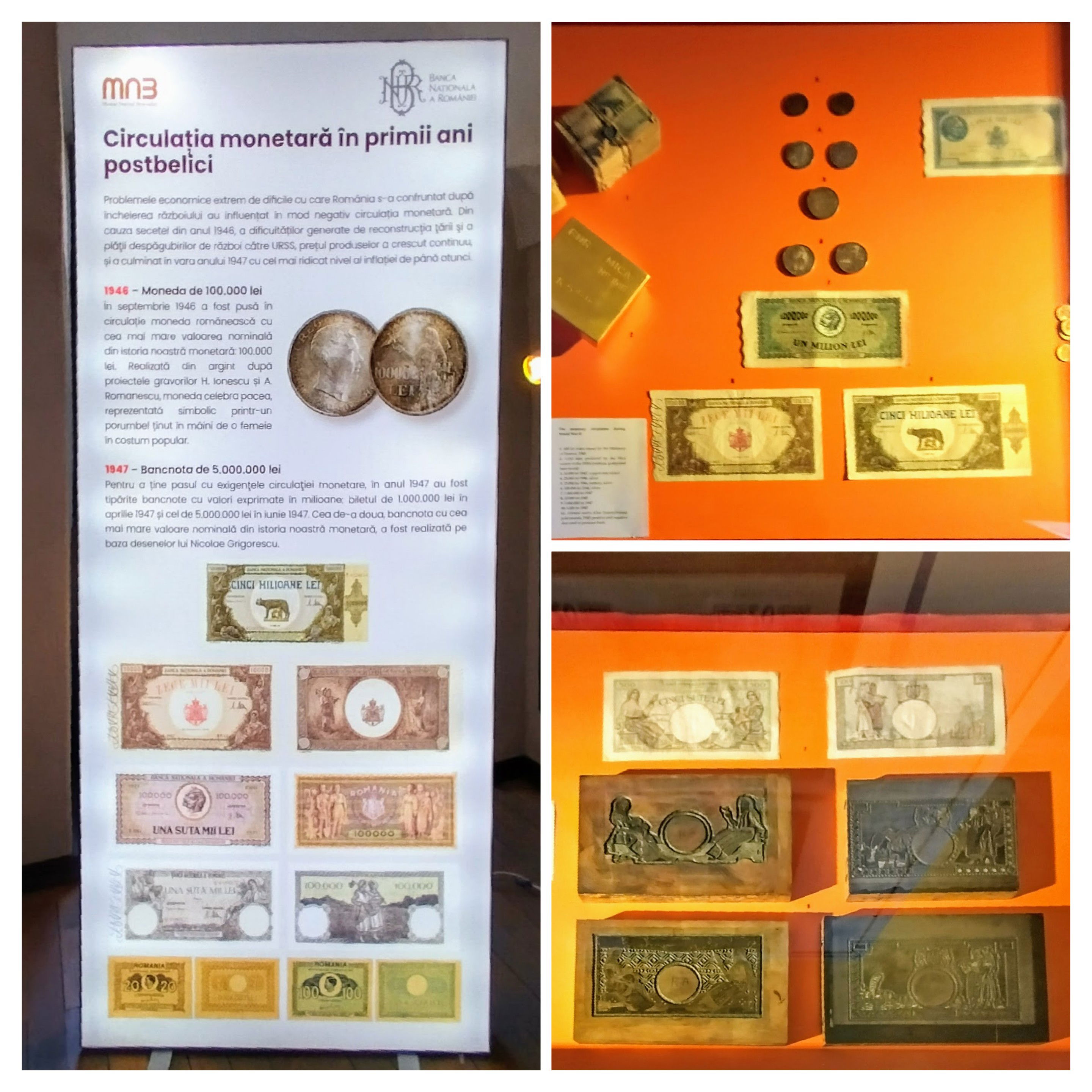
...expoziția informează și exemplifică, prin specimene bine păstrate de bancnote, monede, acțiuni, obligațiuni, cecuri, note de credit, dar și matrițe, ștampile, rebuturi, etc. // ...the exhibition informs and illustrates through well-preserved specimens of banknotes, coins, shares, bonds, checks, credit notes, as well as molds, stamps, rejects, etc.
Am continuat apoi, prin holurile amenajate cu arheo-parcul, cu rămășițe ale vechii biserici a lui Ladislau, Sfânta Maria Mică, dar și cu singurul mormânt excavat de aici, al unui cavaler german.
We then continued through the corridors arranged with the archeo-park, with remains of Ladislaus' old church, Saint Mary Minor, as well as the only excavated tomb from here, belonging to a German knight.
Mai departe urmează expoziții despre cultura orădeană, începând cu cele mai vechi timpuri și subliniind rolul diverselor confesiuni religioase și comunități bisericești, și sfârșind cu importantele mișcări culturale care au pregătit unificarea națională - printre ele, Școala Ardeleană.
Next come exhibitions about the culture of Oradea, starting from ancient times and highlighting the role of various religious denominations and church communities, and ending with the important cultural movements that prepared the national unification – among them, the Transylvanian School.
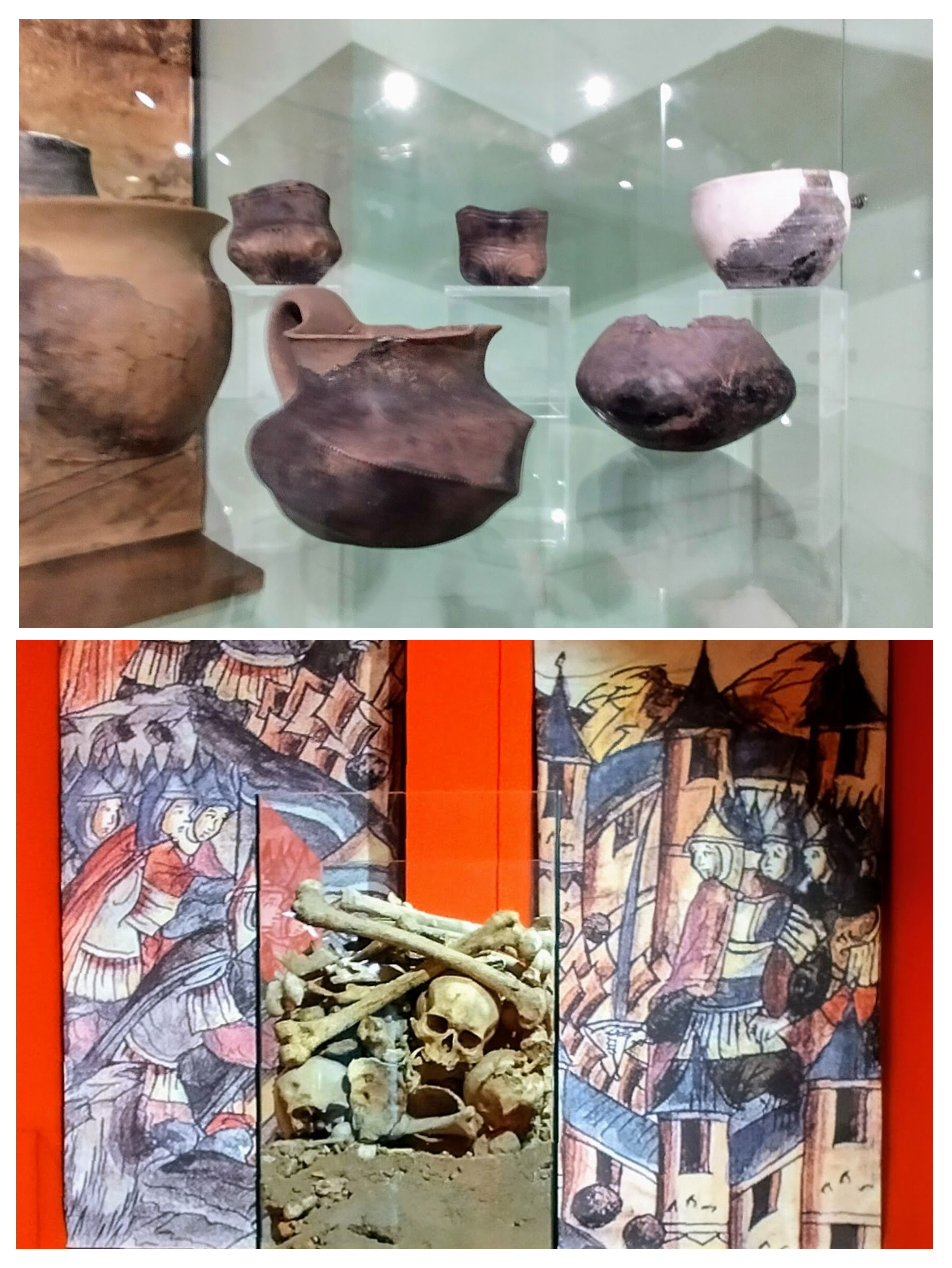
De la primele culturi, la primele conflicte... // From the first cultures, to the first conflicts...
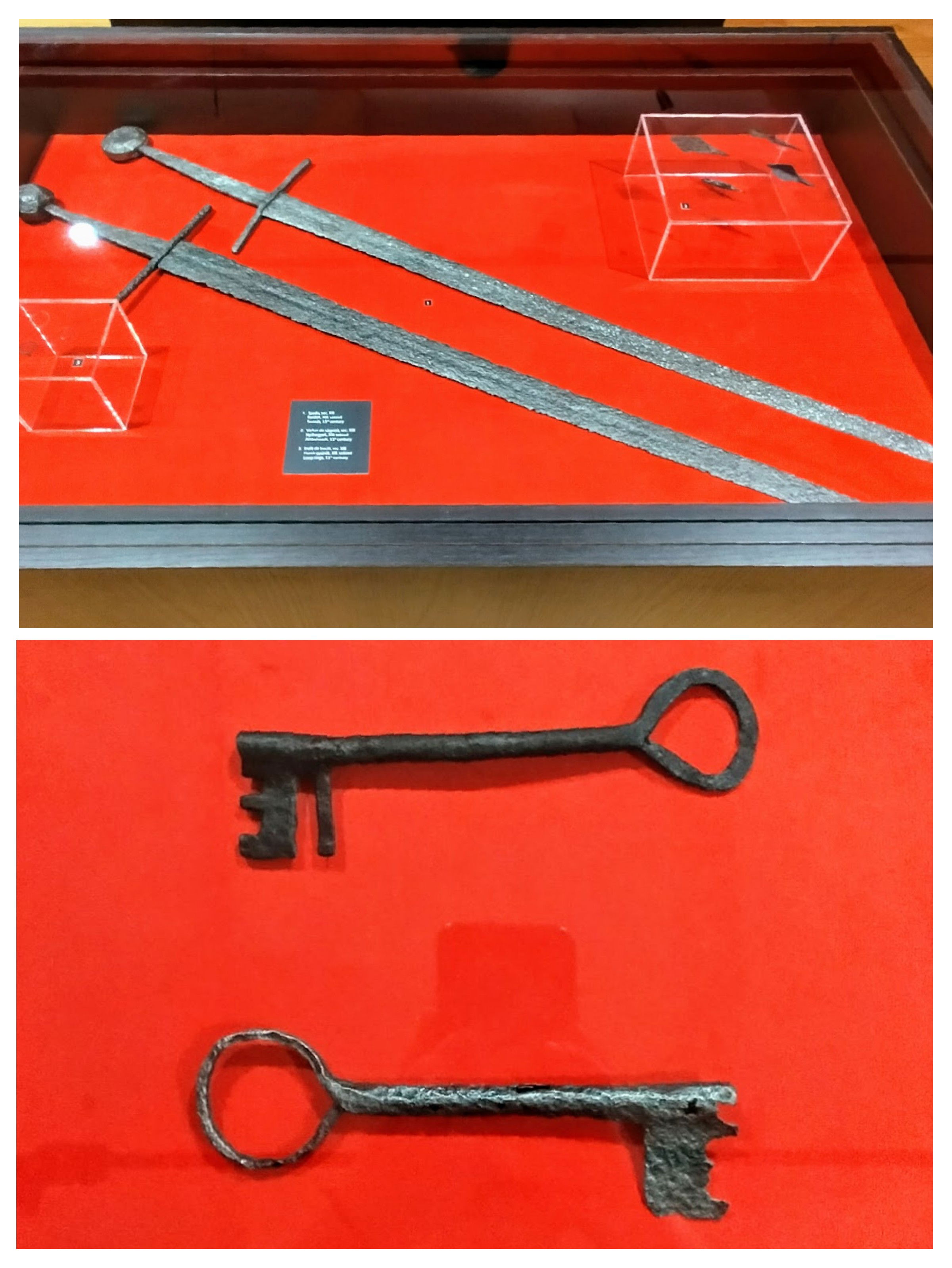
...fierul a primit diverse folosințe... // ...iron received various uses...
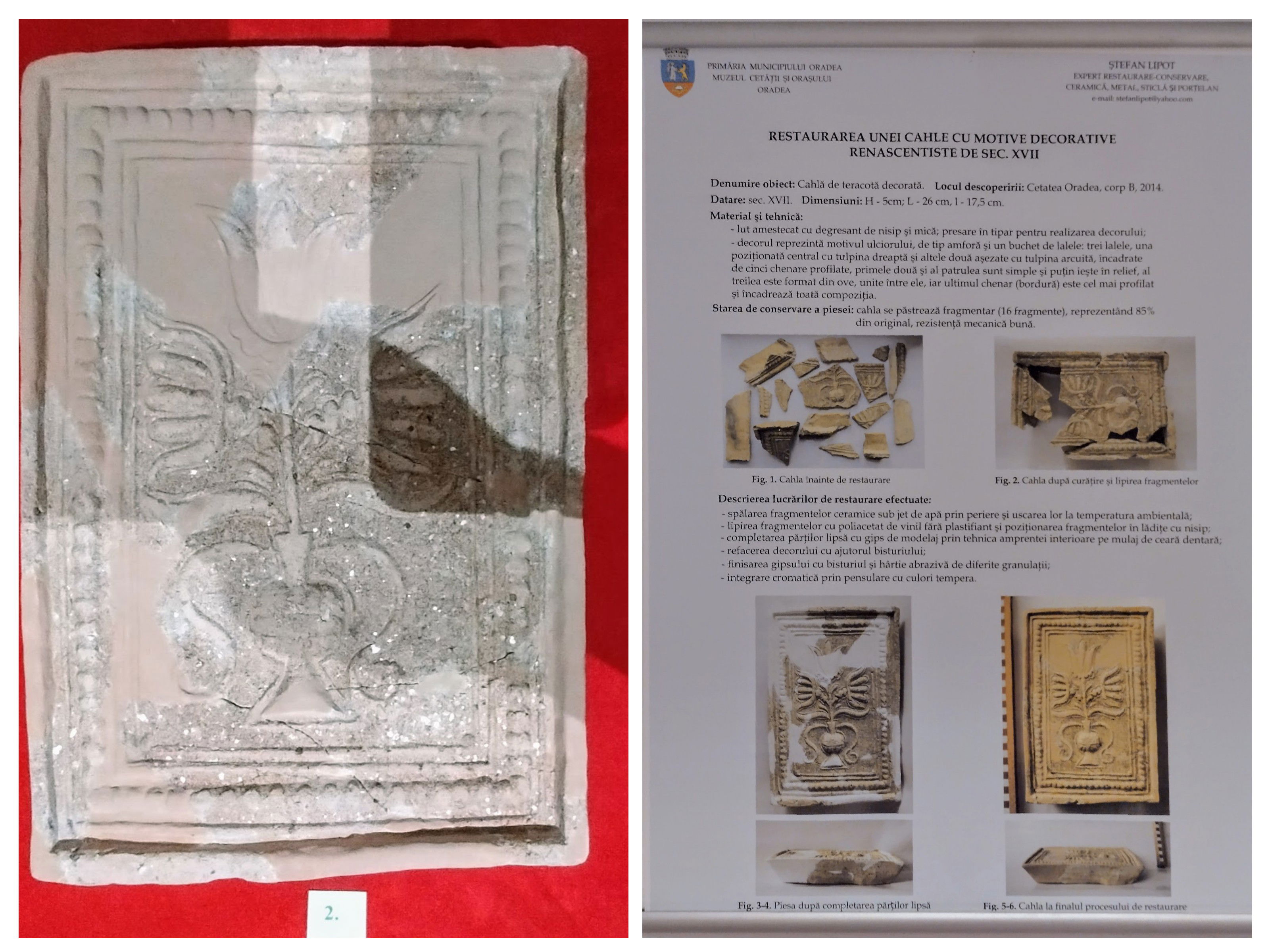
...iar lutul ne-a păstrat poveștile // ...and clay safeguarded our stories
Turul continuă spre istoria recentă cu spațiul dedicat generalului Traian Moșoiu și luptei României în Primul Război Mondial, și ne plimbă prin epoca ceaușistă cu diverse săli tematice dar și cu camera expozițională Între chic și kitsch, înainte de a sfârși la discotecă.
Traian Moșoiu (1868–1932) a fost un important general român care s-a remarcat în Primul Război Mondial și în Războiul Româno-Ungar din 1919, conducând trupele române care au trecut Carpații, au eliberat Transilvania și au ocupat Budapesta, unde a fost numit guvernator militar. Absolvent al academiilor militare din Budapesta și Viena, a ales să se alăture Armatei Române după conflicte cu autoritățile maghiare. Decorat cu Ordinul „Mihai Viteazul”, a avut ulterior o carieră politică activă în Partidul Național Liberal, fiind ministru al Războiului, al Comunicațiilor și al Lucrărilor Publice, precum și senator. A murit la București și este înmormântat la Cimitirul Bellu.
The tour continues towards recent history with the space dedicated to General Traian Moșoiu and Romania’s fight in the First World War, and takes us through the Ceaușescu era with various themed rooms as well as the exhibition room Between Chic and Cheesy, before ending at the disco.
Traian Moșoiu (1868–1932) was an important Romanian general who distinguished himself in World War I and the Hungarian–Romanian War of 1919, leading Romanian troops across the Carpathians, liberating Transylvania, and occupying Budapest, where he was appointed military governor. A graduate of the military academies in Budapest and Vienna, he chose to join the Romanian Army after conflicts with the Hungarian authorities. Decorated with the Order of Michael the Brave, he later had an active political career in the National Liberal Party, serving as Minister of War, Minister of Communications, and Minister of Public Works, as well as senator. He died in Bucharest and is buried at Bellu Cemetery.
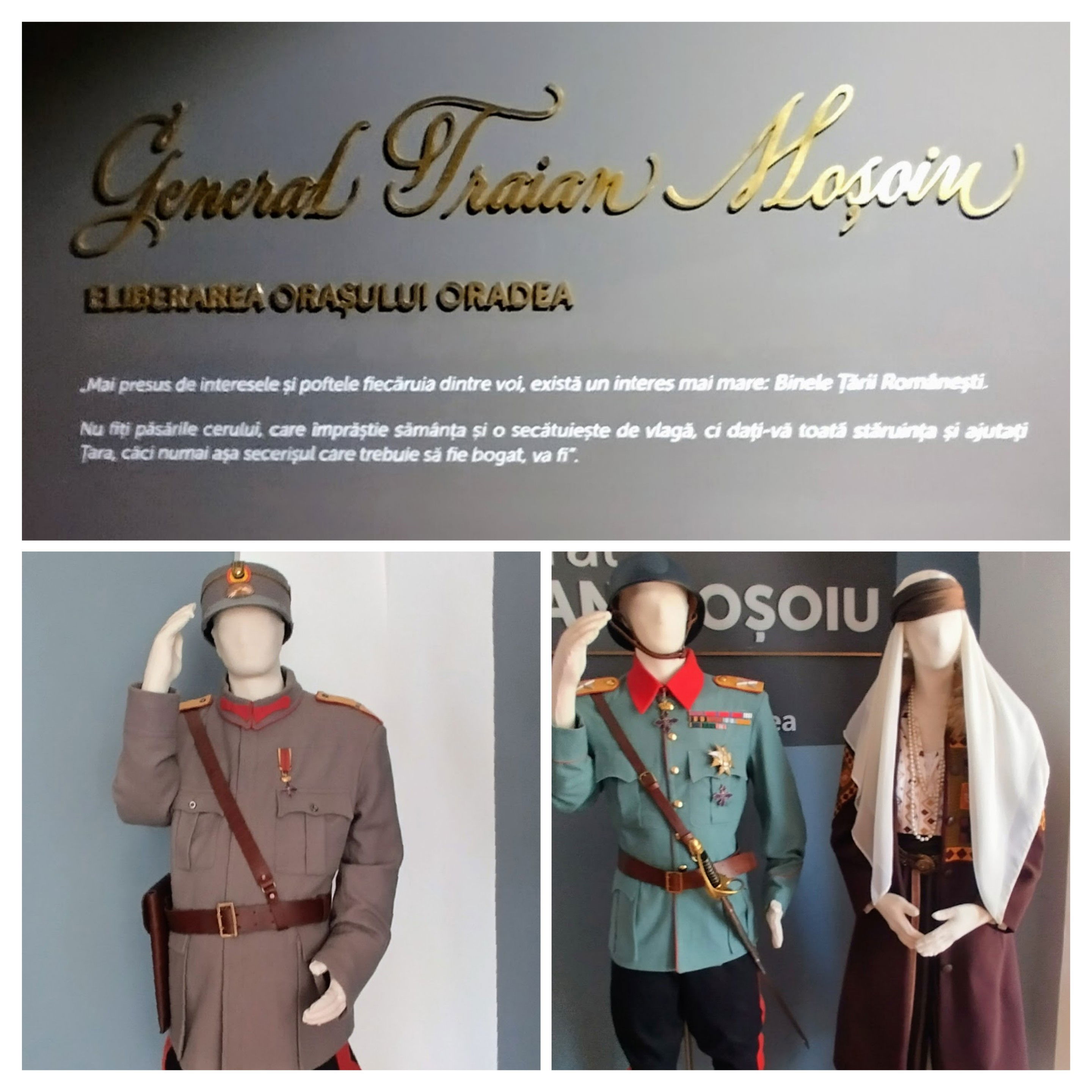
Eliberarea Oradiei; salutându-i pe Rege și Regină // The Liberation of Oradea; saluting the King and Queen
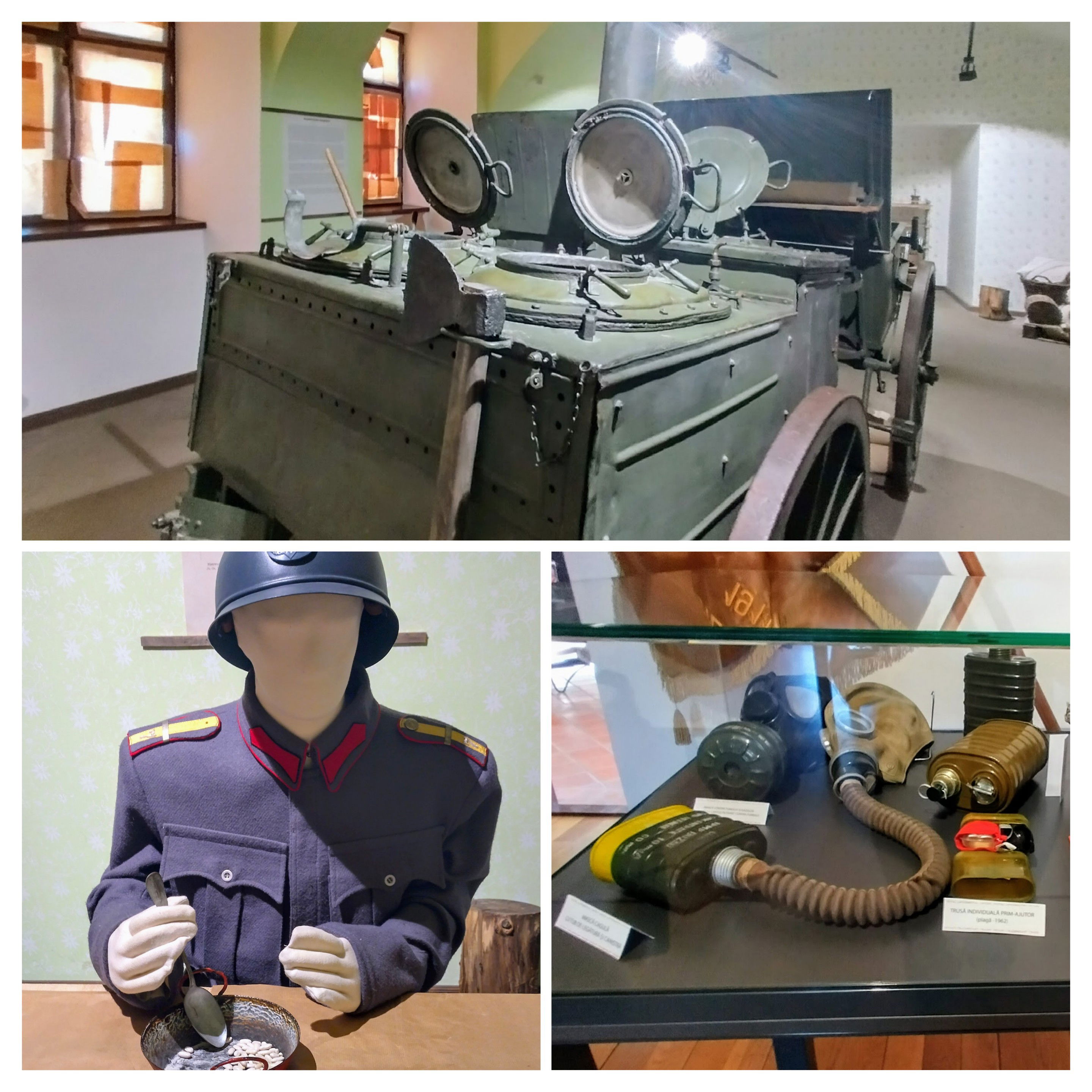
Viața în cazarmă - de la popota mobilă, la masa frugală, la masca de gaz // Life in the barracks – from the mobile canteen, to the frugal meal, to the gas mask
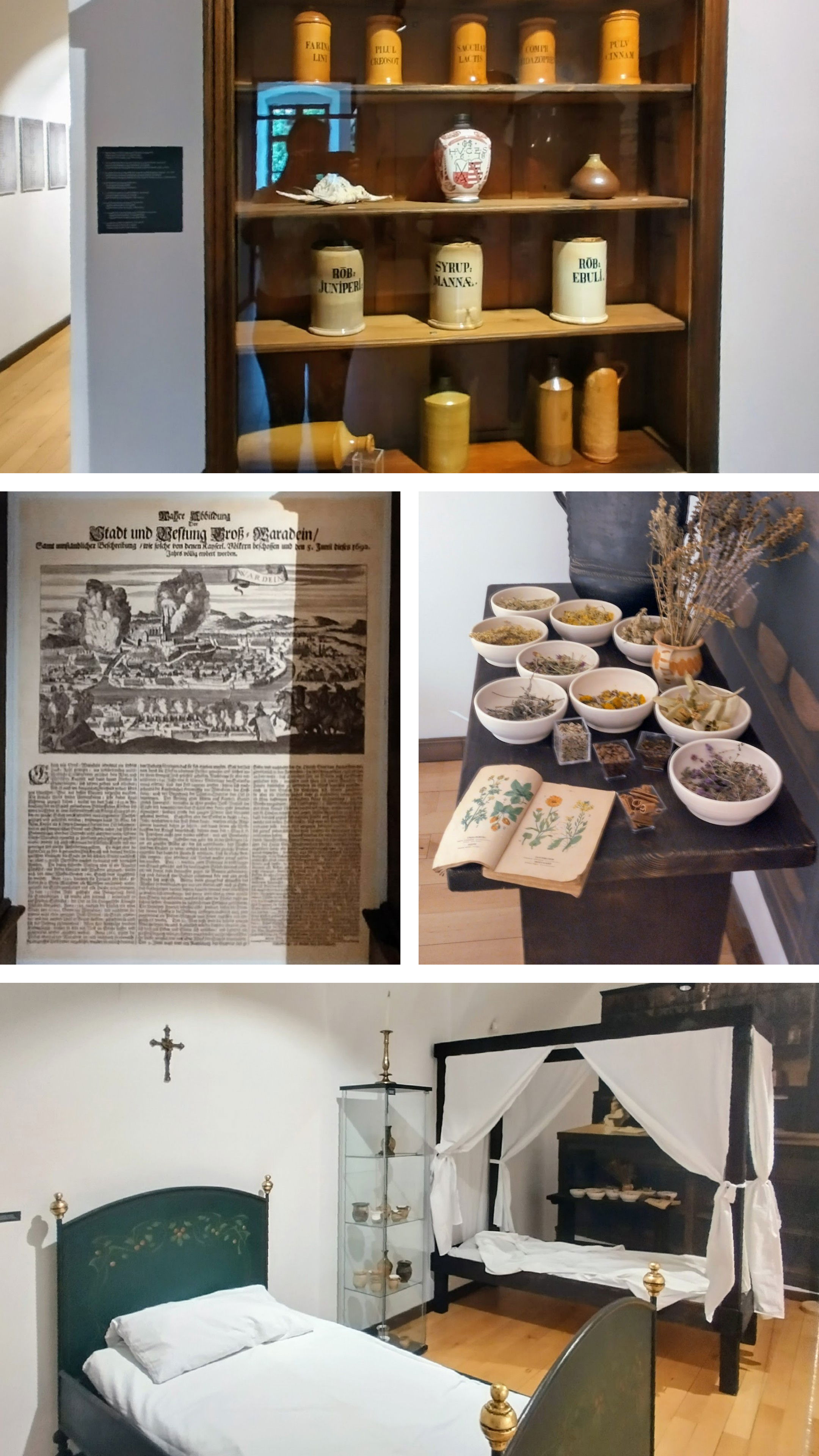
Viața continuă și după război - clinica, medicamente, remedii naturiste // Life goes on even after the war – the clinic, medicines, natural remedies
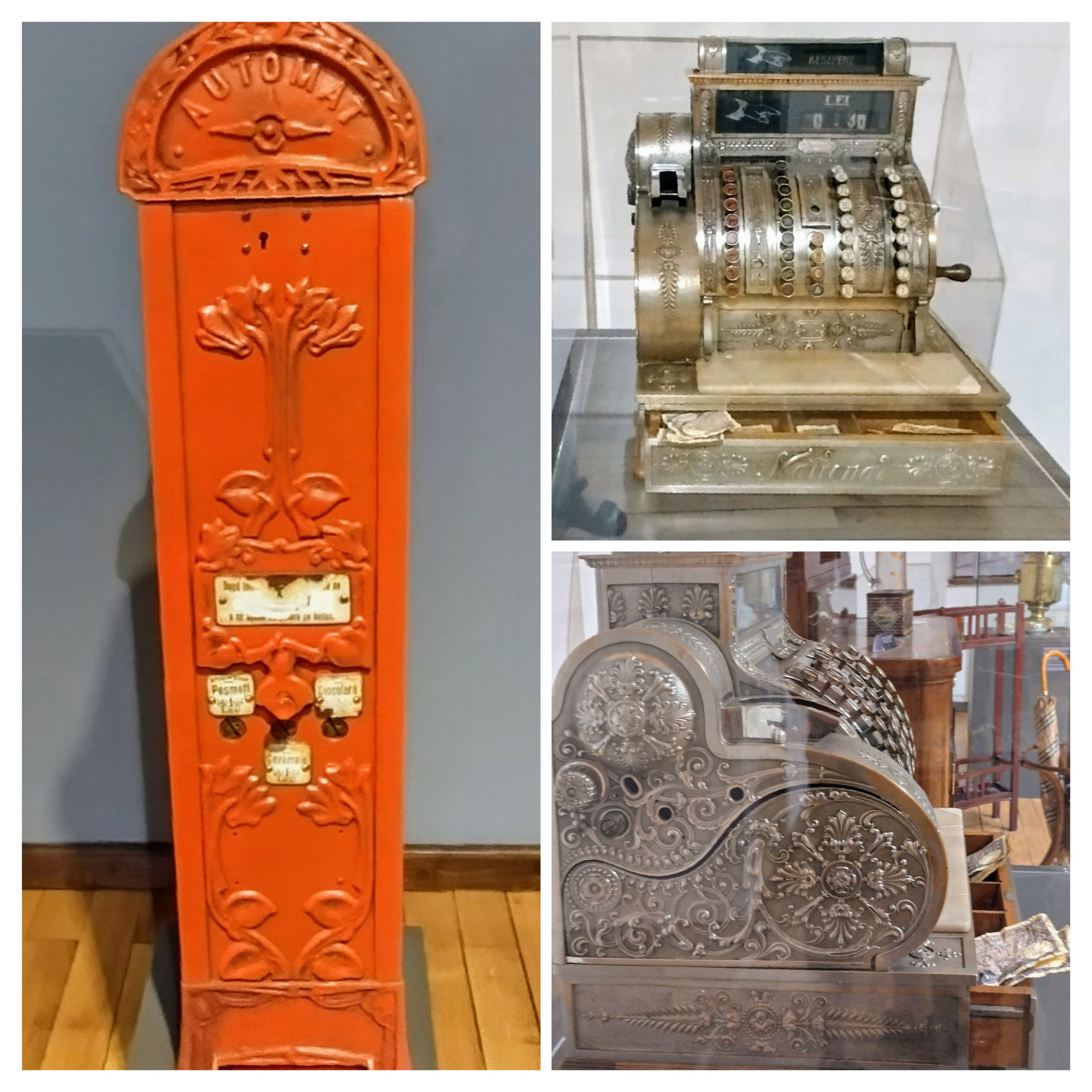
Automat de bomboane; casă de marcat // Candy vending machine; cash register
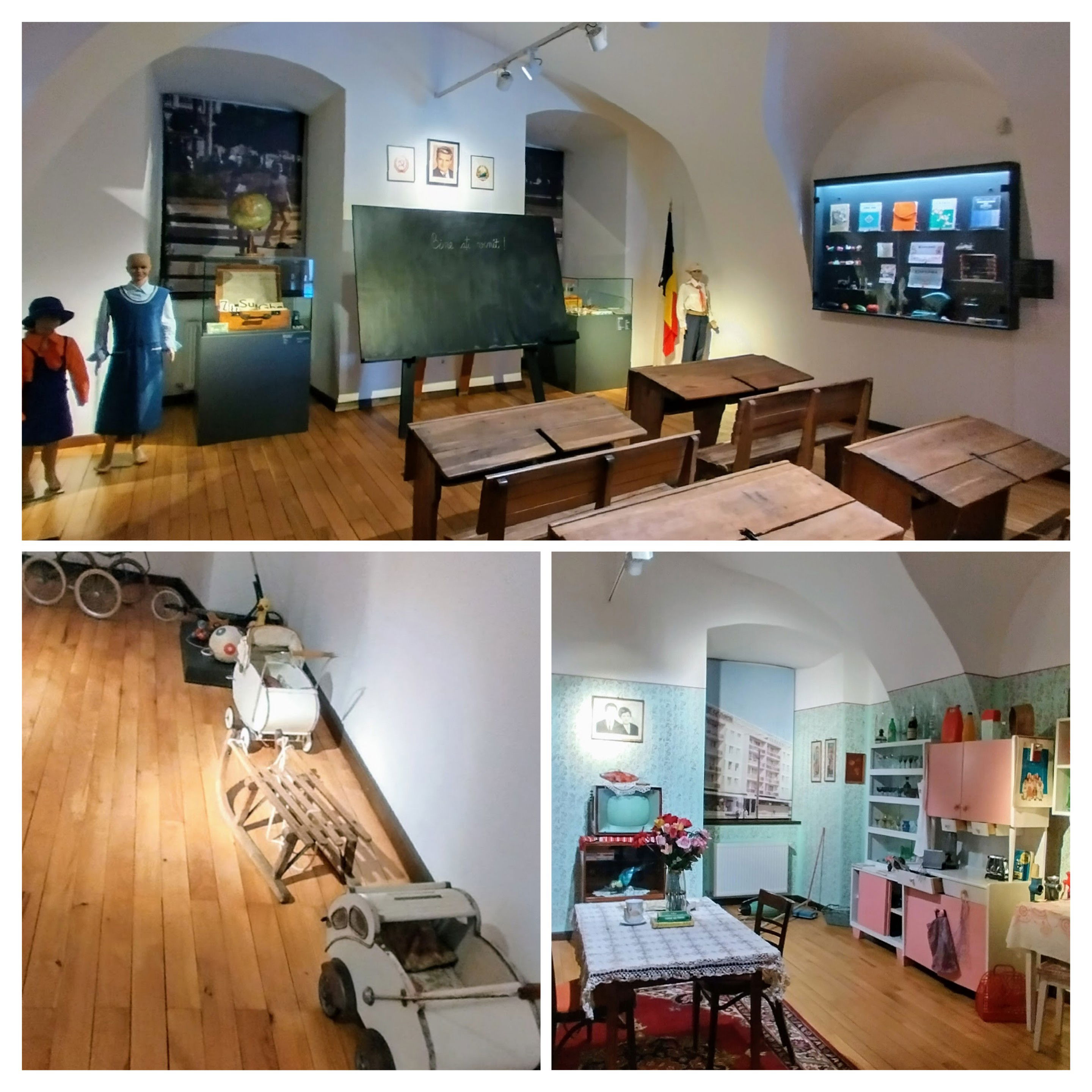
Un salt spre anii '70 // A leap into the 1970s
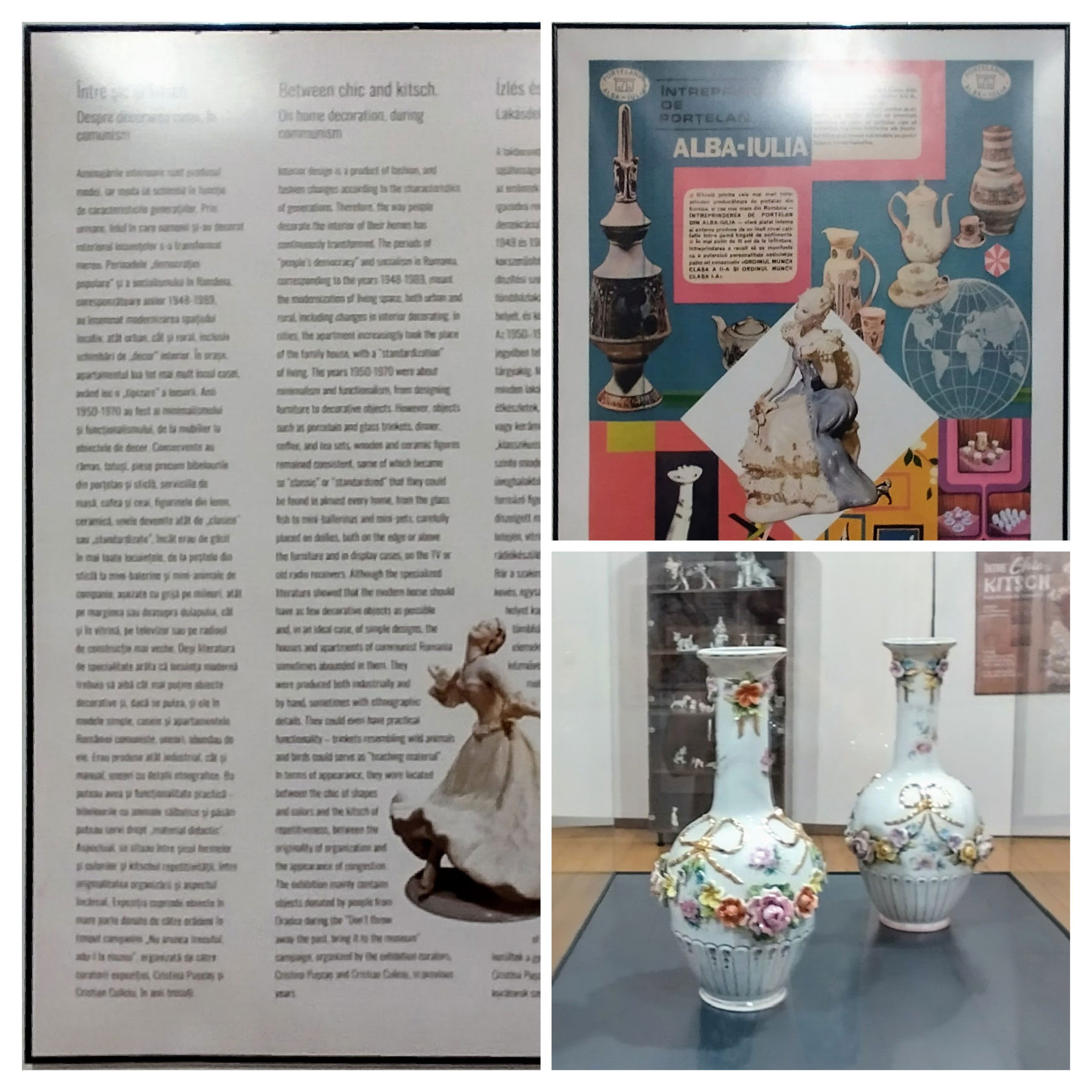
Între chic... // Between chic...
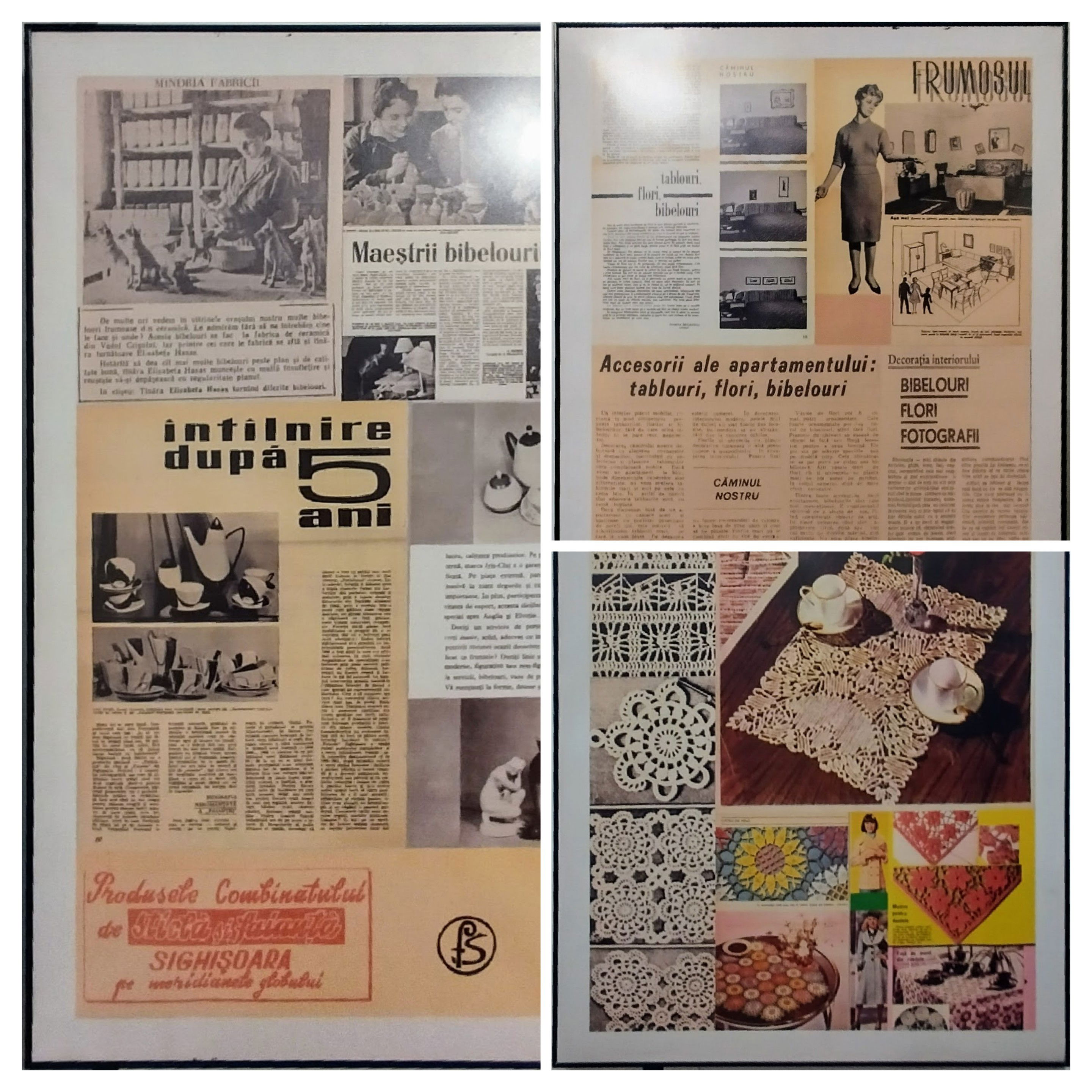
...și kitsch // ...and cheesy
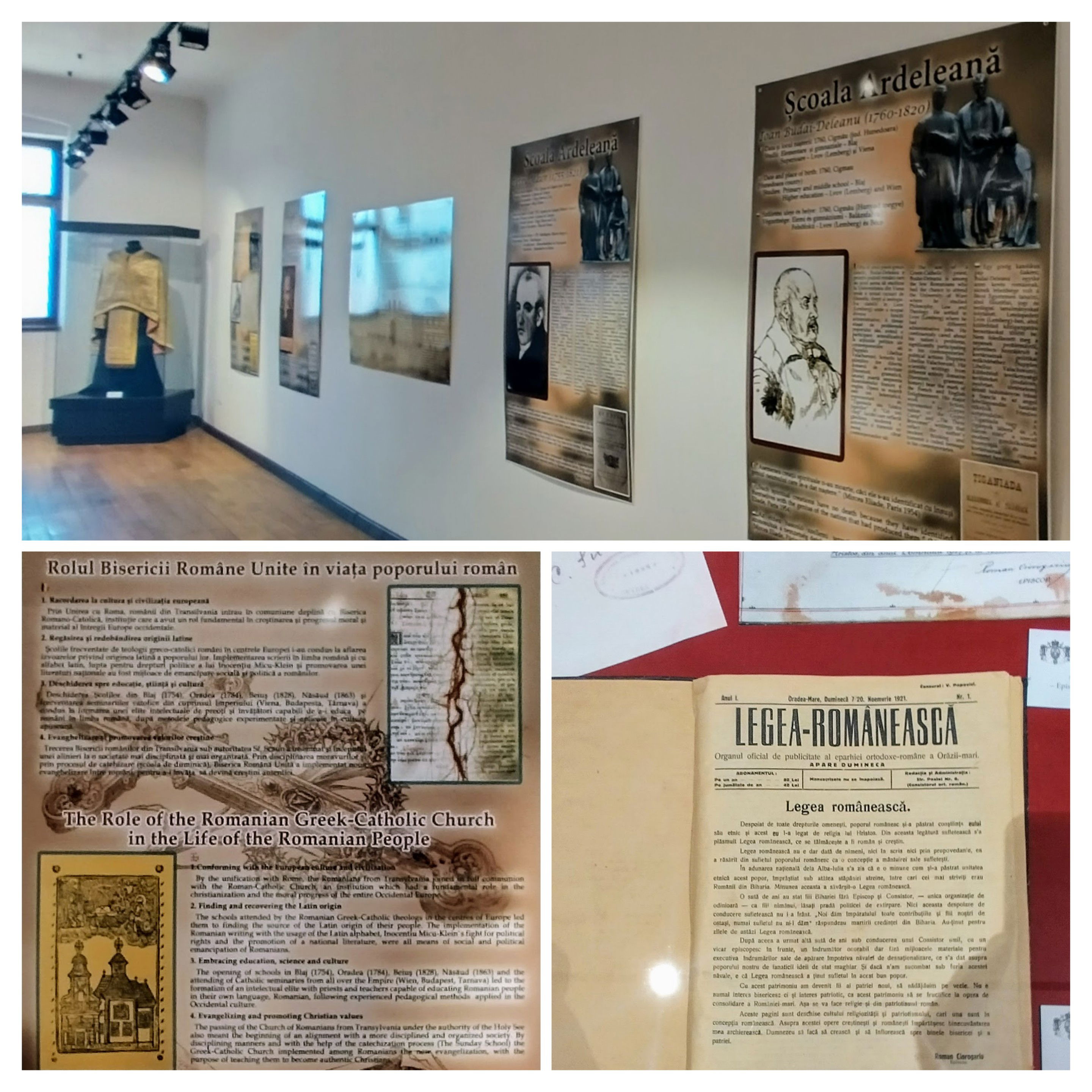
Cultura orădeană // The culture of Oradea
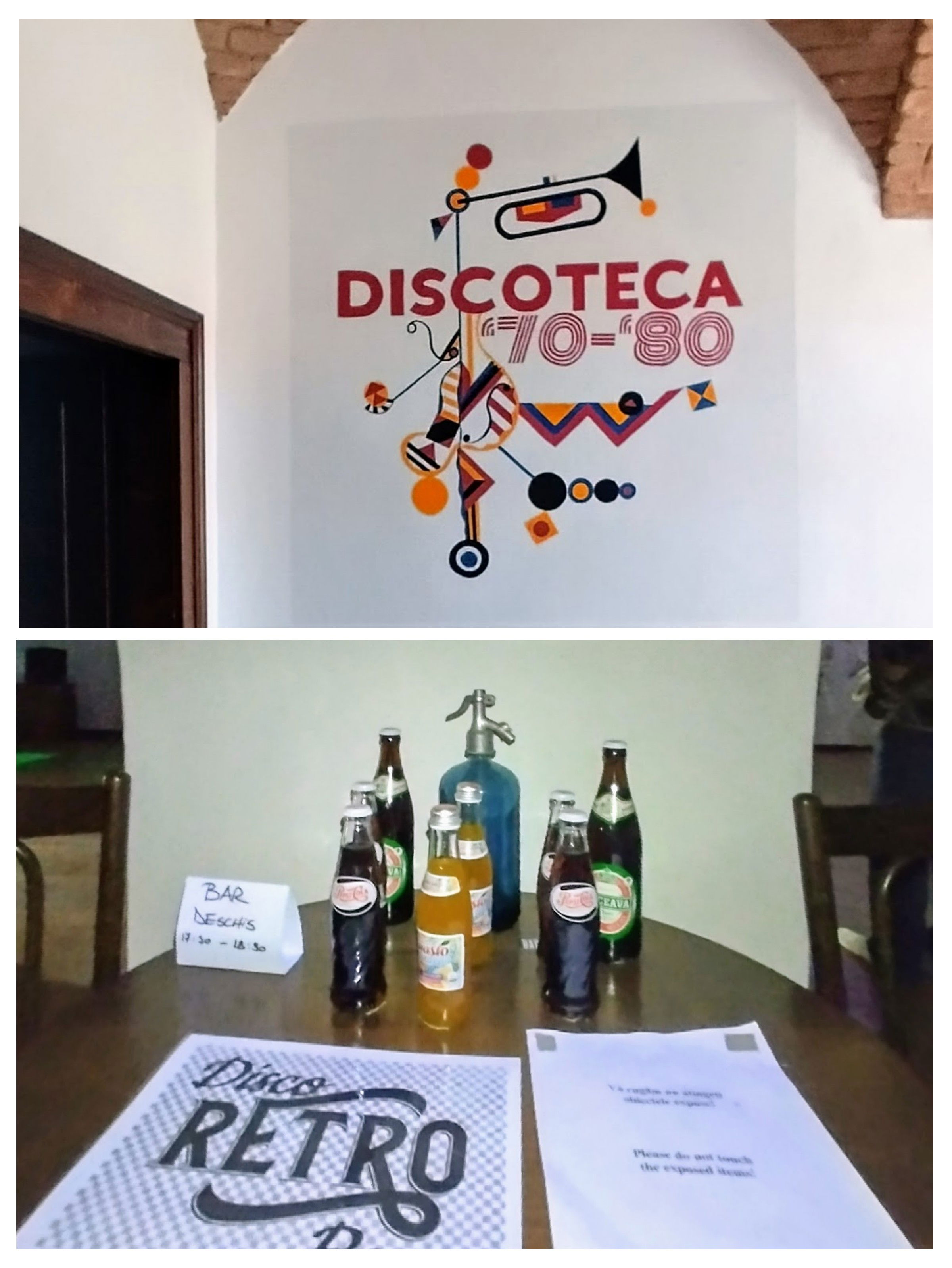
Discoteca-i cea mai tare, nu-ți mai trebuie nimic, hai la cheful cel mai mare dacă-nțelegi ce vreau să zic // The disco is the coolest, you don’t need anything, come to the biggest party if you know what I mean
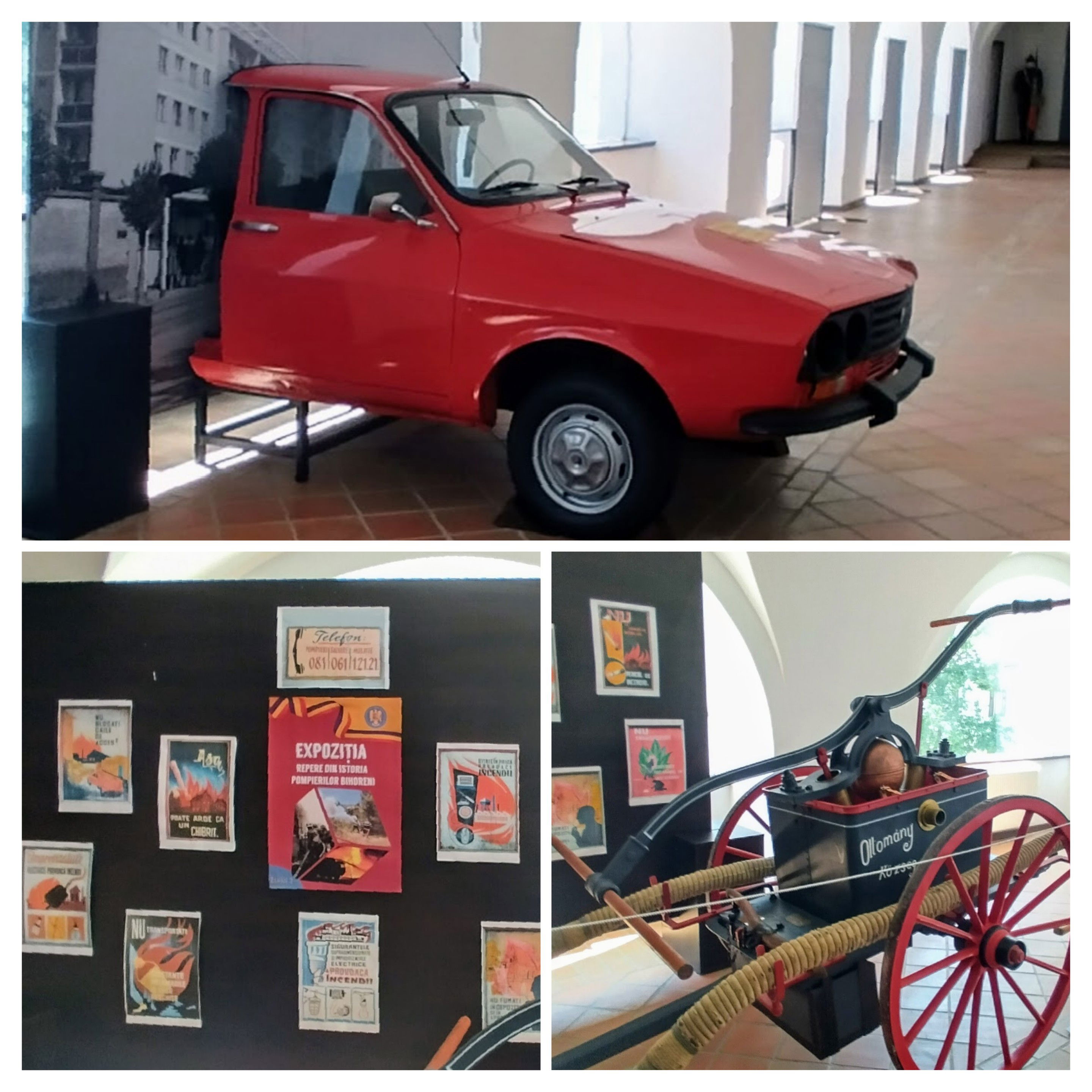
De aici, spre ieșire, ne întâmpină o jumătate de Dacie 1300 ieșită ca nuca din perete, iar lângă ea, un mic colț cu afișe și vechi care de apă ale pompierilor.
From here, towards the exit, we are greeted by half a Dacia 1300 sticking out of the wall like a sore thumb, and next to it, a small corner with posters and old firemen’s water carts.
De-aici se poate continua cu diverse anexe - în clădirea C, expoziții de artă. În clădirea H, Muzeul Brutariei, în clădirea K, un Muzeu al istoriei rezistenței și represiunii în Bihor, etc. Și bastioanele în sine sunt interesante, Bastionul Ciunt servind și ca amfiteatru, de exemplu.
Noi însă am mers spre hotel, cam obosiți și înfometați după această tură de forță de dimineață. Am ieșit pe podul de lemn dinspre Poarta de Vest, și am dat o tură și în jurul Catedralei Episcopale - doar pe afară, căci cele 1000 °C nu permiteau purtatul prea multor haine.
From here you can continue with various annexes – in building C, art exhibitions. In building H, the Bakery Museum, in building K, a Museum of the History of Resistance and Repression in Bihor, etc. The bastions themselves are also interesting, with the Ciunt Bastion also serving as an amphitheater, for example.
We, however, headed towards the hotel, rather tired and hungry after this morning’s intense tour. We exited via the wooden bridge from the West Gate and took a walk around the Episcopal Cathedral – only outside, as the 1000 °C did not allow for wearing too many clothes.
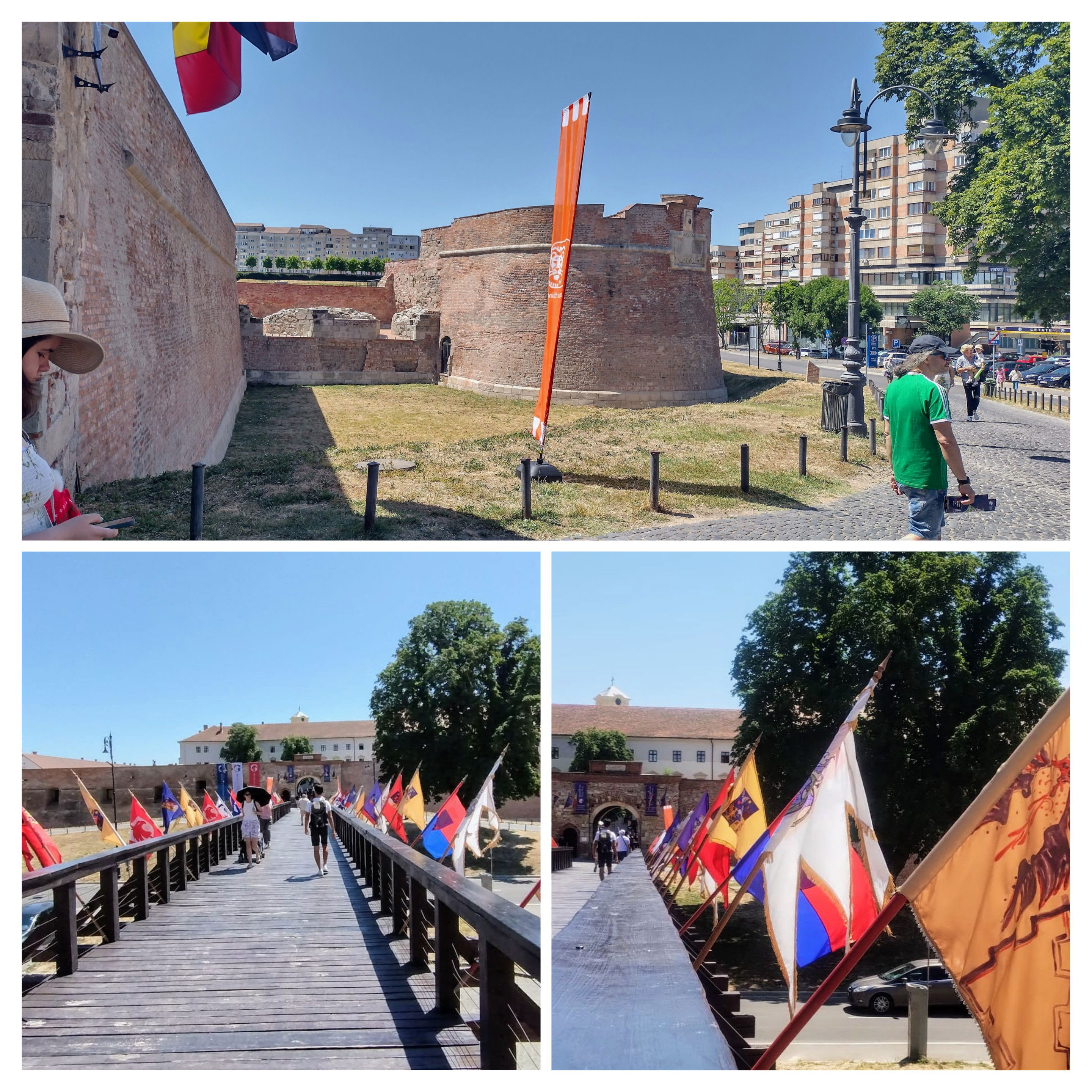
Bastionul Bethlen; podul de lemn, ornat pentru festival // The Bethlen Bastion; the wooden bridge, ornate for the festival
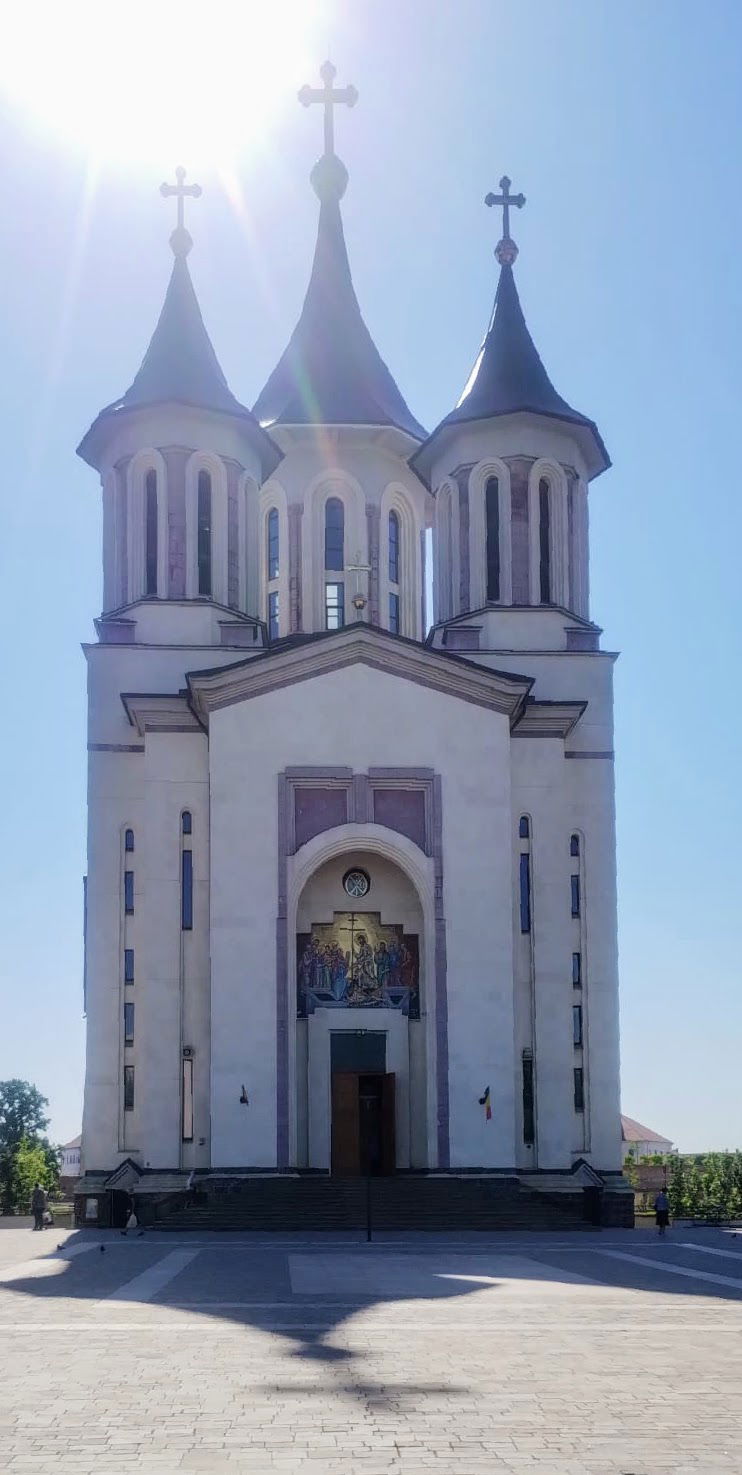
Catedrala Episcopală Învierea Domnului // The Episcopal Cathedral of the Resurrection of the Lord
De mâncat, am comandat de la Piața9, iar restul zilei aveam să-l petrecem la piscina cu apă termală. A doua zi, mult mai pe seară, aveam să ne întoarcem la cetate.
To eat, we ordered from Piața9, and we were to spend the rest of the day at the thermal water pool. The next day, much later in the evening, we were to return to the fortress.

Vizitele la cetate: Intensă în ziua a 2-a, și relaxată în cea de-a 3-a // Visits to the fortress: Intense on the 2nd day, and relaxed on the 3rd day
Ziua 3 - Această zi trebuie că a fost cea mai solicitantă dintre toate, atât din perspectiva căldurii, care a revenit la 37 de grade, cât și din perspectiva distanțelor destul de mari parcurse. Piscina era la umplut după curățat, deci indisponibilă, așa că azi ne-am petrecut tot timpul la pas.
Day 3 - This day must have been the most demanding of all, both because of the heat, which returned to 37 degrees, and because of the fairly long distances we walked. The pool was being refilled after cleaning, so unavailable, so today we spent the whole time on foot.
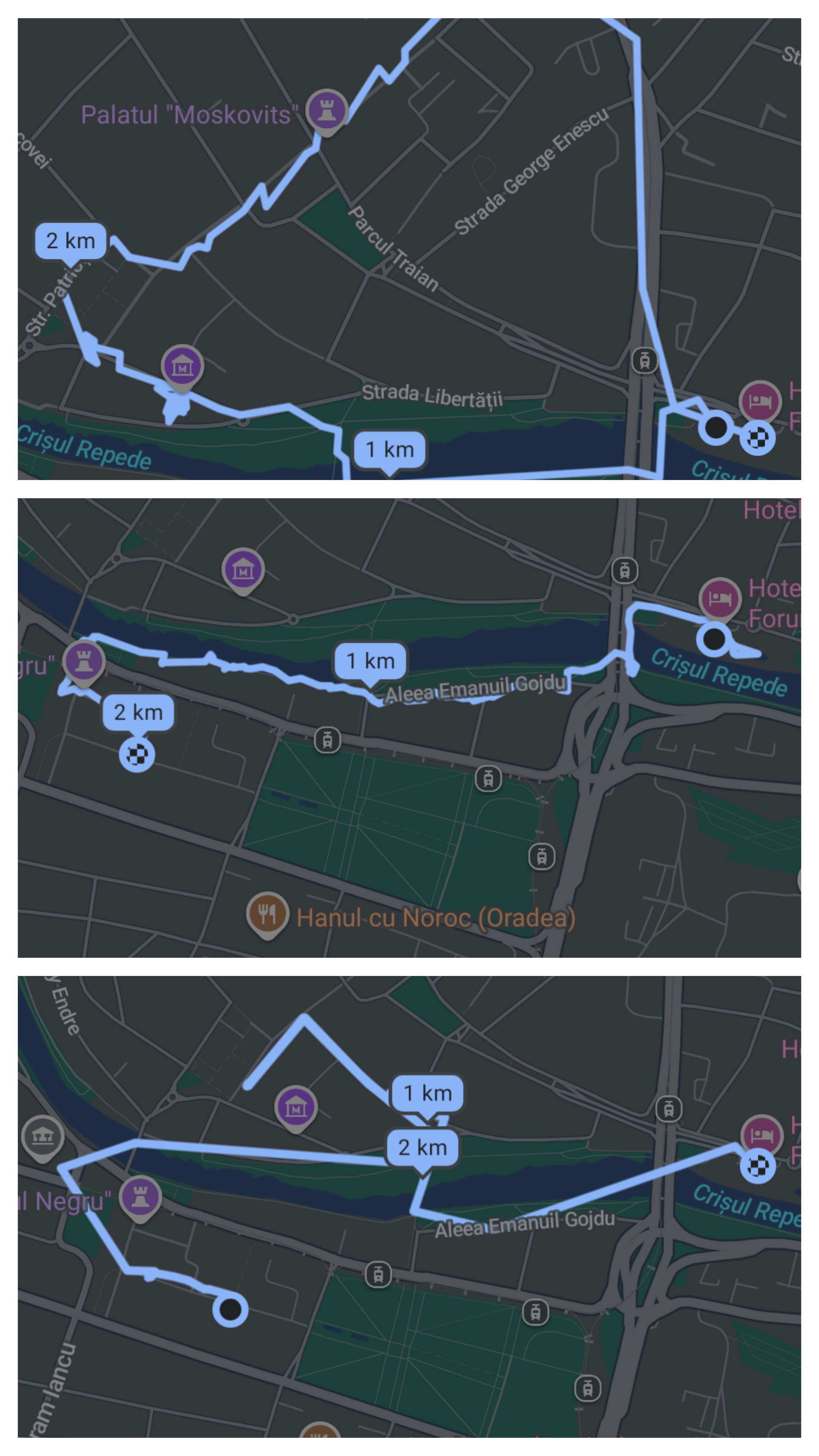
Am început de dimineață cu centrul art-nouveau și am trecut în revistă minunile arhitecturale ale orașului.
Ca să ajungem în centru, am pornit pe lângă Crișul Repede; am coborât pe malul său chiar prin spatele hotelului nostru și, un pic înainte de Sinagoga Neologă Sion (pe care am văzut-o doar pe afară, la întors), am dat peste Podul Intelectualilor.
We started the morning with the art-nouveau center and reviewed the architectural wonders of the city.
To get to the center we set off along the Crișul Repede; we went down to its bank right behind our hotel and, a little before the Neolog Sion Synagogue (which we only saw from the outside, upon return), we came across the Bridge of Intellectuals.
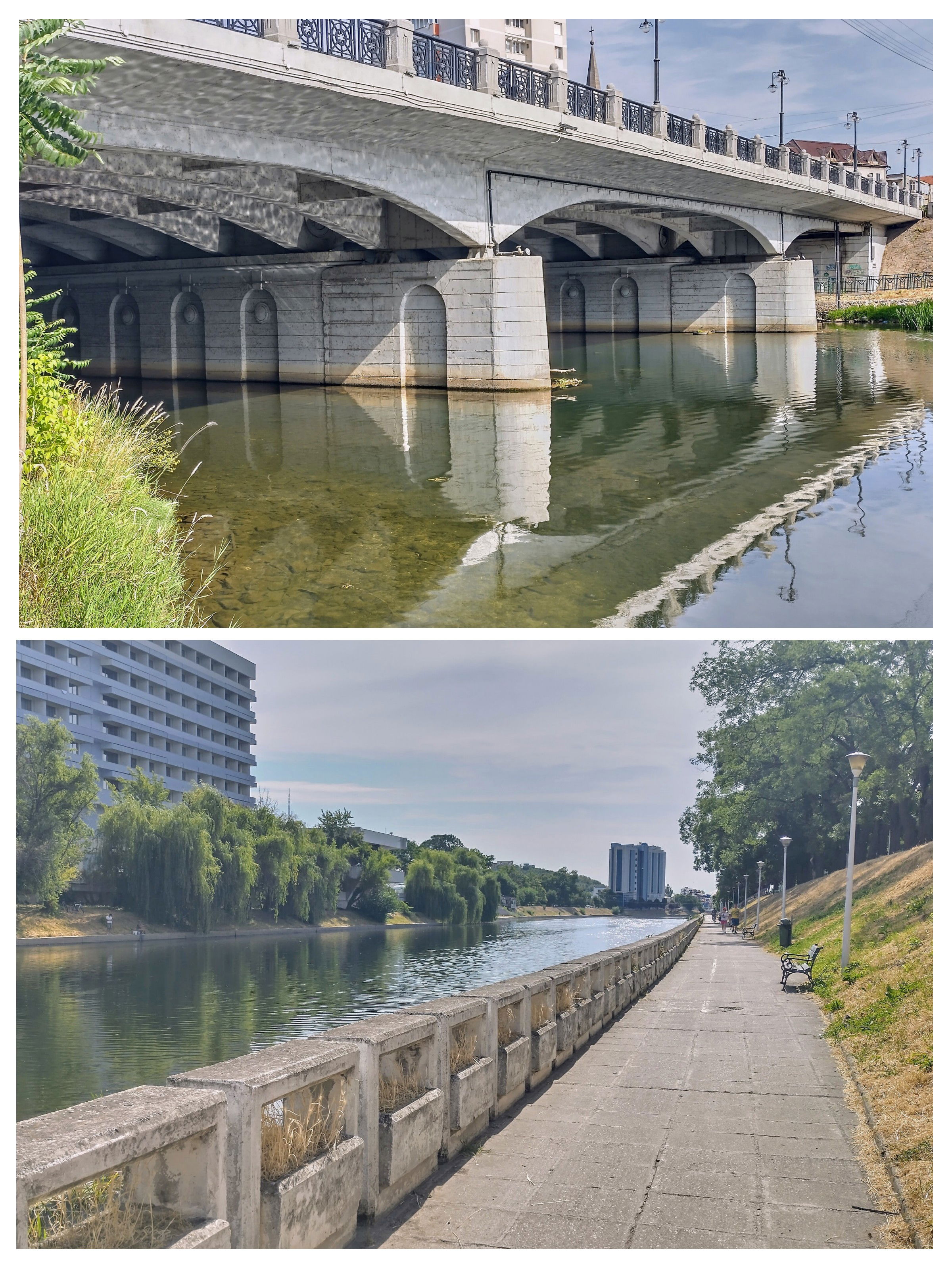
Sub Podul Dacia, pe malul Crișului Repede; faleza // Under the Dacia Bridge, on the bank of the Crișul Repede; the embankment
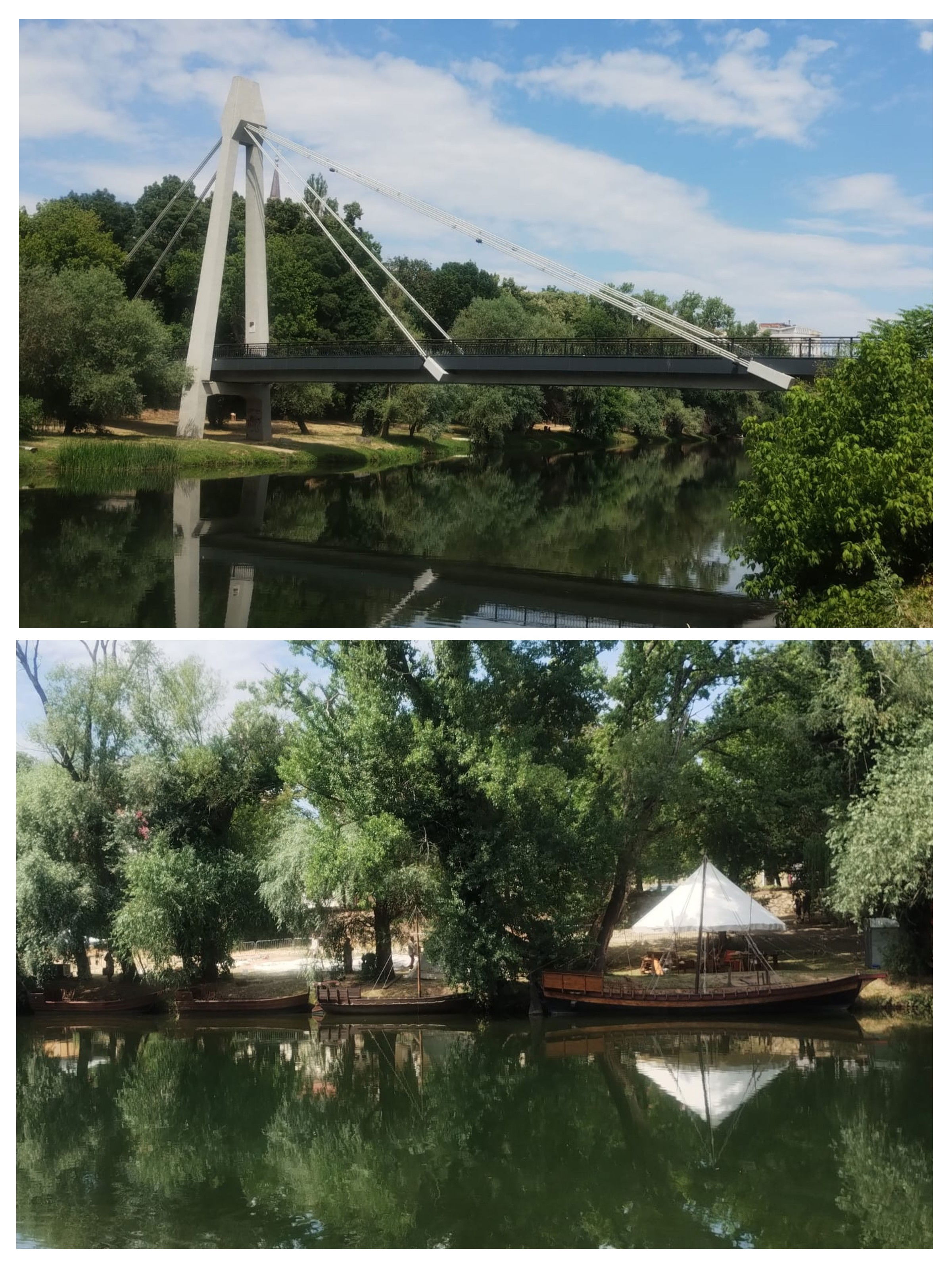
După pod, bărci „vikinge”, participante la festival // Just past the bridge, "Viking" boats taking part in the festival
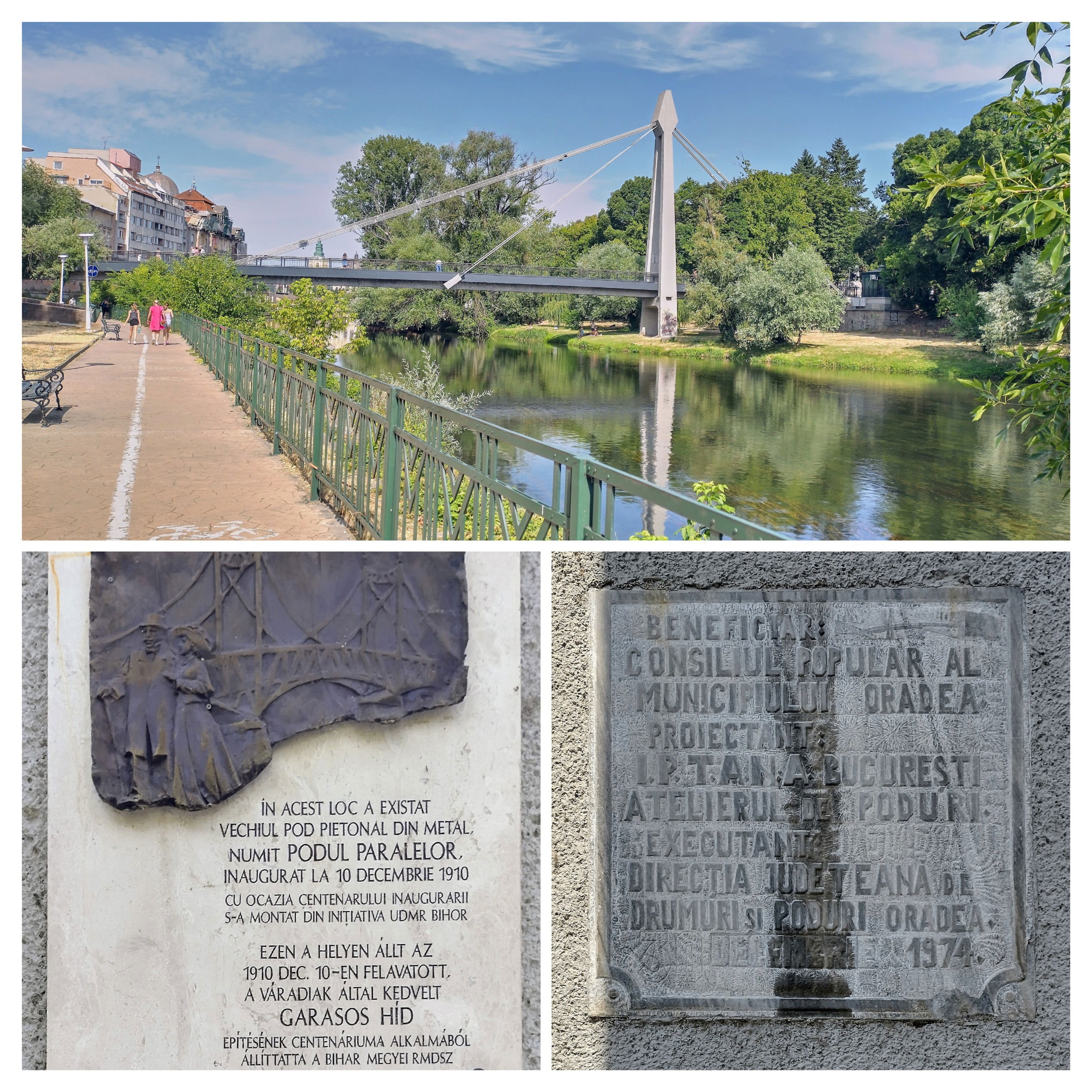
Podul Intelectualilor // The Bridge of Intellectuals
De aici, peste pod, am intrat pe străduțele Oradiei — am ocolit puțin prin strada Libertății și am intrat apoi pe strada Iosif Vulcan, unde am dat peste minunăția art nouveau/secession, Casa Darvas–La Roche. Aceasta se vizitează și înăuntru, și mi-am luat 20 de minute să o văd. Merită toți banii!
Construită între 1909–1910, clădirea este cel mai valoros exemplu de reședință individuală orădeană, realizată în stilul secessionului vienez, după proiectul arhitecților László Vágó și József Vágó.
From here, across the bridge, we entered Oradea’s little streets — we skirted a bit via Libertății Street and then turned onto Iosif Vulcan Street, where we found the art nouveau/secession marvel, the Darvas–La Roche House. It can be visited inside as well, and I took 20 minutes to see it. Worth every penny!
Built between 1909 and 1910, the building is the most valuable example of an individual residence in Oradea, executed in the Viennese Secession style and designed by the architects László Vágó and József Vágó.
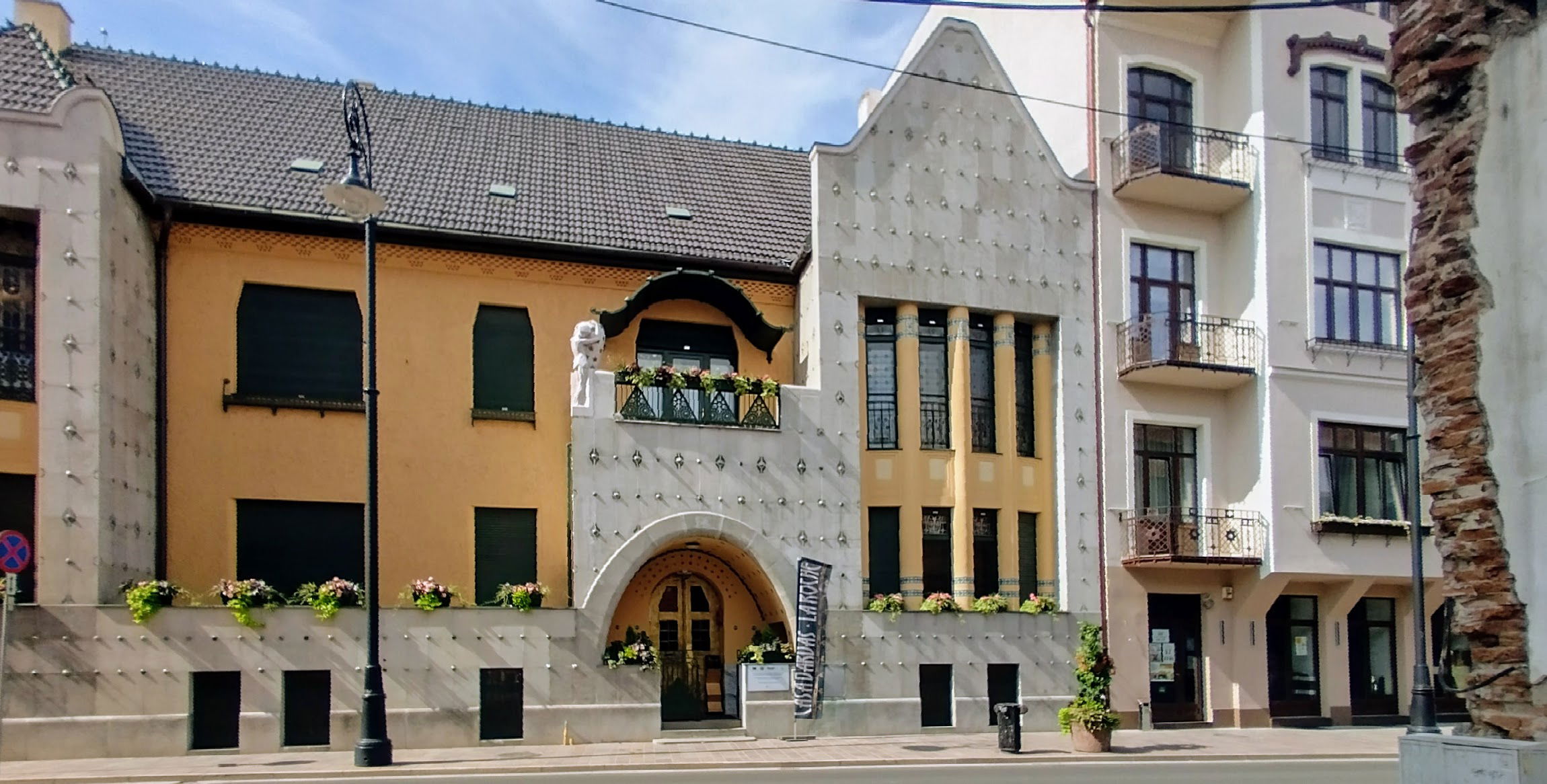
Un exterior oarecum discret... // A somewhat discrete exterior...
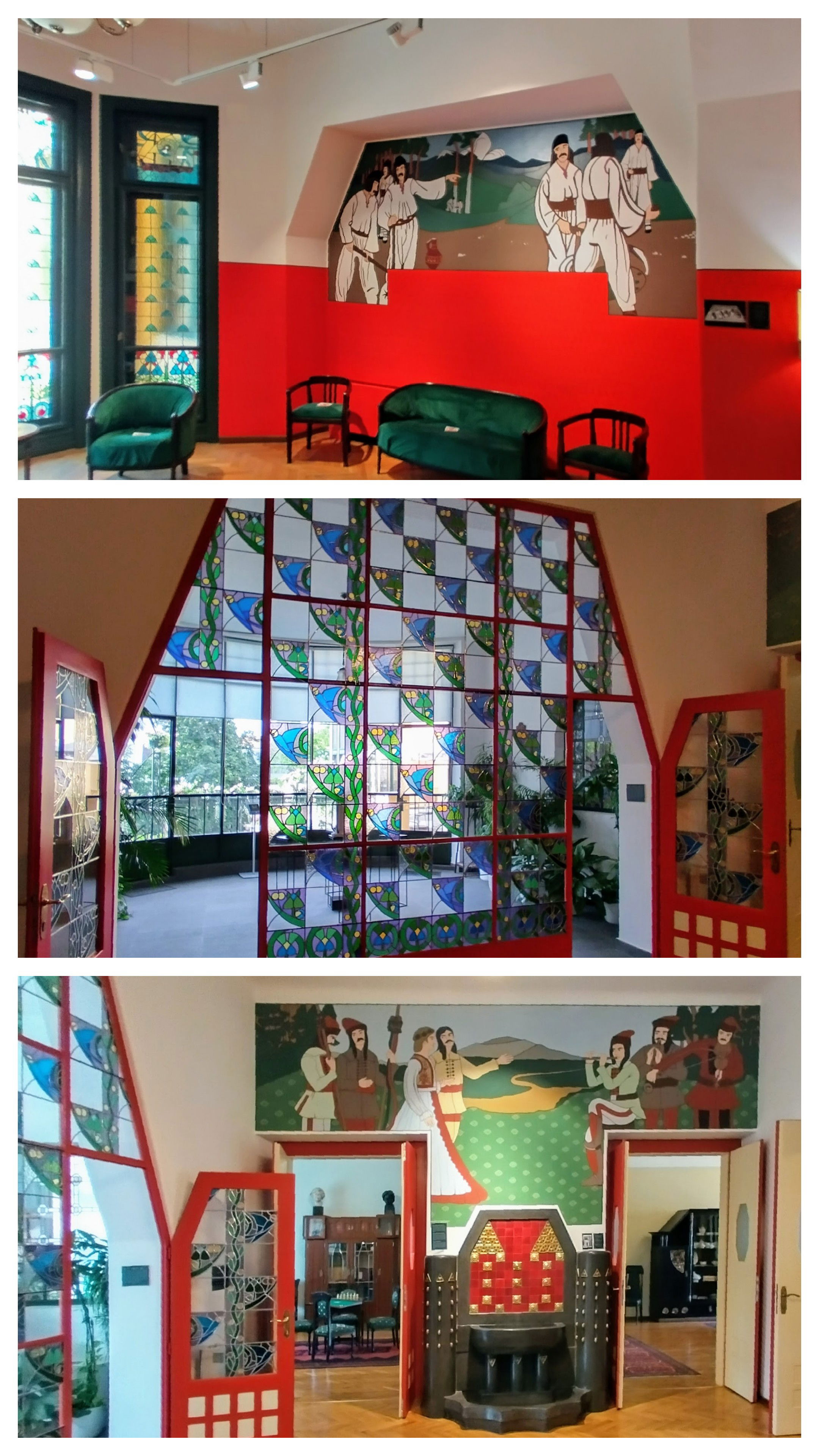
...care, înăuntru, explodează cu culoare // ...which, inside, explodes with color
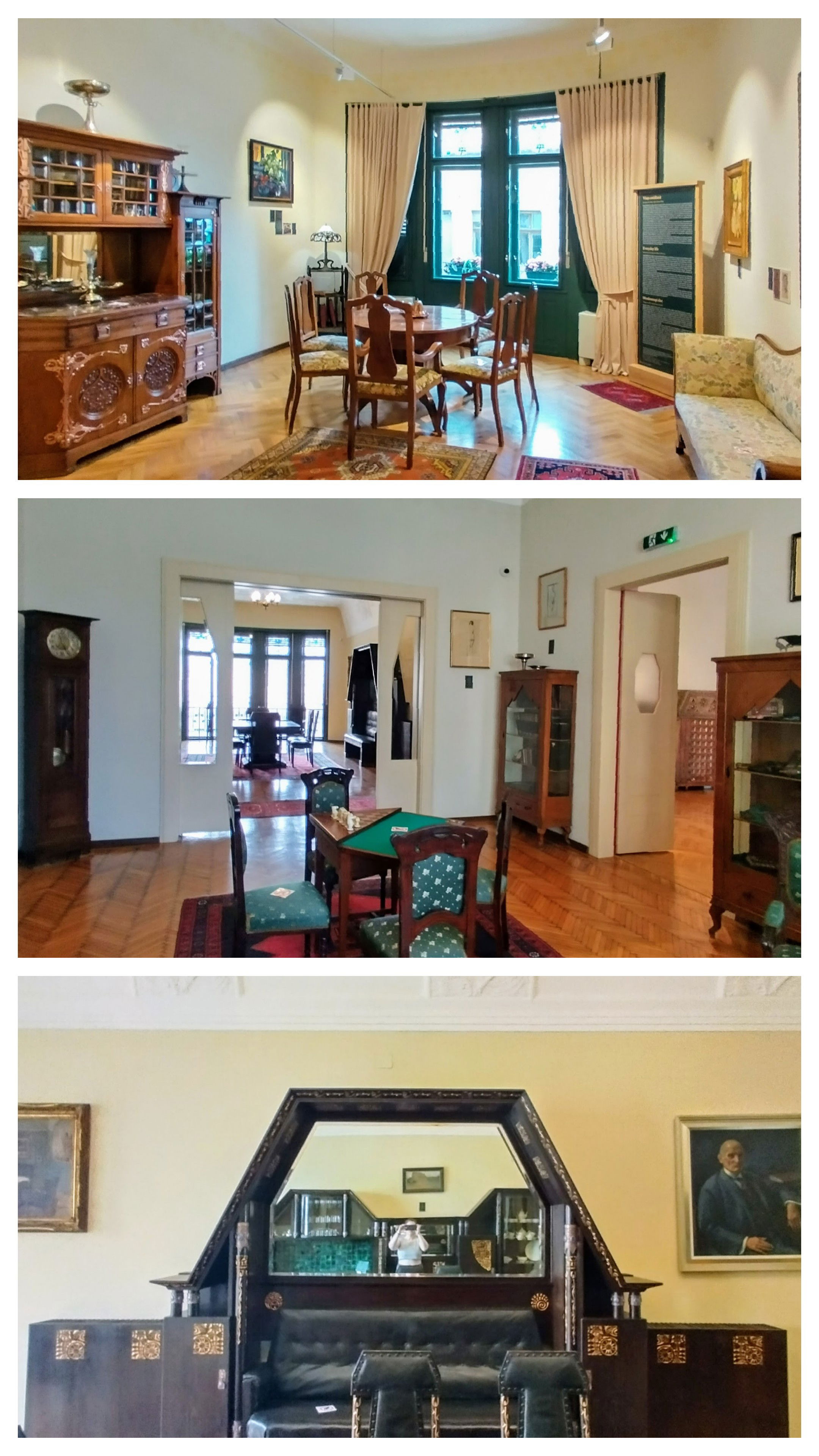
Camere de zi // Day chambers
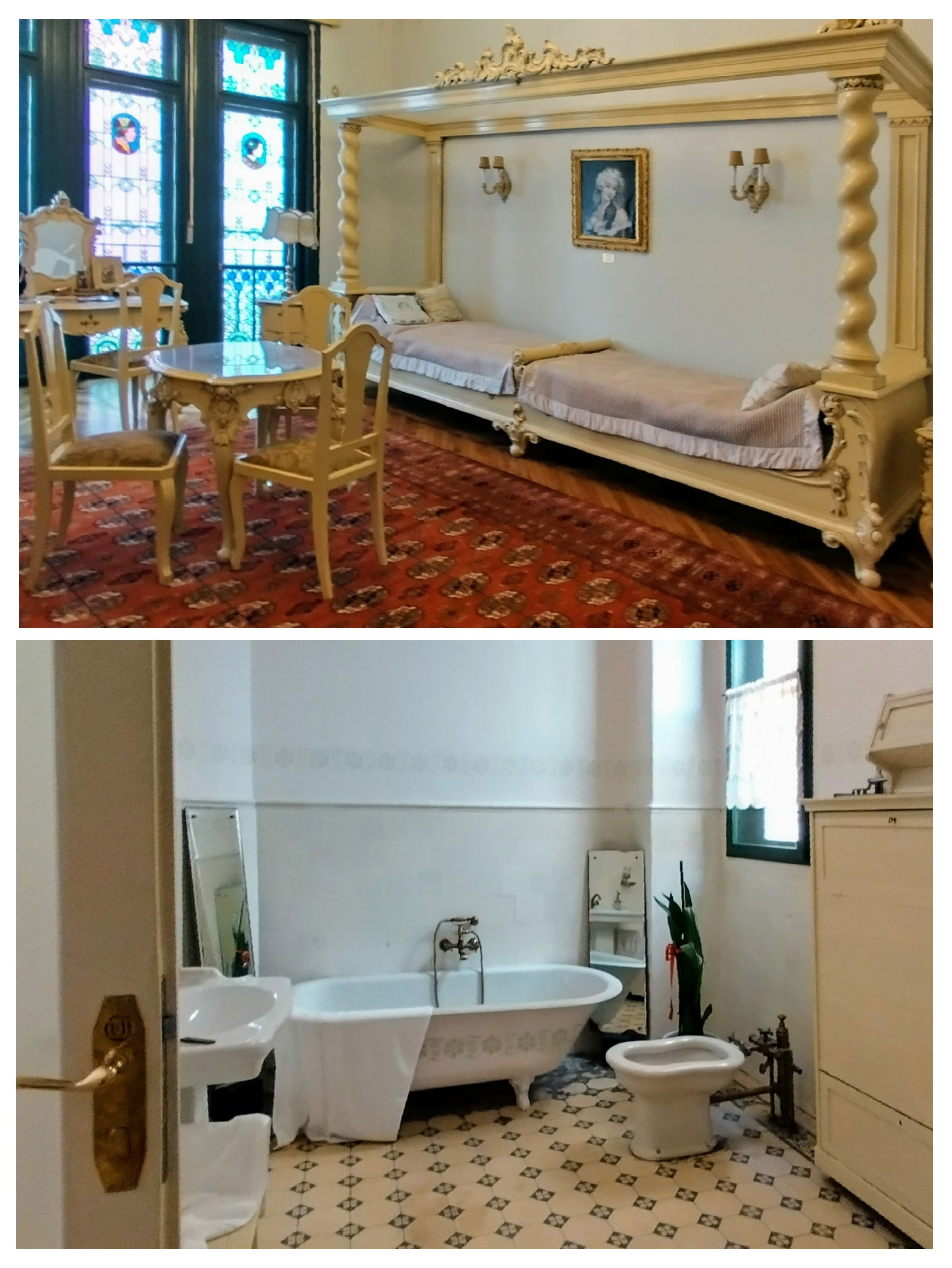
Camere private // Private rooms
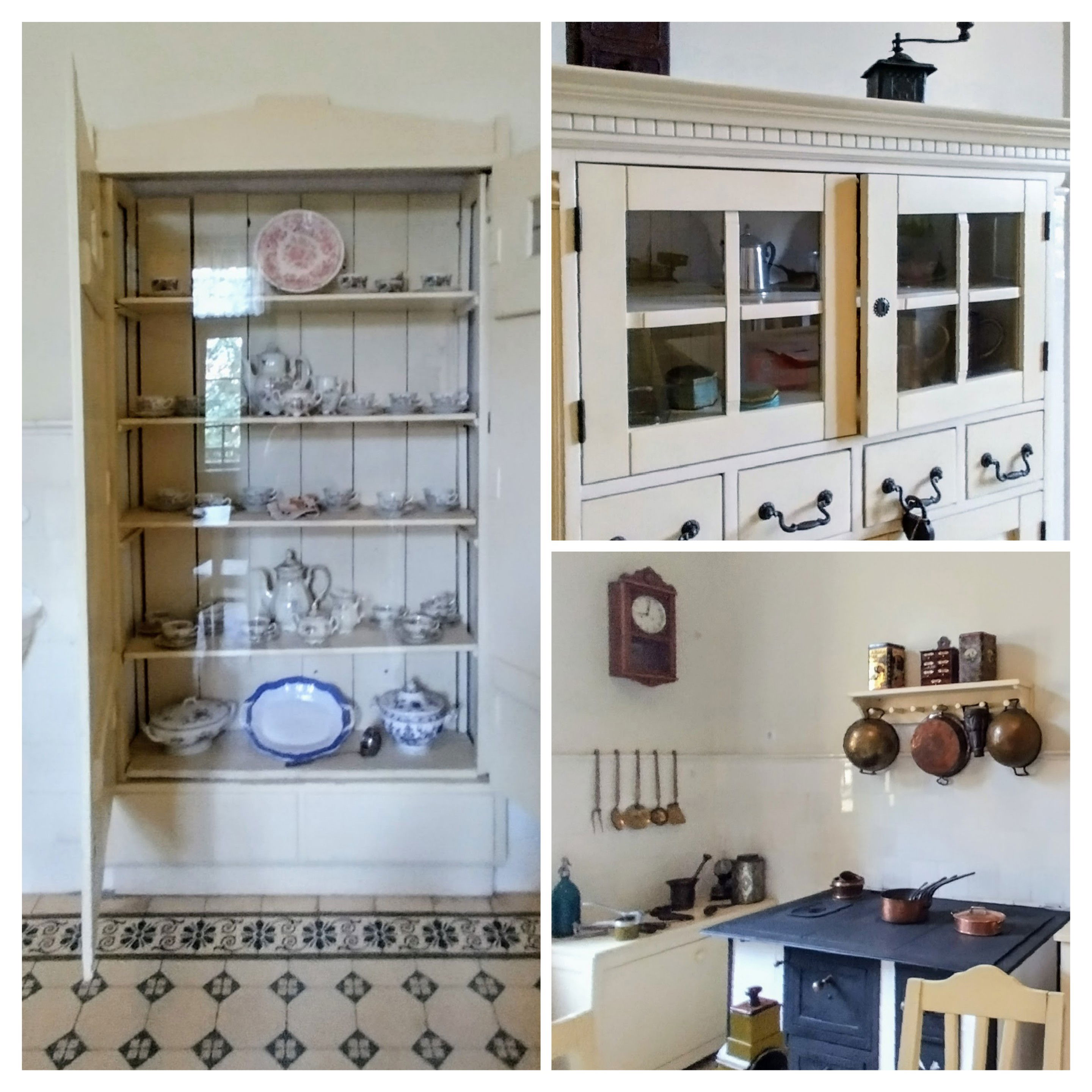
Bucătăria // The kitchen
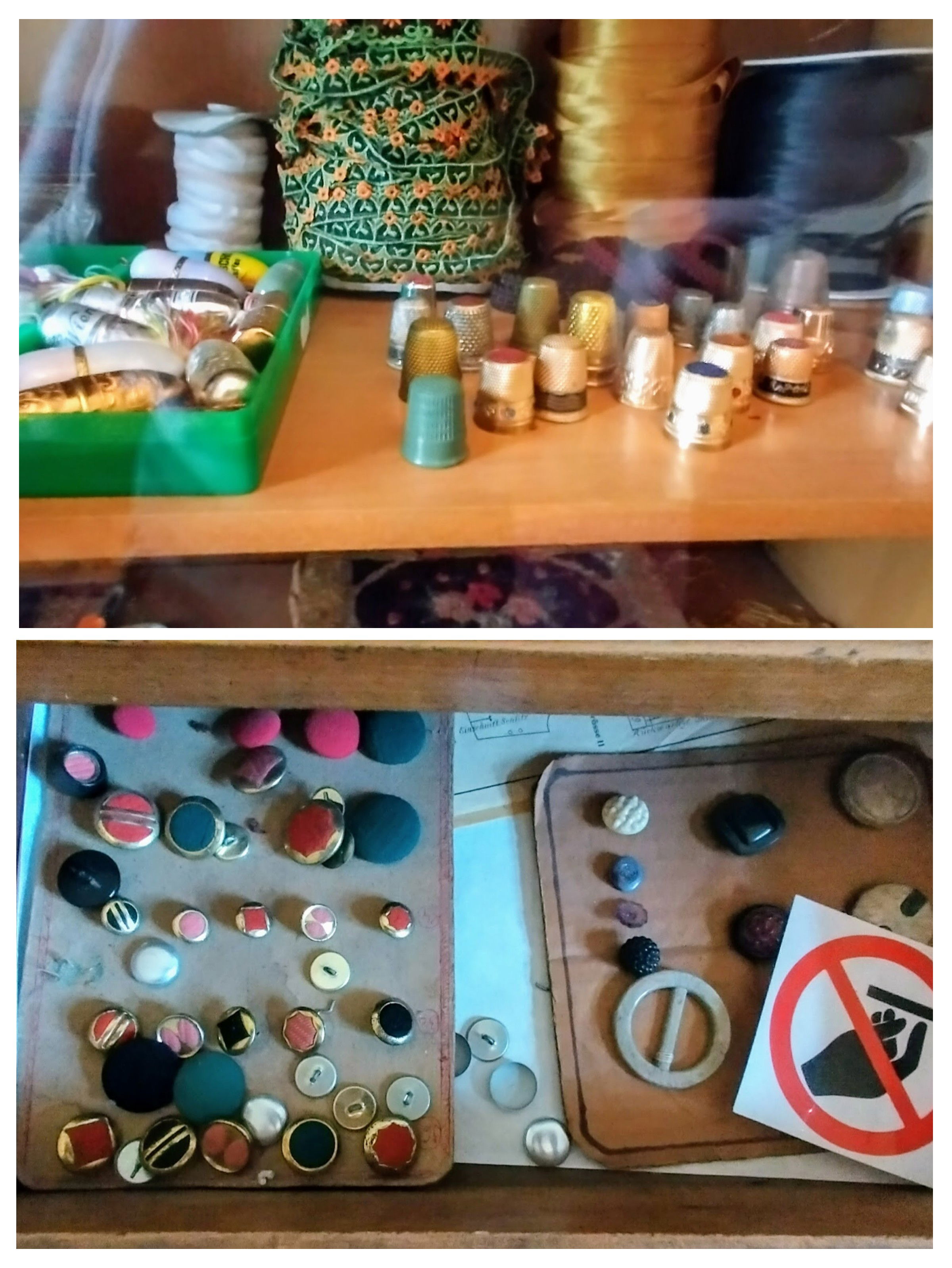
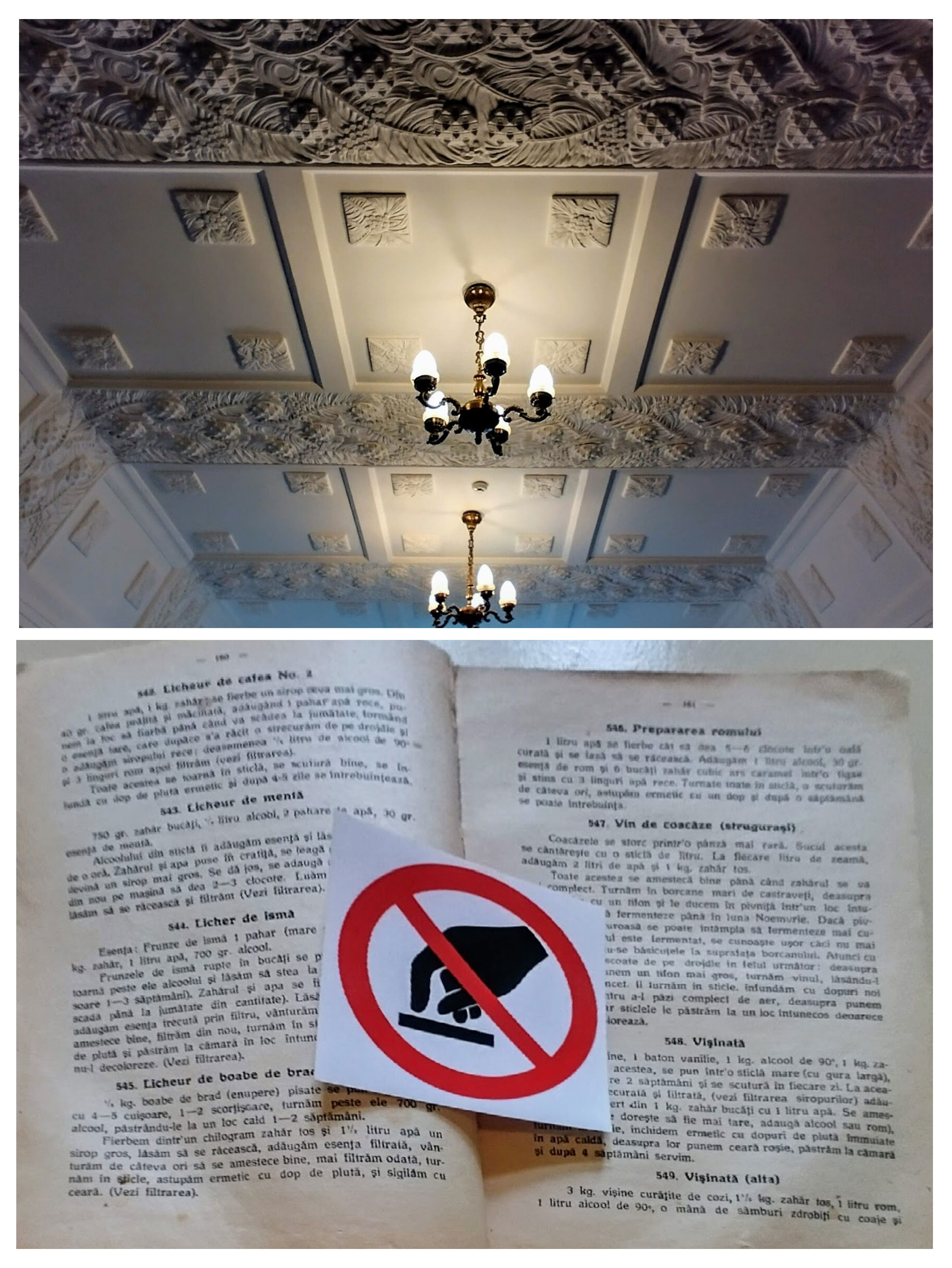
Detalii // Details
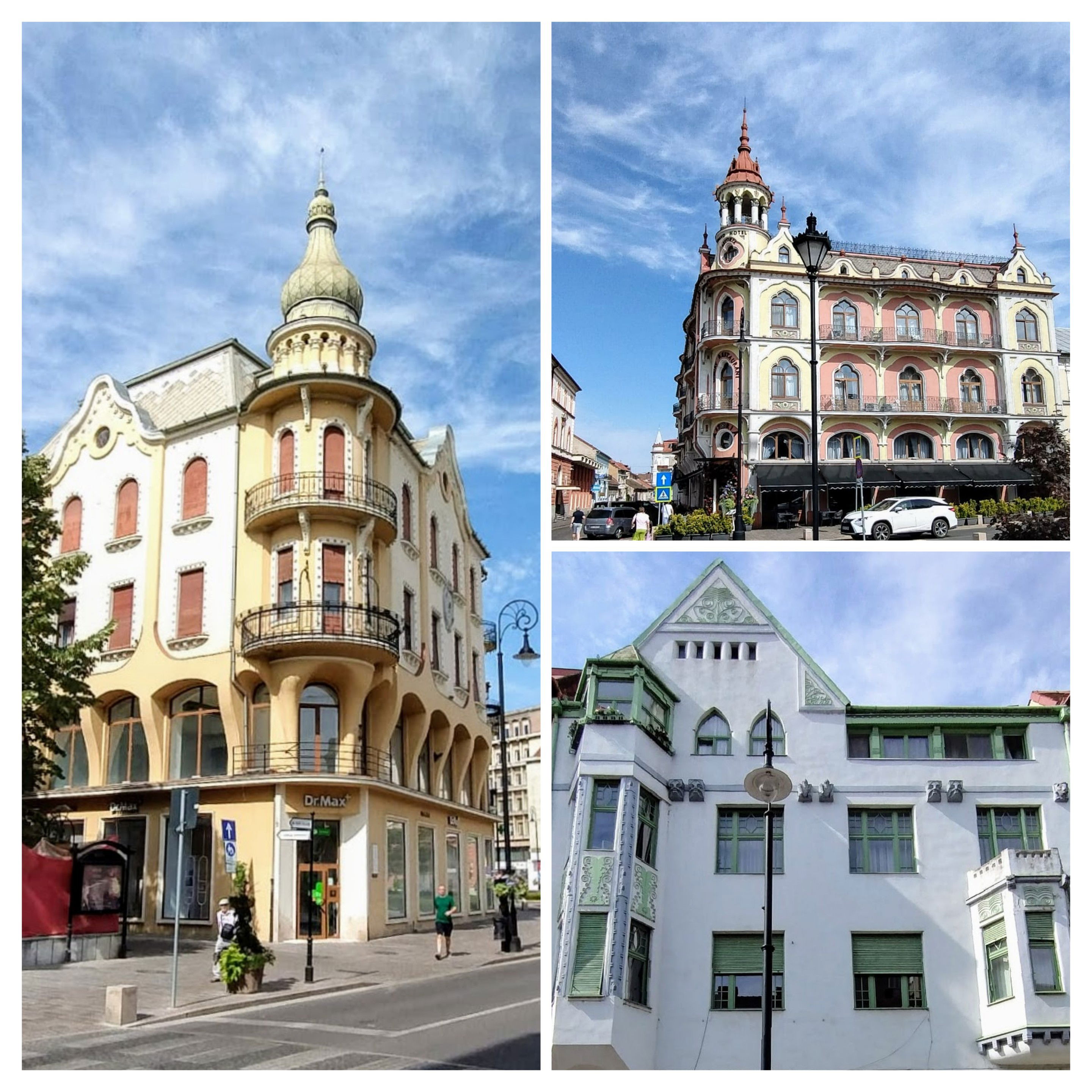
În capătul străzii Iosif Vulcan se află Teatrul Regina Maria, iar, în spatele acestuia, pe strada Patrioților - cea mai frumoasă casă din Oradea, părerea mea! O căsuță de turtă dulce, atât de atipică pentru arhitectura românească, dar atât de potrivită pentru aerul austriaco-imperial al orașului.
At the end of Iosif Vulcan Street stands the Regina Maria Theatre, and behind it, on Patrioților Street — the most beautiful house in Oradea, in my opinion! A gingerbread-house, so atypical for Romanian architecture but so fitting for the Austro-imperial feel of the city.
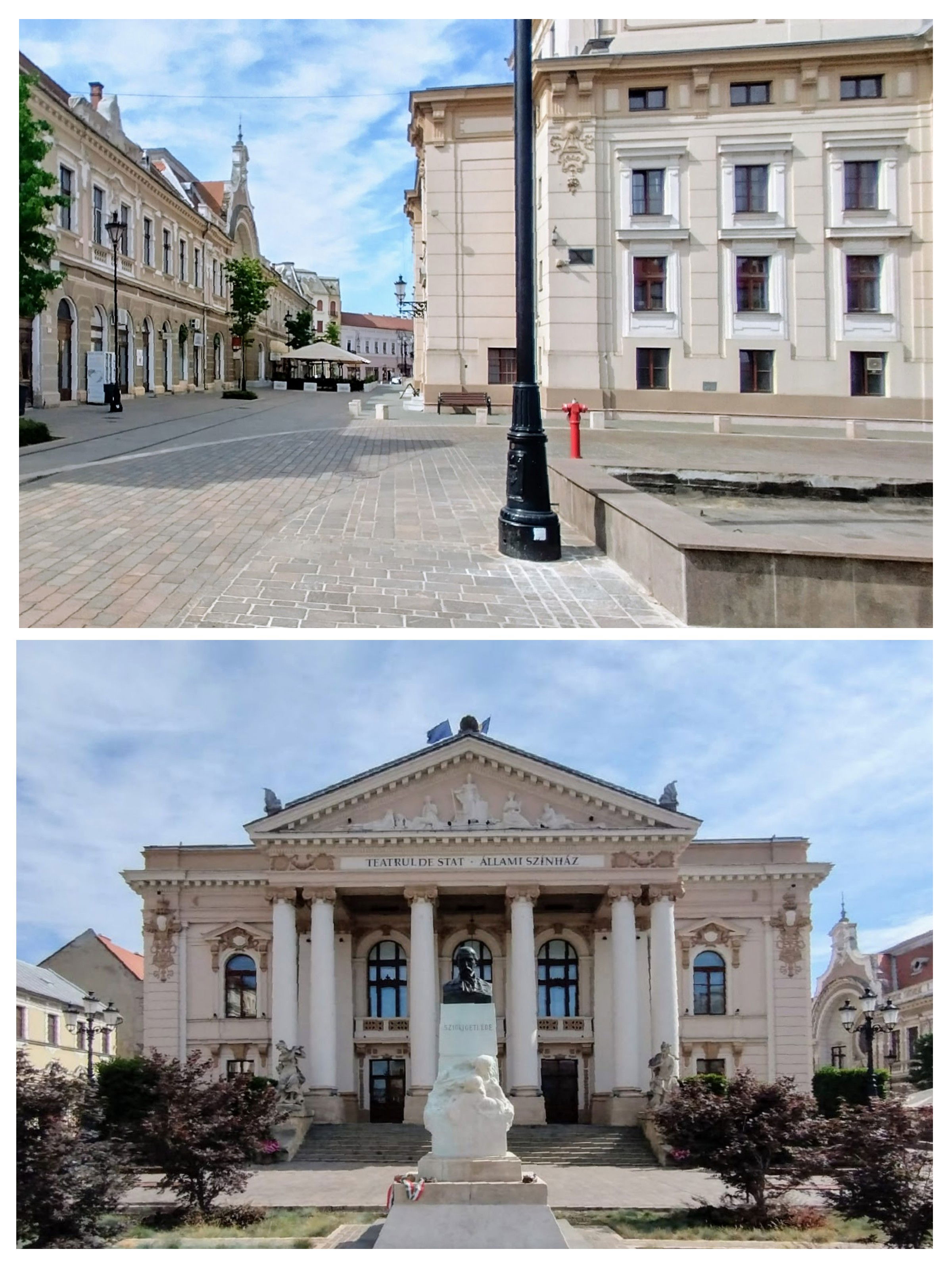
Vedere către Calea Republicii; fațada teatrului // View toward Calea Republicii; the theatre's façade
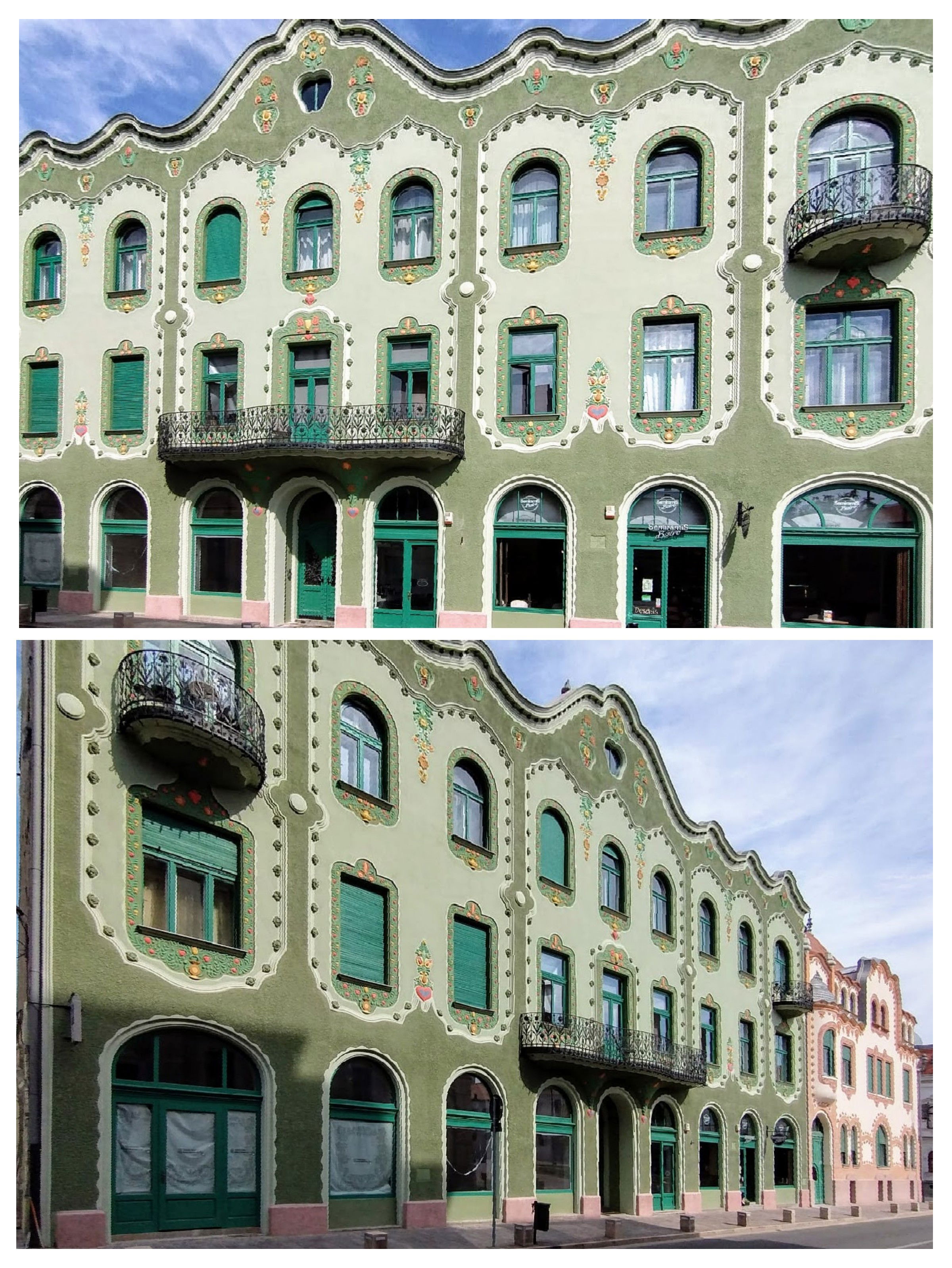
Căsuța (ca) de turtă dulce // The gingerbread(-like) house
Spatele teatrului și alte colțuri frumoase // The back of the theatre and other beautiful corners
În apropierea teatrului // Around the theatre
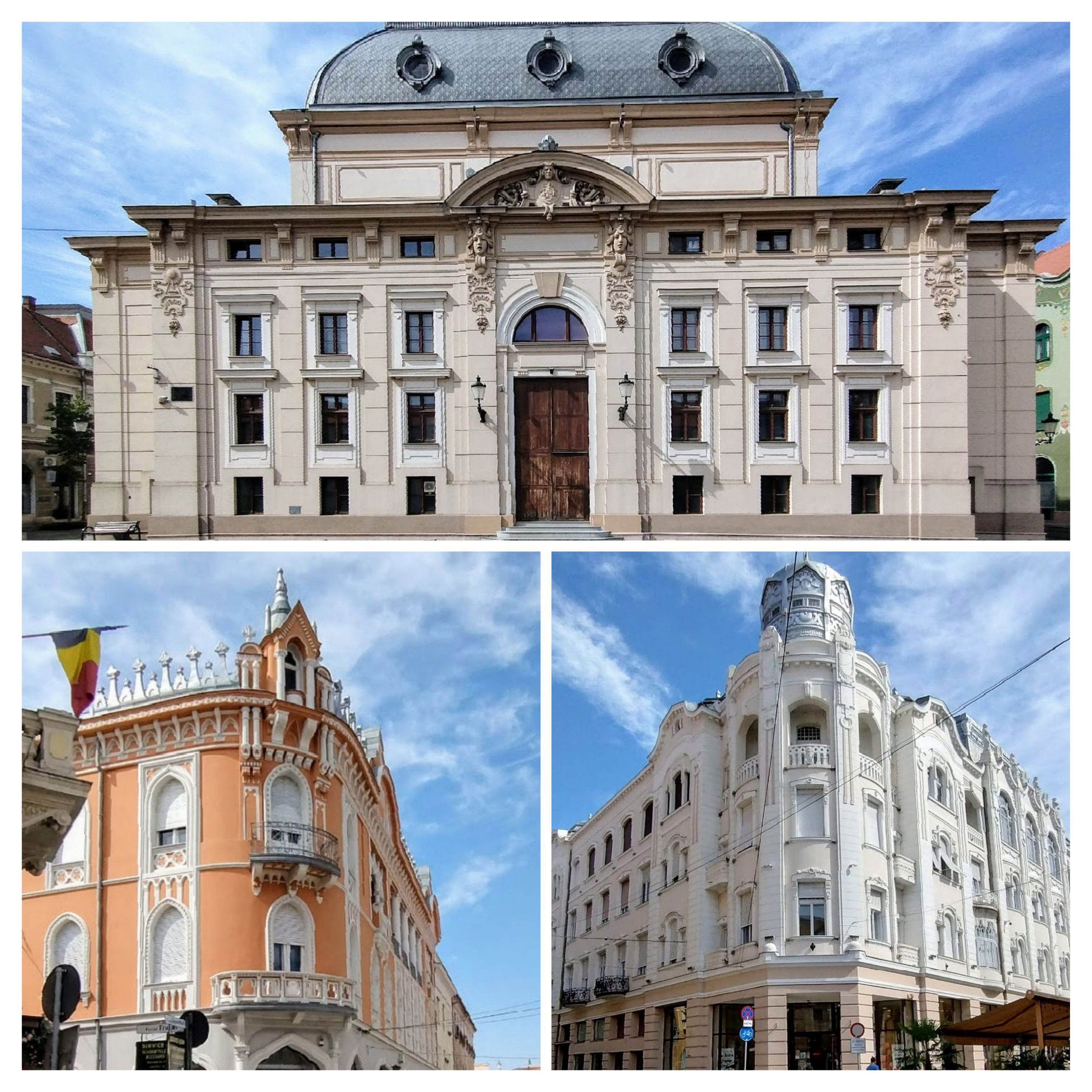
Am continuat apoi pe Strada Moscovei, spre Calea Republicii, pe care am mers până la Palatul Moskovits, o altă bijuterie arhitecturală. Pe drum, tot felul de case duc cu gândul la Crăciun în Austria - cel puțin pe mine…
We then continued on Moscovei Street toward Calea Republicii, which we followed to the Moskovits Palace, another architectural gem. Along the way, all kinds of houses bring to mind Christmas in Austria — at least for me…
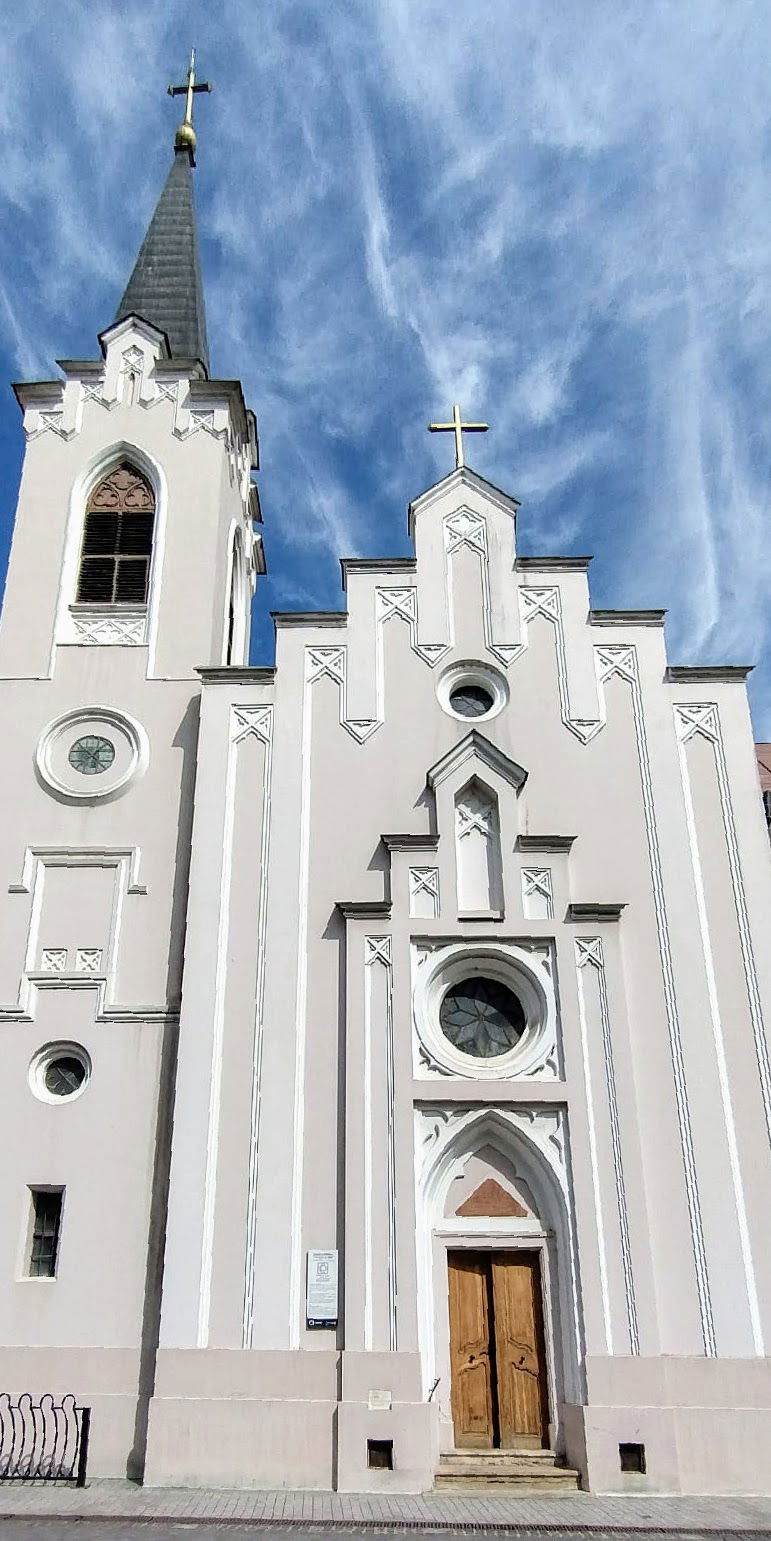
La intrarea pe Calea Republicii, Biserica Ursulinelor // Upon entering Cale Republicii, there is the Ursuline Church
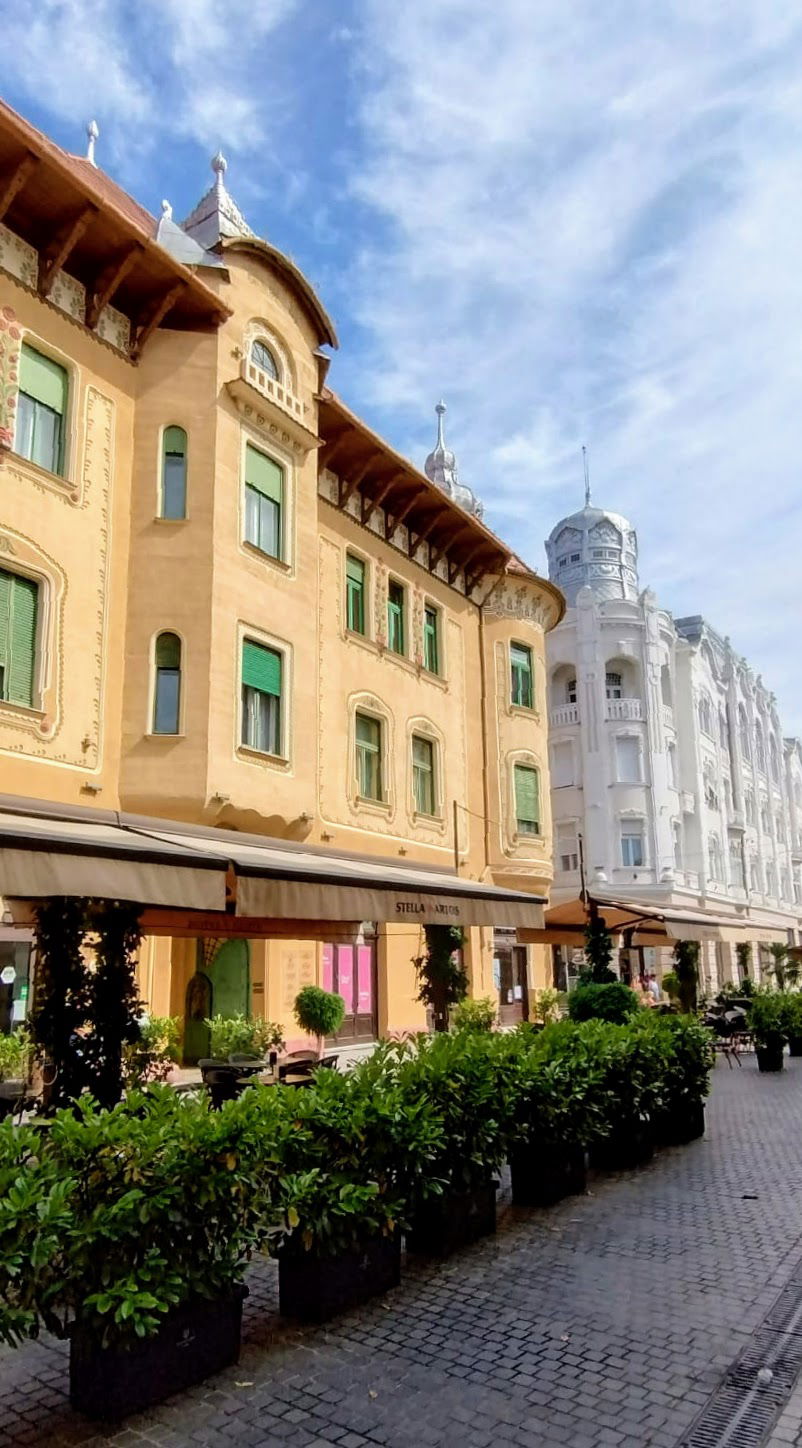
Calea Republicii...
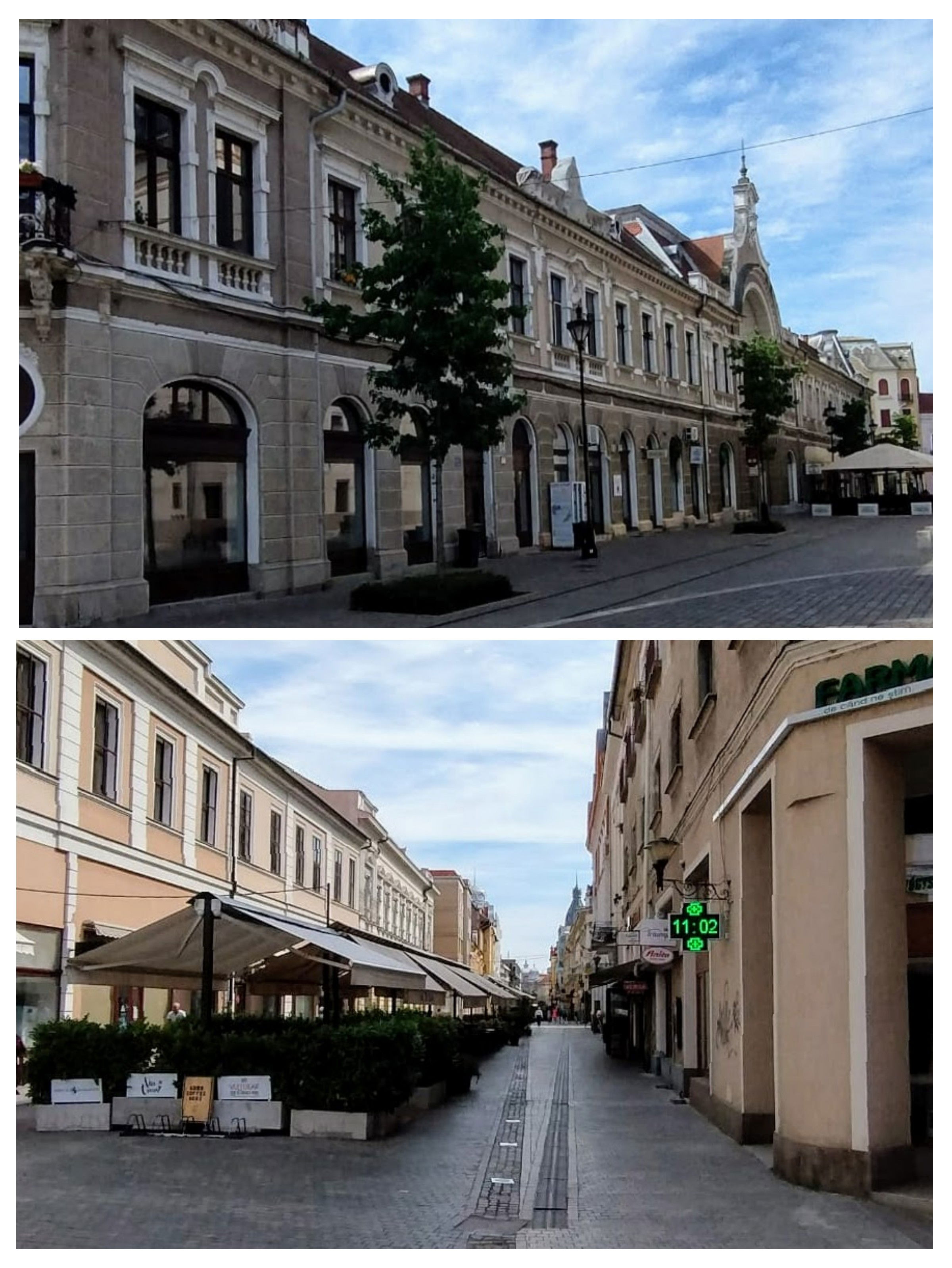
...veche... // ...old...
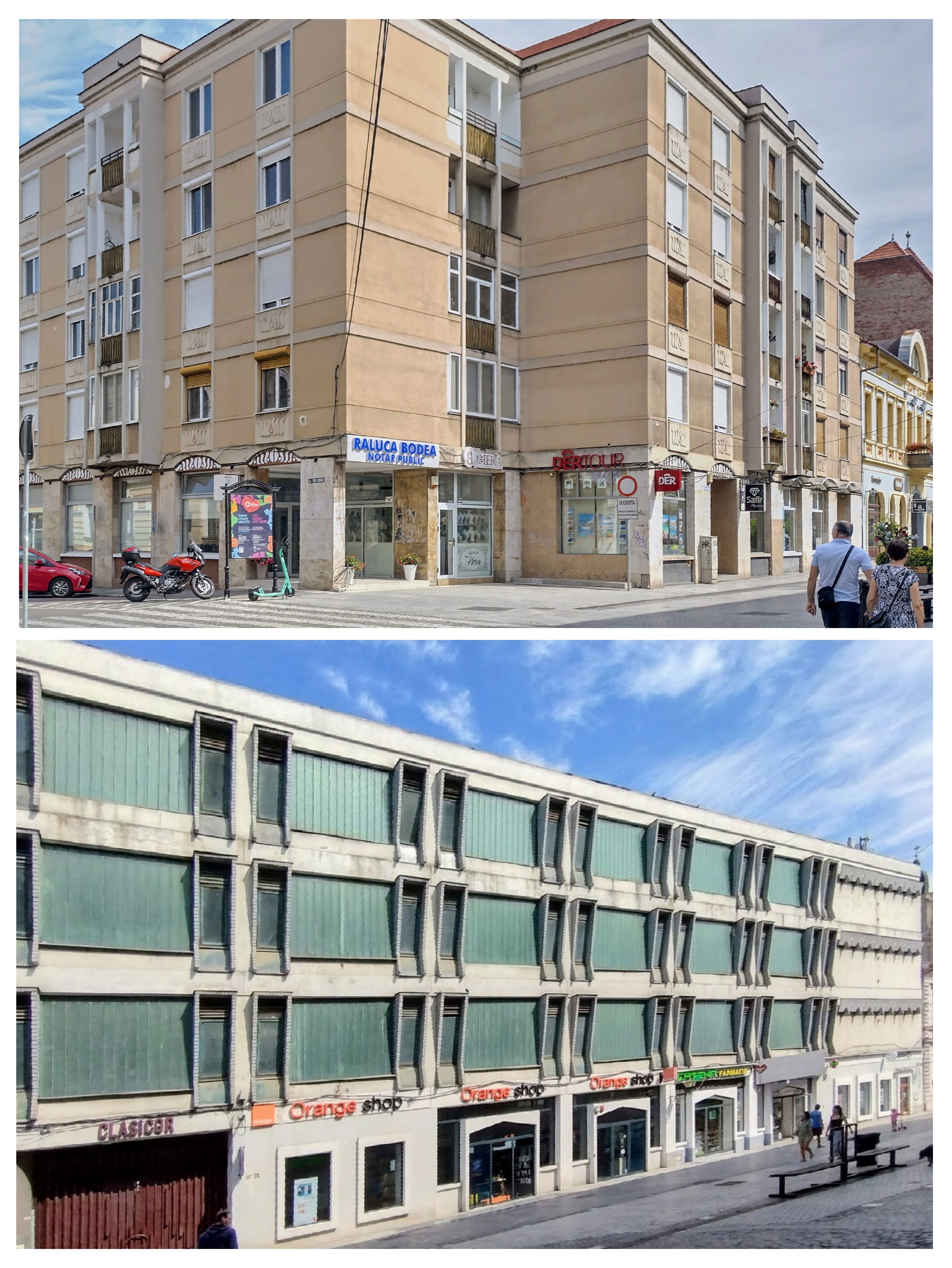
...sau (mai) nouă // ...or new(er)
Construit în 1905, palatul a fost ridicat de către Miksa Moskovits în stilul secession-ului münchenez, după proiectul arhitectului Kálmán Rimanóczy Jr.
Secesion, Stil în artele plastice și arhitectura de la sfârșitul sec. XIX și începutul sec. XX în Europa, caracterizat prin importanța acordată formelor sinuoase și prin exuberanța decorației inspirate mai ales din motive vegetale. Numele grupărilor artistice de avangardă din Germania și din Austria de la sf. sec. XIX și începutul sec. XX, care, ca o reacție împotriva artei oficiale academice, fără a avea o doctrină comună, au susținut impresionismul și postimpresionismul, promovând ulterior expresionismul. Et.: ger. Sezession
Built in 1905, the palace was commissioned by Miksa Moskovits in the Munich Secession style, to a design by the architect Kálmán Rimanóczy Jr.
Secession, a style in the visual arts and architecture at the end of the 19th and the beginning of the 20th century in Europe, characterized by an emphasis on sinuous forms and by exuberant decoration drawn chiefly from plant motifs. The name given to avant-garde artistic groups in Germany and Austria around the same period which, as a reaction against official academic art and without a shared doctrine, supported Impressionism and Post-Impressionism and later promoted Expressionism. Etymology: German Sezession.
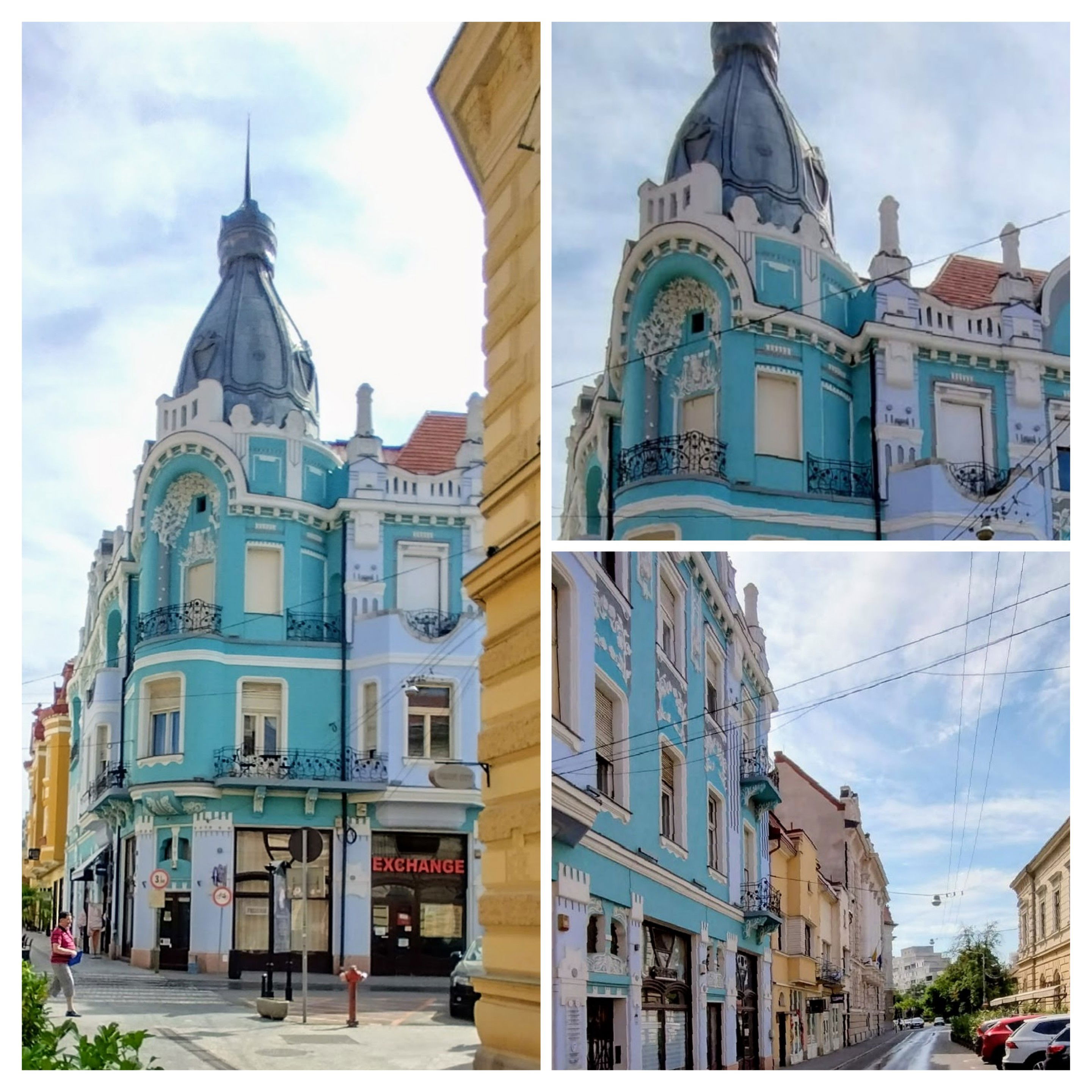
Palatul Moskvits // The Moskvits Palace
Apoi ne-am târât înapoi la hotel... Am comandat de mâncare de la Retro's și am petrecut după-amiaza la filme.
Vrând-nevrând, a trebuit să ieșim după apă la magazin, motiv pentru care am mai strâns câte 2 km dus și 2 întors, înainte de a ne îndrepta, seara, spre cetate. Dar nu înainte de a face câteva poze de pe terasa hotelului nostru!
Then we dragged ourselves back to the hotel... We ordered food from Retro's and spent the afternoon watching movies.
Whether we liked it or not, we had to go out for water at the store, which added about 2 km there and 2 km back, before we headed toward the fortress in the evening. But not before taking a few photos from our hotel's terrace!
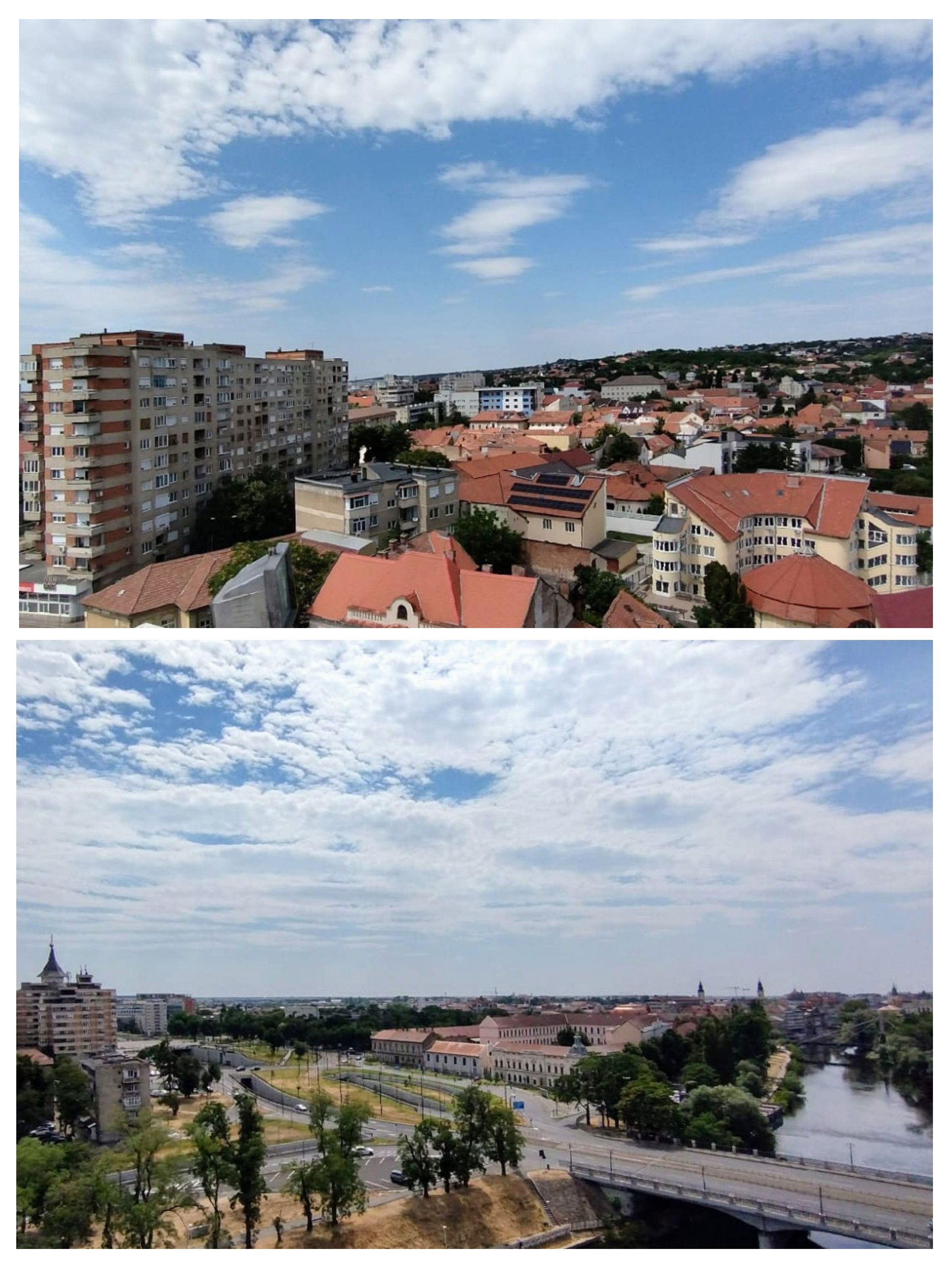
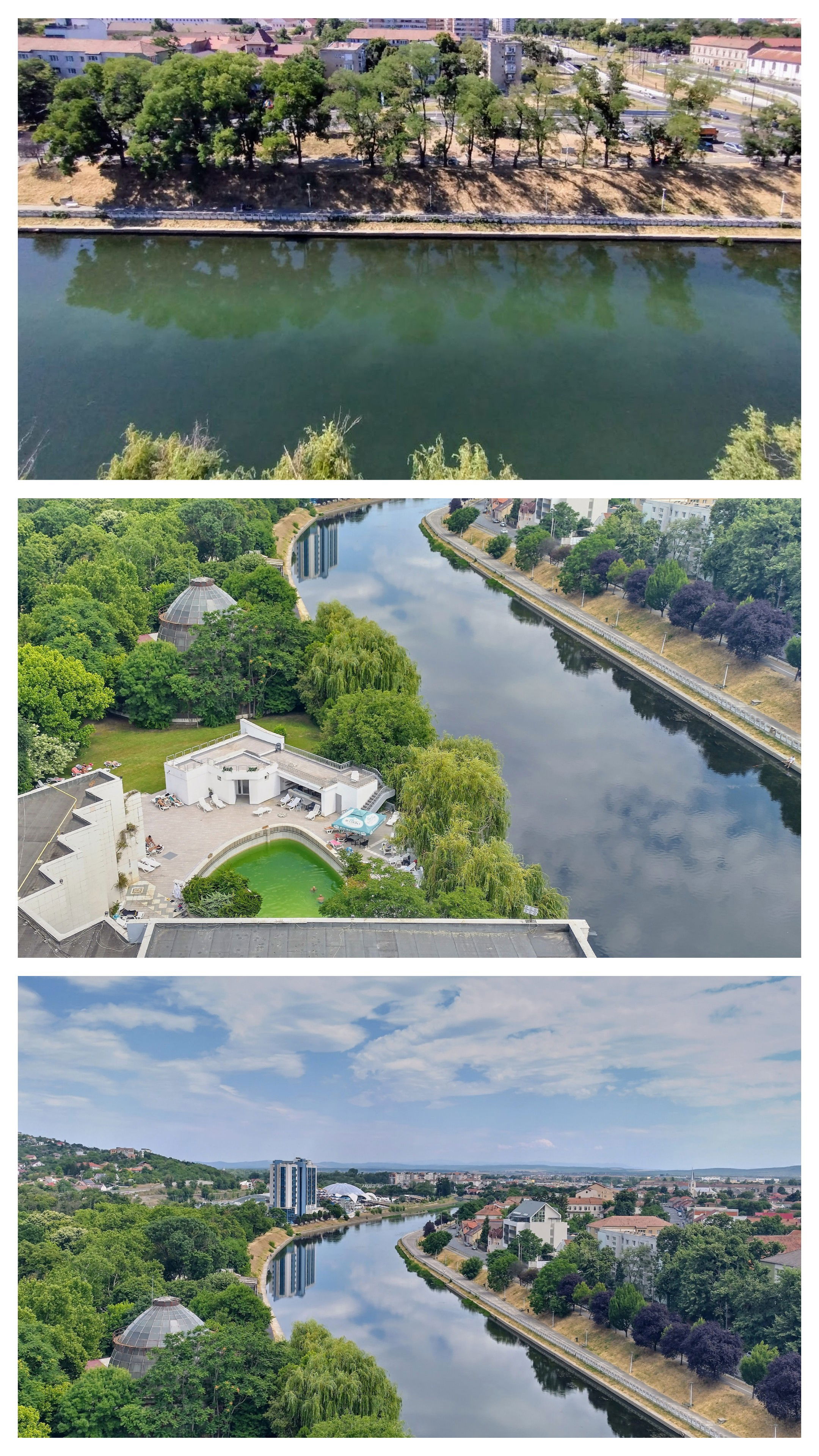
Am zis apoi să combinăm plimbarea cu ceva explorări și ne-am aventurat până la Piața Unirii, adevăratul centru, unde se află Primăria, Palatul Episcopal Greco-Catolic, dar și superbul Palat Vulturul Negru.
Pentru început, am urmat același drum ca de dimineață, până la sinagogă. De data asta, am oprit pentru câteva poze, înainte de a continua drept, către Piața Unirii. Aici, un soare absolut năucitor ne-a făcut să vedem centrul mai mult prin lentila obiectivului, neștiind exact nici ce pozam.
We then decided to combine the walk with some exploring and ventured to Piața Unirii, the real center, where the City Hall, the Greek-Catholic Episcopal Palace, and the superb Black Eagle Palace are located.
To start, we followed the same route as in the morning up to the synagogue. This time we stopped for a few photos before continuing straight toward Piața Unirii. There, an absolutely dazzling sun made us see the centre mostly through the camera lens, not really knowing exactly what we were photographing.
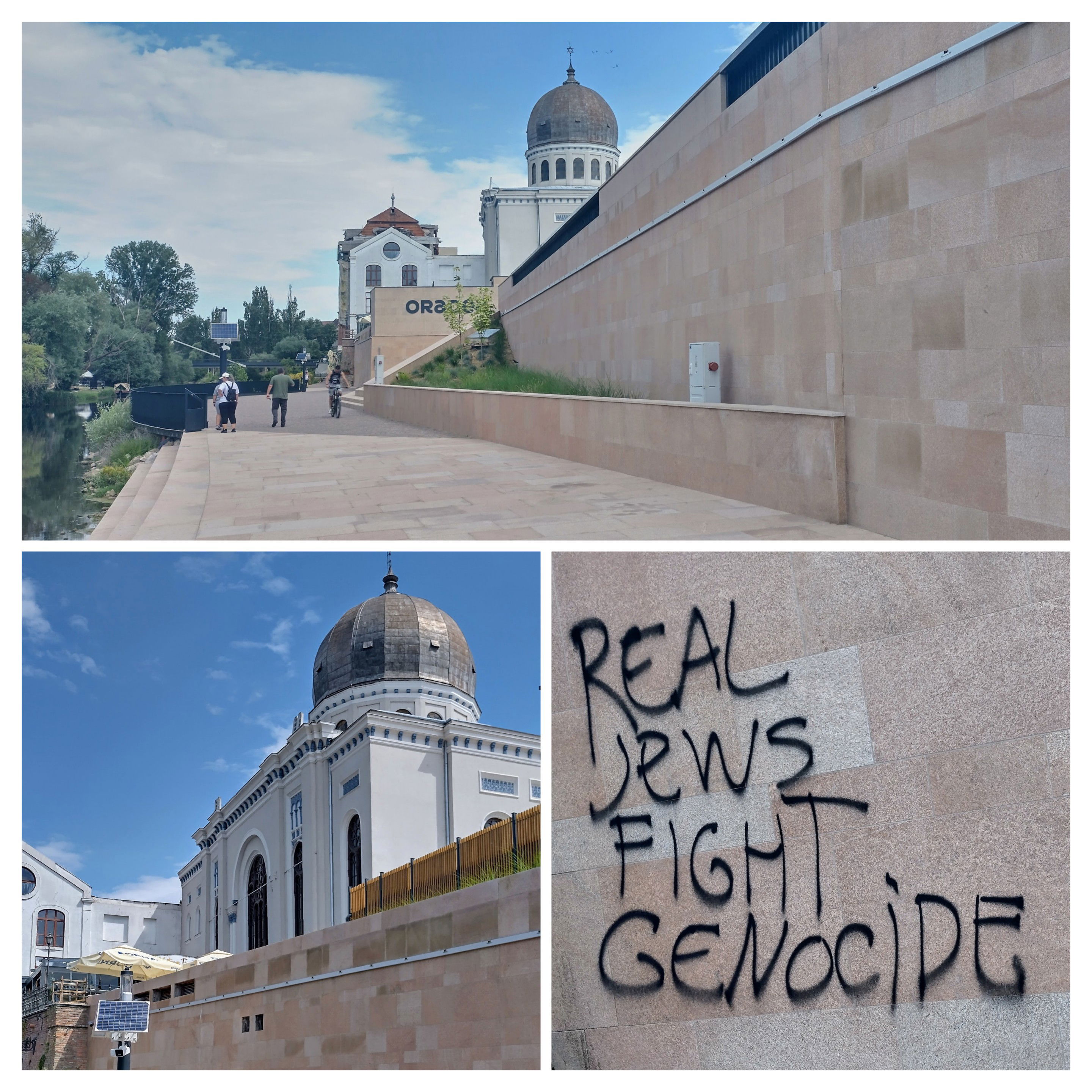
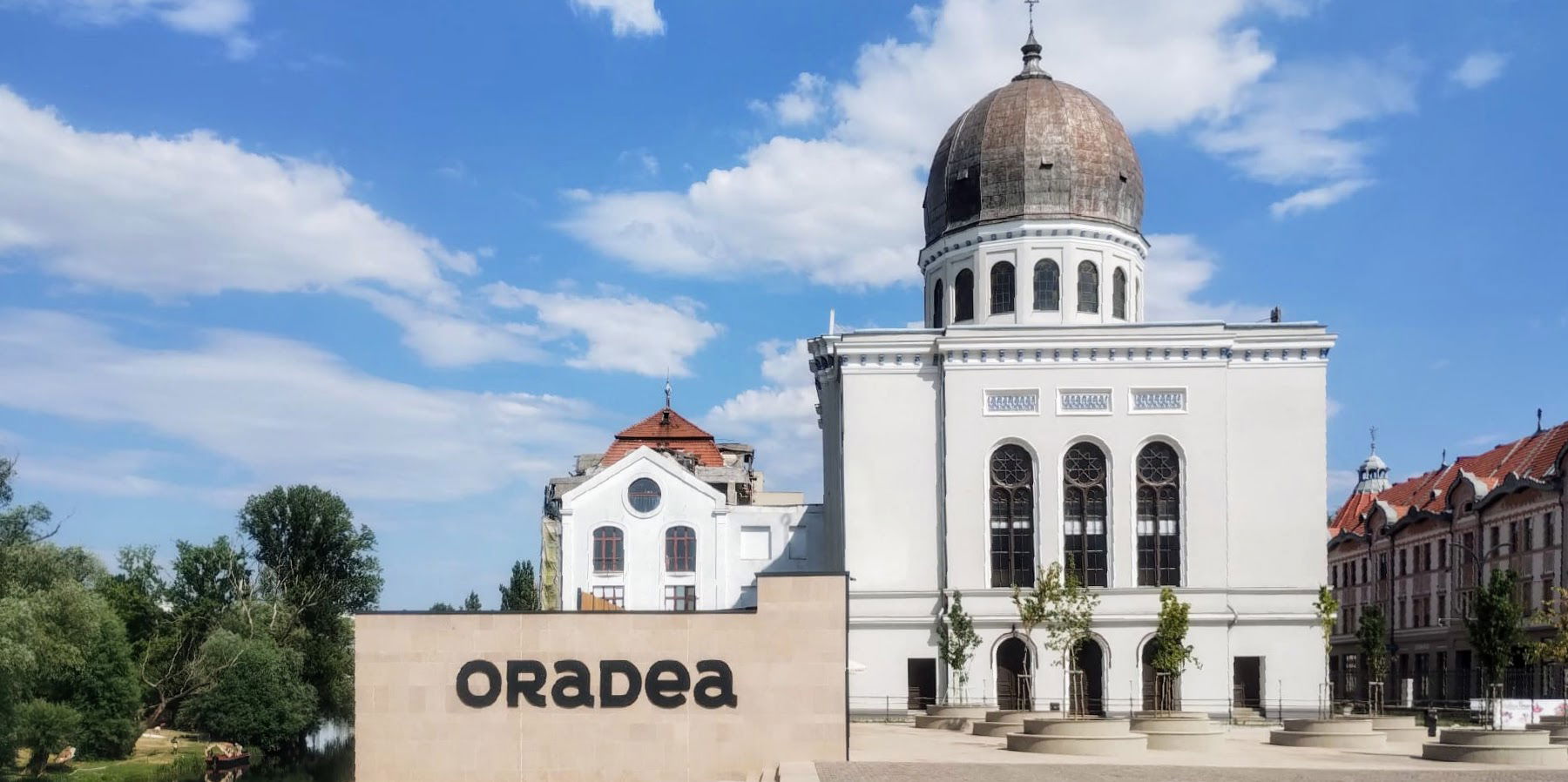
Sinagoga Neologă Sion // Sion Neolog Synagogue
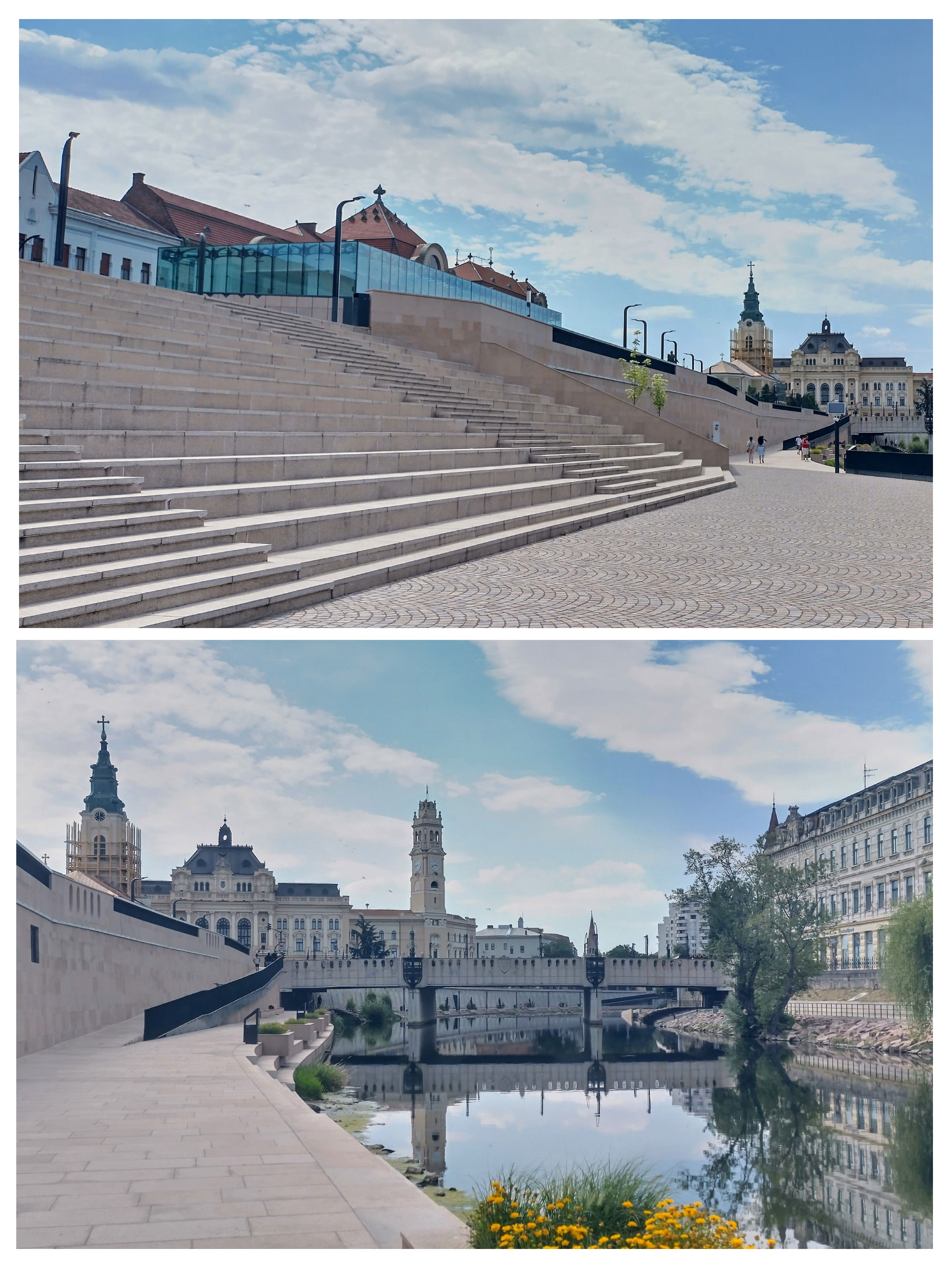
Dinspre sinagogă spre Podul Sfântul Ladislau, către Piața Unirii dincolo de pod // From the synagogue toward the Saint Ladislaus Bridge, to Piața Unirii beyond the bridge
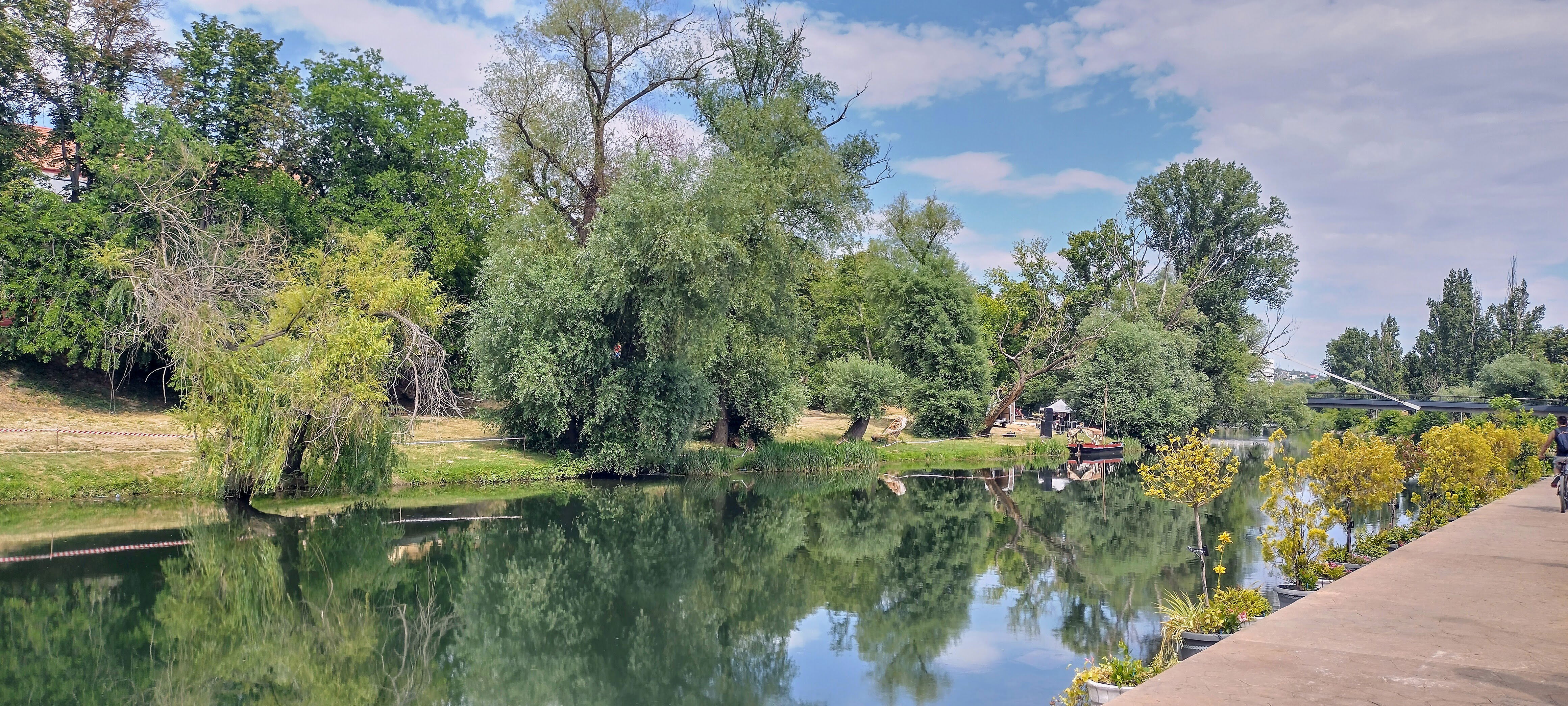
Pe partea cealaltă a Crișului se află Piața Regele Ferdinand și, mai în spate, Parcul Libertății — până aici au ajuns și ambarcațiunile medievale, care se pierd printre malurile înverzite și luciul apei, plin de pești.
On the opposite side of the Criș lie Regele Ferdinand Square and, further back, Liberty Park — the medieval vessels reached this far, disappearing among the verdant riverbanks and the glittering, fish-filled surface of the water.
Trecem podul Sfântul Ladislau pentru a intra în Piața Unirii, unde soarele orbitor ne-a făcut să ne întrebăm unde e Palatul Vulturul Negru. Era chiar în fața noastră! Această minunăție ne-a captat întreaga atenție, iar pe lângă celelalte monumente istorice din piață am trecut doar fugitiv. Palatul Moskovits și fii, Biserica cu Lună, Palatul Episcopal, Primăria (în renovare) și multe alte monumente din această piață pot fi văzute în detaliu pe acest site.
We cross the Saint Ladislaus Bridge to enter Piața Unirii, where the blinding sun made us wonder where the Black Eagle Palace was. It was right in front of us! This marvel captured our full attention, and we only passed the other historic monuments in the square briefly. The Moskovits Palace and Sons, the Church with the Moon, the Episcopal Palace, City Hall (under renovation) and many other monuments in this square can be seen in detail on this site (unfortunately only in Romanian).
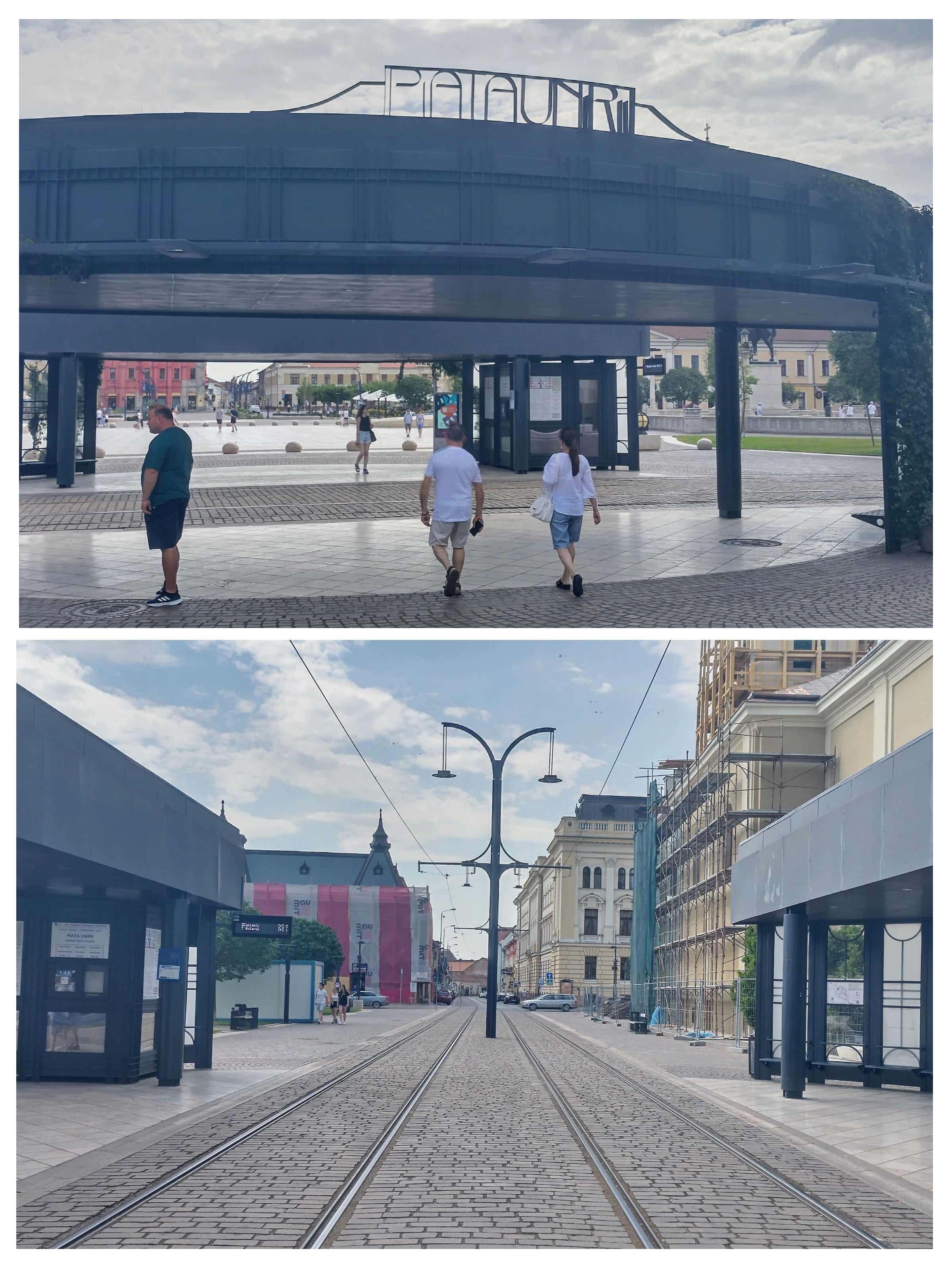
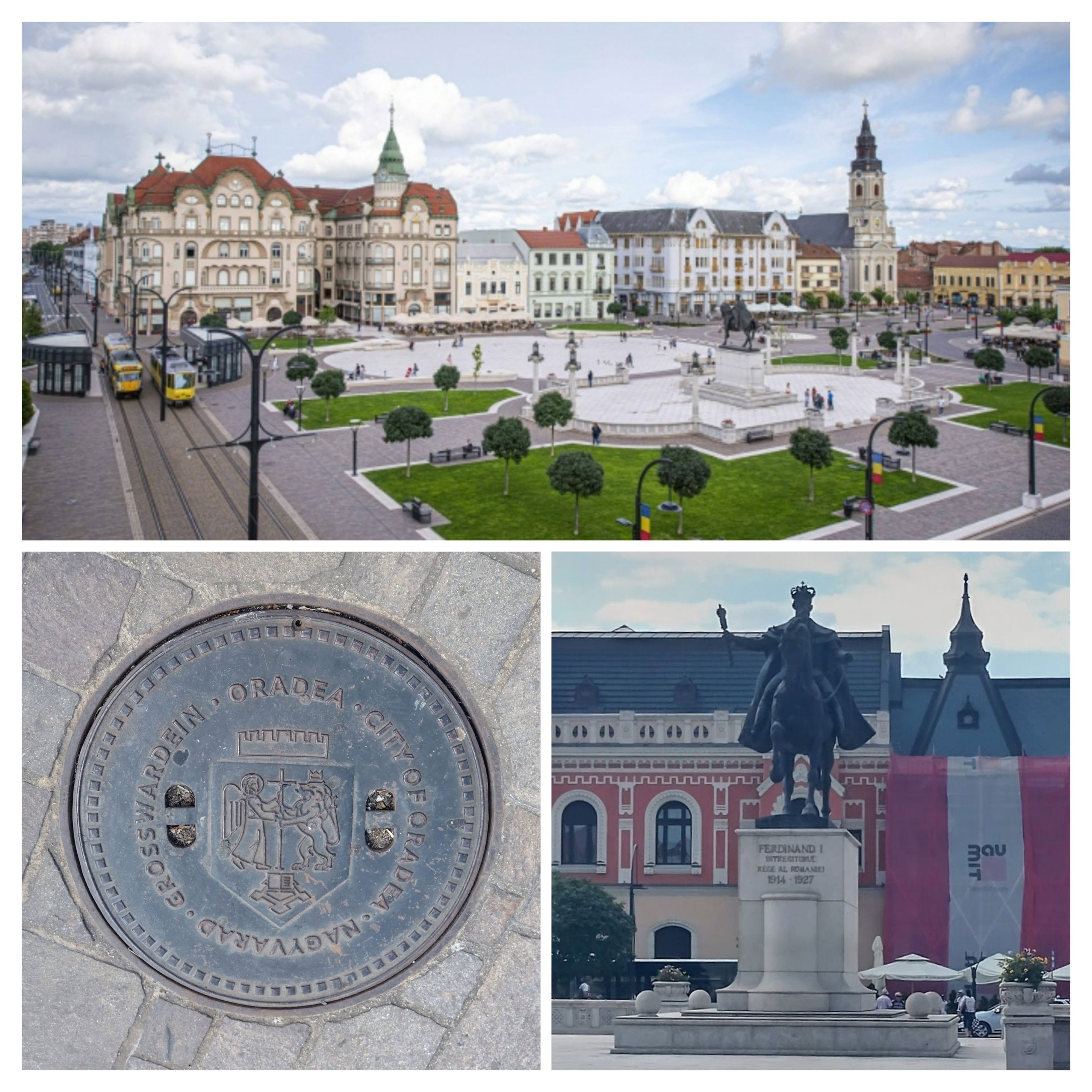
Piața Unirii: Stația de tramvai; vedere aeriană (via oradeaheritage.ro); gură de canal; statuia Regelui Ferdinand I // Piața Unirii: tram stop; aerial view (via oradeaheritage.ro); manhole; statue of King Ferdinand I
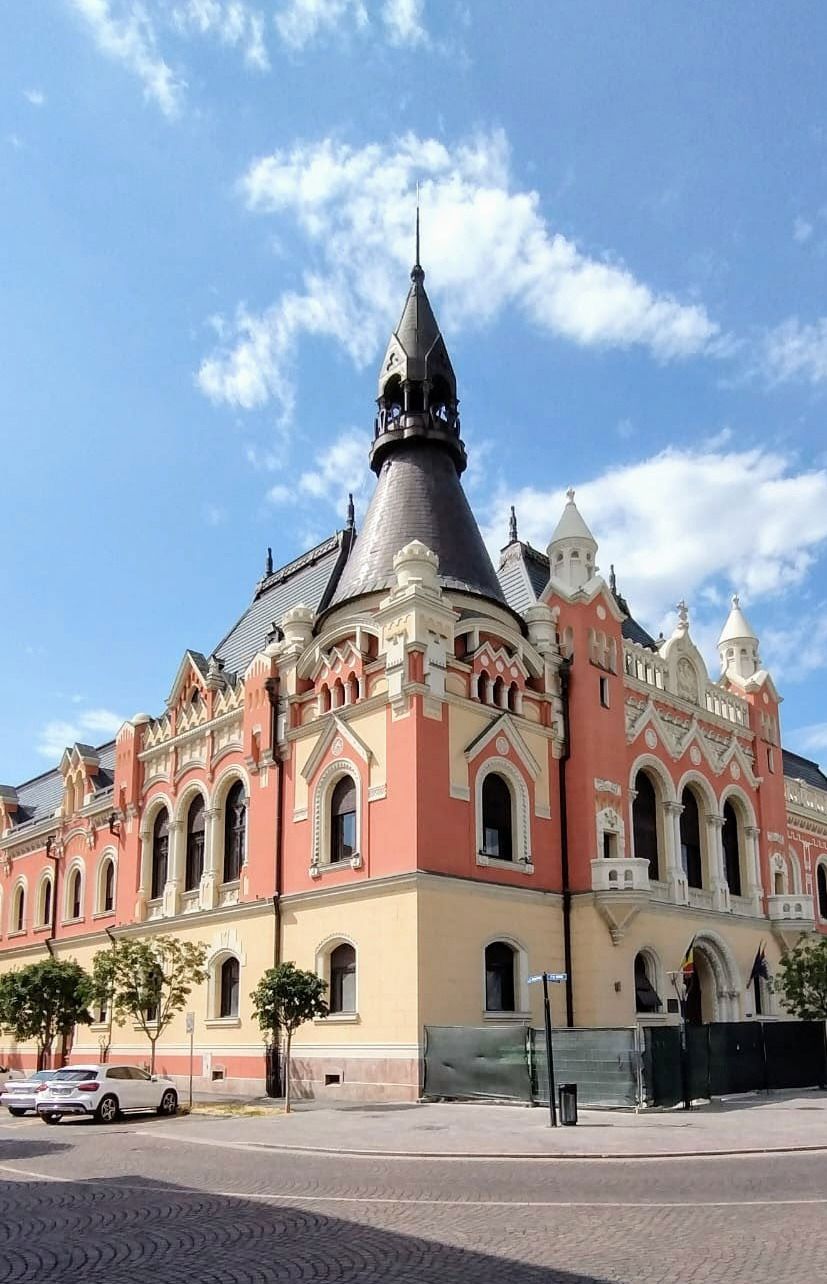
Palatul Episcopal // The Episcopal Palace
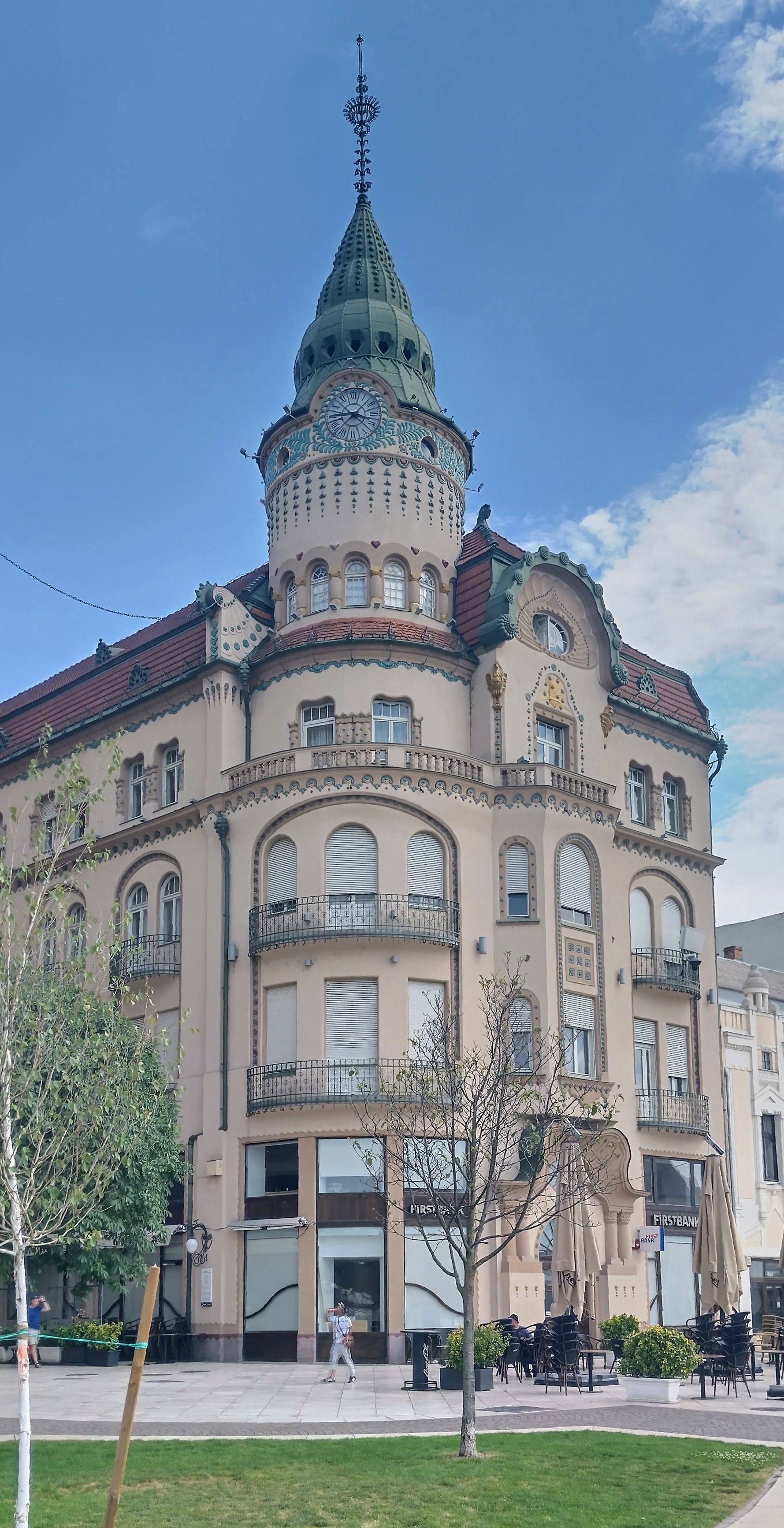
Superbitatea Sa, Palatul Vulturul Negru (priviți detaliile)! // Its Superbness, the Black Eagle Palace (look at the details)!
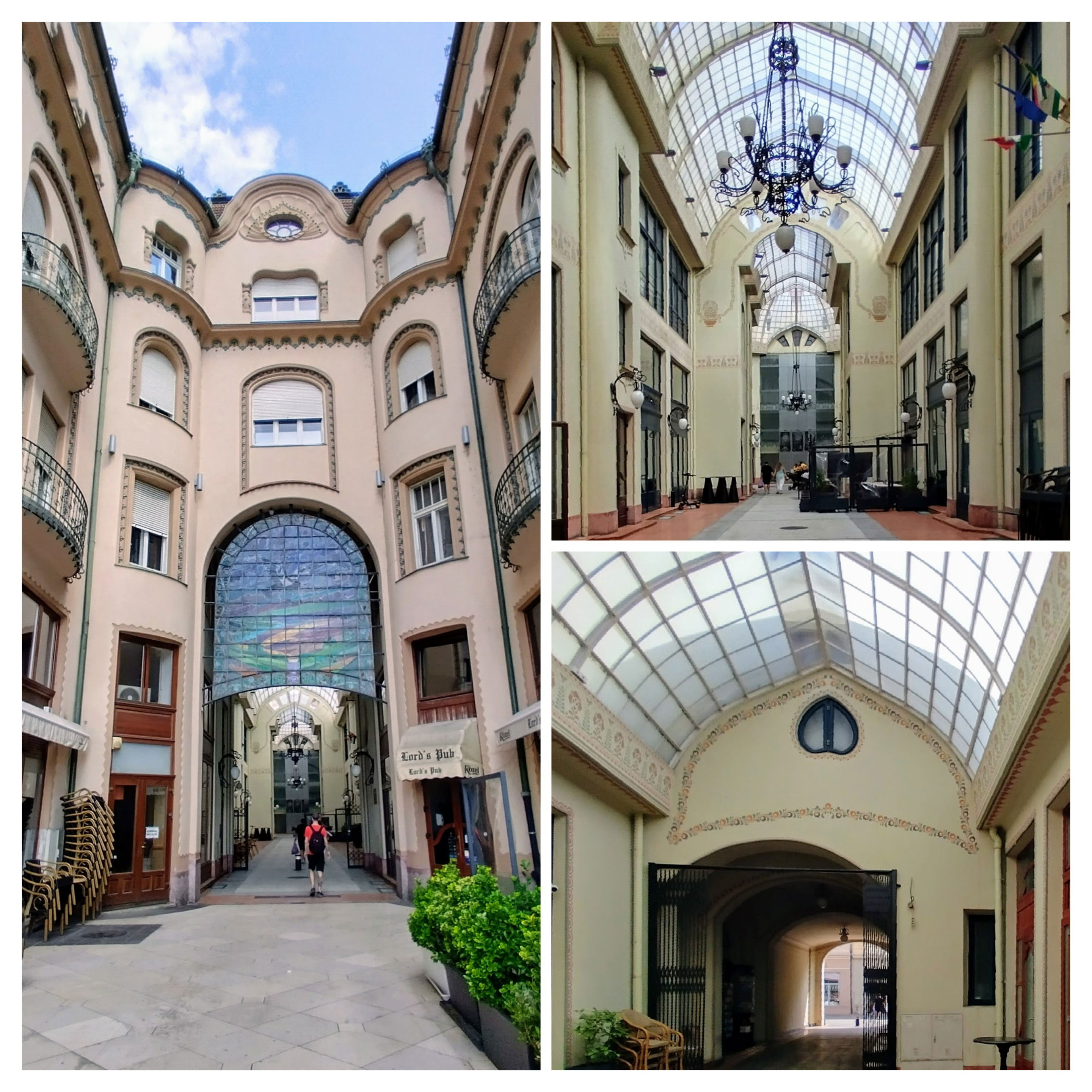
Odată cu aceste călătorii ale noastre, descopăr noi lucruri care îmi plac — pasajele sunt cu siguranță pe listă! Mai ales dacă sunt acoperite cu sticlă frumoasă. Am trecut prin acest pasaj superb și, ieșind pe cealaltă parte pe Strada Vasile Alecsandri, am poposit la o înghețată delicioasă la Gelato Lab, încercând totodată să evităm canicula. Fără să reușim prea bine, am reintrat printre clădiri și am luat drumul înapoi pe unde am venit.
With these walks of ours I discover new things I like — passages are certainly on the list! Especially if they are covered with beautiful glass. We went through this lovely passage and, exiting on the other side onto Vasile Alecsandri Street, we stopped for a delicious ice cream at Gelato Lab, trying at the same time to avoid the heat. Without much success, we reentered between the buildings and took the same way back as the one we came on.
Am mai făcut o foarte scurtă incursiune spre Strada Republicii, ca să ne luăm la revedere de la frumoasele căsuțe de turtă dulce. Aici am întâlnit personajele orașului, turnate în statui sau adevărate legende-vii, precum băiatul care face fotografii tip ziar.
Aurel Lazăr (n. 5 august 1872 — d. 18 noiembrie 1930) a fost un avocat român din Oradea, membru al Partidului Național Român din Transilvania, Banat și Părțile Ungurene. A fost deputat în Marea Adunare Națională de la Alba Iulia — organul legislativ reprezentativ al tuturor românilor din Transilvania, Banat și Țara Ungurească — care a adoptat hotărârea privind unirea Transilvaniei cu România la 1 decembrie 1918.
We made a very short foray to Republicii Street to say goodbye to the beautiful gingerbread houses. Here we met the city's characters, cast as statues or true living legends, like the boy who takes newspaper-style photographs.
Aurel Lazăr (born 5 August 1872 — died 18 November 1930) was a Romanian lawyer from Oradea and a member of the Romanian National Party of Transylvania, the Banat, and the Hungarian Lands. He served as a deputy in the Great National Assembly at Alba Iulia — the representative legislative body of all Romanians in Transylvania, the Banat, and the Hungarian Lands — which adopted the resolution on the union of Transylvania with Romania on 1 December 1918.
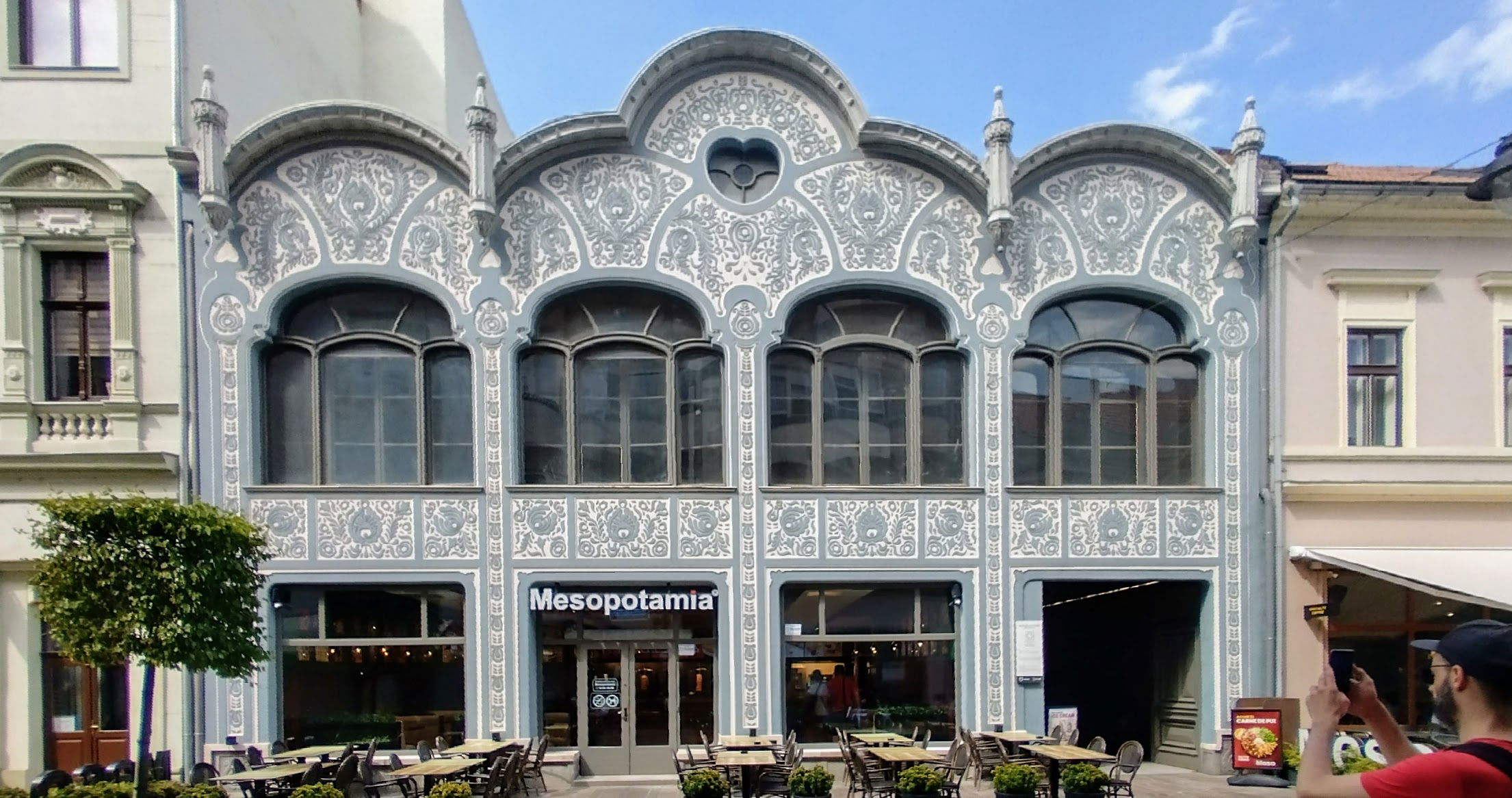
Magazinul de sticlărie Deutsch K.I. // The Deutsch K.I. glassware
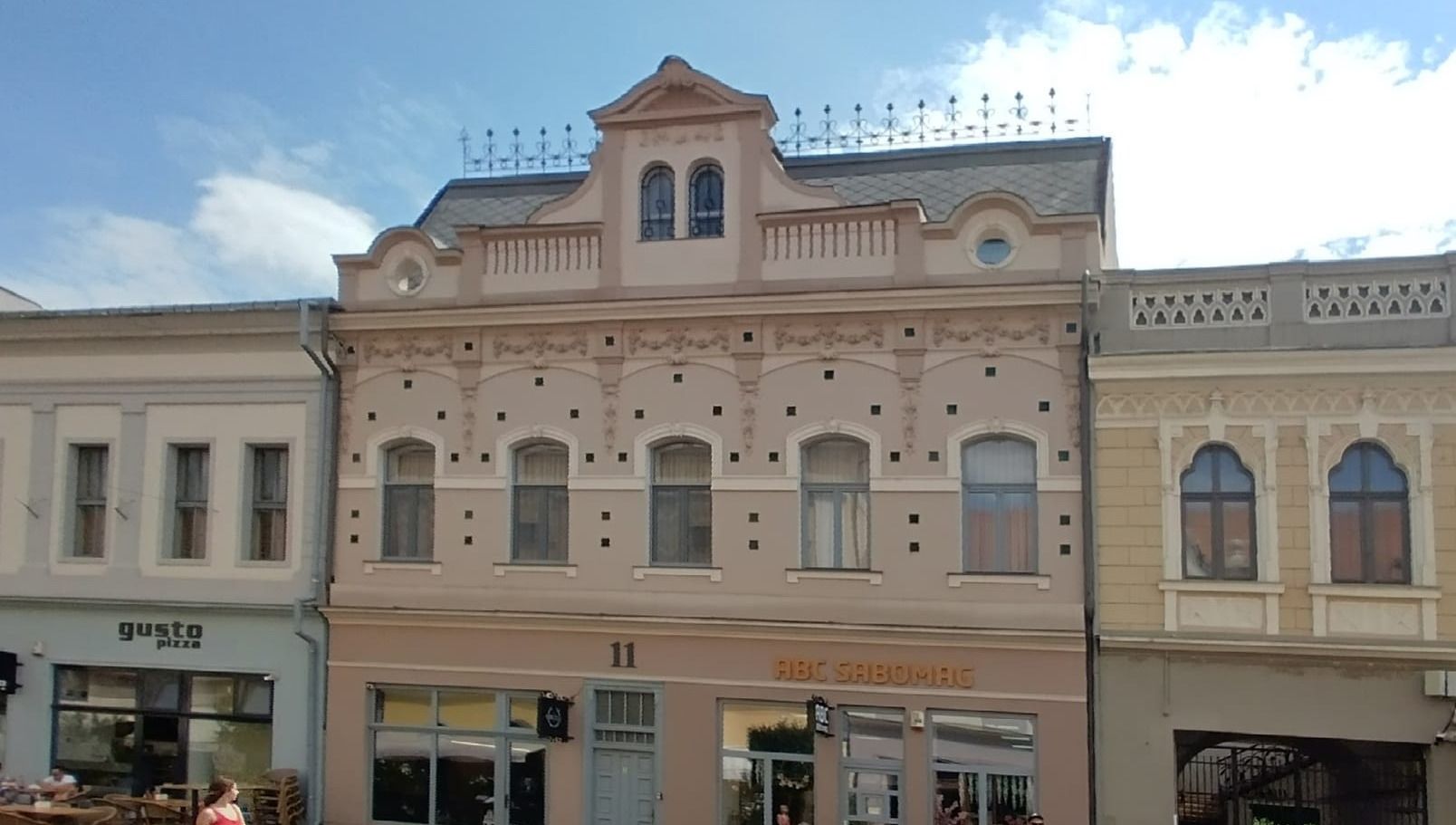
Strada Vasile Alecsandri // Vasile Alecsandri Street
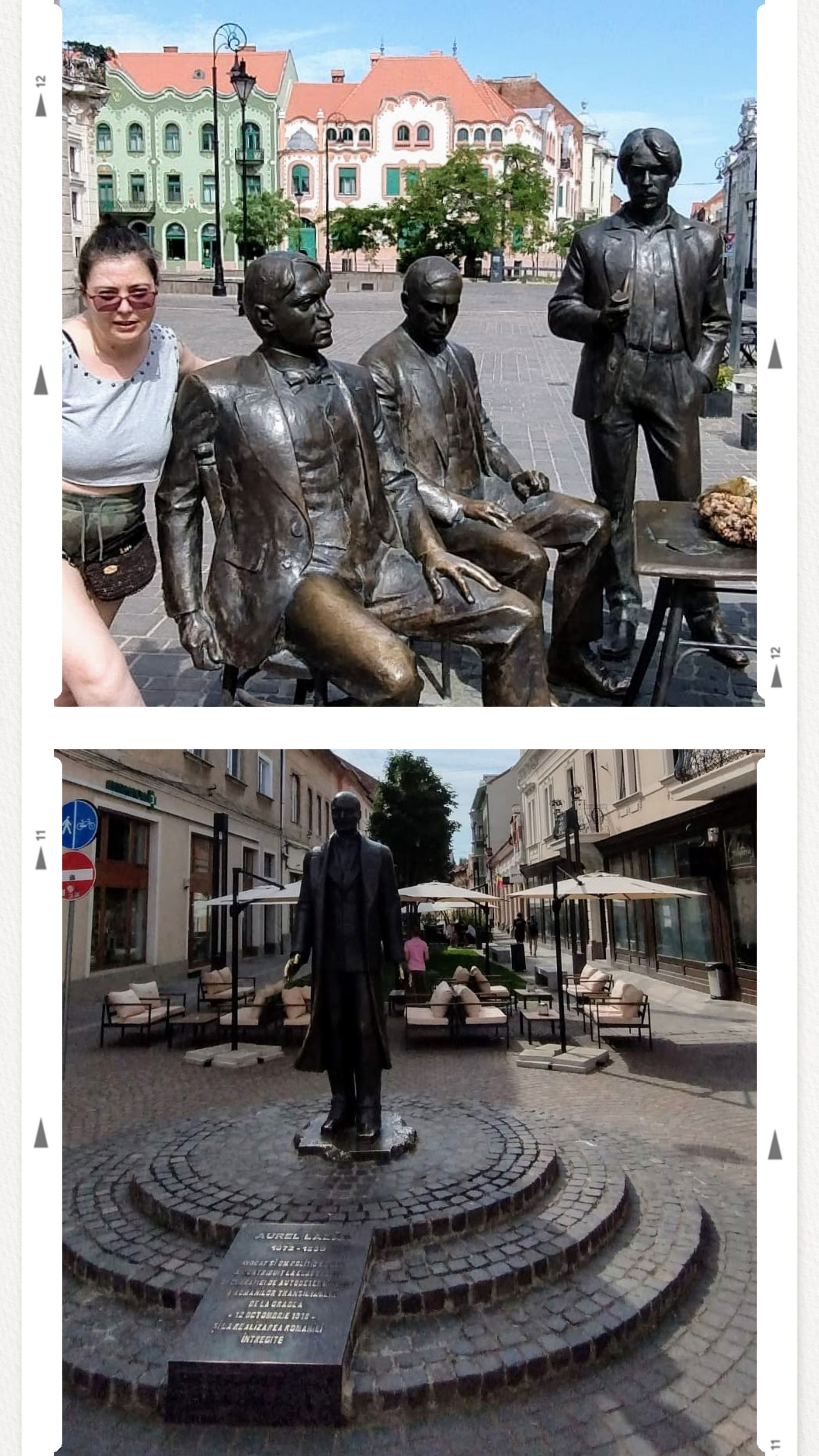
Cu băieții; Aurel Lazăr, atât de prezent în Oradea // With the guys; Aurel Lazăr, so present in Oradea
Ajunși apoi la hotel cu febră musculară și oleacă de insolație, am luptat cu noi să ieșim și seara. Am zis să mai bem o bere în curtea interioară a cetății, și bine am făcut.
Arriving back at the hotel with muscle soreness and a bit of heatstroke, we fought ourselves to go out again in the evening. We decided to have another beer in the fortress's inner courtyard, and it was a good decision.
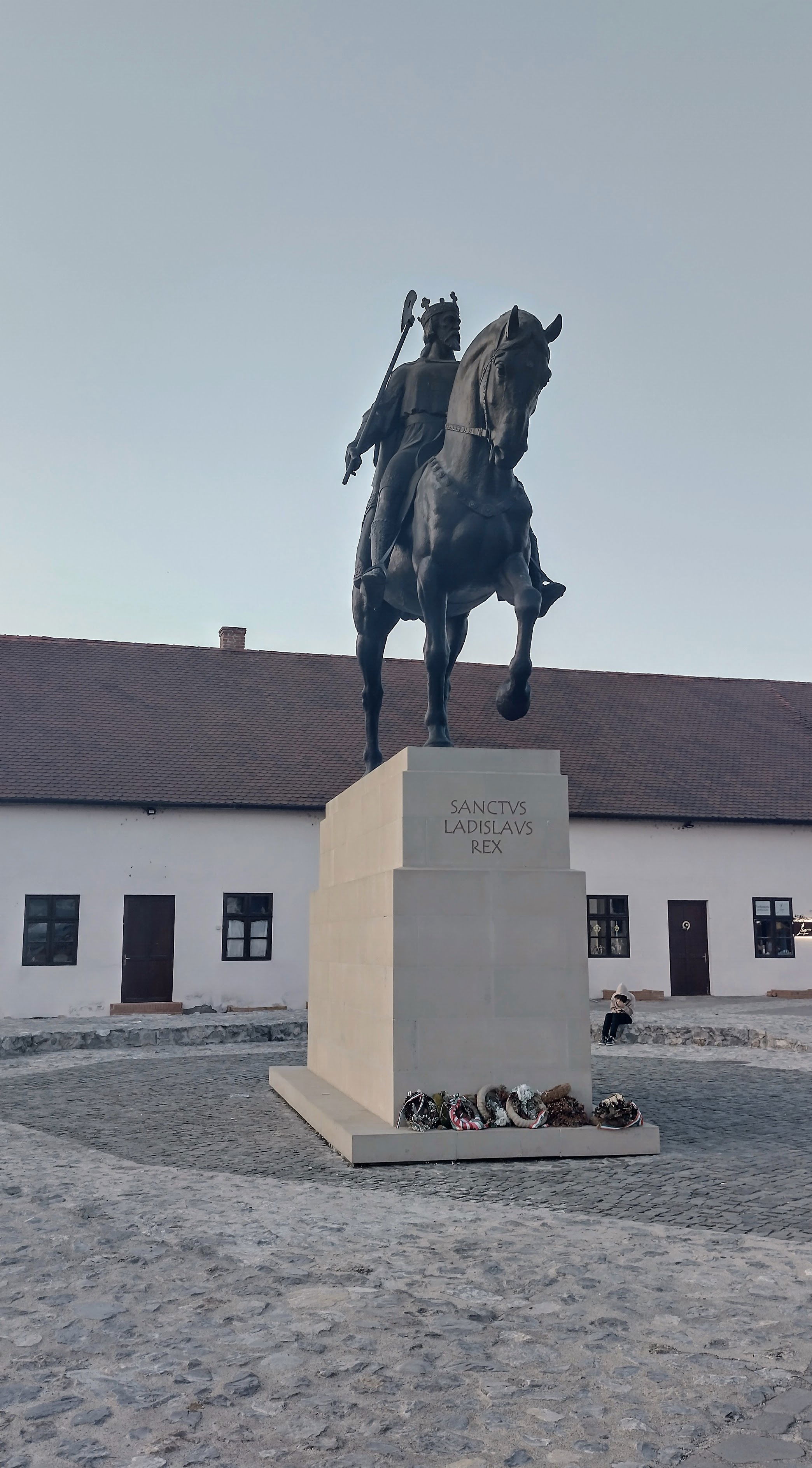
Sanctus Ladislaus Rex
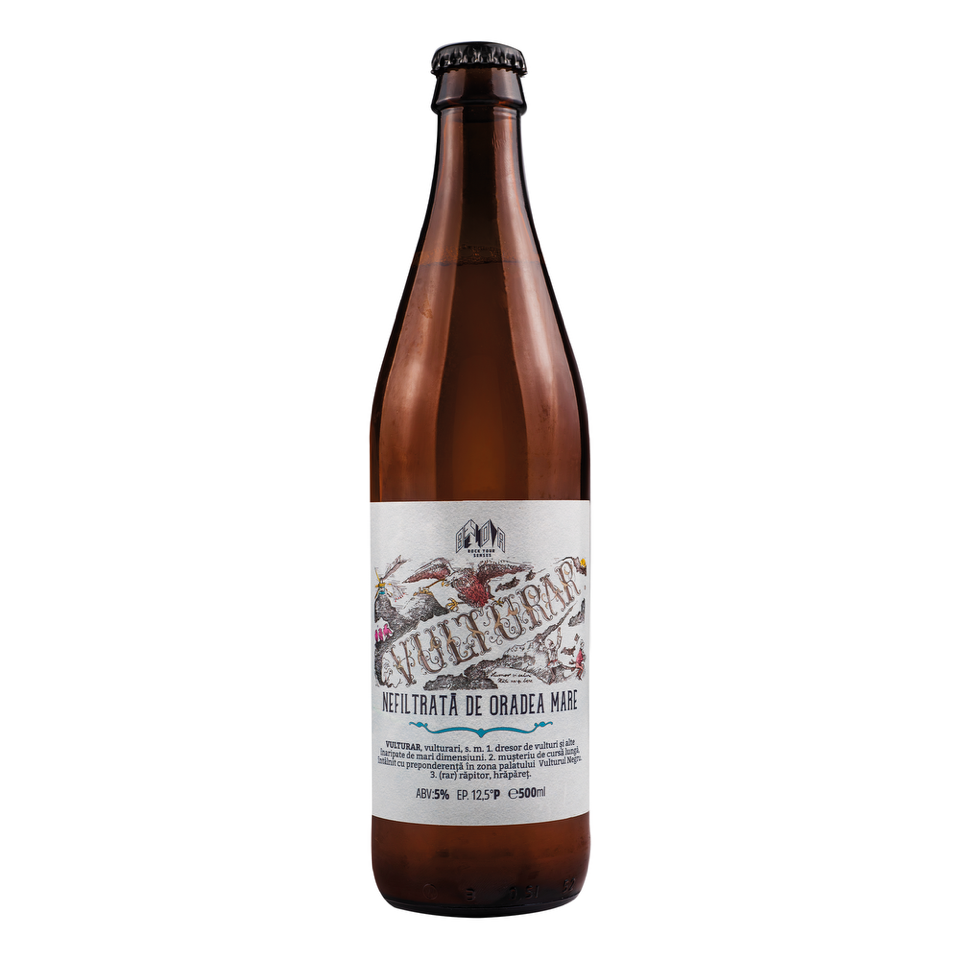
Berea locală Vulturar, în ambalaj de sărbătoare medievală (noi însă am luat la draft), nu e nimic altceva decât berea cea mai populară a fabricii cu același nume din „Oradea Mare”.
The local beer Vulturar, in medieval-festive packaging (we, however, had it on draft), is nothing other than the most popular beer of the brewery of the same name from "Greater Oradea."
După ce am băut-o, ușor energizați și mai veseli ca de obicei :) am pornit întâi spre magazin, apoi spre hotel pentru siesta de seară.
After drinking it, slightly energized and merrier than usual :) we headed first to the store, then to the hotel for an evening siesta.
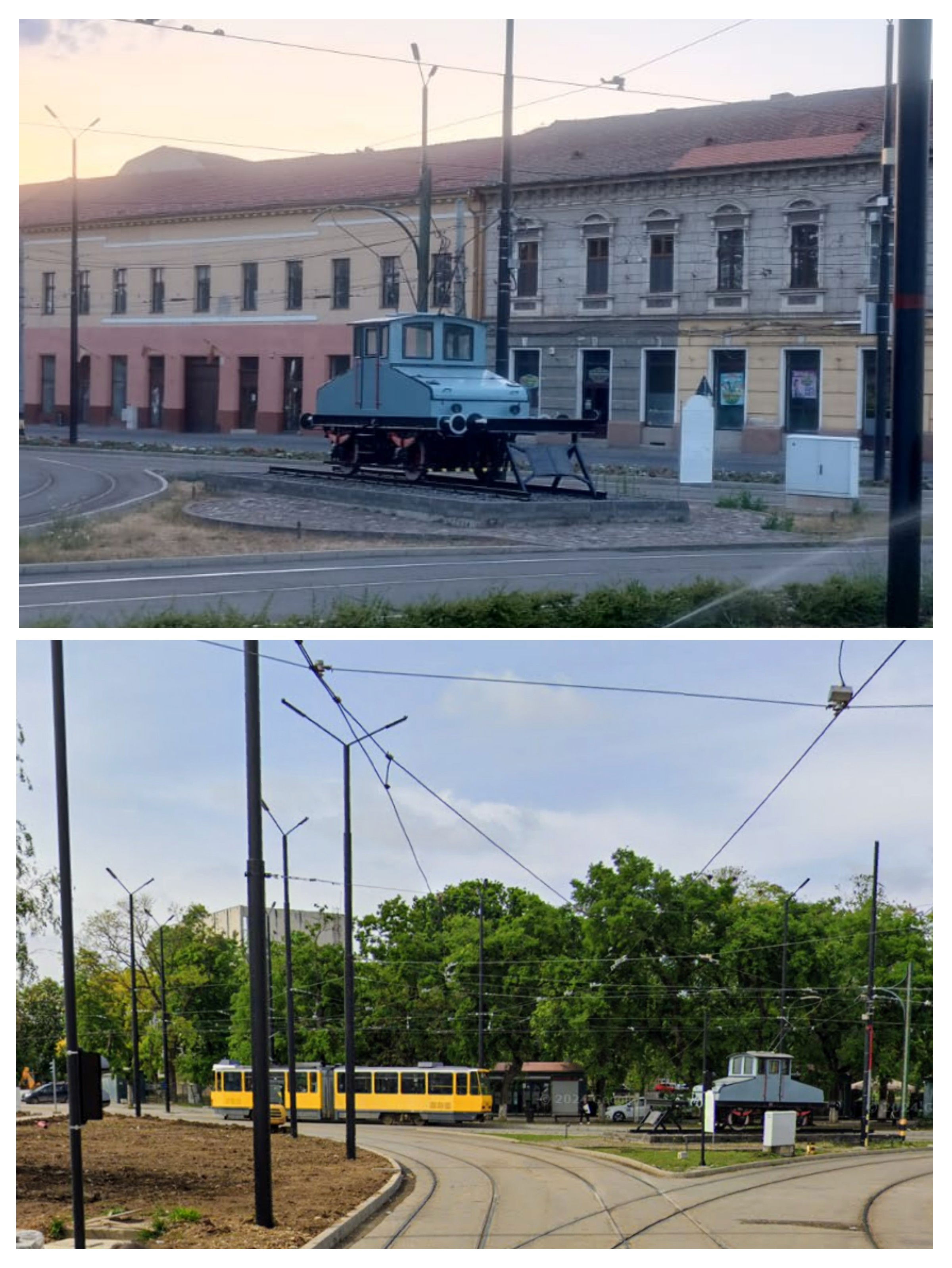
În drum spre magazin: Prima locomotivă care a circulat în orașul Oradea // On the way to the store: The first locomotive in Oradea
Ziua 4 - Astăzi planificasem o vizită la Băile Felix, dar având în vedere oboseala acumulată de ieri și prețurile mari la day-spa, am hotărât să anulăm și să ne scăldăm în schimb în piscina cu apă termală de la hotel.
Pârâul Peța (sau Pețea), afluent al Crișului Repede, joacă un rol esențial în formarea și alimentarea apelor termale din Oradea și Băile Felix. Izvorăște în apropierea Băilor 1 Mai și traversează o zonă cu izvoare geotermale unice: apa are, în mod natural, 36–38 °C și o compoziție oligominerală bogată în bicarbonat, sulfat, sodiu, calciu și magneziu. Aceste caracteristici o fac valoroasă atât pentru cure externe (afecțiuni reumatismale și neurologice), cât și pentru cure interne (probleme digestive și metabolice). Mai puțin cunoscut este faptul că această apă termală este chiar recomandată zilnic — unică în Europa prin echilibrul dintre compoziția chimică și termalitate.
Day 4 - Today we had planned a visit to Băile Felix, but given the tiredness from yesterday and the high prices at day-spas, we decided to cancel and instead take a dip in the hotel's thermal pool.
The Peța (or Pețea) stream, a tributary of the Crișul Repede, plays an essential role in forming and supplying the thermal waters of Oradea and Băile Felix. It springs near Băile 1 Mai and crosses an area of unique geothermal springs: the water naturally measures 36–38 °C and has an oligomineral composition rich in bicarbonate, sulfate, sodium, calcium and magnesium. These characteristics make it valuable both for external treatments (rheumatic and neurological conditions) and for internal cures (digestive and metabolic problems). Less well known is that this thermal water is even recommended for daily use — unique in Europe for the balance between its chemical composition and its temperature.
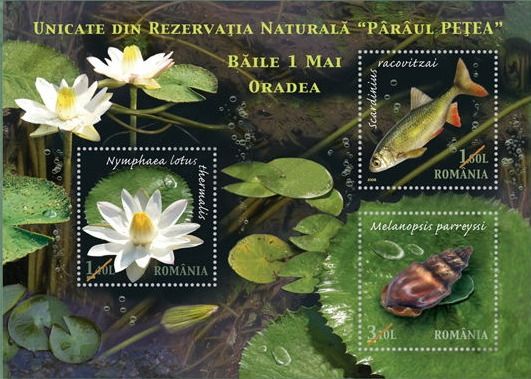
via romfilatelia.ro
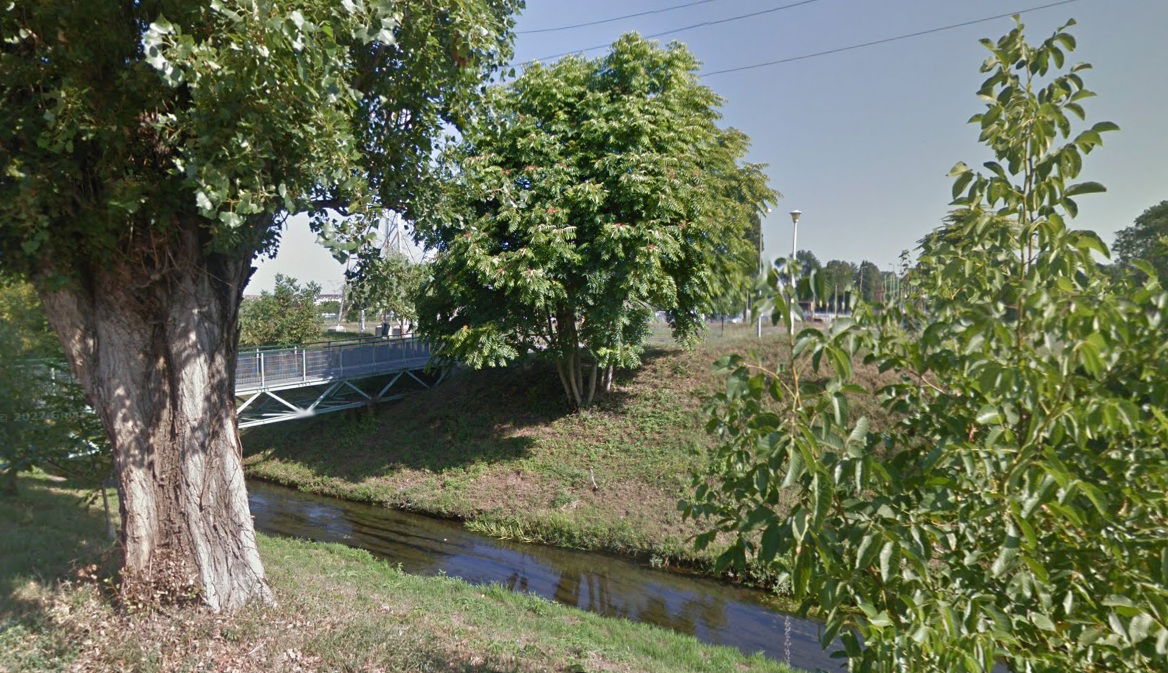
Pârâul Peța, dinspre aeroport // The Peța stream, on the way from the airport
Istoria izvoarelor e disputată: unele surse plasează descoperirea în jurul anului 1000, altele în secolul al XIII-lea sau tocmai în 1700. Cert este că primele analize ale proprietăților curative datează din 1731, iar din secolul al XVIII-lea au apărut primele așezăminte balneare. Dezvoltarea stațiunii s-a accelerat în secolul al XIX-lea, iar în 1896 apele de la Felix au primit Medalia de Aur la Expoziția Mondială.
Astăzi atrag turiști internaționali și fac parte dintr-un traseu balneoclimateric european bine dezvoltat. Noi ne-am îmbăiat alături de un grup de români emigrați în Germania de generații, care și-au exersat româna la fel cum eu îmi exersez germana cu orice nativ dispus. :)
The history of the springs is disputed: some sources place their discovery around the year 1000, others in the 13th century or only in 1700. What is certain is that the first analyses of their curative properties date from 1731, and from the 18th century the first bathing establishments appeared. The resort’s development accelerated in the 19th century, and in 1896 Felix’s waters were awarded the Gold Medal at the World Exhibition.
Today they attract international tourists and are part of a well-developed European balneoclimatic route. We bathed alongside a group of Romanians who emigrated to Germany generations ago, who practiced their Romanian with us just as I practice my German with any willing native. :)
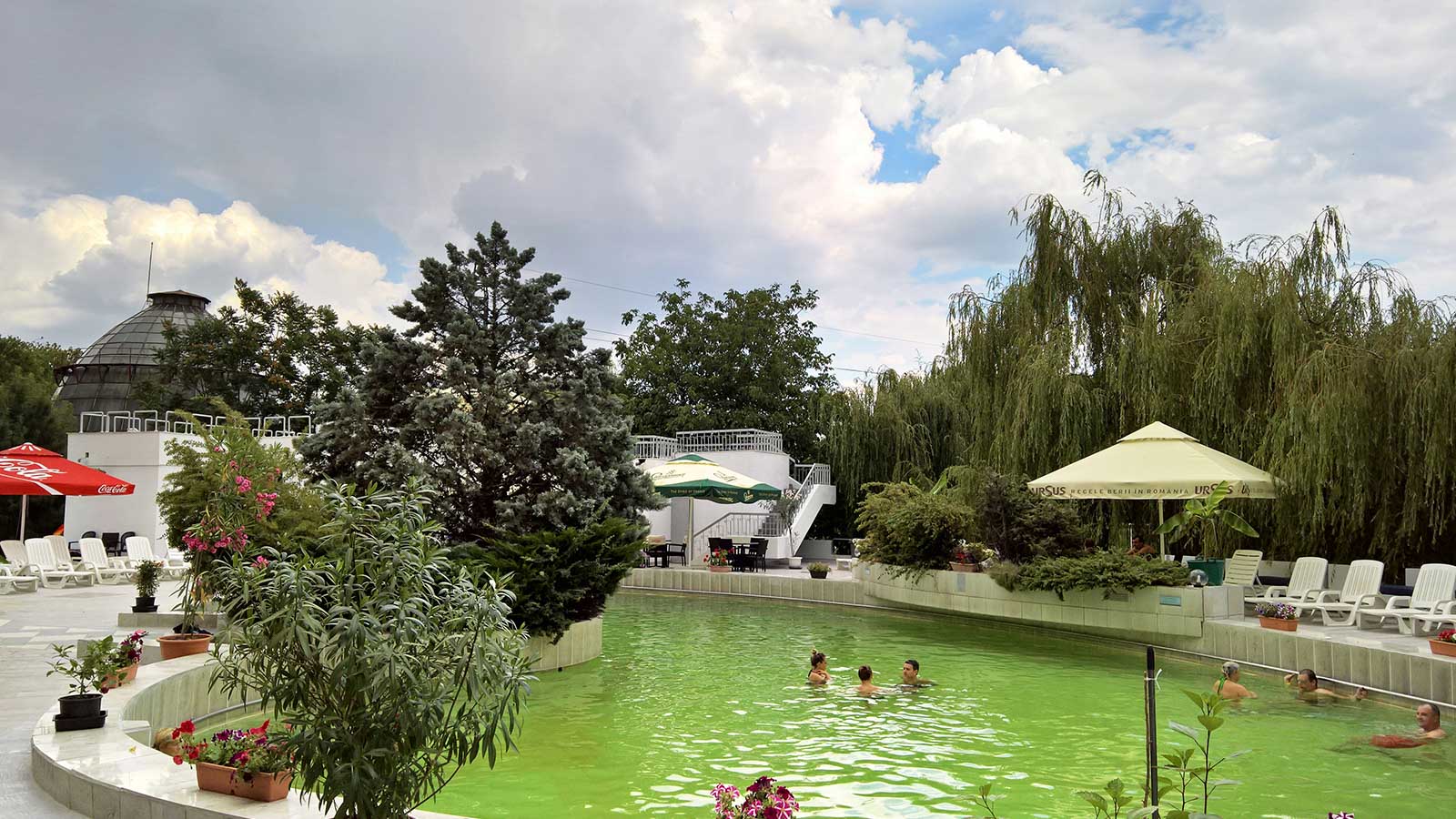
Pe după-amiaza am decis să explorăm în direcția opusă celei de ieri, spre Nymphaea și Mănăstirea Sfânta Cruce — la care, din păcate, nu am mai ajuns.
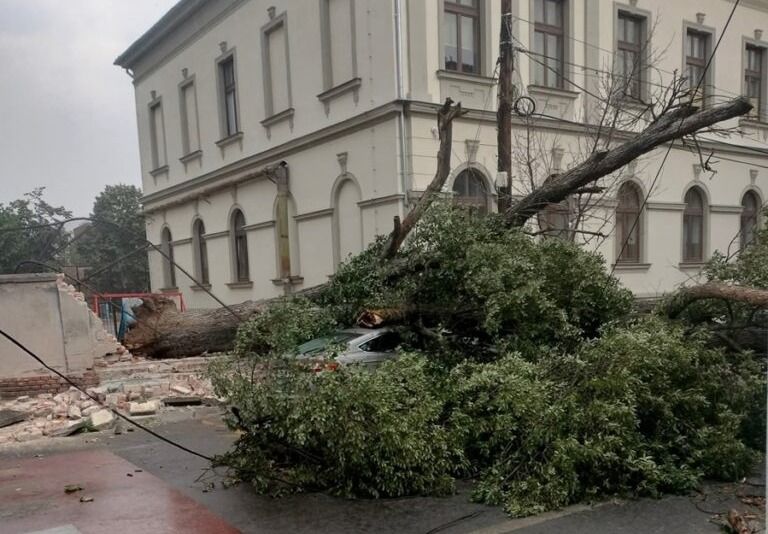
Fix când am ajuns în dreptul aqua-park-ului a izbucnit o furtună cum rar am văzut: a dezrădăcinat și a rupt copaci, aruncându-i peste mașini (din fericire, fără victime) în doar câteva minute. Ne-am adăpostit cum am putut; când s-a potolit, strada părea de-a dreptul dezolantă.
Îngroziți, ne-am întors la hotel, iar seara am dat o fugă până la McDonald’s pentru un cartof.
Atât spre bine, cât și spre rău — să nu nesocotim puterea naturii!
In the afternoon we decided to explore in the opposite direction from yesterday, toward Nymphaea and the Holy Cross Monastery — which, unfortunately, we did not reach.
Just as we arrived opposite the water park, a storm broke out like I had rarely seen: it uprooted and snapped trees, throwing them onto cars (fortunately without casualties) in just a few minutes. We sheltered as best we could; when it subsided the street looked utterly desolate.
Terrified, we returned to the hotel, and in the evening we dashed to McDonald’s for some fries.
For better and for worse — never underestimate the power of nature!
via radiocluj.ro
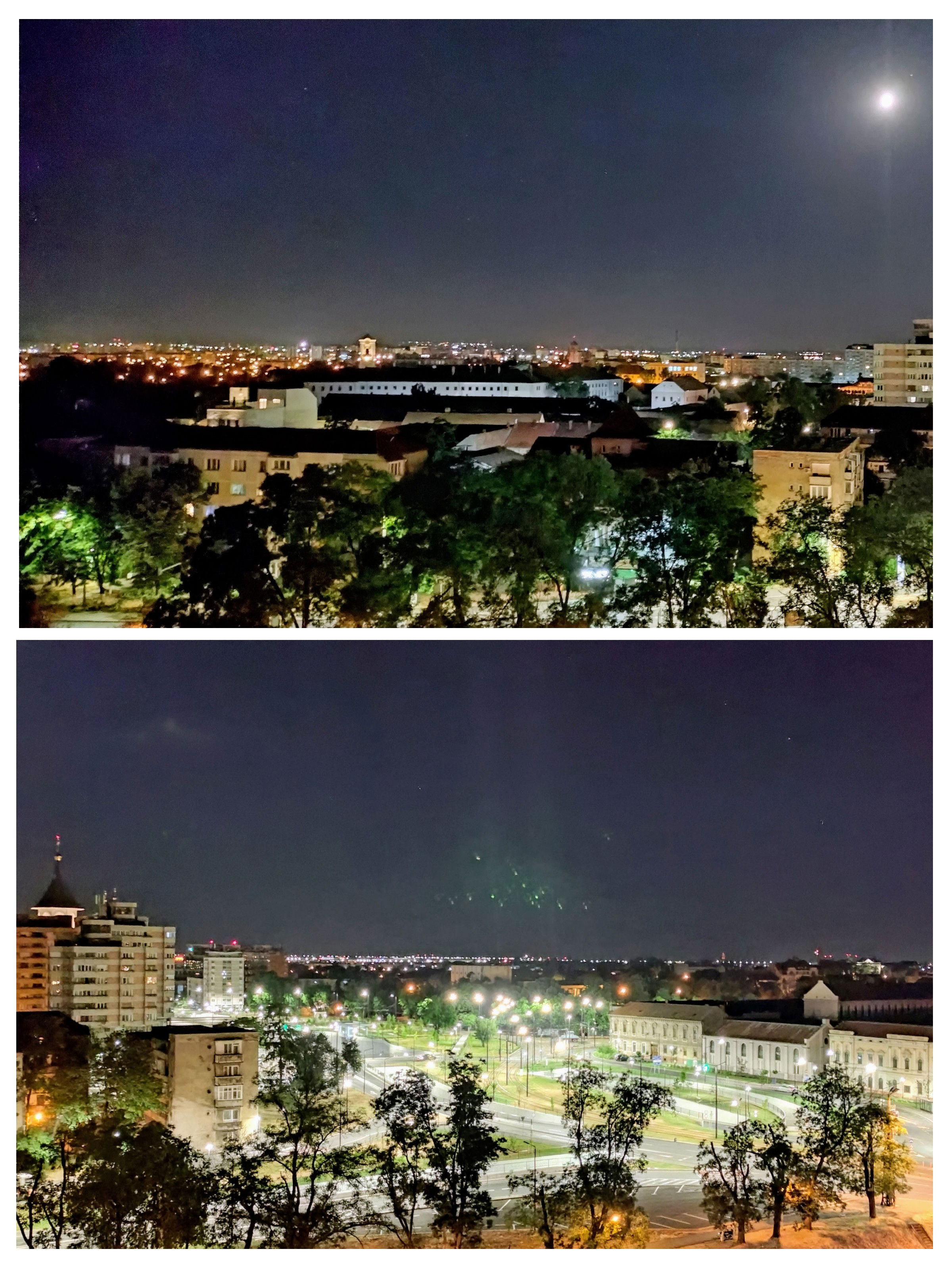
Noroc că seara a fost frumoasă, ba chiar s-a înseninat, astfel că, pe lângă artificii, am mai văzut cu ochiul liber și câte o stea (ce rar lucru pentru noi, bucureștenii...). Cu gândul că mâine plecăm, ne-am retras la odihna binemeritată.
Luckily the evening was beautiful — it even cleared up, so, besides fireworks, we could also see the occasional star with the naked eye (how rare for us Bucharest residents...). With the thought that we were leaving tomorrow, we withdrew to a well-deserved rest.
Ziua 5 - gata concediul... sau nu? Plecarea era programată seara, așa că aveam destul de multe ore de pierdut; deși era foarte cald și purtam ghiozdanele în spate, ne-am adunat curajul să continuăm pe traseul abandonat ieri.
Day 5 - holiday over... or not? Our departure was scheduled for the evening, so we had quite a few hours to spare; although it was very hot and we carried our backpacks, we mustered the courage to resume the route we’d abandoned yesterday.
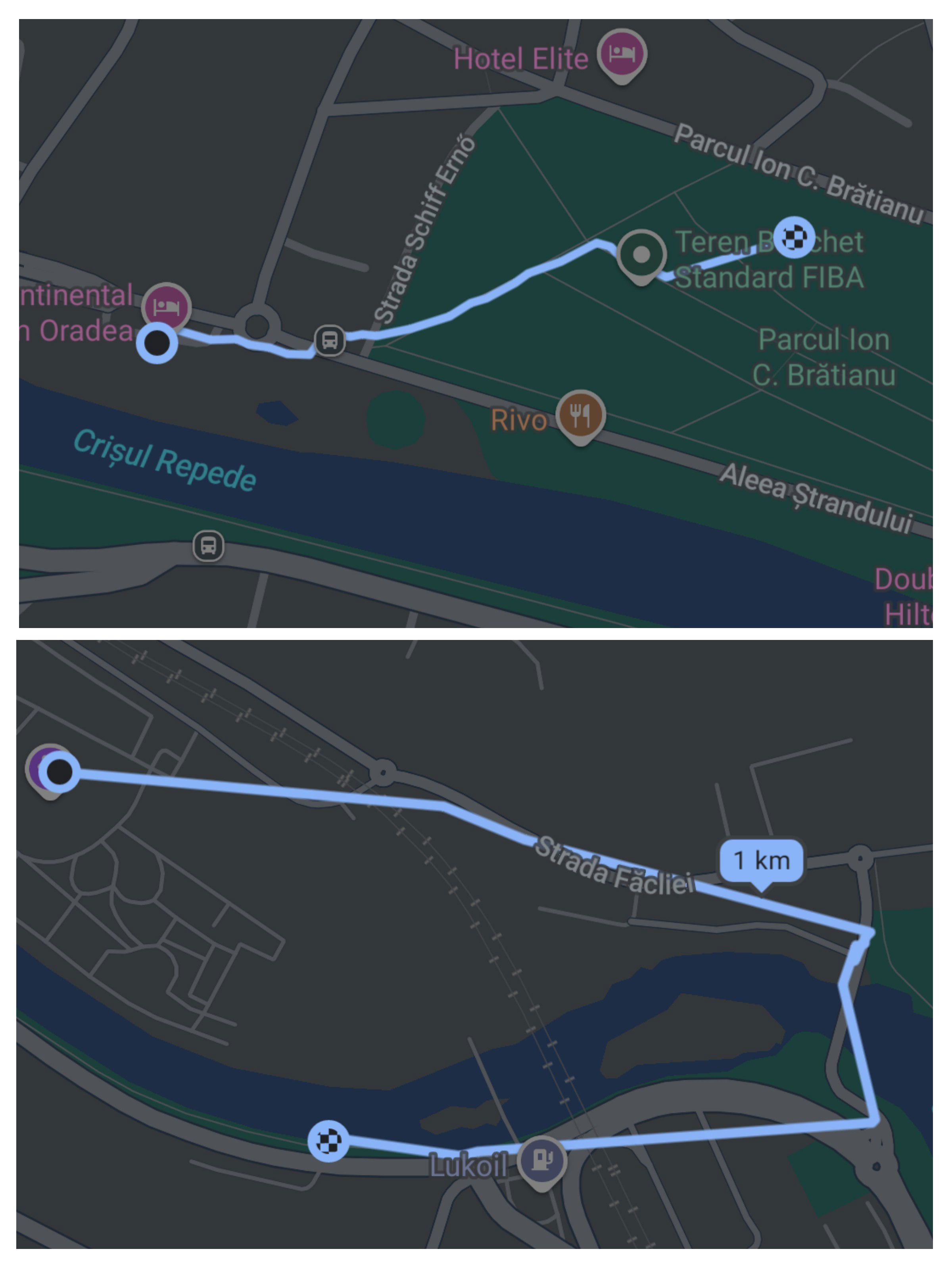
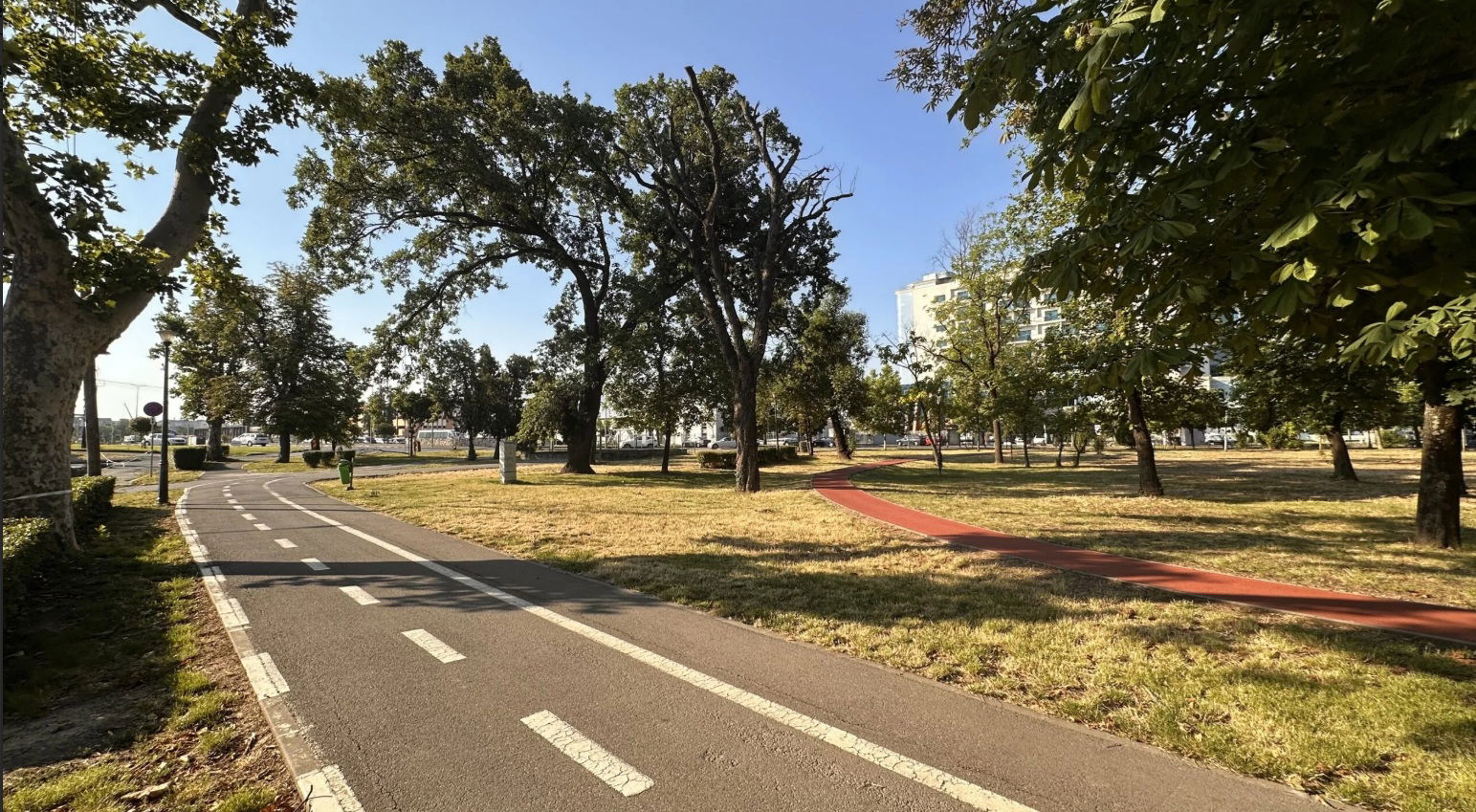
Am început ziua cu o plimbare în Parcul Ion C. Brătianu, chiar în fața hotelului nostru.
We started the day with a walk in Ion C. Brătianu Park, right in front of our hotel.
Am mers apoi până la Podul Mareșal Constantin Prezan și am coborât exact la celălalt capăt al promenadei.
We then walked to the Mareșal Constantin Prezan Bridge and descended at the opposite end of the promenade.
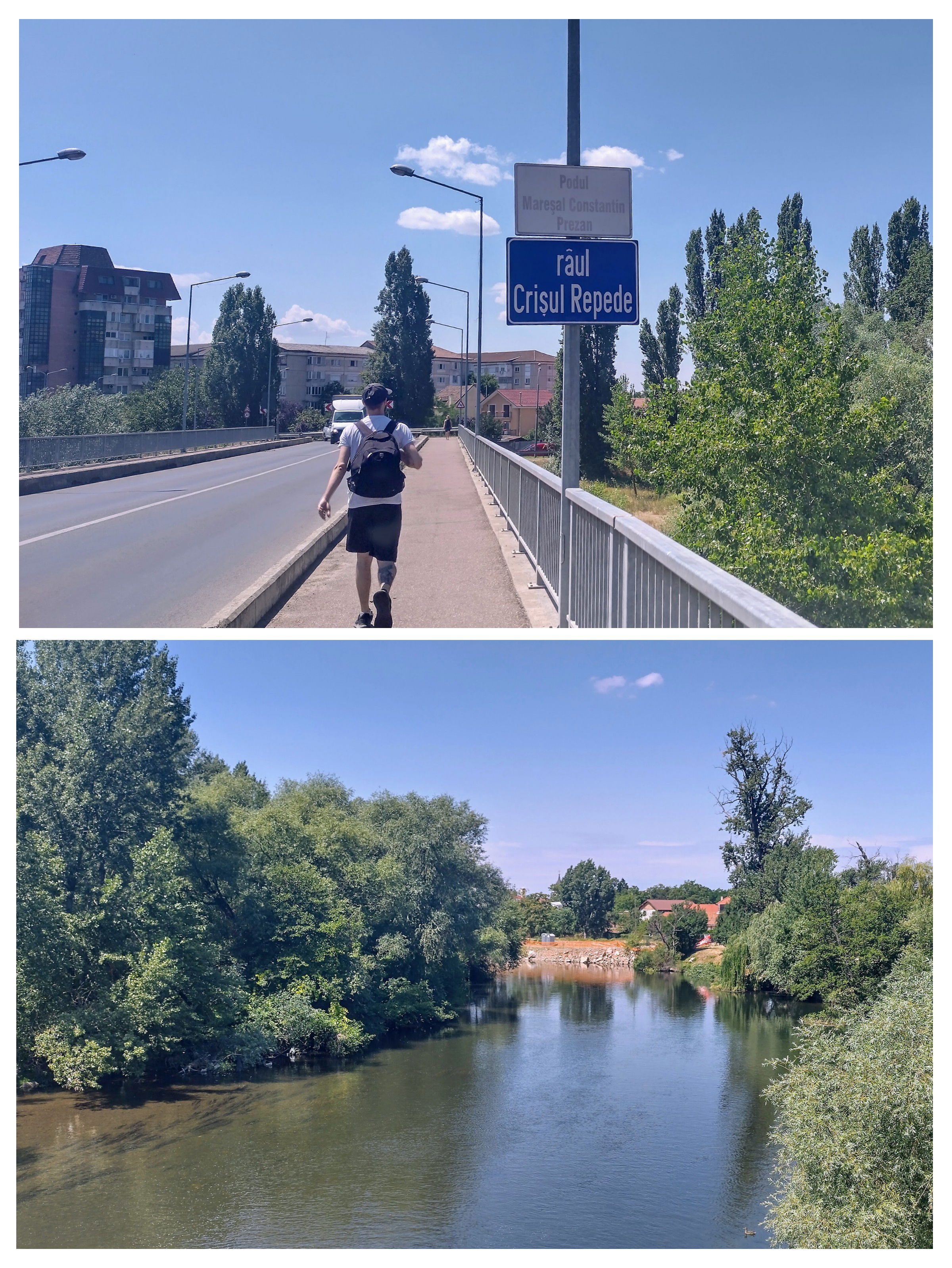
Crișul Repede
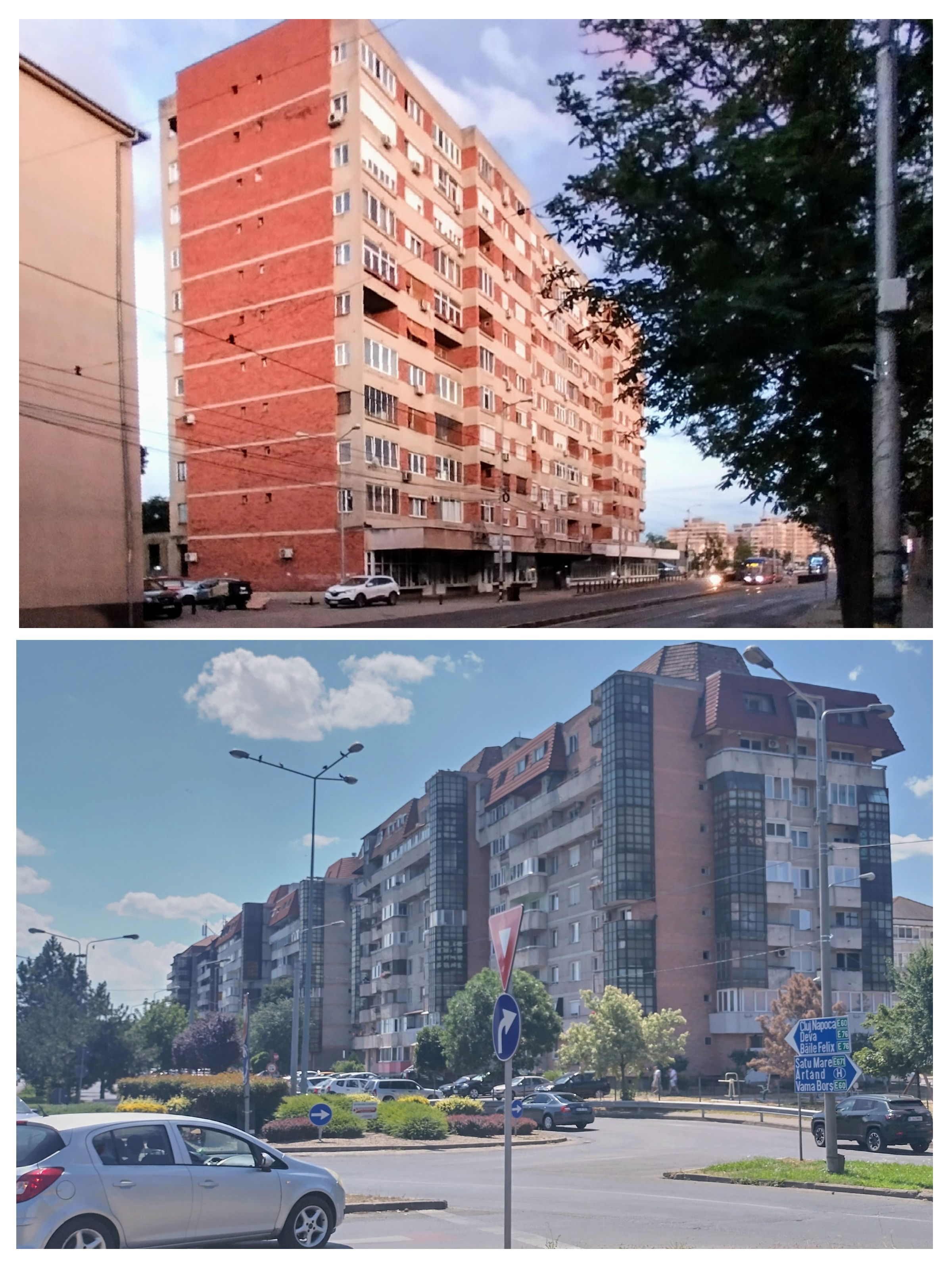
Blocuri vechi și noi // Old and new blocks of flats
Cu soarele din ce în ce mai arzător, fără niciun petic de umbră și cu ghiozdanele lipite de spate, am renunțat la promenadă după primii pași pe ea - oricum îi văzusem capetele. Am urcat înapoi și am luat un ride-share până la cel mai apropiat mall (Lotus Center), unde am mâncat fast-food și am petrecut vreo două ore la film, la Jurassic World: Rebirth.
With the sun growing increasingly fierce, without a scrap of shade and our backpacks sticking to our backs, we gave up on the promenade after only a few steps — we’d seen its ends anyway. We went back up and took a rideshare to the nearest mall (Lotus Center), where we ate fast food and spent about two hours at the movie Jurassic World: Rebirth.

La ieșire, am trăit un déjà-vu al furtunii de ieri și ne-am întrebat dacă vom putea zbura. Când am ajuns la aeroport, în Oradea se luminase și speranța mai crescuse.
În schimb, în țară furtunile au fost devastatoare: au provocat decese și pagube nu doar materiale, ci și morale, distrugând monumente (precum gara din Sinaia) dar și locuințele oamenilor.
Firește, zborul nostru a fost anulat; deși am înțeles de ce, ne-a frustrat, inevitabil. Am câștigat o zi de concediu (forțat), am pierdut ziua de azi pe la mall și în aeroport, și am ajuns cazați de TAROM la Hotel Impero, care, cum avea să se vadă a doua zi, nu era totuși chiar în mijlocul nicăieriului, așa cum părea... Am mâncat repede la restaurantul hotelului și, morți de oboseală, ne-am culcat.
On leaving, we experienced a déjà-vu of yesterday’s storm and wondered whether we would be able to fly. By the time we reached the airport, it had cleared up in Oradea and our hopes had risen.
Elsewhere in the country though, the storms were devastating: they caused fatalities and damage not only material but also moral, destroying monuments (such as the Sinaia train station) and people’s homes.
Of course, our flight was cancelled; although we understood why, it inevitably frustrated us. We gained an extra day of (forced) leave, we lost today to the mall and the airport, and TAROM put us up at Hotel Impero, which, as would become apparent the next day, wasn’t exactly in the middle of nowhere after all, as it had seemed... We ate quickly in the hotel restaurant and, exhausted, went to bed.
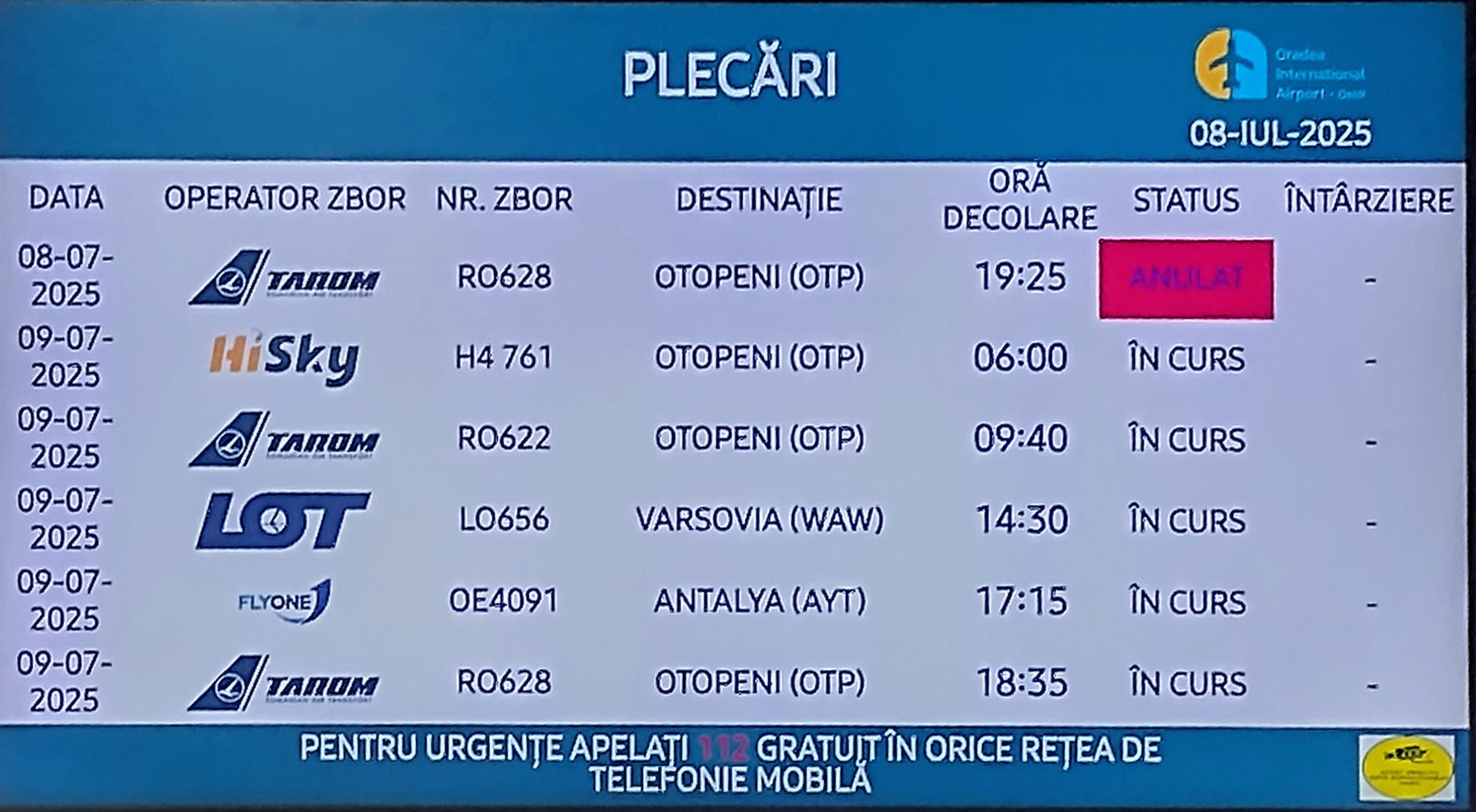
Ziua 6 — Reprogramați la zborul de cu seară, aveam încă o zi de pierdut, iar de data asta am preferat să cheltuim în plus pe confort și să facem un late check-out, eu alegând însă să nu rămân la hotel să mă odihnesc, ci să folosesc acest timp doar pentru a-mi parca bagajele acolo. Pe dragul meu partener l-am lăsat să se odihnească, iar eu, pe o ploicică mocănească, am fugit la plimbare și am mai văzut două dintre obiectivele de pe lista mea, pe care îmi părea rău că nu ajunsesem să le văd și care, la o căutare rapidă, s-au dovedit a fi la mai puțin de 10 minute de mers pe jos - este vorba despre Templul Francmasoneriei și Muzeul Țării Crișurilor.
Day 6 — Rescheduled for the evening flight, we still had a full day to spend, and this time we chose to pay extra for comfort and do a late check-out. However, I decided not to stay at the hotel to rest but to use that time only to leave my luggage there. I let my dear partner rest, and under a light, misty rain, I ran out for a walk and managed to see two more of the sights on my list — ones I had regretted missing and which, after a quick search, turned out to be less than a 10-minute walk away: the Masonic Temple and the Museum of the Criș Land.
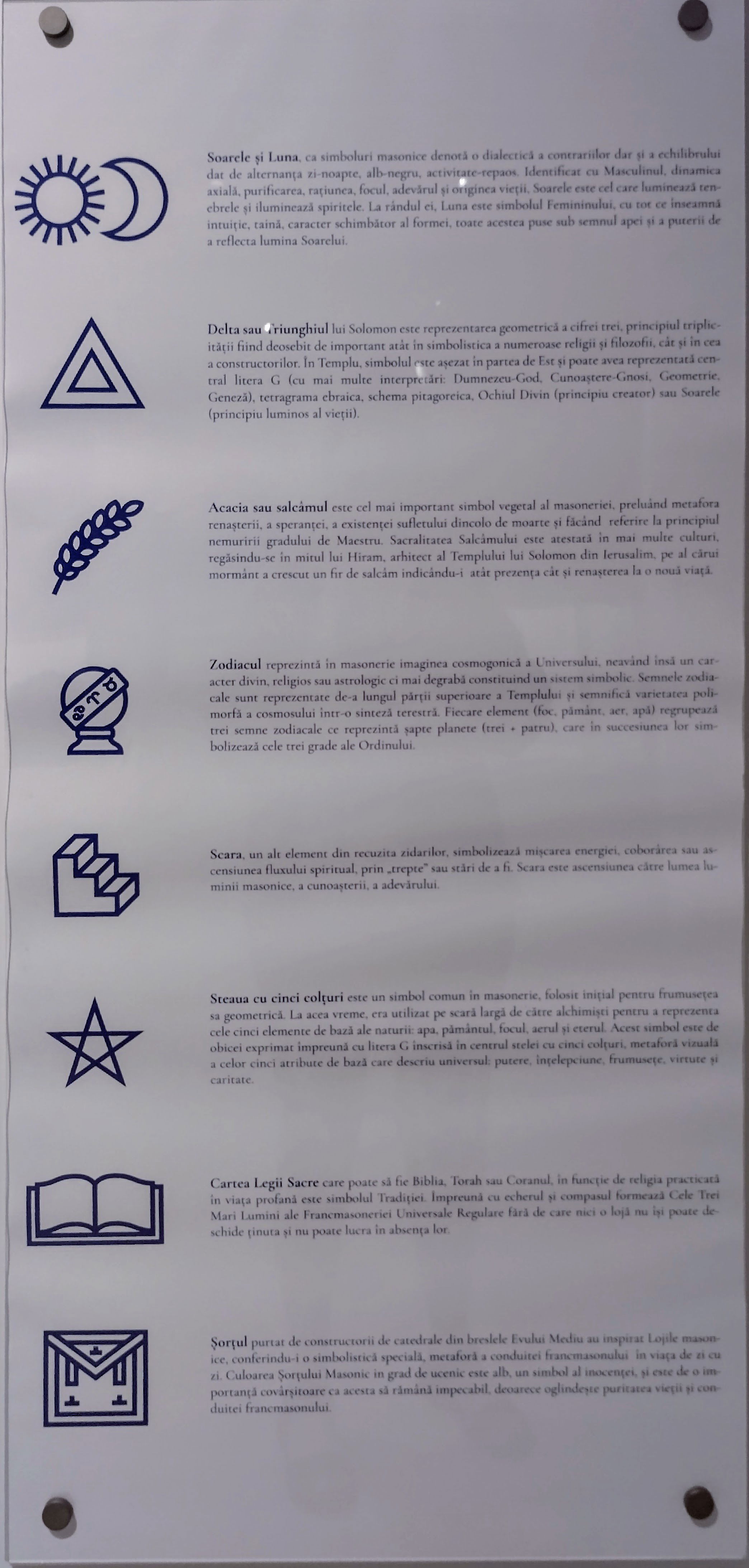
Templul Francmasoneriei din Oradea este un spațiu muzeal unic în România, care redă istoria și simbolismul uneia dintre cele mai influente fraternități ale epocii moderne.
Construit între 1901–1902 de arhitecții Bálint Zoltán și Jámbor Lajos, membri ai Lojei Masonice din Budapesta, templul impresionează prin stilul Art Nouveau cu influențe neoclasice și orientale. Fațada fără ferestre, porticul susținut de coloane dorice și sfincșii care veghează acoperișul reflectă simbolismul masoneriei — cunoașterea ascunsă, protecția și inițierea spirituală.
Clădirea, care a găzduit inițial Loja „Sfântul Ladislau”, a fost restaurată integral între 2018–2021 prin fonduri europene, devenind Muzeul Francmasoneriei din Oradea.
The Masonic Temple in Oradea is a unique museum space in Romania, showcasing the history and symbolism of one of the most influential fraternities of the modern era.
Built between 1901–1902 by architects Bálint Zoltán and Jámbor Lajos, members of the Masonic Lodge of Budapest, the temple impresses with its Art Nouveau style infused with neoclassical and oriental influences. The windowless façade, the portico supported by Doric columns, and the sphinxes guarding the roof all reflect the symbolism of Freemasonry — hidden knowledge, protection, and spiritual initiation.
The building, which initially hosted the “Saint Ladislaus” Lodge, was fully restored between 2018–2021 through European funds, becoming the Museum of Freemasonry in Oradea.
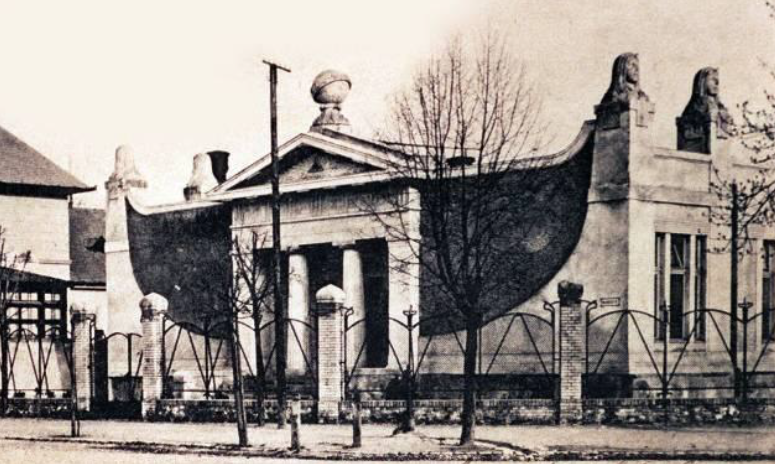
Templul, vedere de epocă, cca 1902-1903 (via oradeaheritage.ro) // The temple, vintage postcard, cca 1902-1903 (via oradeaheritage.ro)
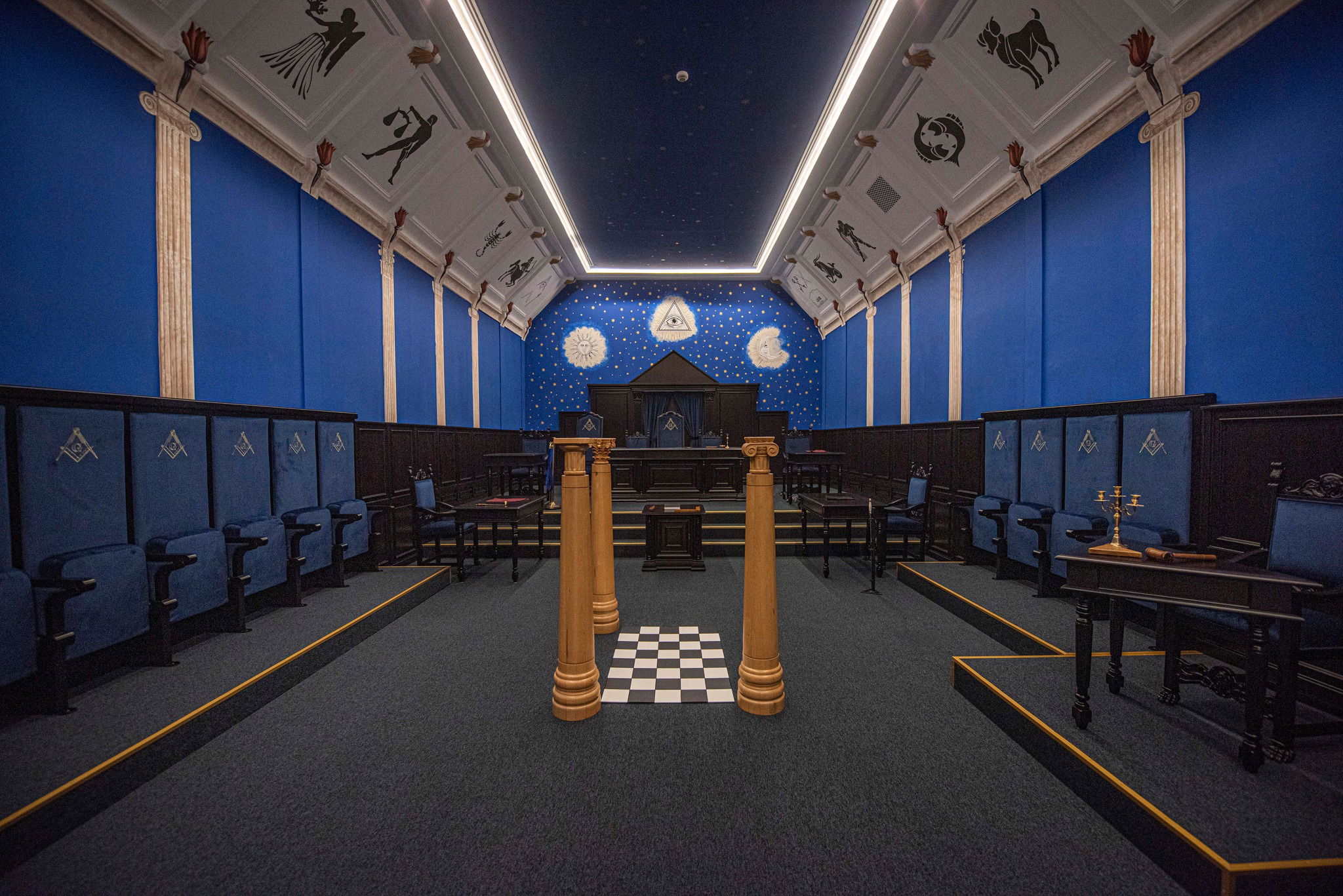
Expoziția permanentă reconstituie structura unei loji autentice, incluzând Sala pașilor pierduți, Sala de reflecție și Biroul Maestrului Lojii, iar scenografia interioară a fost realizată cu sprijinul Marii Loji Naționale a României.
The permanent exhibition reconstructs the structure of an authentic lodge, including the Hall of Lost Steps, the Reflection Room, and the Master’s Office. The interior design was created with the support of the Grand National Lodge of Romania.
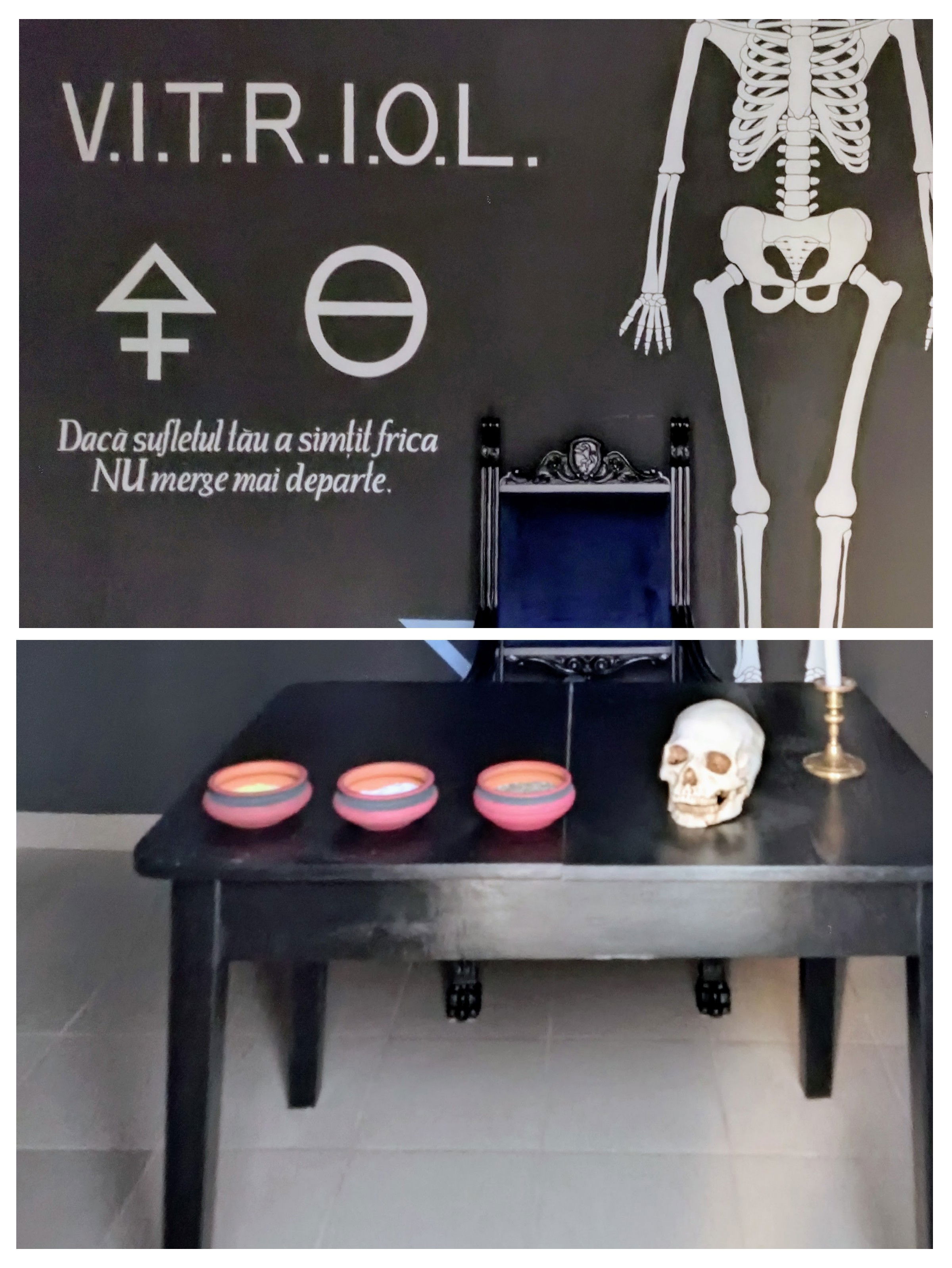
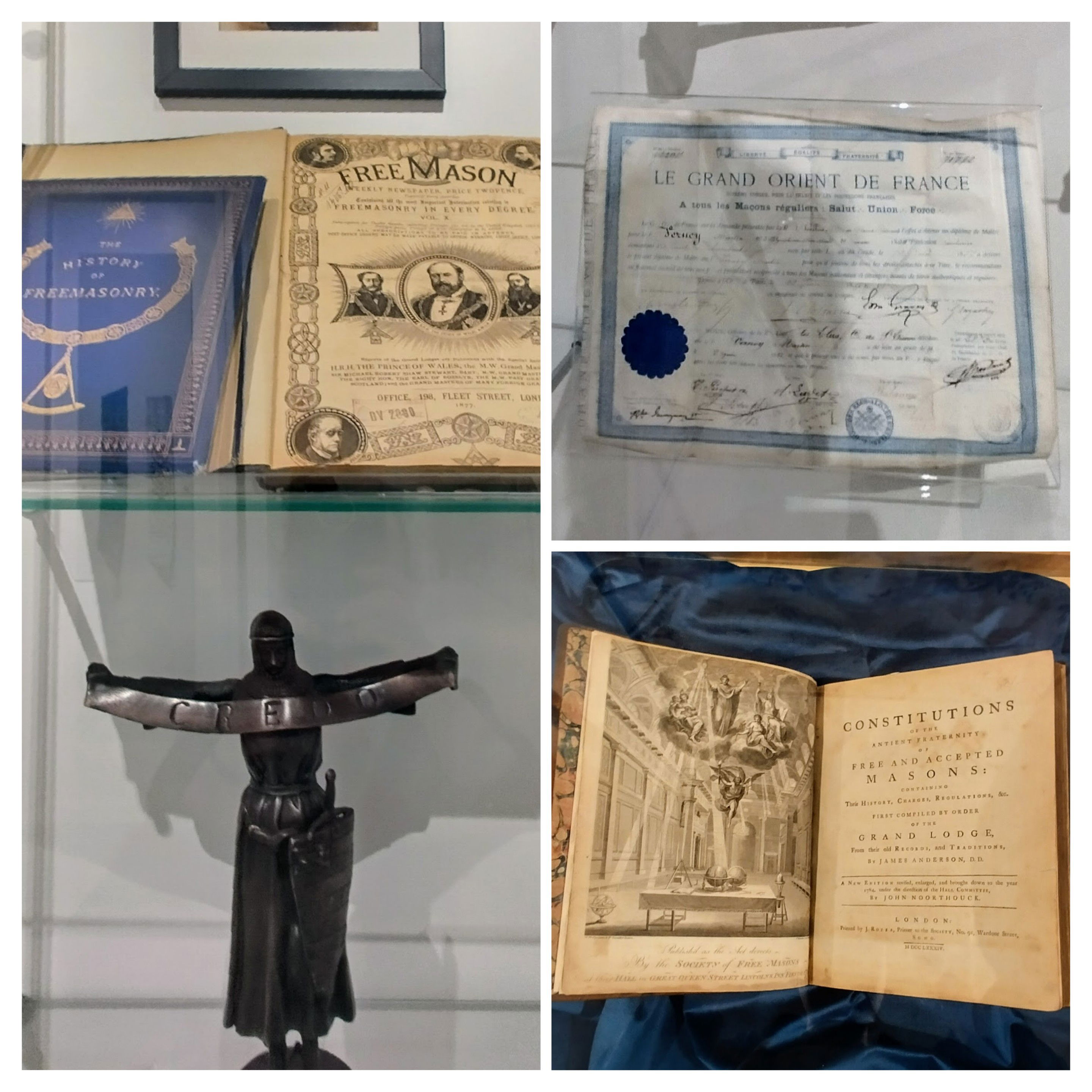
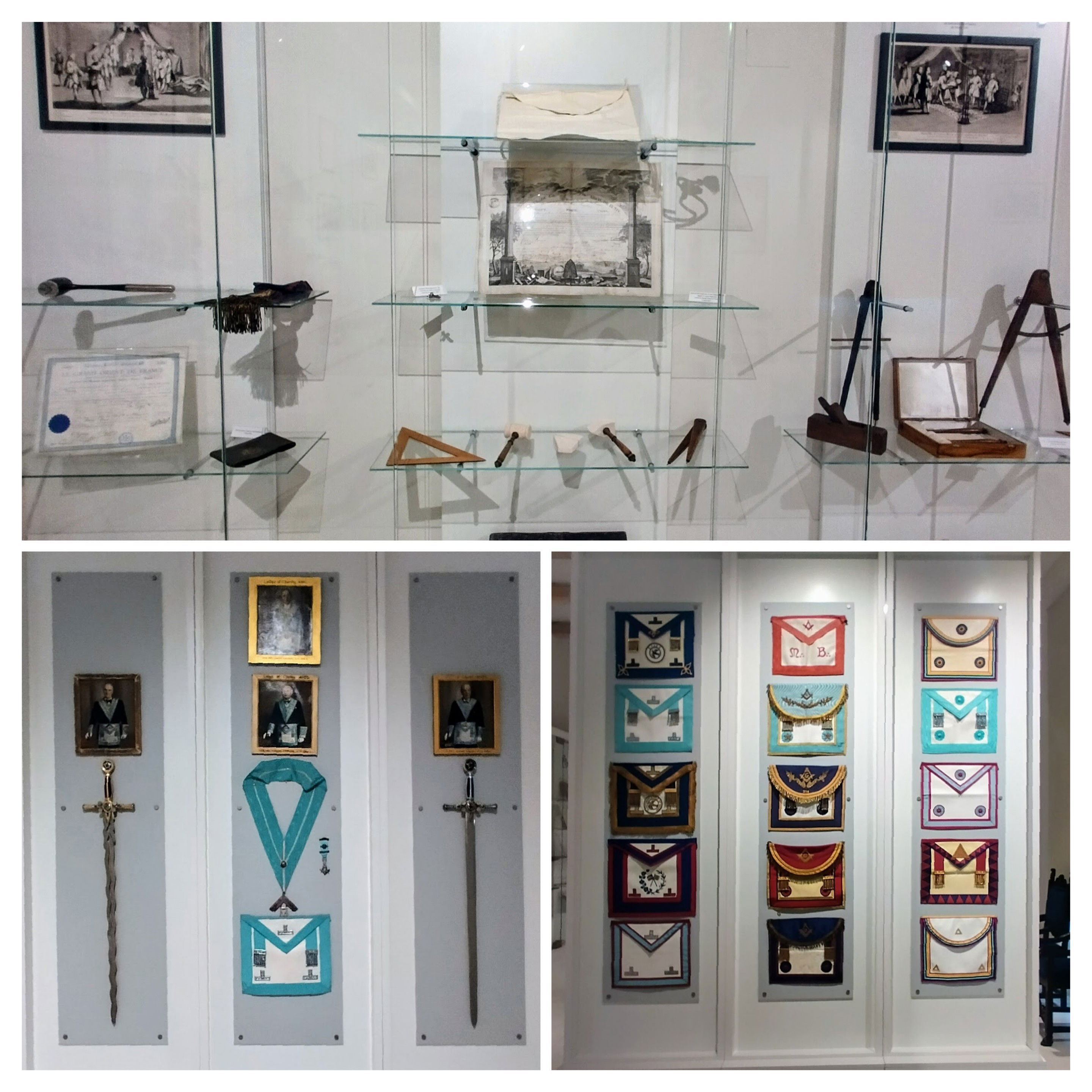
Vizitatorii pot explora documente rare, medalii, instrumente de ritual și primele reprezentări grafice ale ceremoniilor masonice din secolul XVIII, descoperind legătura dintre istoria locală și rețelele internaționale ale ordinului.
Visitors can explore rare documents, medals, ritual instruments, and the earliest graphic depictions of Masonic ceremonies from the 18th century, discovering the connection between local history and the international networks of the order.
Loja Masonică din Oradea a fost înființată la 31 octombrie 1876, sub conducerea doctorului Berkovits Zsigmond, aflându-se în subordinea Marii Loji din Budapesta. Inițial, ceremoniile aveau loc în casa lui Schutz Albert, pe actuala stradă Iuliu Maniu, până la ridicarea propriei clădiri în 1901. După o scurtă perioadă de dizolvare la sfârșitul secolului al XIX-lea, loja s-a reînființat în 1892, numărând doar 18 membri, dar atrăgând rapid intelectuali și membri ai burgheziei orădene. Activitatea masonică a continuat până în 1919, când lojile au fost desființate sub regimul lui Béla Kun, fiind reluate temporar în perioada interbelică.
The Masonic Lodge of Oradea was founded on October 31, 1876, under the leadership of Dr. Berkovits Zsigmond, as part of the Grand Lodge of Budapest. Initially, ceremonies were held in the house of Schutz Albert, on today’s Iuliu Maniu Street, until their own building was erected in 1901. After a brief dissolution at the end of the 19th century, the lodge was reestablished in 1892 with only 18 members, but it quickly attracted intellectuals and members of the Oradea bourgeoisie. Masonic activity continued until 1919, when the lodges were dissolved under Béla Kun’s regime, later resuming briefly during the interwar period.
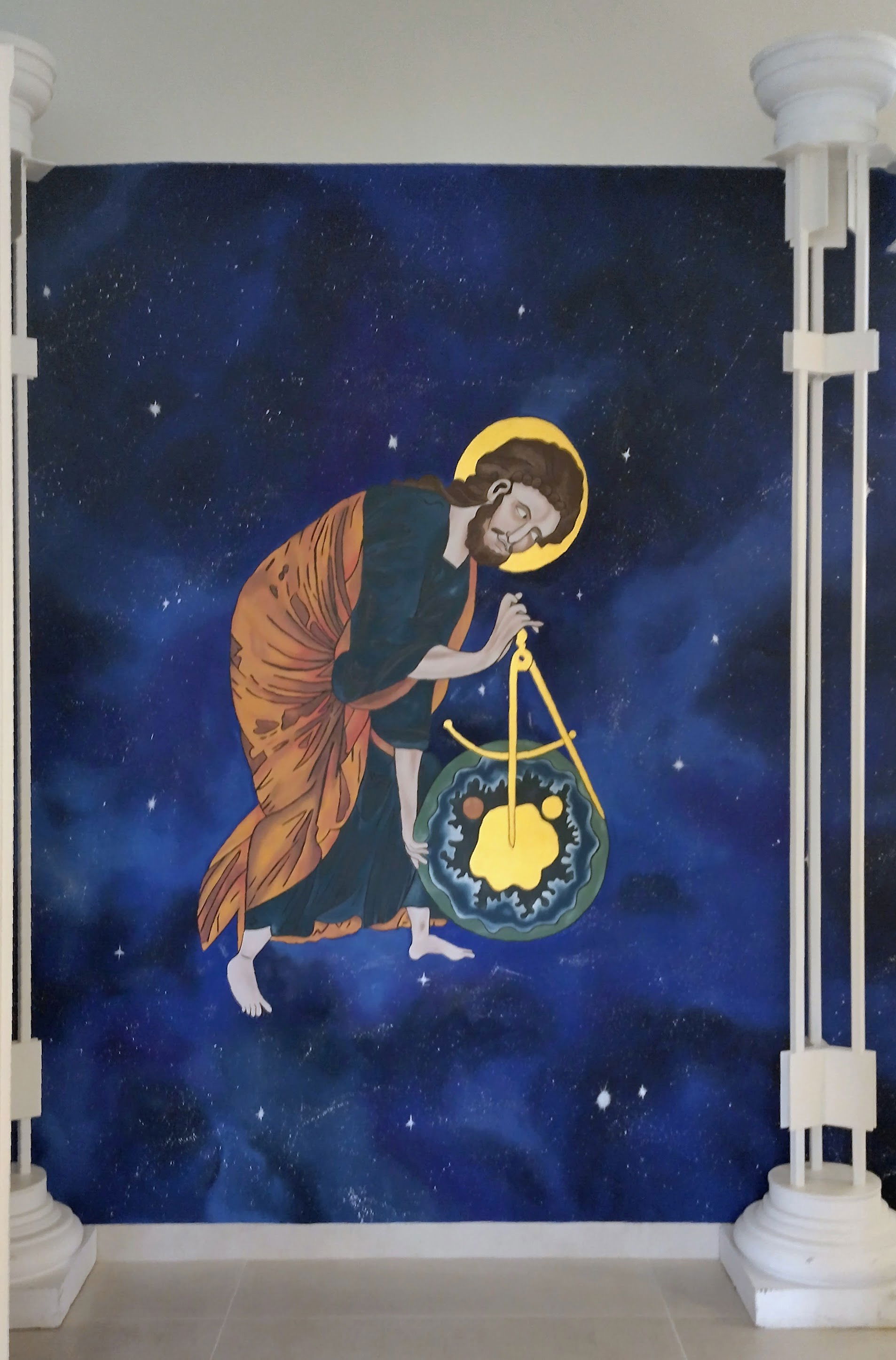
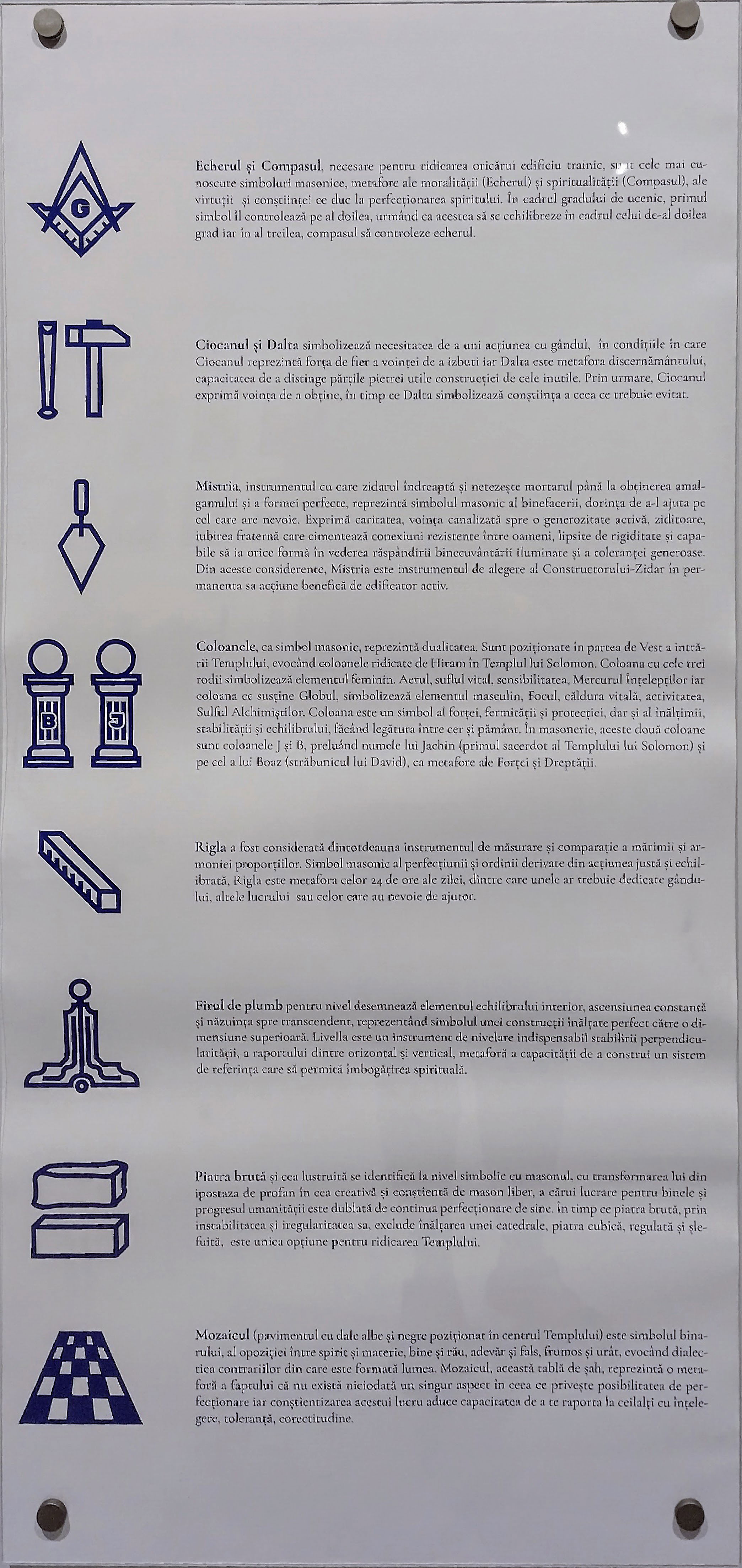
Marele Arhitect al Universului... // The Great Architect of the Universe...
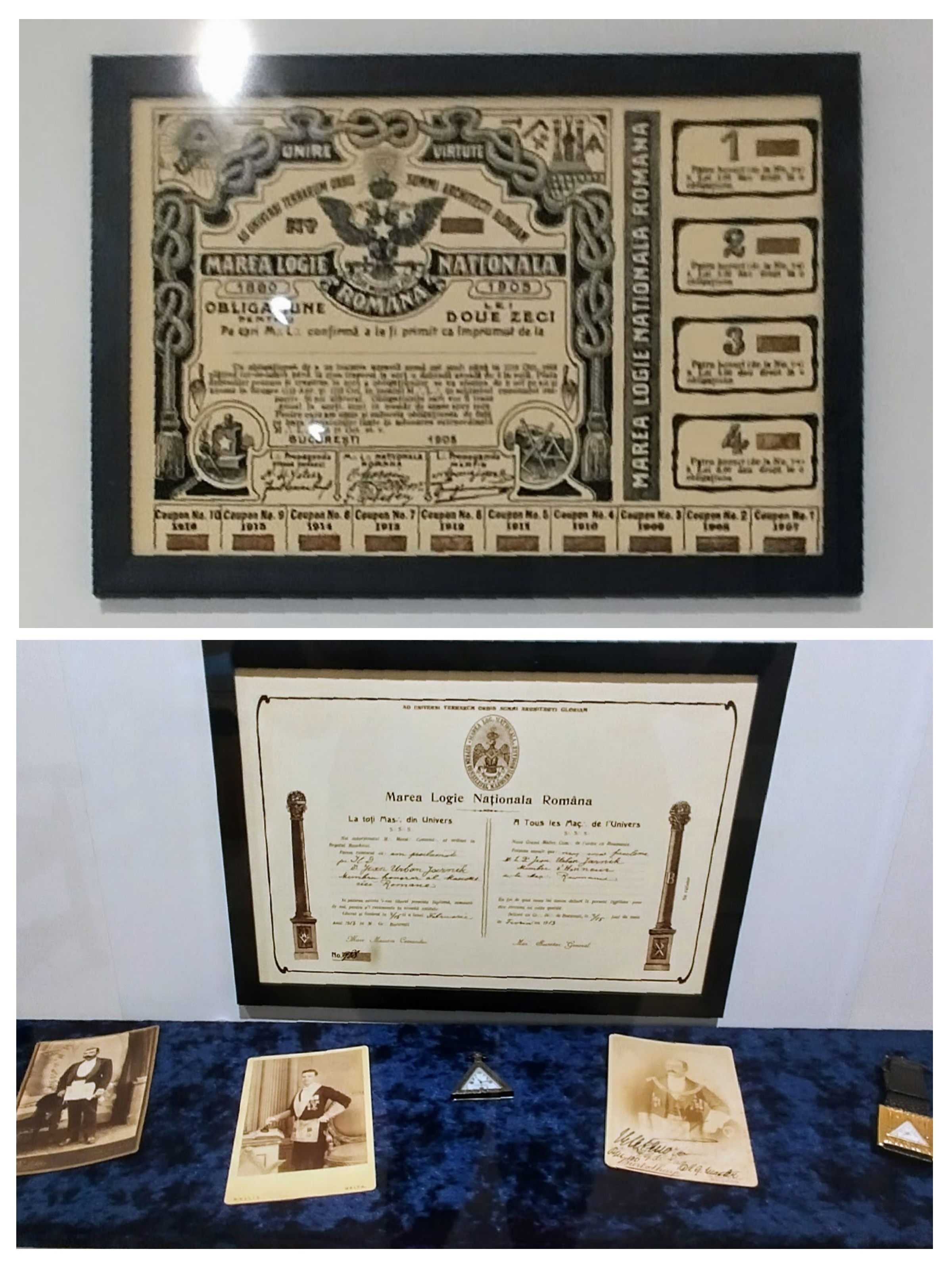
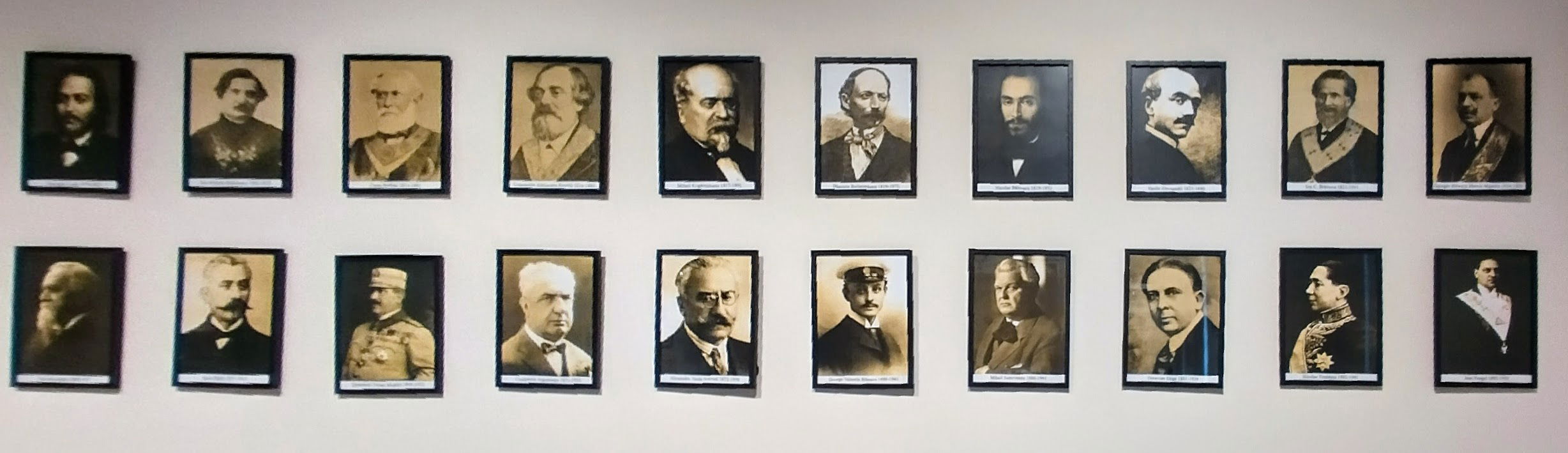
...și ucenicii săi // ... and his apprentices
Vă invit să vizionați și acest scurt tur video al spațiului muzeal, înainte de a trece mai departe (vizavi), pentru a continua cu celălalt muzeu.
I invite you to watch this short video tour of the museum space before moving on (across the street) to continue with the other museum.

Muzeul Țării Crișurilor este ceva uriaș – am dat o raită rapidă și mi-a luat cam două ore, dar aici poți pierde cu ușurință o jumătate de zi.
The Museum of the Criș Land is enormous — I took a quick tour, and it still took me about two hours, but you could easily spend half a day here.
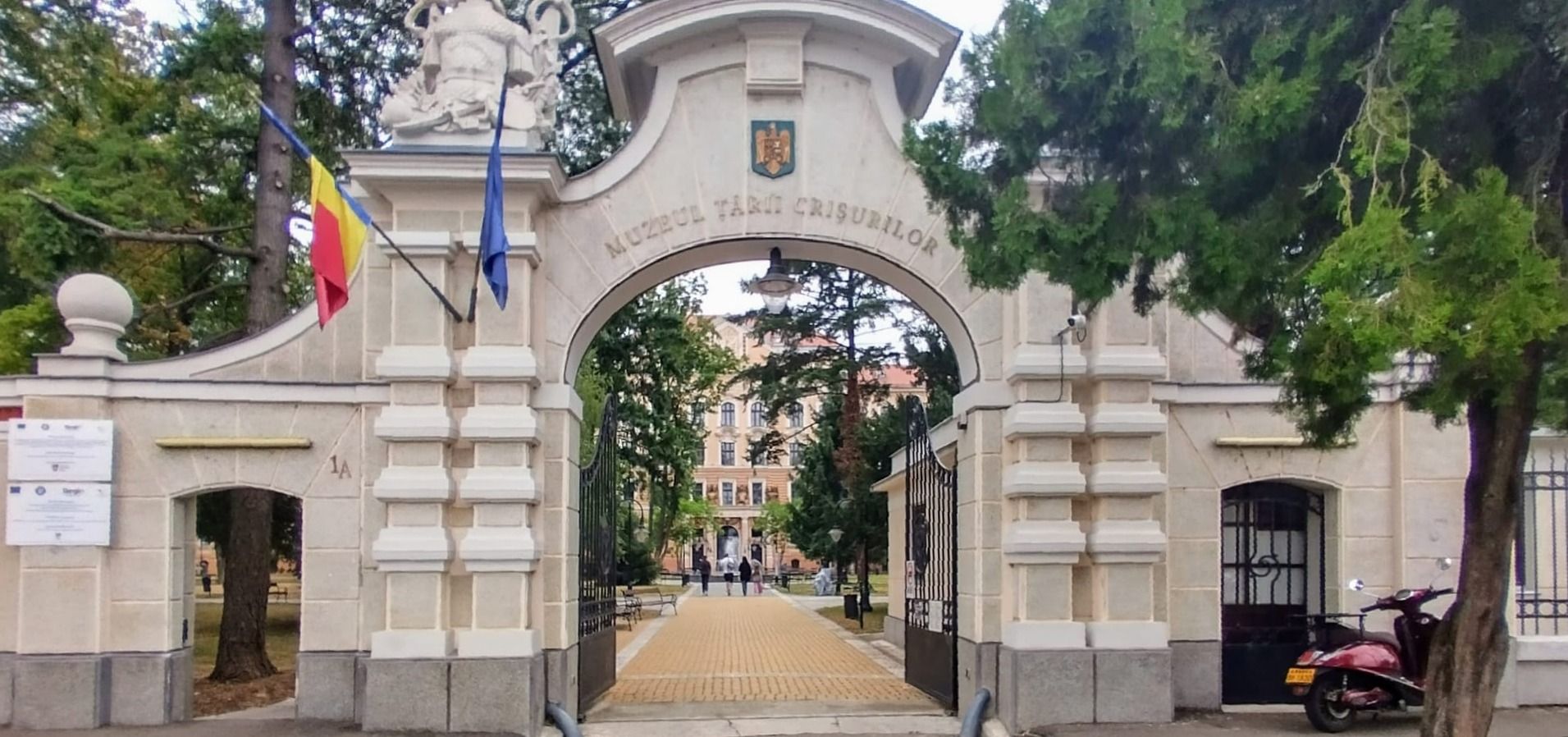
Muzeul este împărțit în cinci secțiuni principale și găzduiește și un vivarium. Eu am început turul cu secția de Științele Naturii, unde am făcut o incursiune în istoria naturală a zonei, din cele mai vechi timpuri și până azi.
Pe un hol lung, în stânga se află vitrine cu fosile din diverse epoci, iar pe dreapta, ilustrații cu scene ale aceleiași istorii naturale — vânători, culegători, șezători…
The museum is divided into five main sections and also hosts a vivarium. I started my visit with the Natural Sciences section, where I explored the natural history of the region from ancient times to the present day.
Along a long hallway, on the left are showcases with fossils from different eras, and on the right, illustrations depicting scenes from the same natural history — hunters, gatherers, settlers…
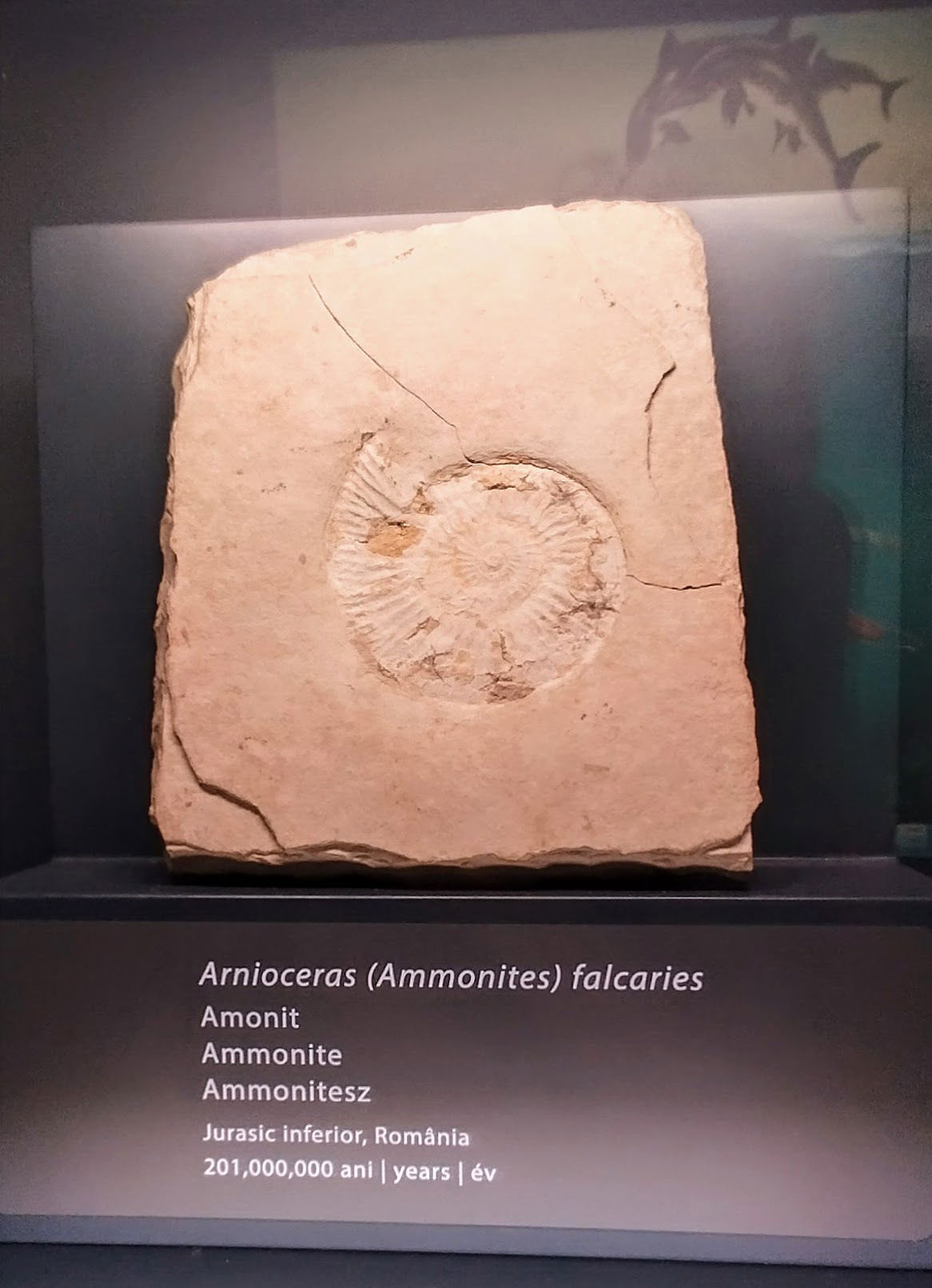
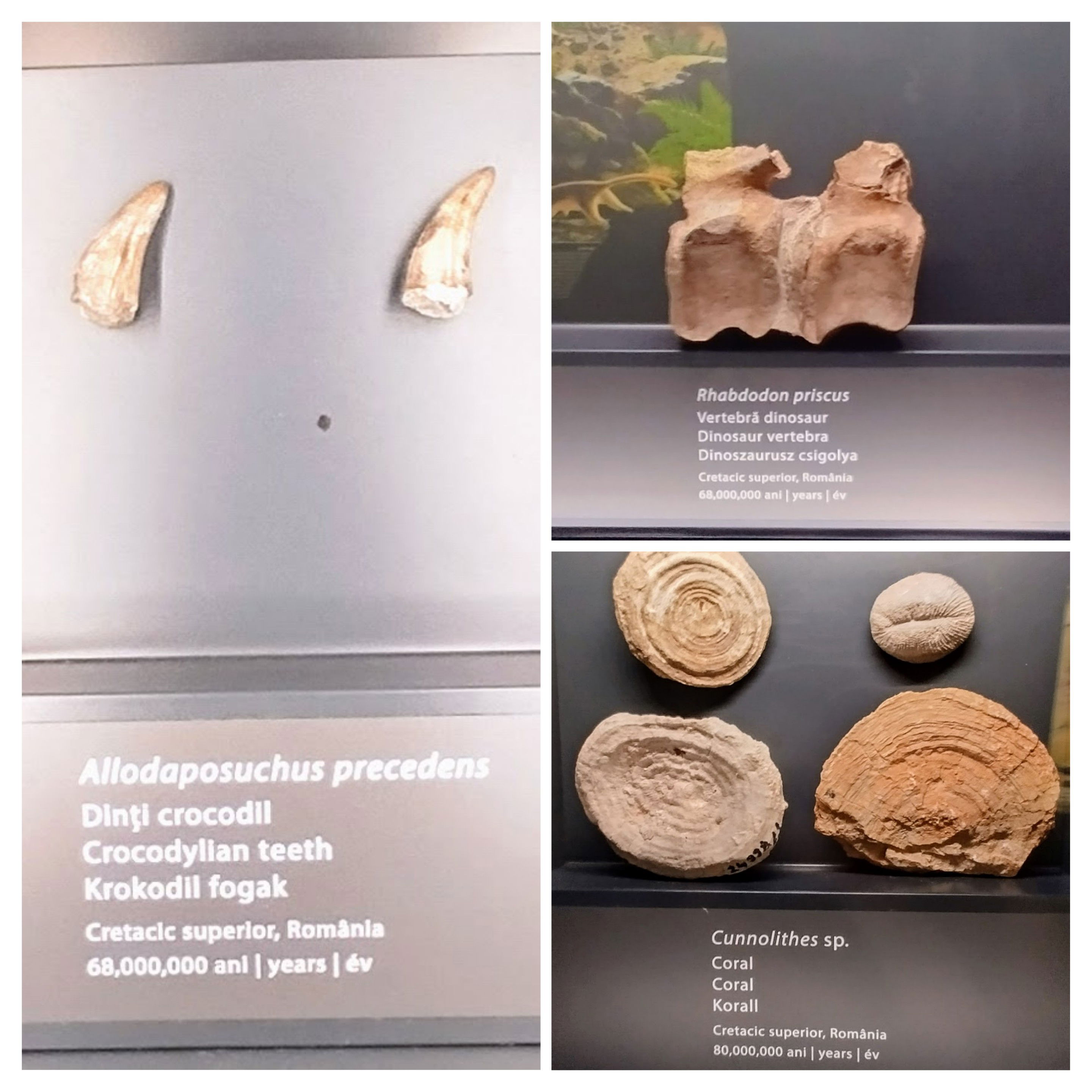
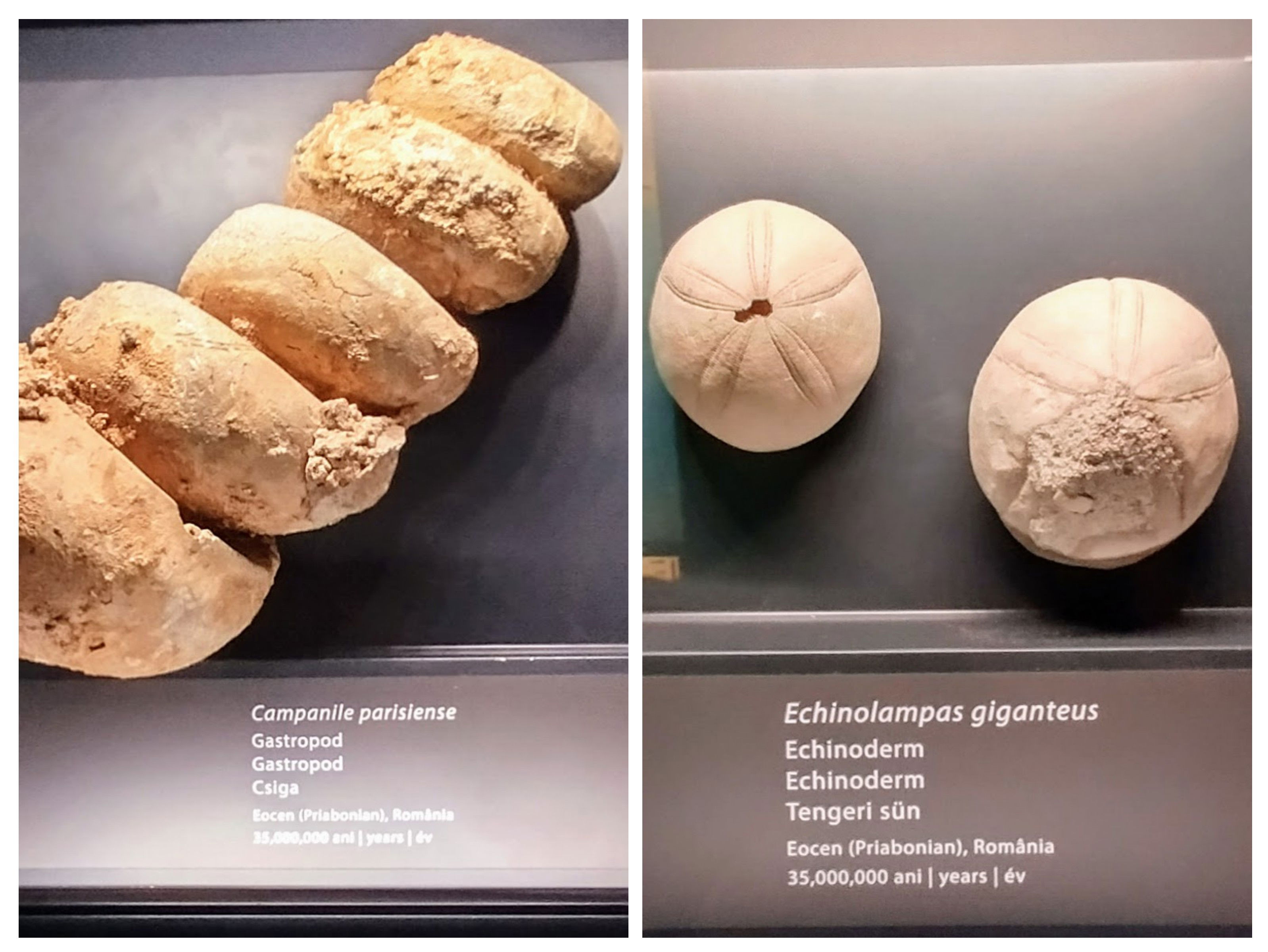
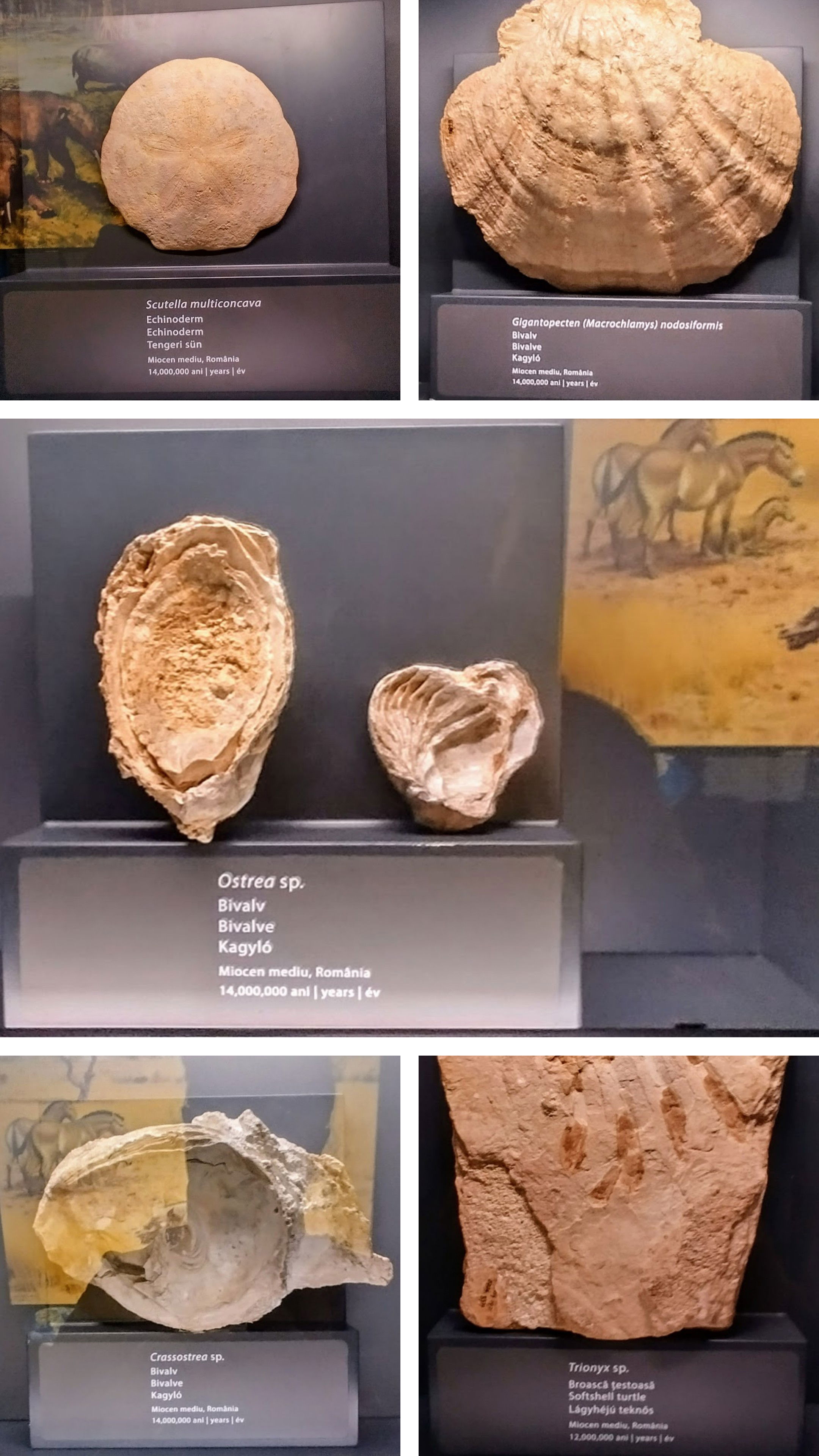
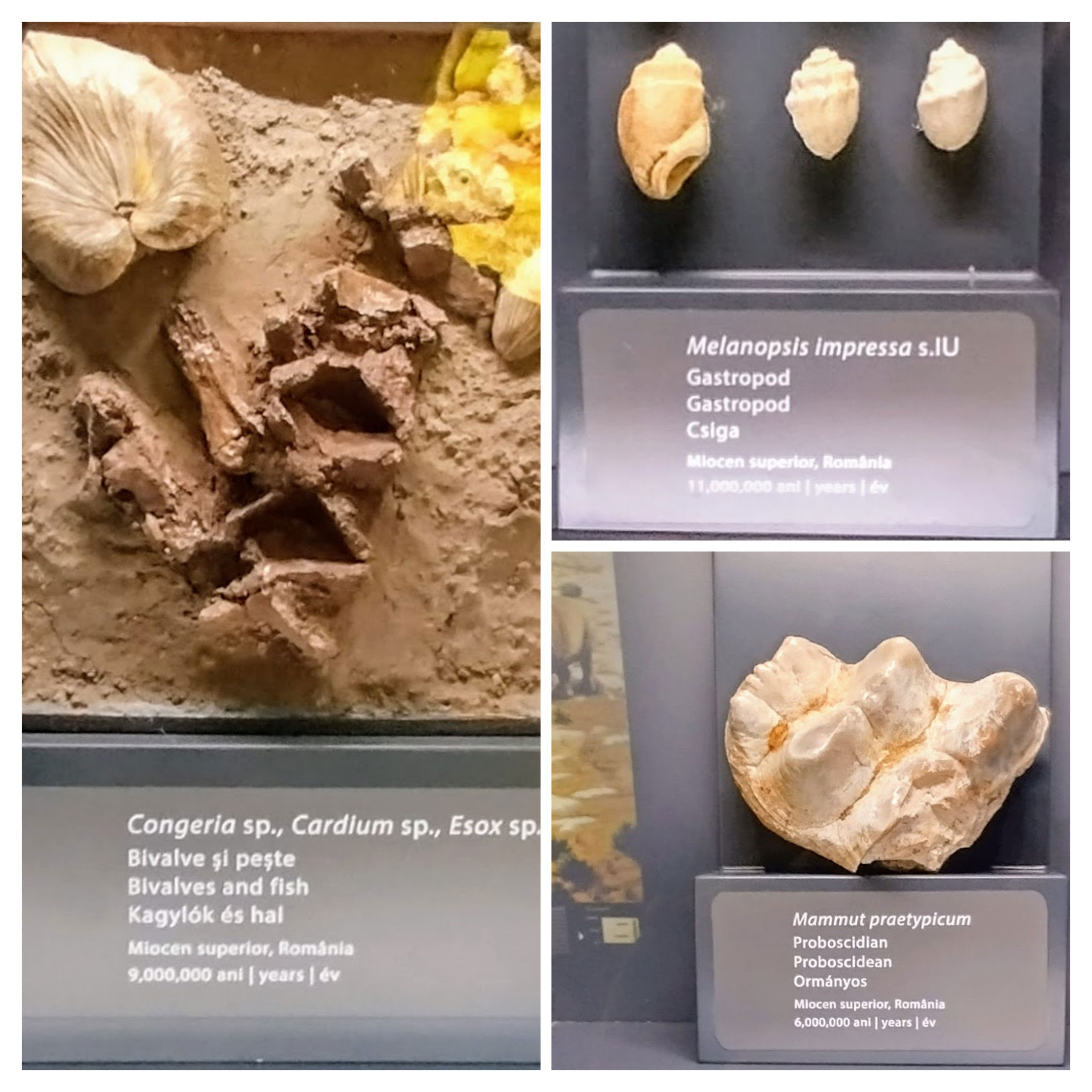
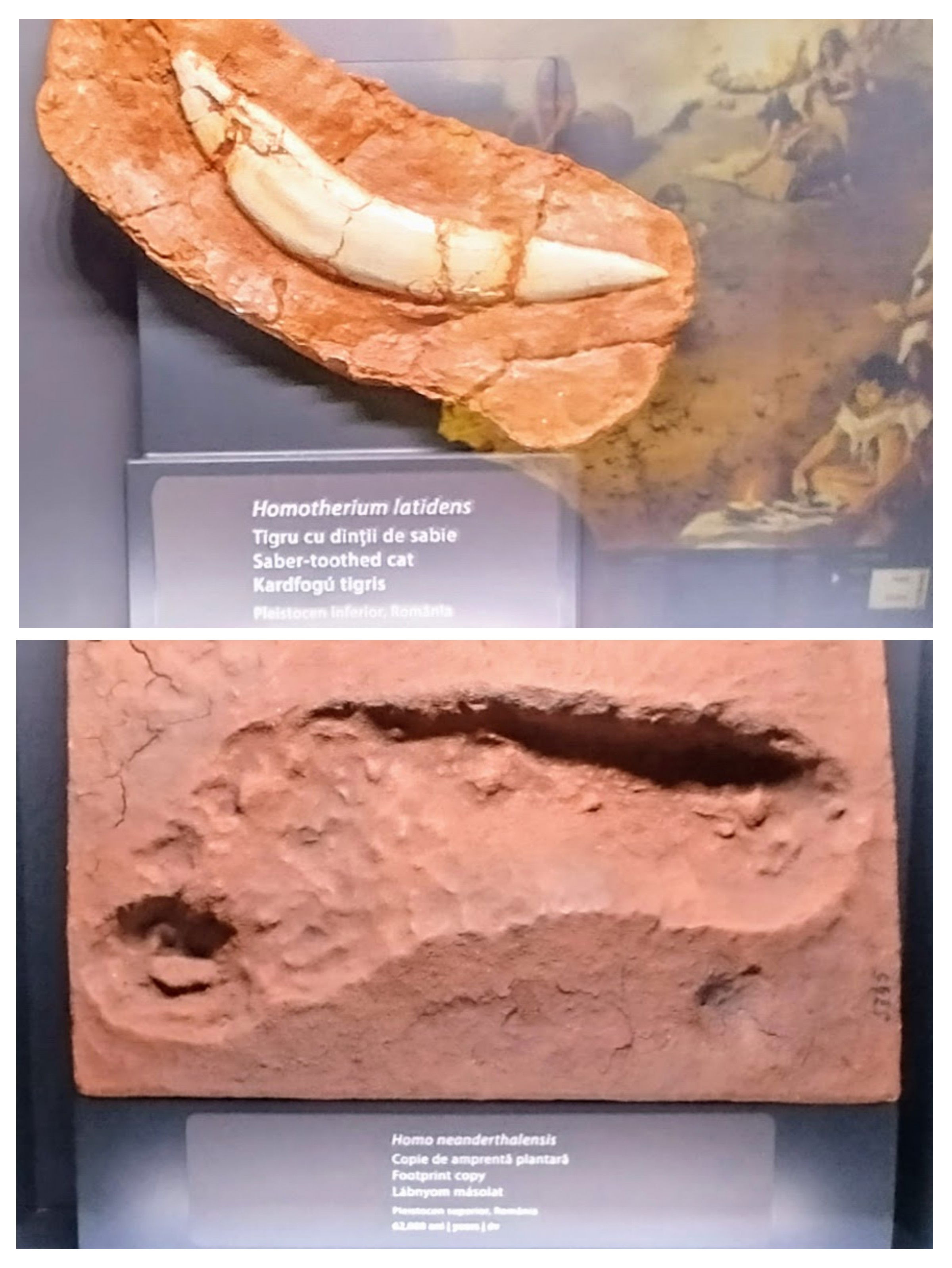
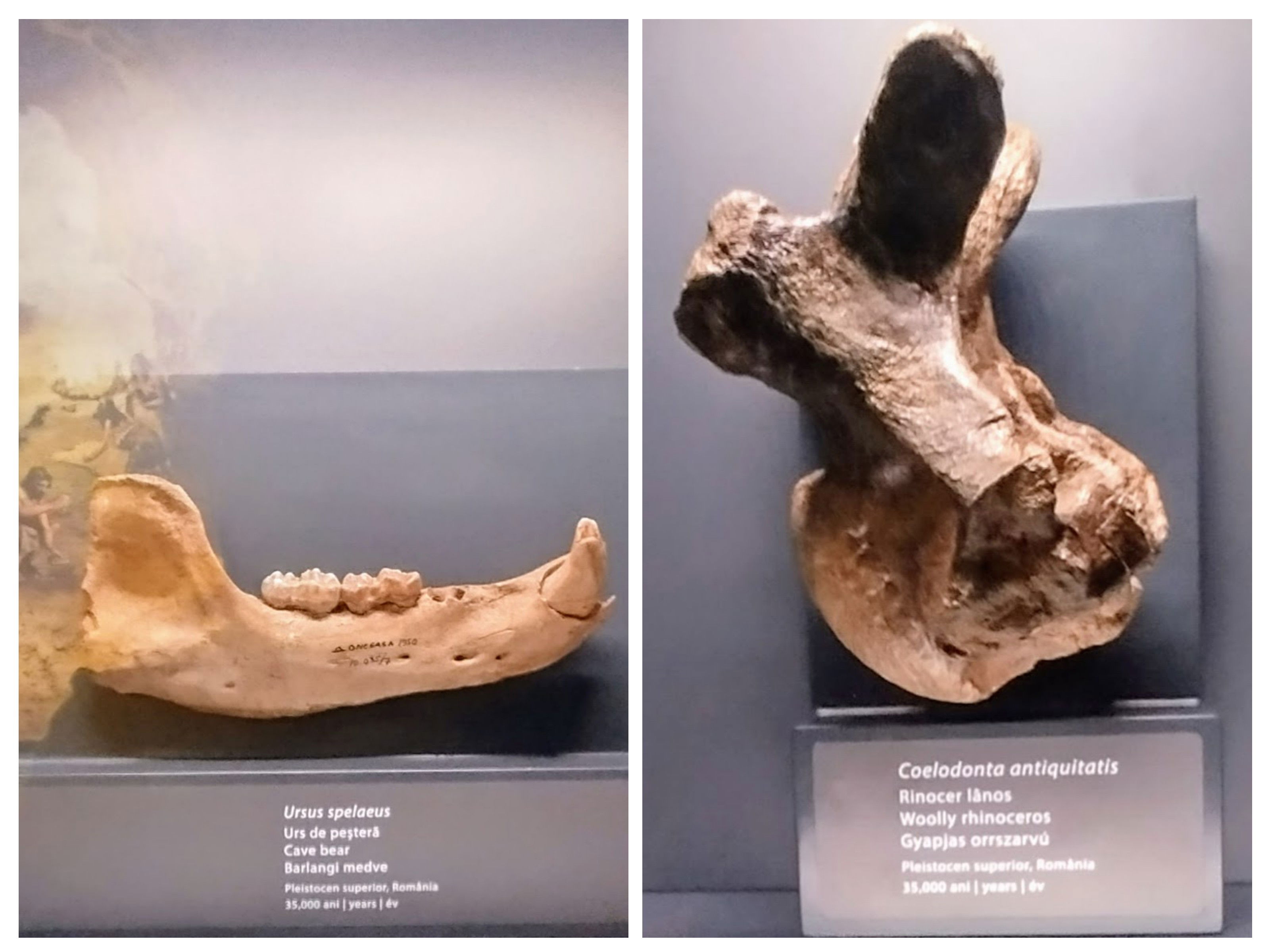
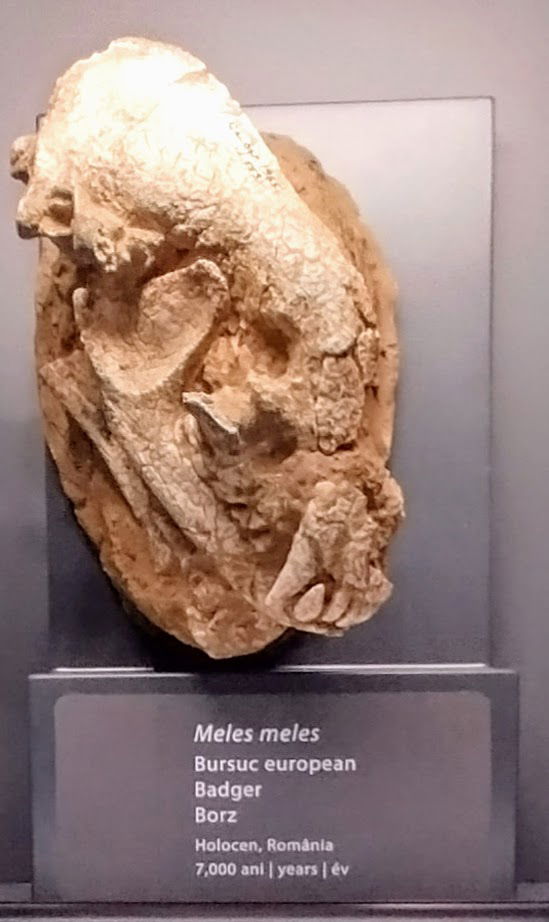
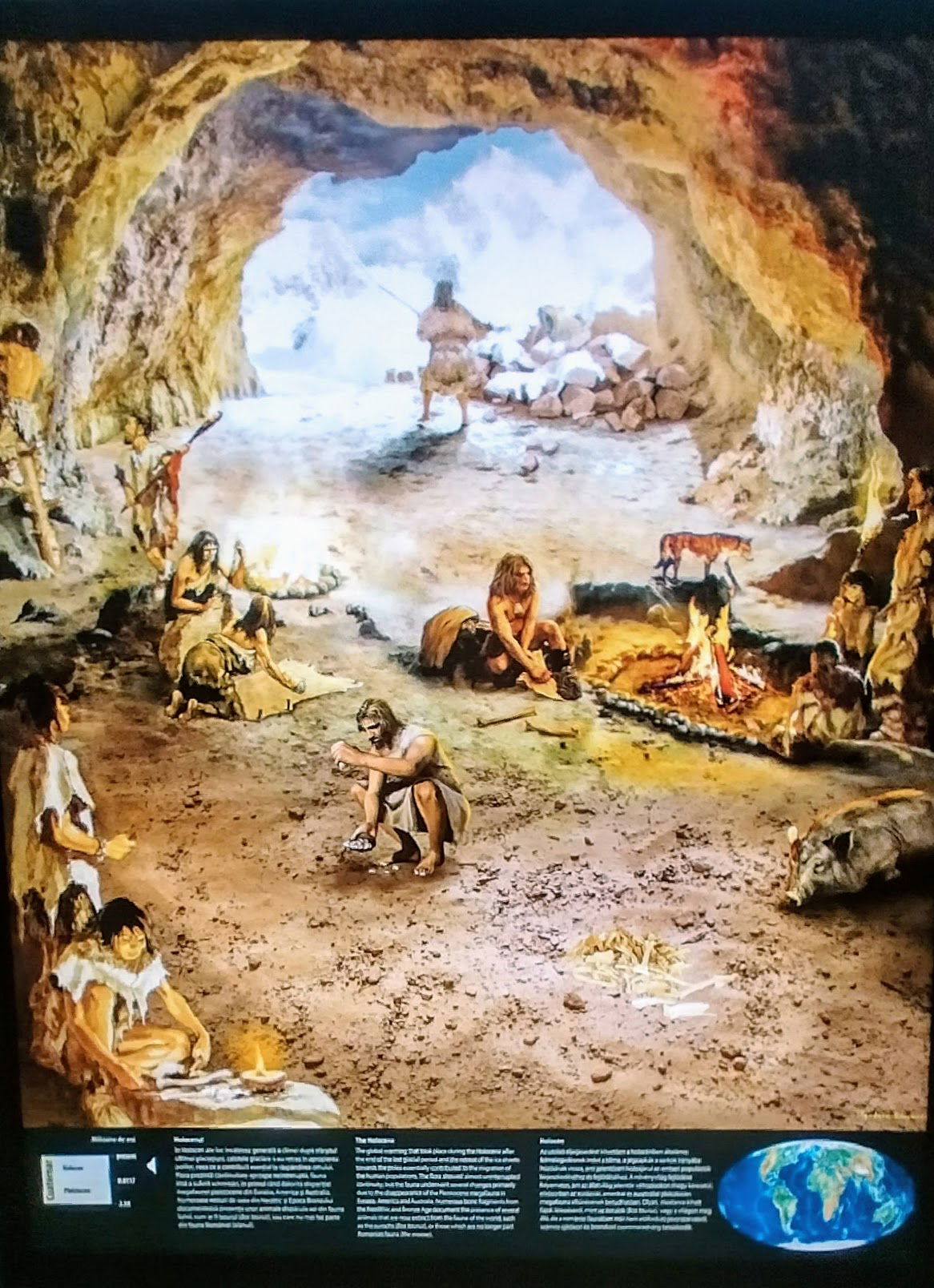
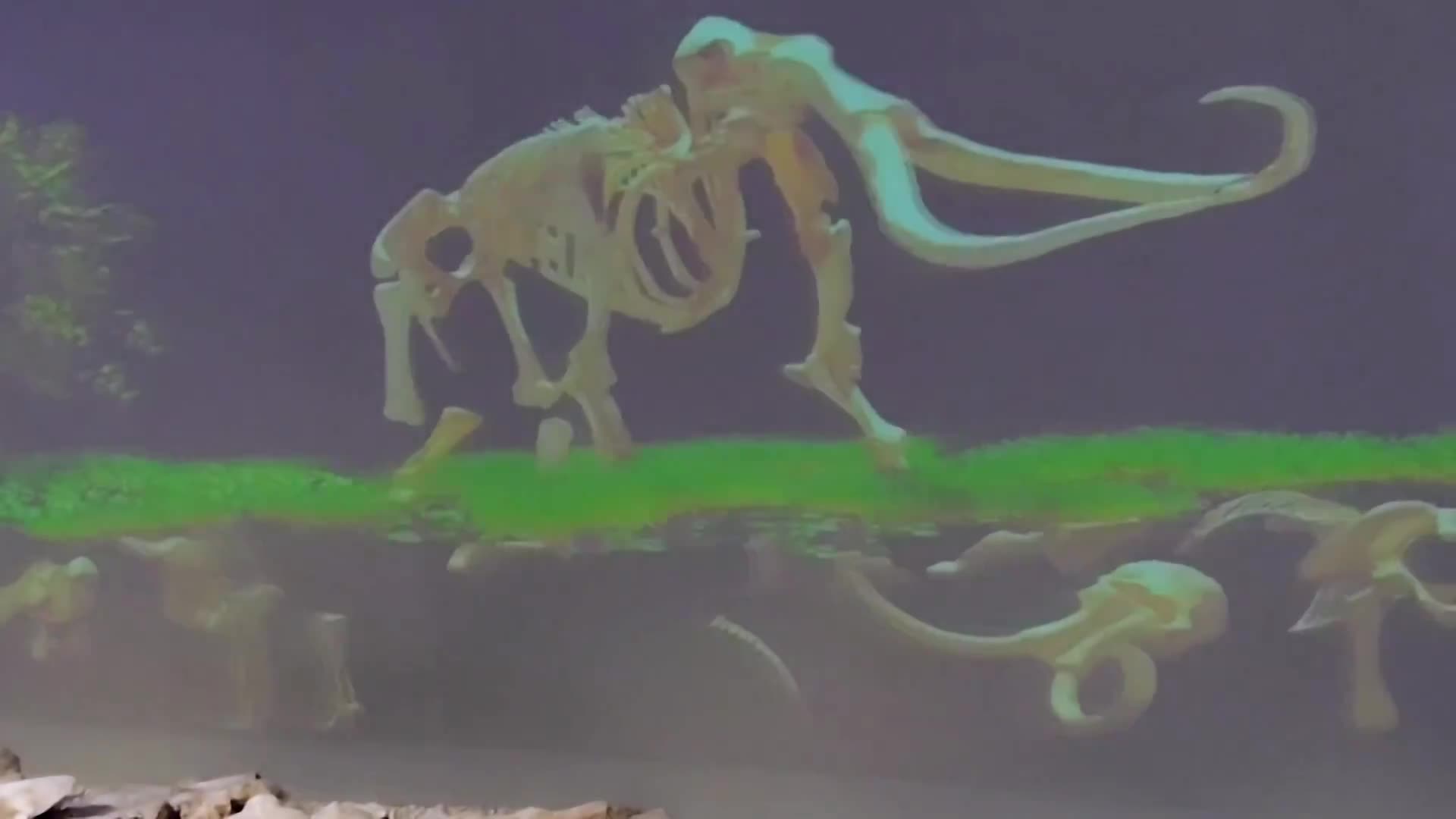
La capătul holului, intrăm în primele săli; aici găsim uriașele schelete ale unor monștri ai trecutului, precum mamutul blănos, sau diorame cu monștri moderni, precum ursul brun și lupul. Cheia acestui muzeu este interactivitatea — depinde de cât timp aveți, aveți și de explorat, și de învățat.
At the end of the hallway, we enter the first rooms; here we find the huge skeletons of prehistoric giants such as the woolly mammoth, as well as dioramas of modern-day beasts like the brown bear and the wolf. The key to this museum is interactivity — depending on how much time you have, there’s plenty to both explore and learn.
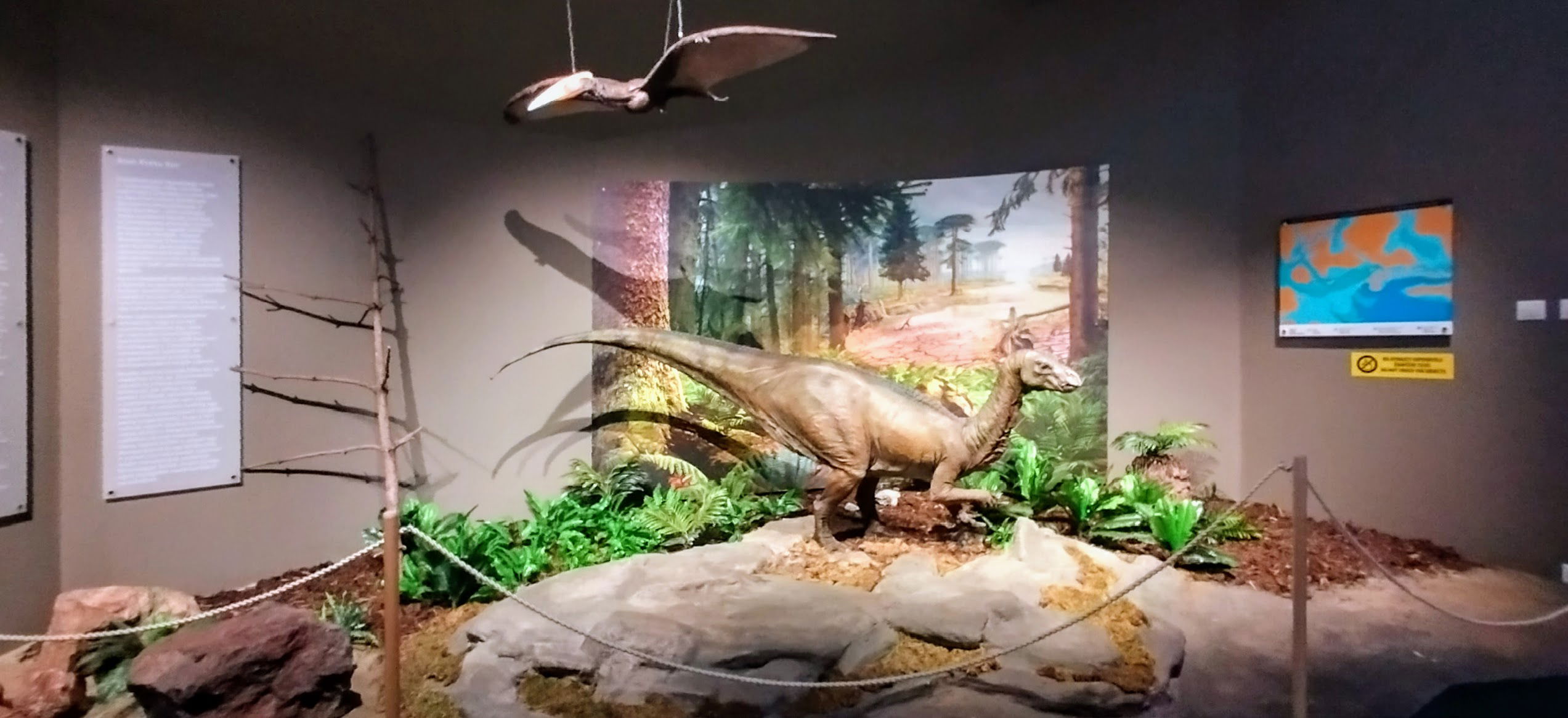
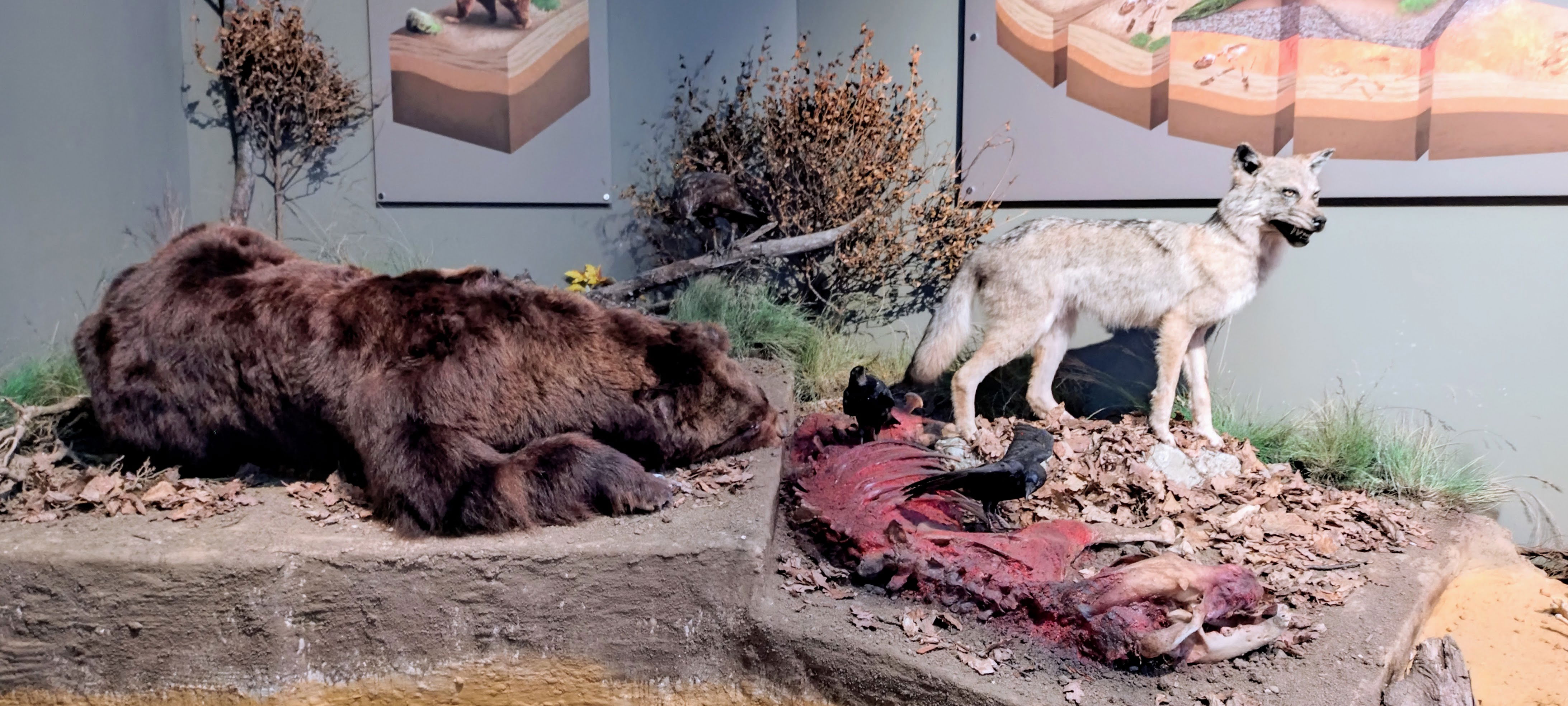
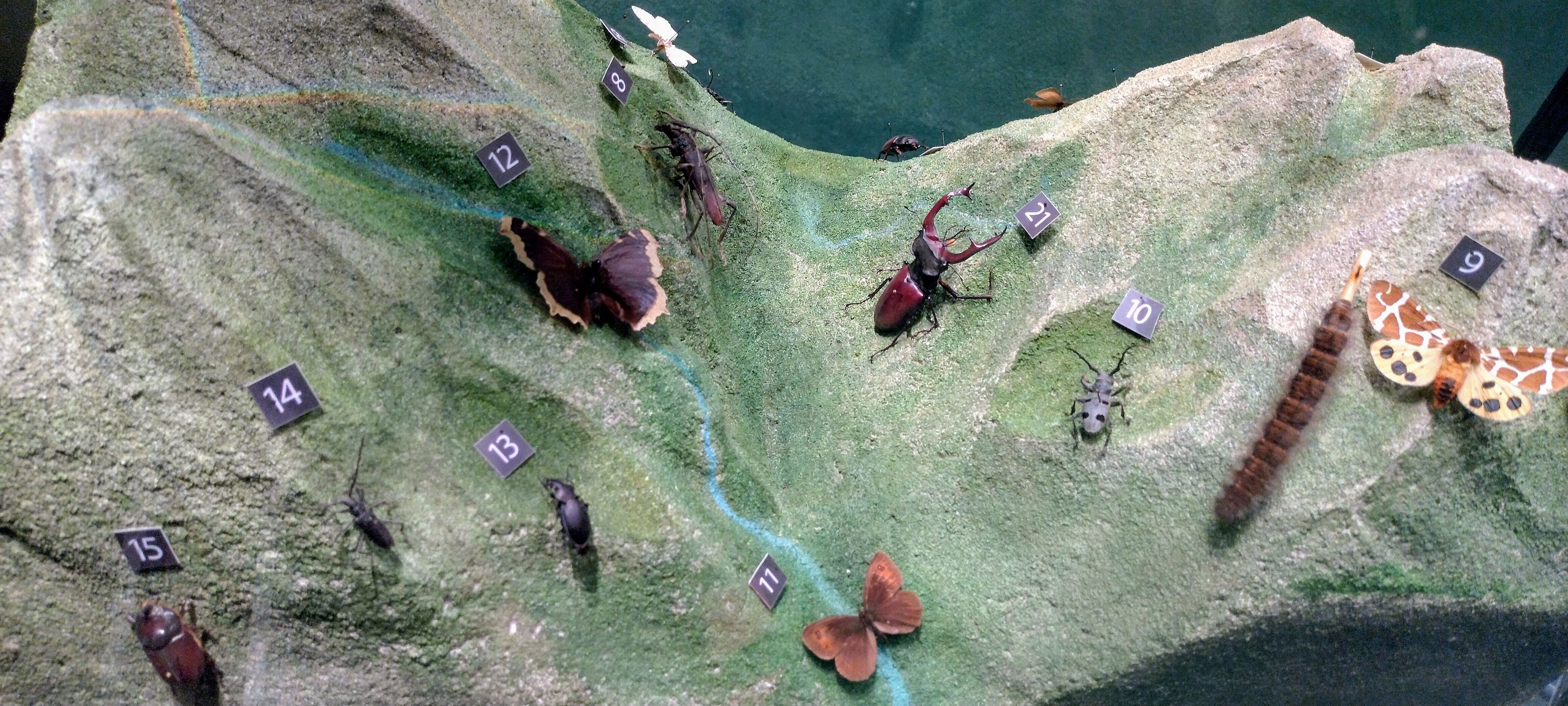
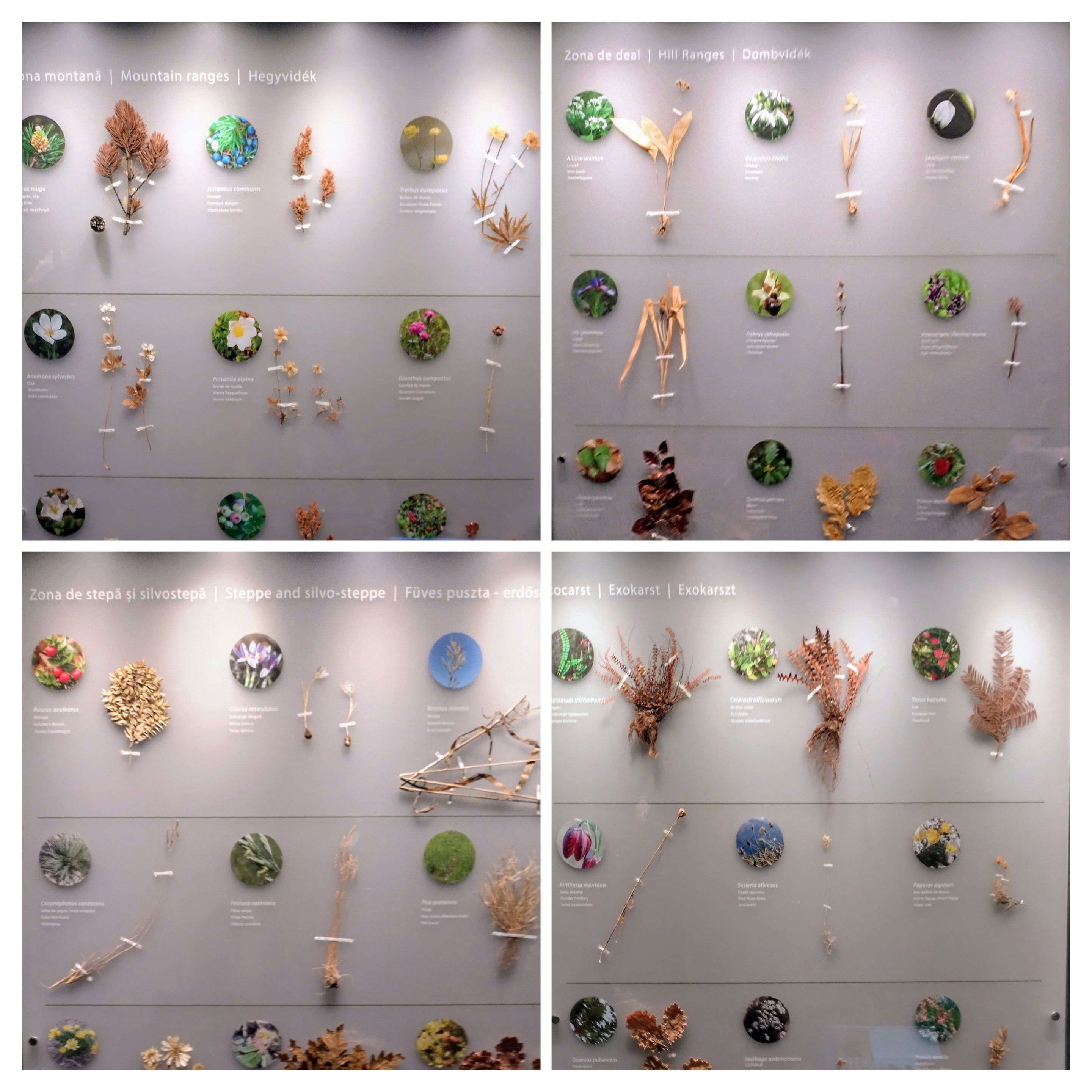
Trecem astfel în revistă diversele reliefuri locale și flora și fauna asociate lor, dispuse fie în diorame (de care am mai văzut și în alte muzee), fie în casete simpatice. M-au impresionat „insectarele” și „ierbarele”, frumos dispuse pe pereți.
We thus go through the various local landforms, along with their corresponding flora and fauna, displayed either in dioramas (like those seen in other museums) or in charming display boxes. I was particularly impressed by the insect and plant collections, beautifully arranged on the walls.
Tot cronologic, continui și prin secțiile de Arheologie și Istorie, următoarele două pe traseul prin muzeu. Aici, sălile sunt dispuse cu vitrine cu exponate pe margini și reconstituiri (locuințe, scene domestice) în centru.
Continuing chronologically, I move on to the Archaeology and History sections, the next two along the museum route. Here, the rooms are arranged with display cases along the walls and reconstructions (dwellings, domestic scenes) in the center.
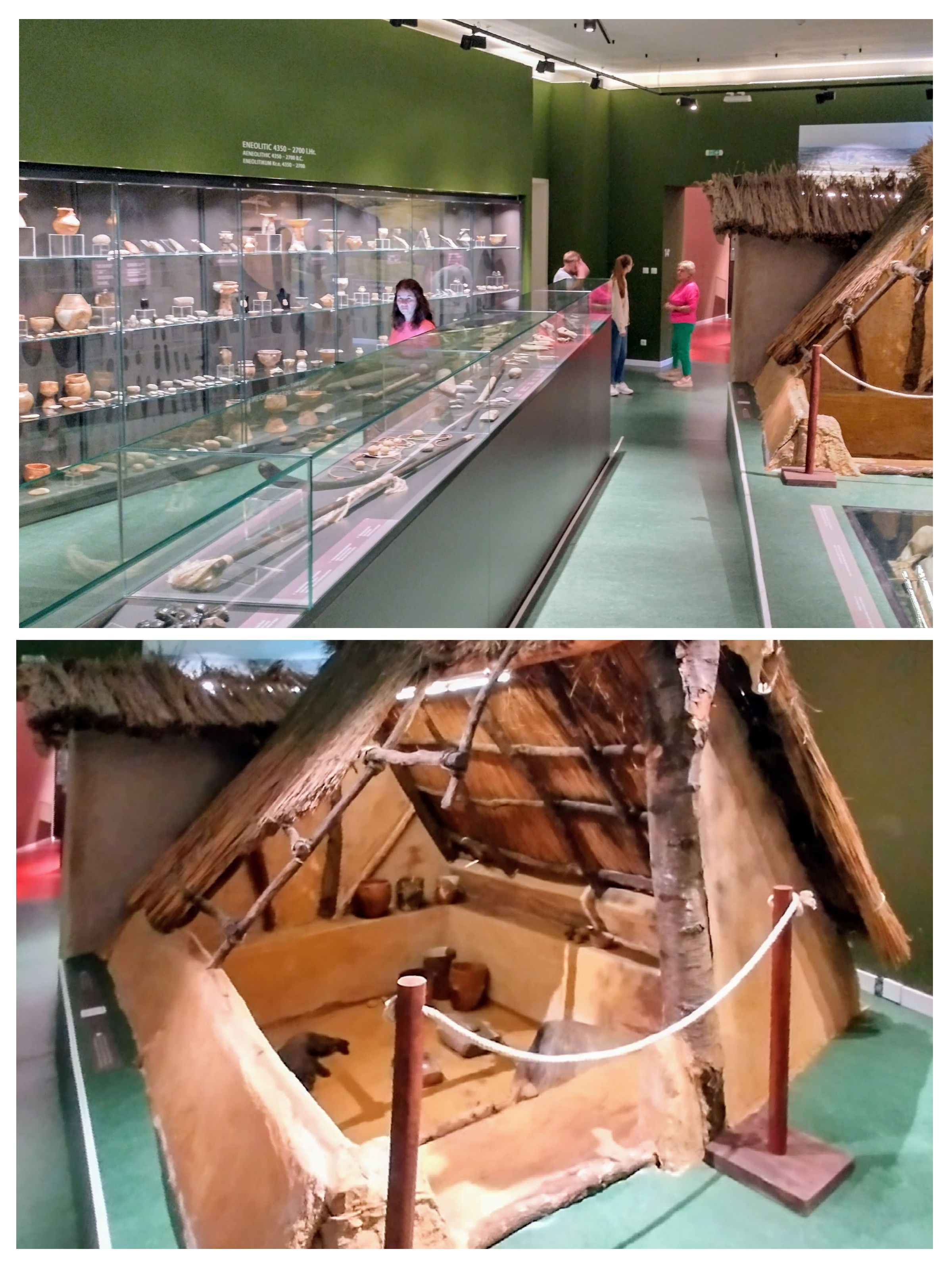
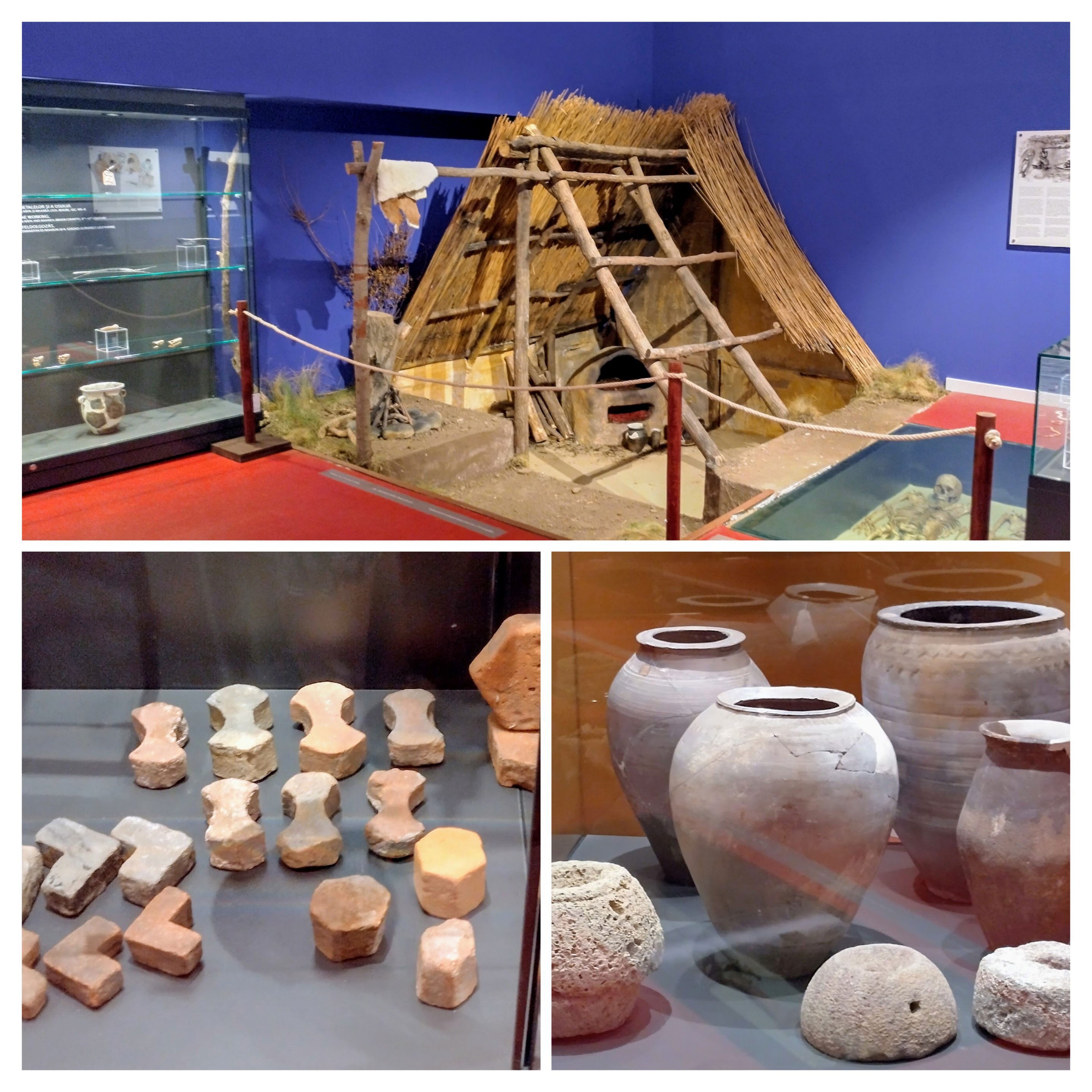
Printre vase ceramice din Neolitic și obiecte de metal din Epoca Fierului, găsim mici comori, dovezi ale istoriei pe teritoriul Oradiei — culturi de care nu mai auzisem, din vetre locale, unele rămase în România, altele în Ungaria, vecina noastră atât de apropiată de Bihor.
Among Neolithic ceramic vessels and Iron Age metal objects, we find small treasures — traces of history from the Oradea region — cultures I had never heard of, from local settlements, some now within Romania’s borders, others in Hungary, our neighbor so closely linked to Bihor.
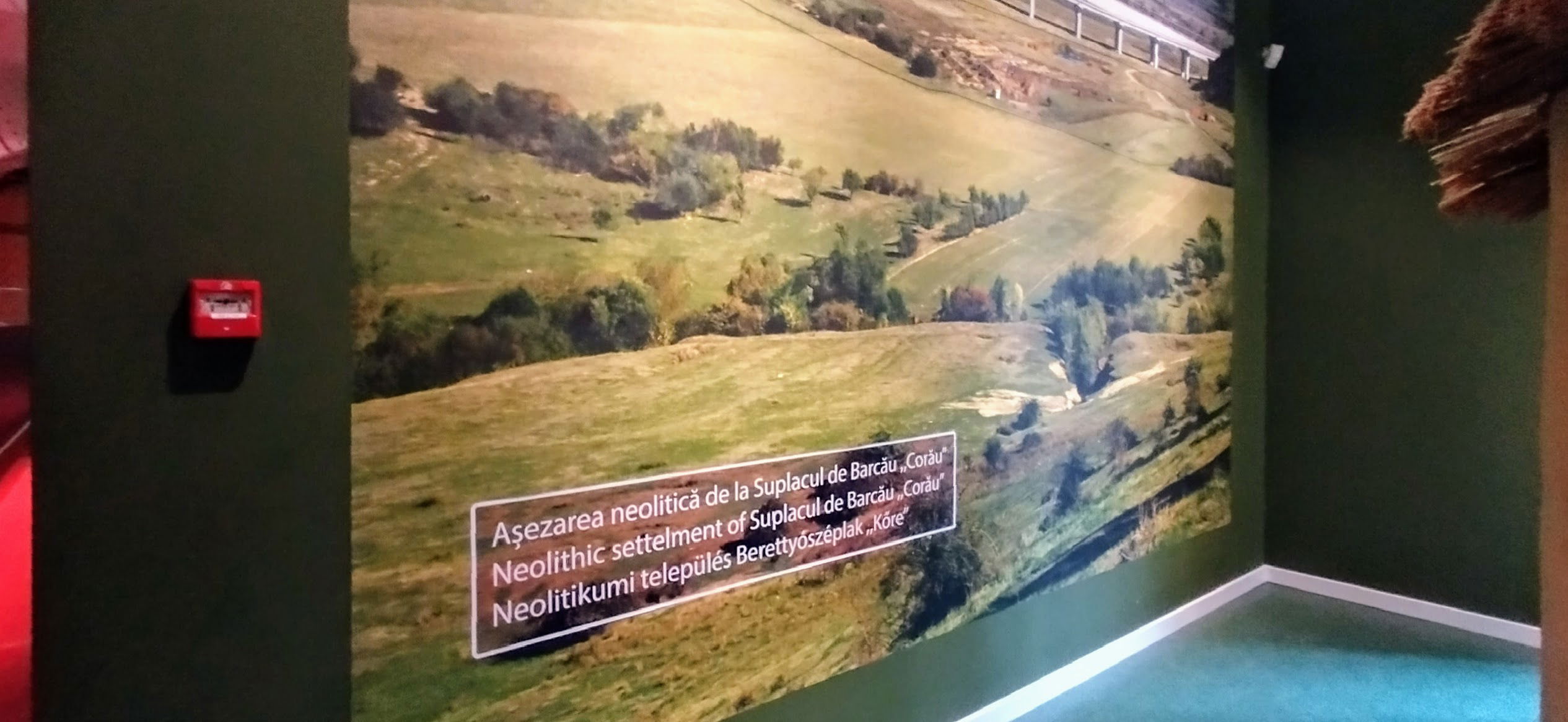
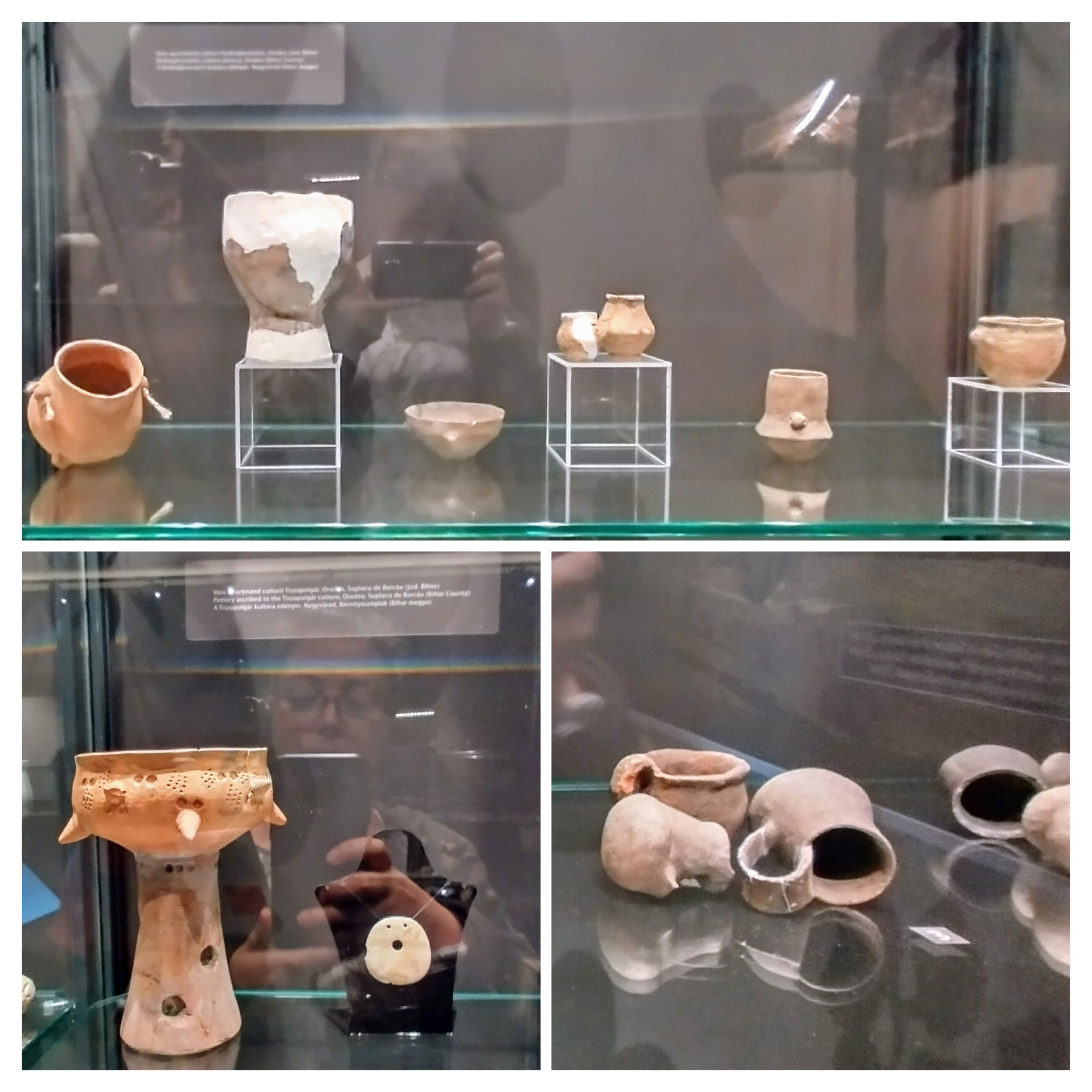
Neoliticul // The Neolithic
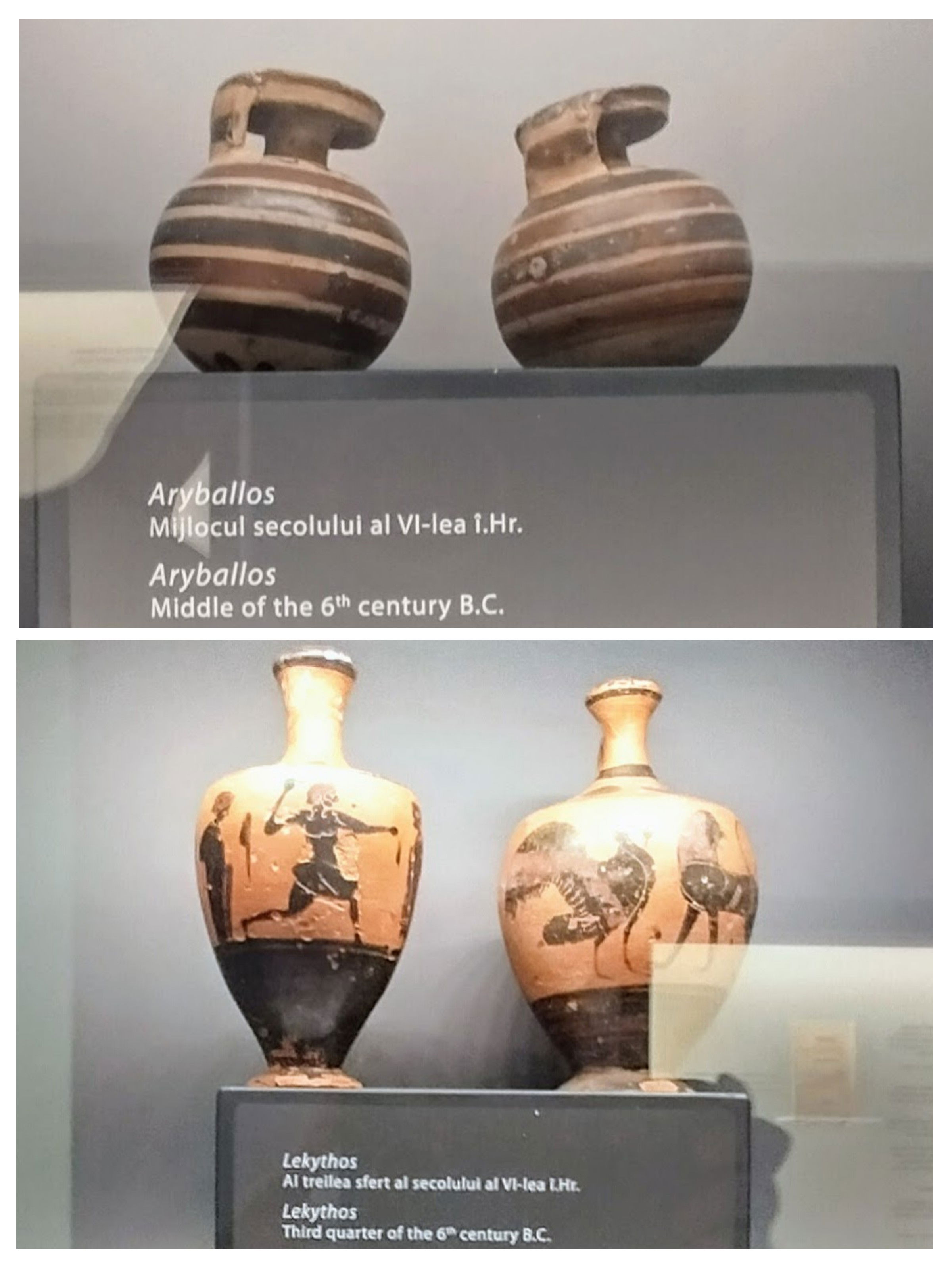
Antichitatea: Grecii... // The Antiquity: the Greeks...
...și romanii // ...and the Romans
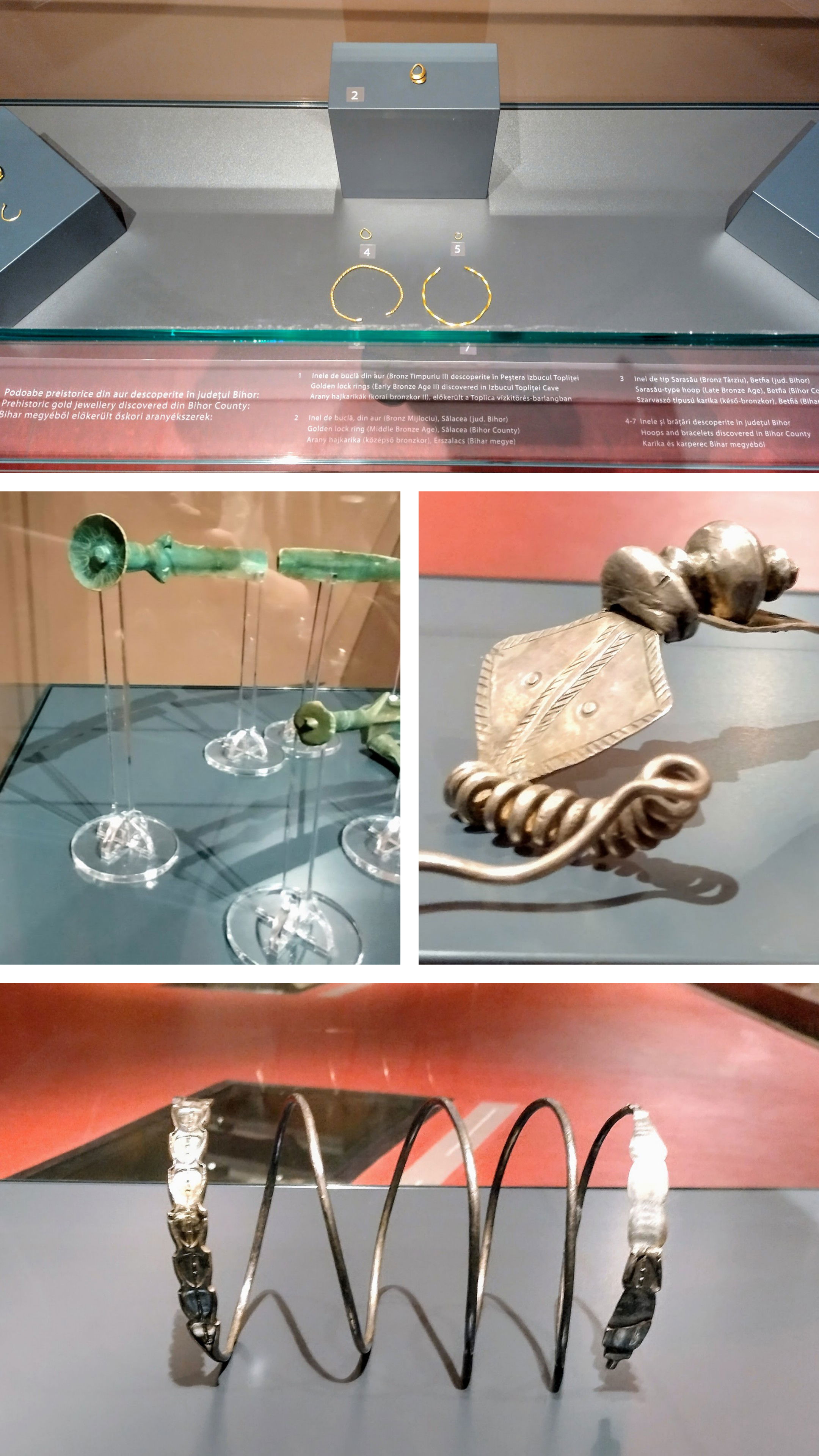
Epoca Fierului și epoca Bronzului // The Iron and Bronze Ages
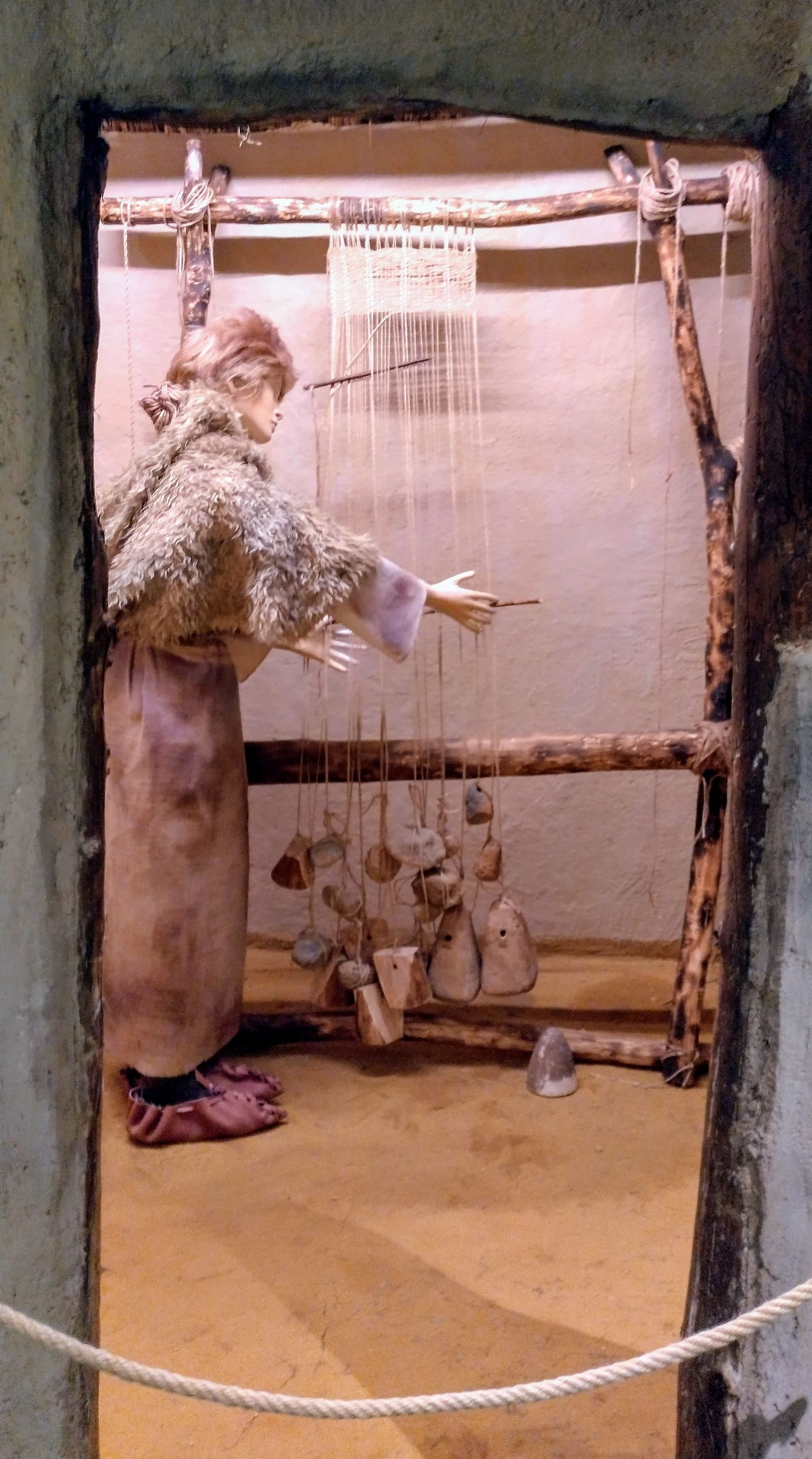
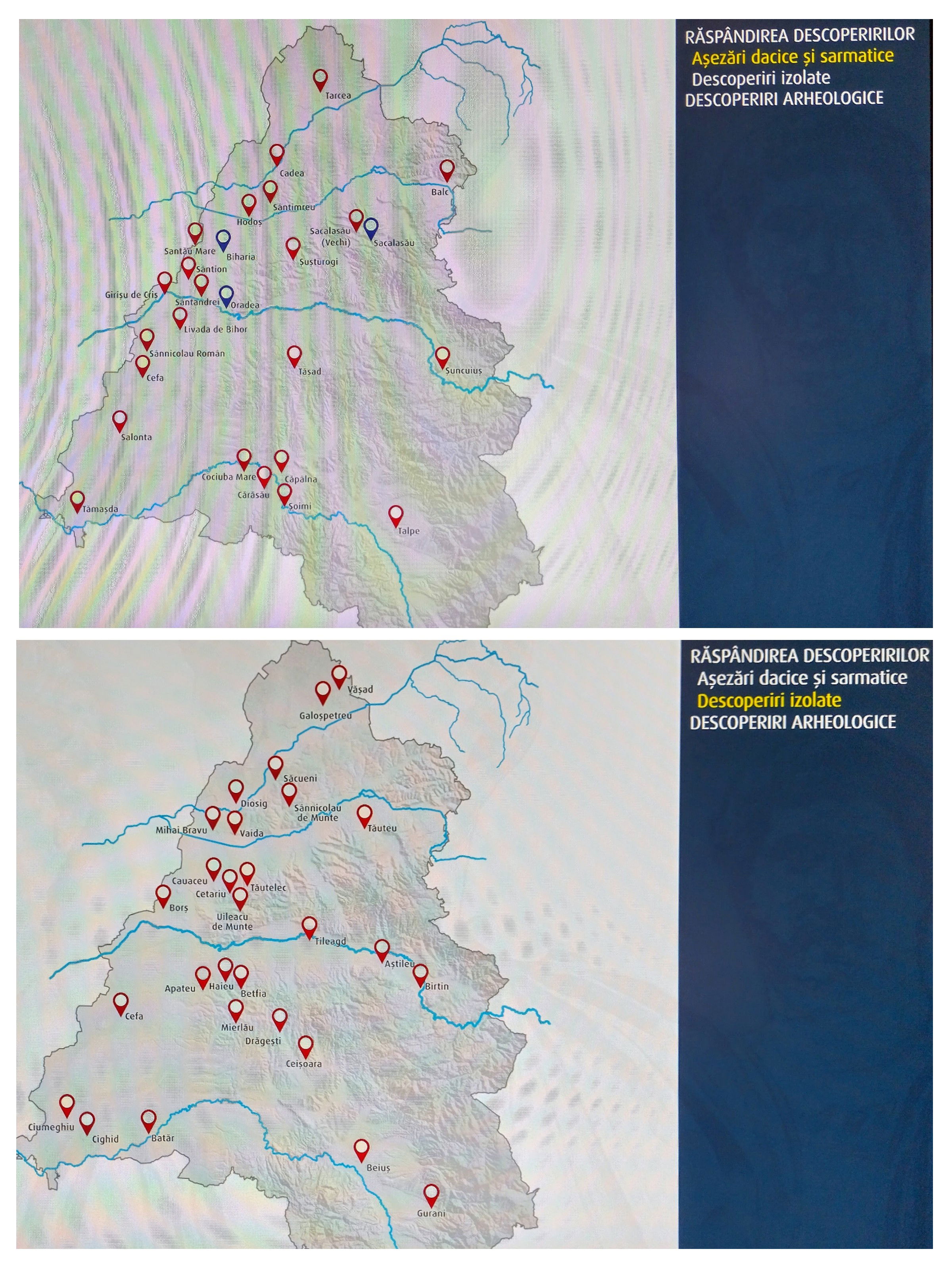
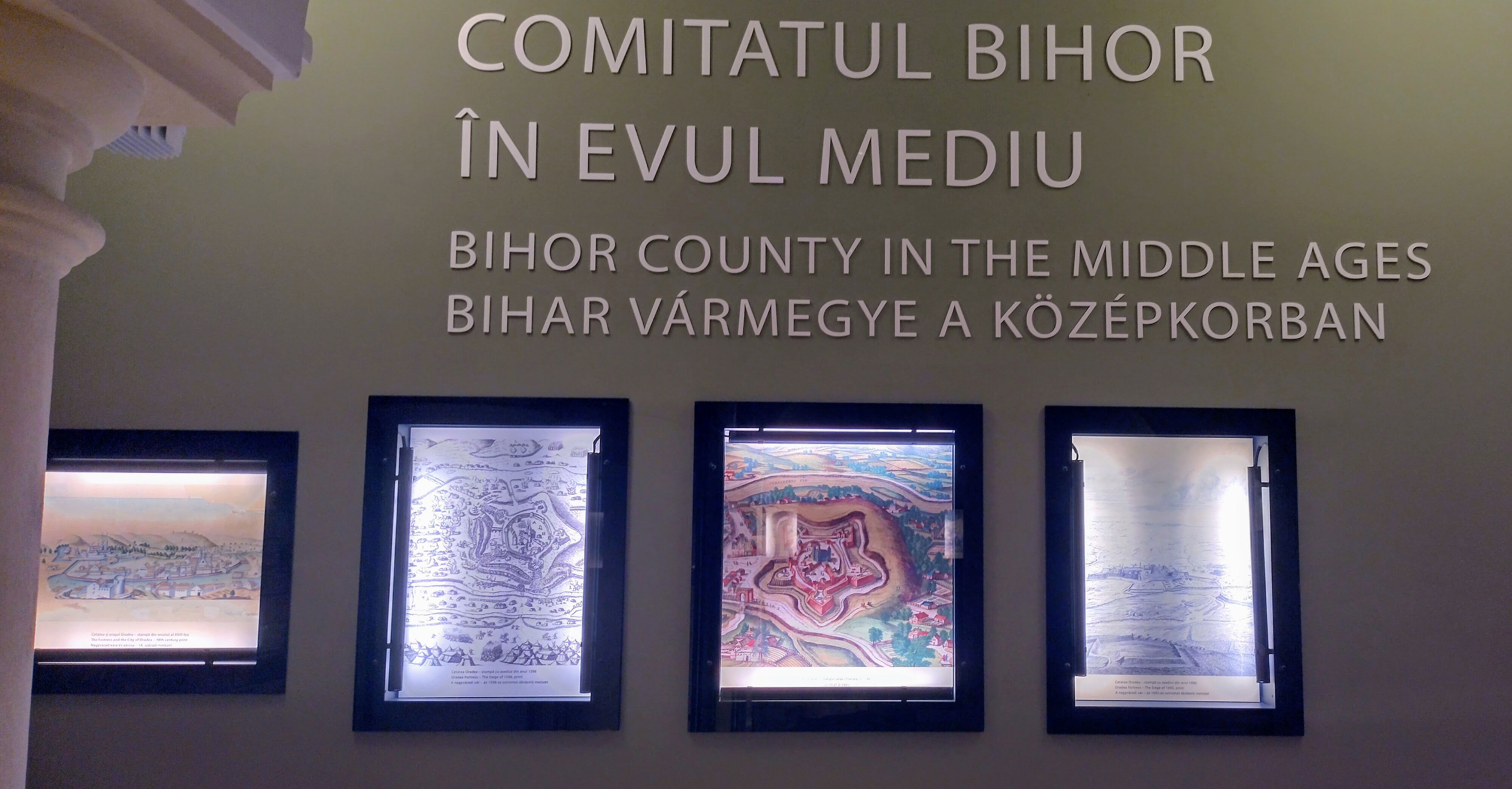
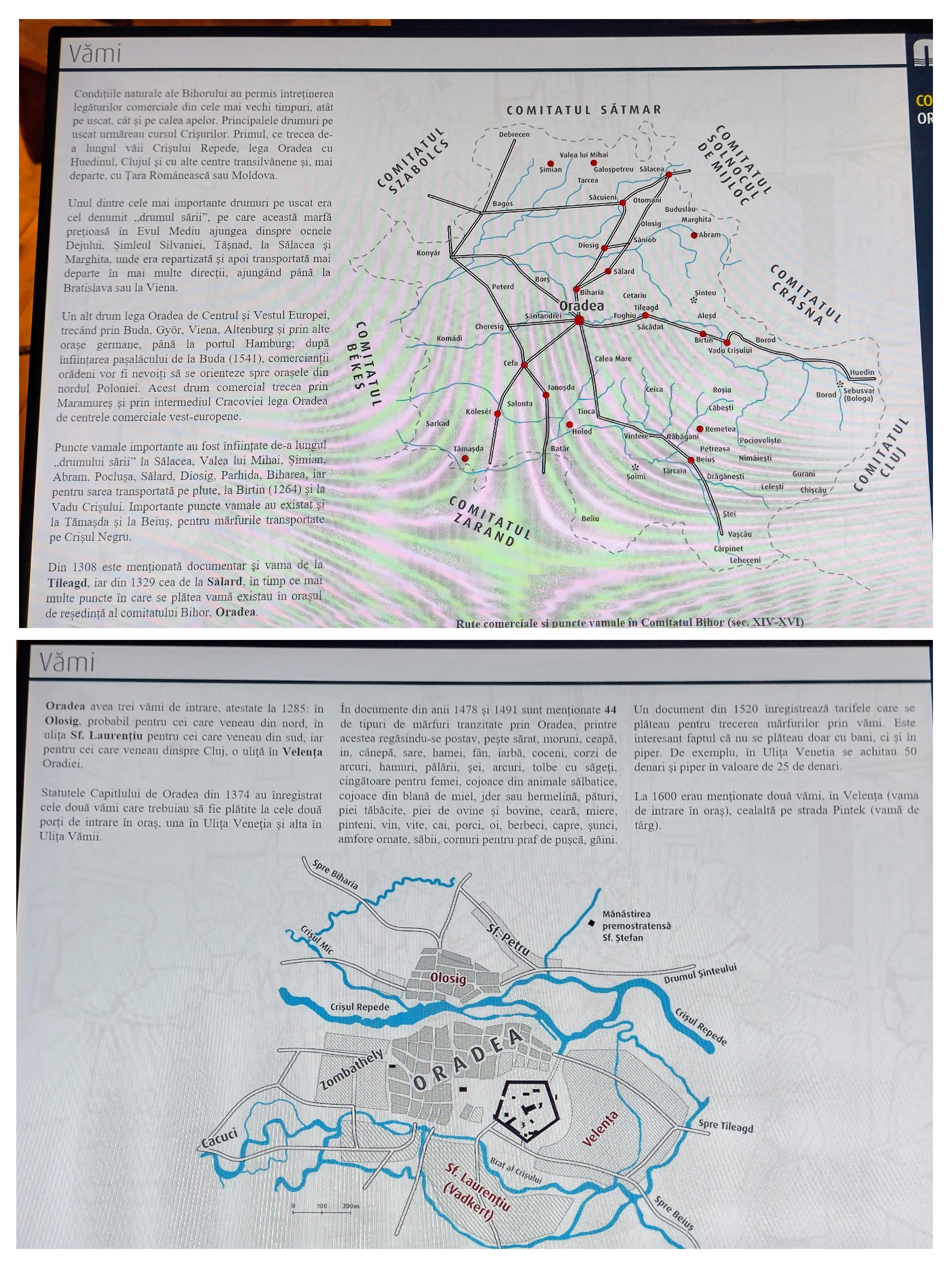
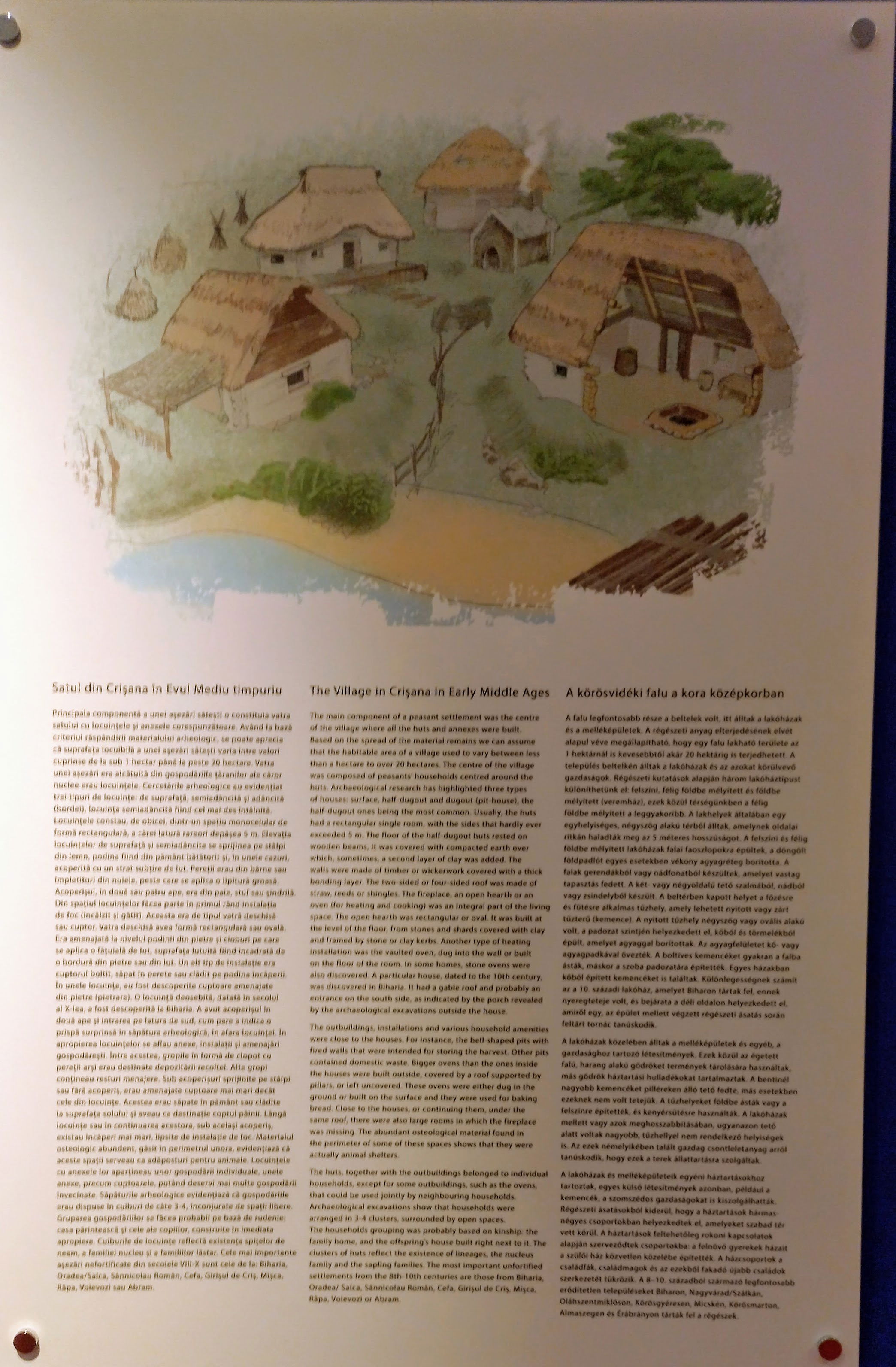
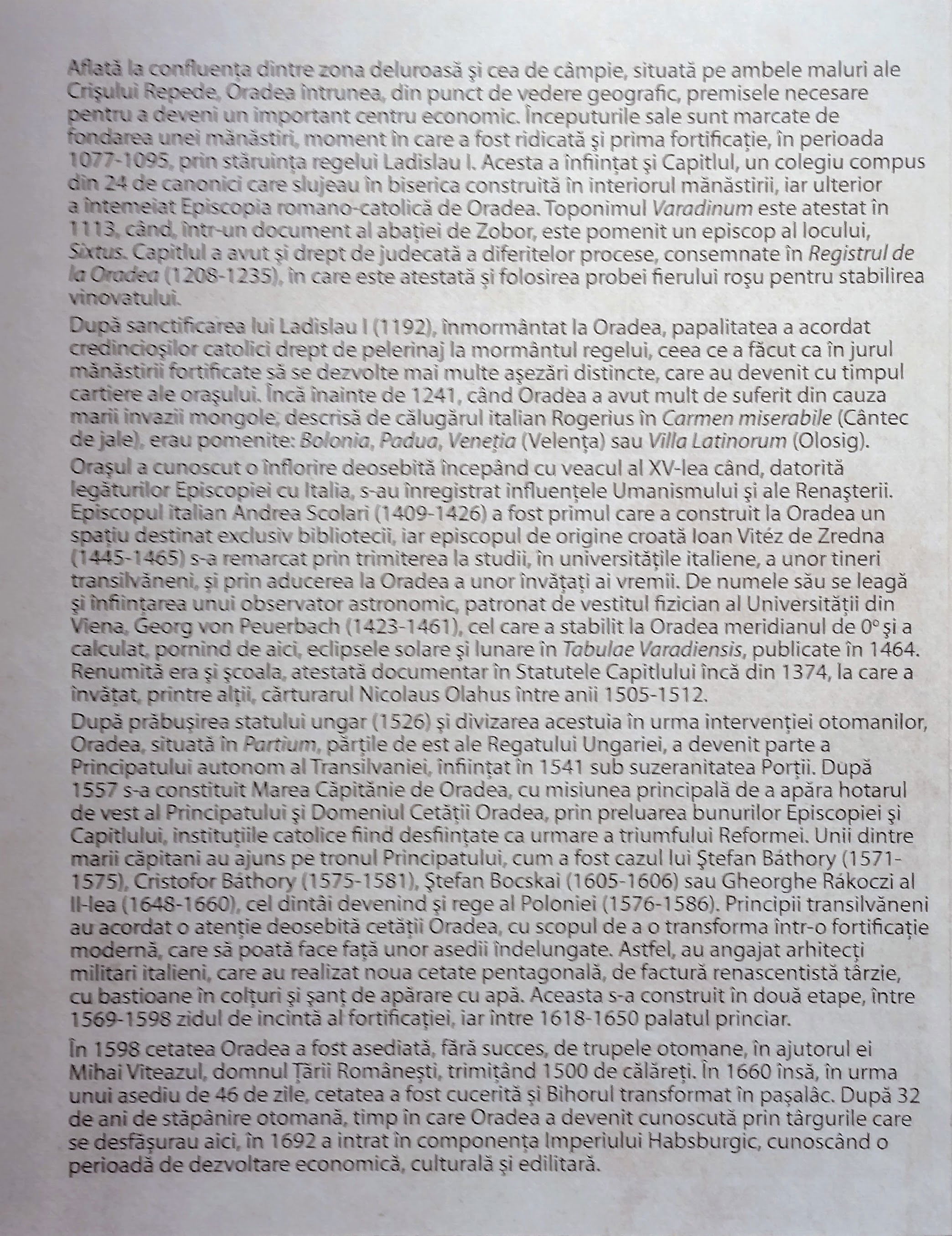
Noi, în Epoca Medievală, am intrat romani și am ieșit otomani, deci cam asta vedem și în ceea ce privește exponatele. Mai departe, aflăm istoria comitatului Bihor, a cetății Oradea și, în cele din urmă, chiar a muzeului!
We entered the Medieval Era as Romans and came out as Ottomans, and that’s pretty much what the exhibits reflect. Moving on, we learn about the history of Bihor County, the Oradea Fortress, and finally, the history of the museum itself!
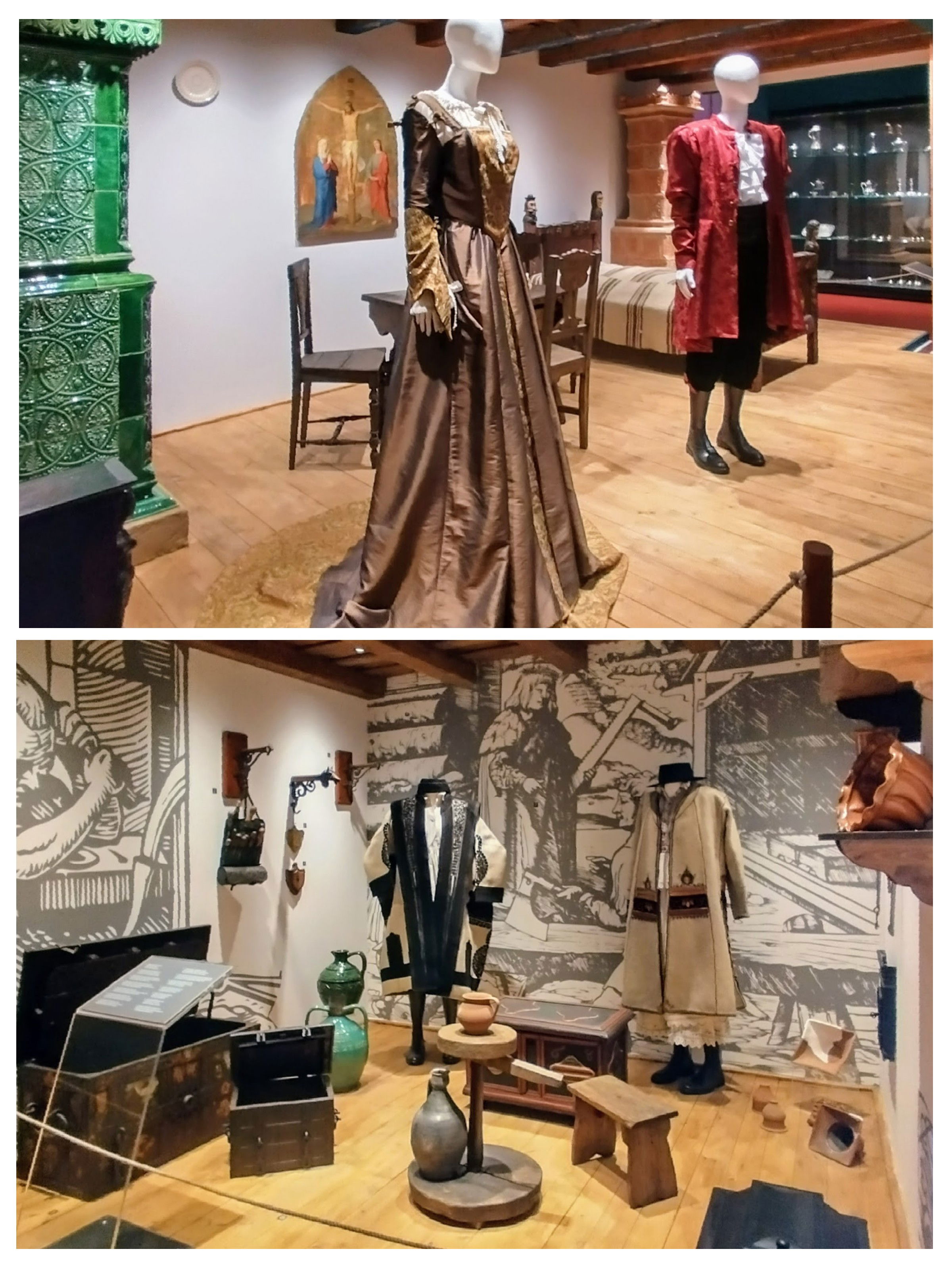
Haine: Nobili vs. țărani // Clothes: Nobles vs. peasants
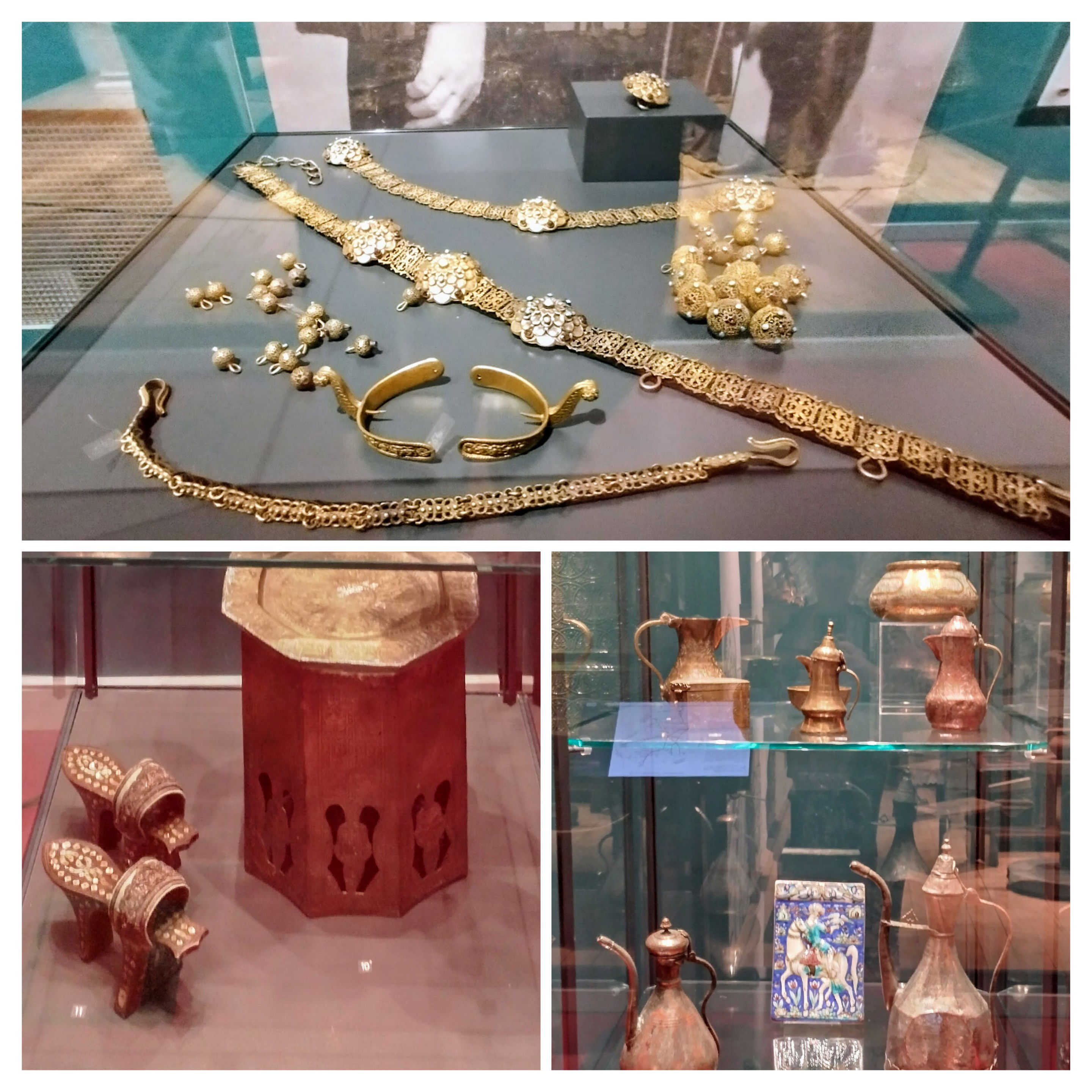
Obiecte decorative și podoabe bizantine // Bysantine decorative objects and adornements
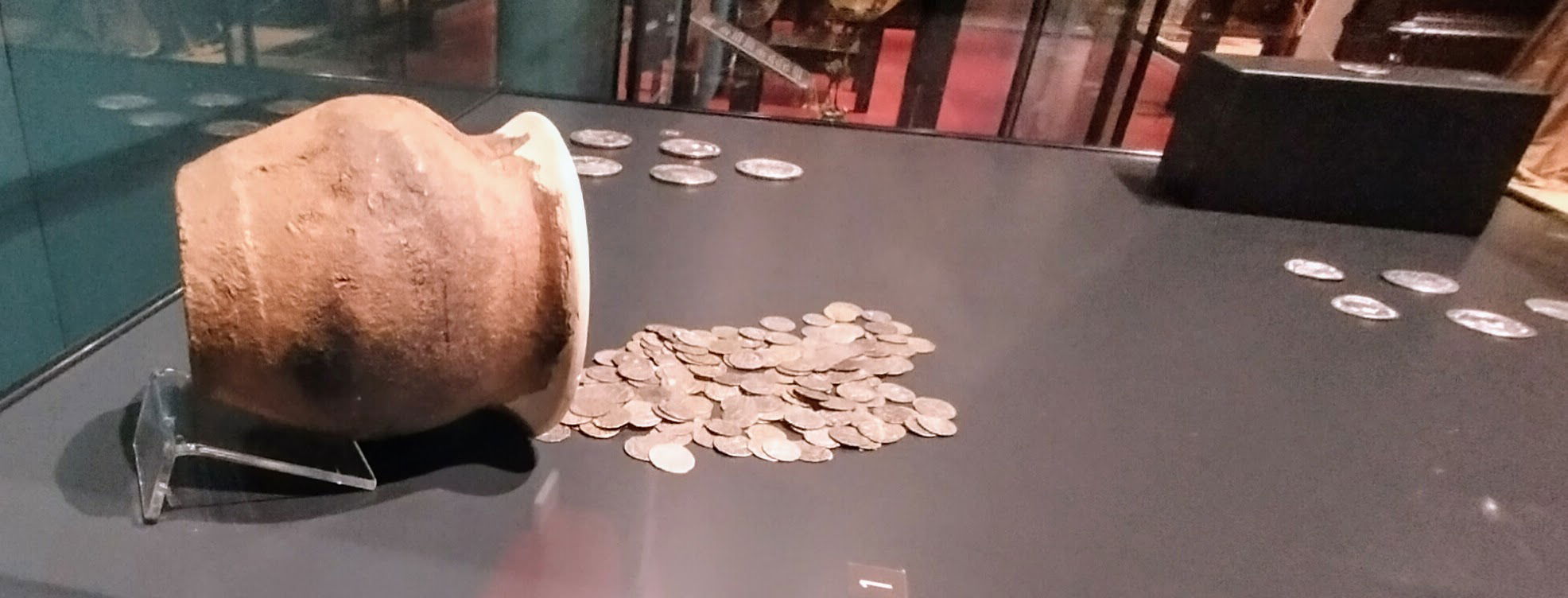
Monede în circulație (sec. XIV–XVIII) // Coins in circulation (14th–18th centuries)
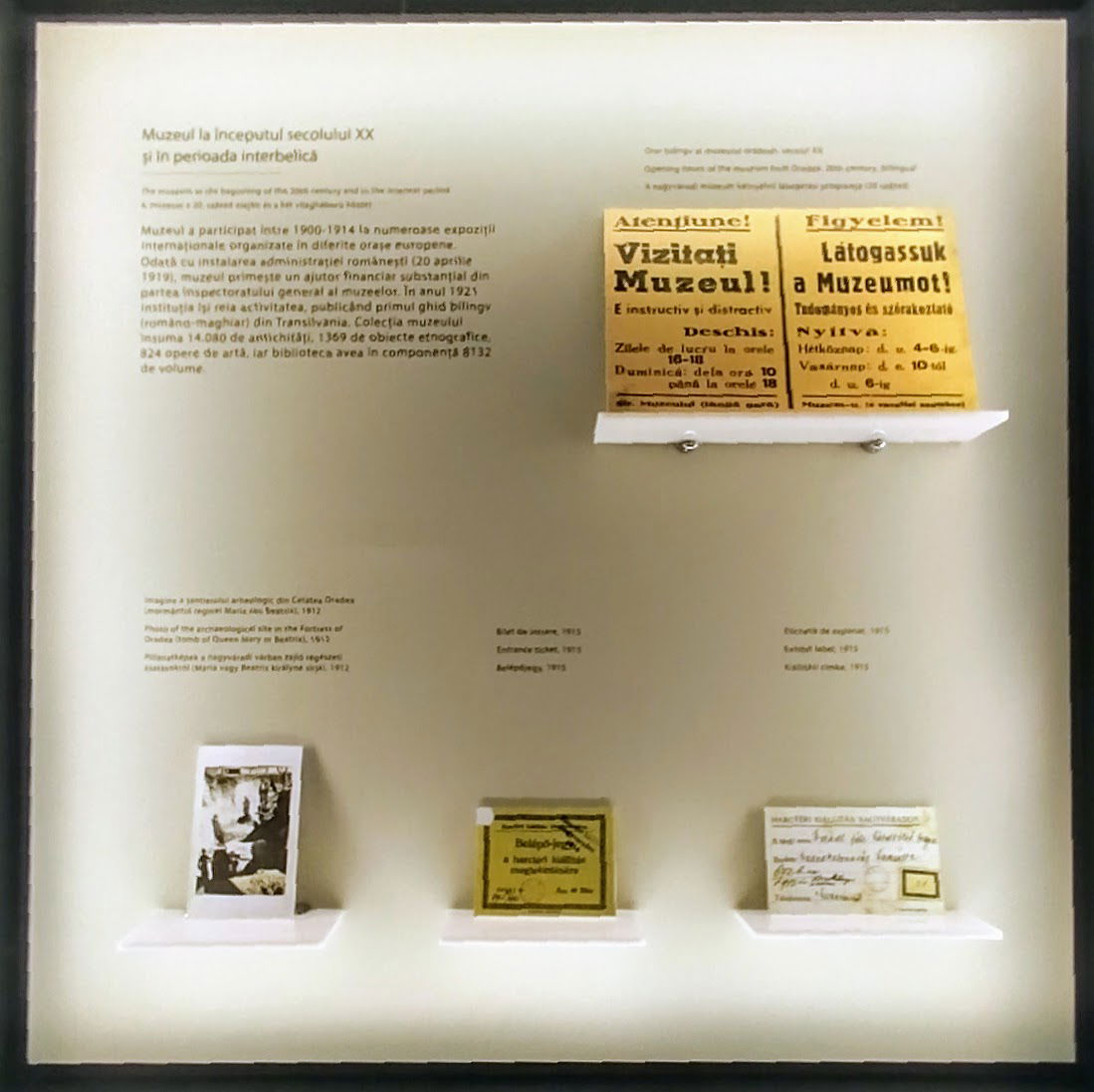
Atențiune! Vizitați Muzeul! // Attention! Visit the Museum!
Urc apoi la primul etaj, unde continuă expoziția de Istorie, pe care am ales s-o sar (văzusem istoria modernă și la Muzeul Cetății Oradea și, cum ziceam, eram un pic pe fugă) și începe expoziția de Artă. Pe holuri, între secții, se află ceva ce te transportă de la una la cealaltă - pe acesta, între Istorie și Artă, vedem o colecție de fonografe și de ceasuri, obiecte artistice… istorice.
I then went up to the first floor, where the History exhibition continues — which I chose to skip (I had already seen the modern history section at the Oradea Fortress Museum, and, as I mentioned, I was a bit short on time) — and where the Art exhibition begins. In the hallways between sections, there’s always something that connects one to the next — in this case, between History and Art, we find a collection of phonographs and clocks, artistic… historical objects.
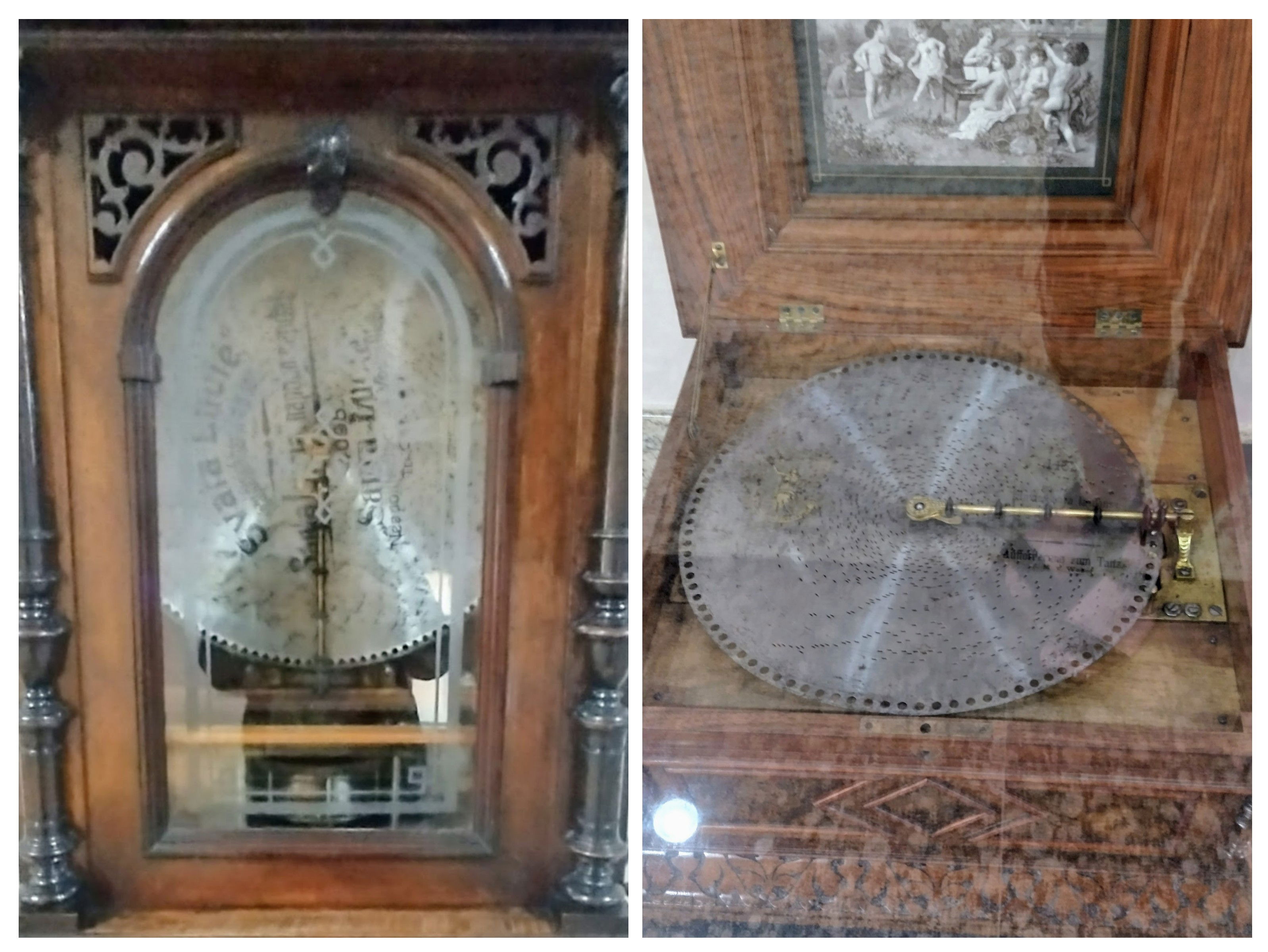
Euphonion (cca. 1897)
Deja în secția de Artă obosisem, nefiind - credeam - pasionată, dar, ca și la Topalu, arta mă surprinde plăcut! Aici putem vedea grafică, stampe și pictură, atât universale, cât și românești.
By the time I reached the Art section, I was already tired, not believing myself to be particularly passionate about it — but, as in Topalu, art pleasantly surprised me! Here you can see drawings, prints, and paintings, both international and Romanian.
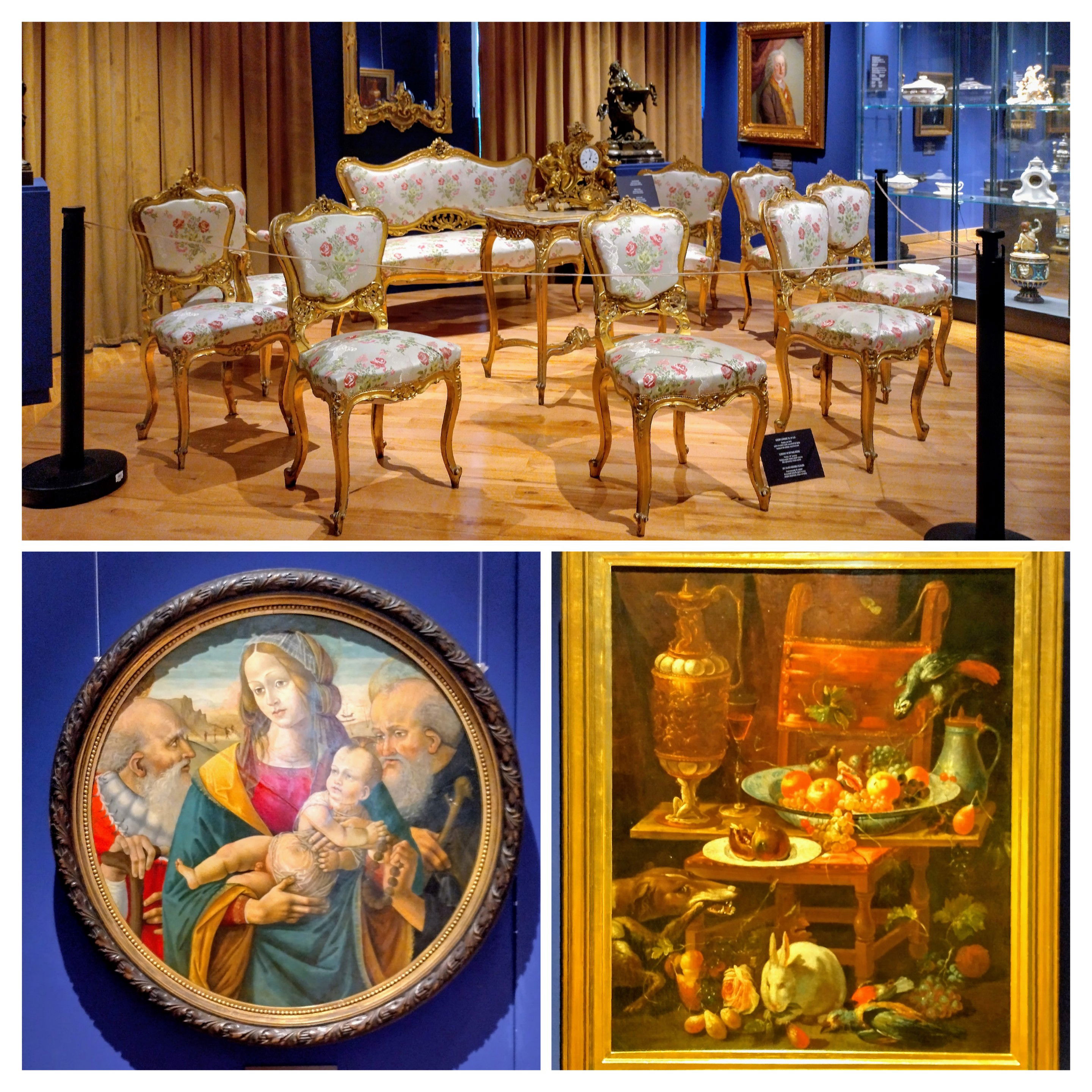
Artă barocă europeană // European baroque
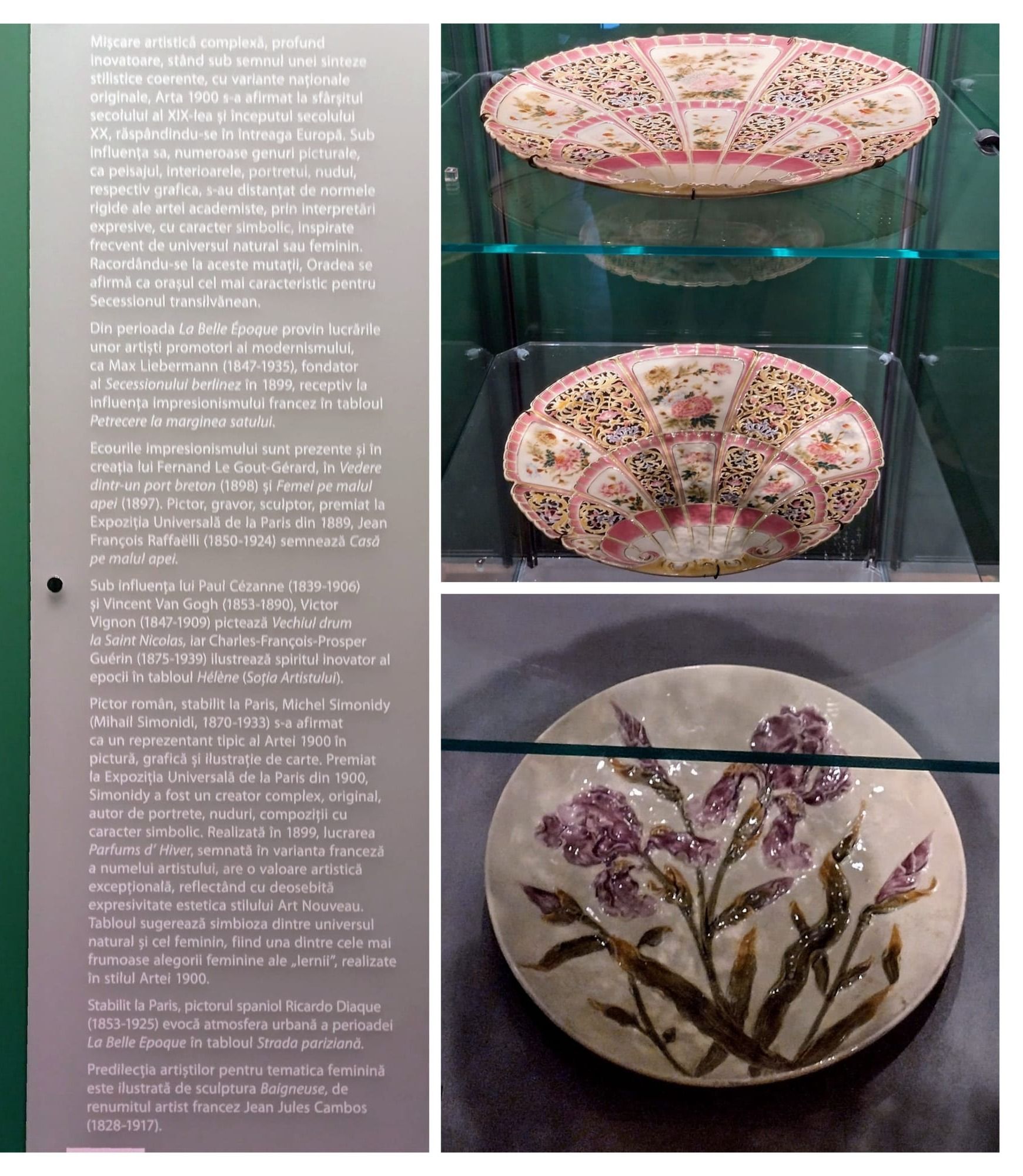
La Belle Époque
Camerele sunt dispuse în așa fel încât pereții, tapetați de lucrările unuia sau mai multor artiști, înconjoară în mijlocul camerei un stâlp pe care stau lucrări mari, reprezentative, ale acestora.
The rooms are arranged so that the walls, covered with works by one or more artists, surround in the center a pillar displaying larger, representative pieces.
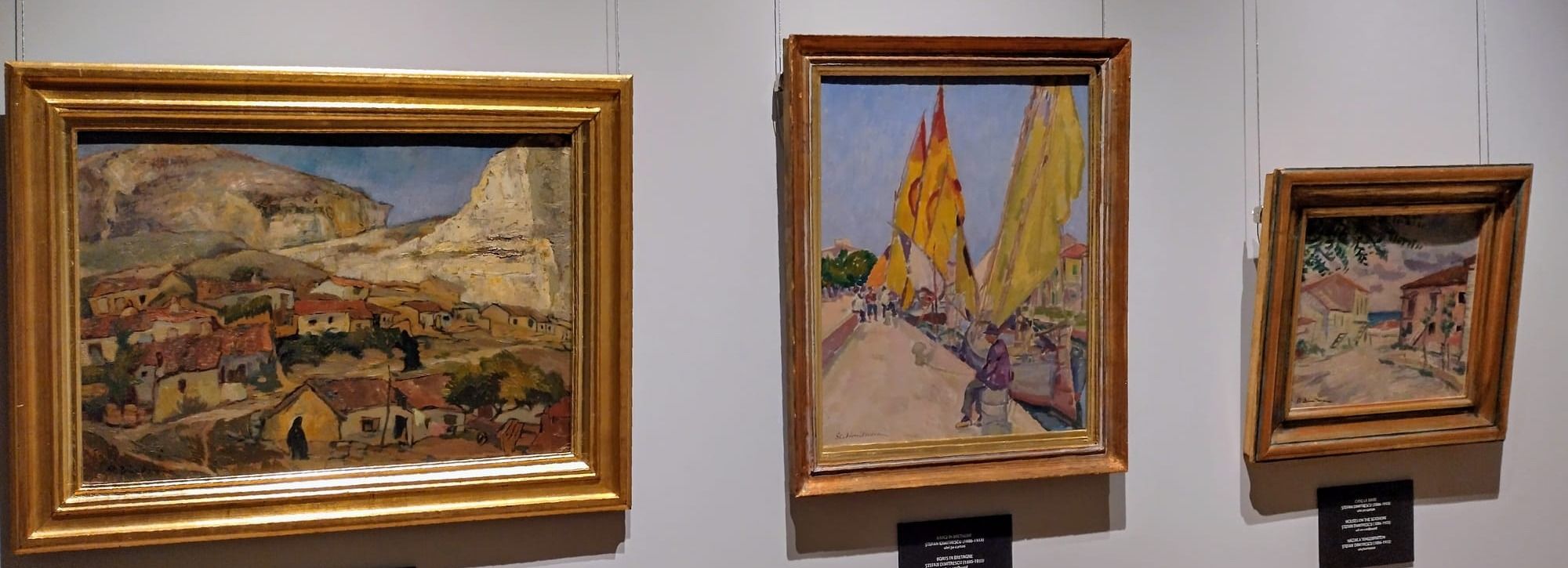
Ștefan Dimitrescu: Case la mare, Bărci în Bretagne, Case la mare // Ștefan Dimitrescu: Houses by the Sea, Boats in Brittany, Houses by the Sea
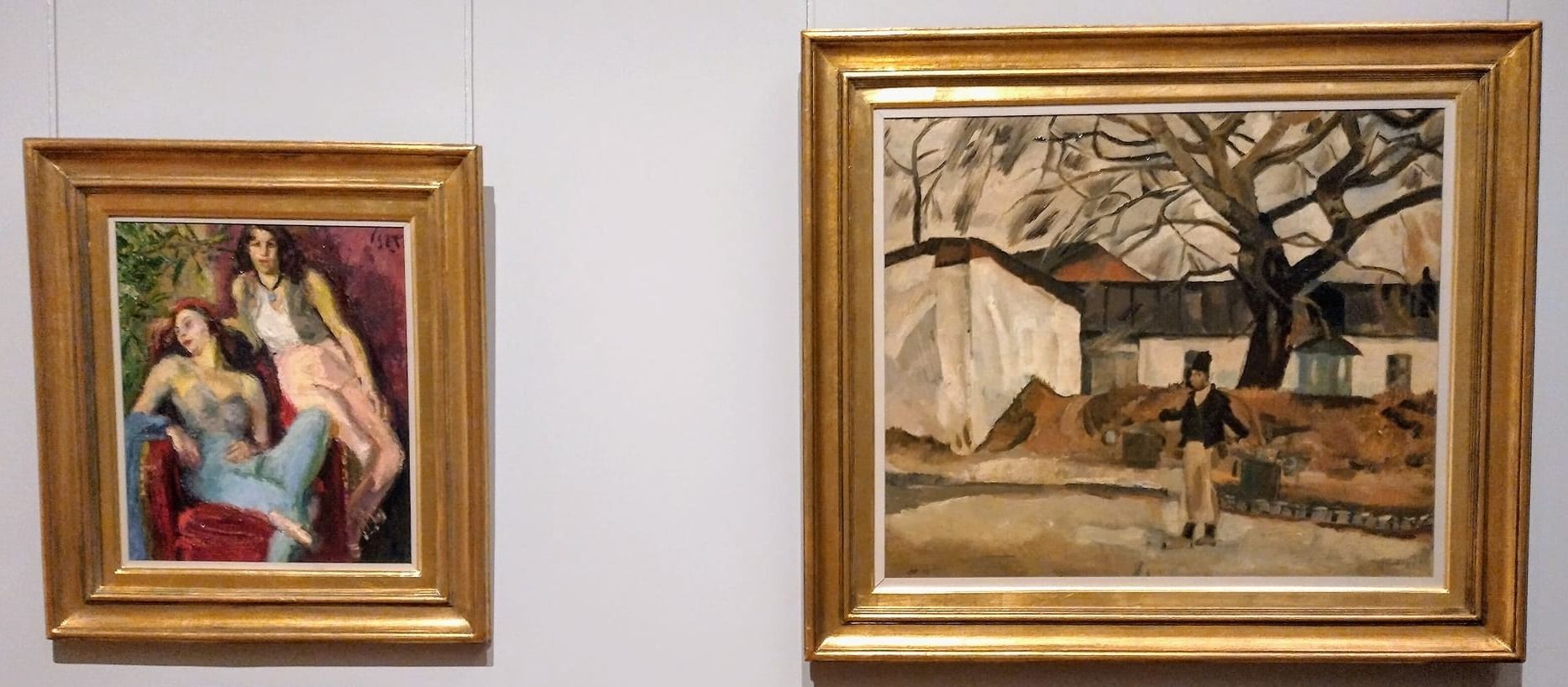
Iosif Iser: Compoziție cu două femei, La marginea Bucureștiului // Iosif Iser: Composition with Two Women, On the Outskirts of Bucharest
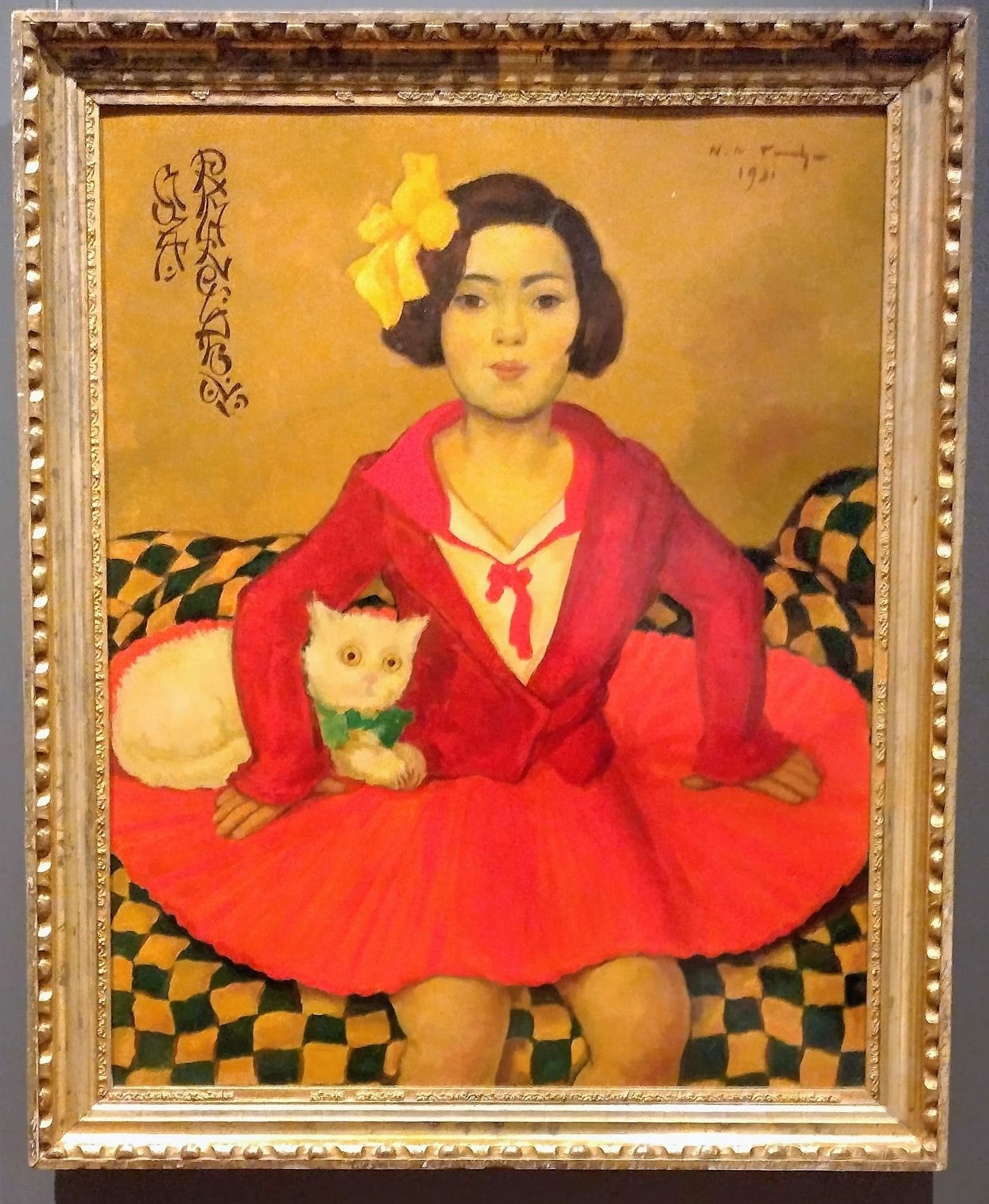
Nicolae Tonitza: Muza pamfletarului // Nicolae Tonitza: The Pamphleteer’s Muse
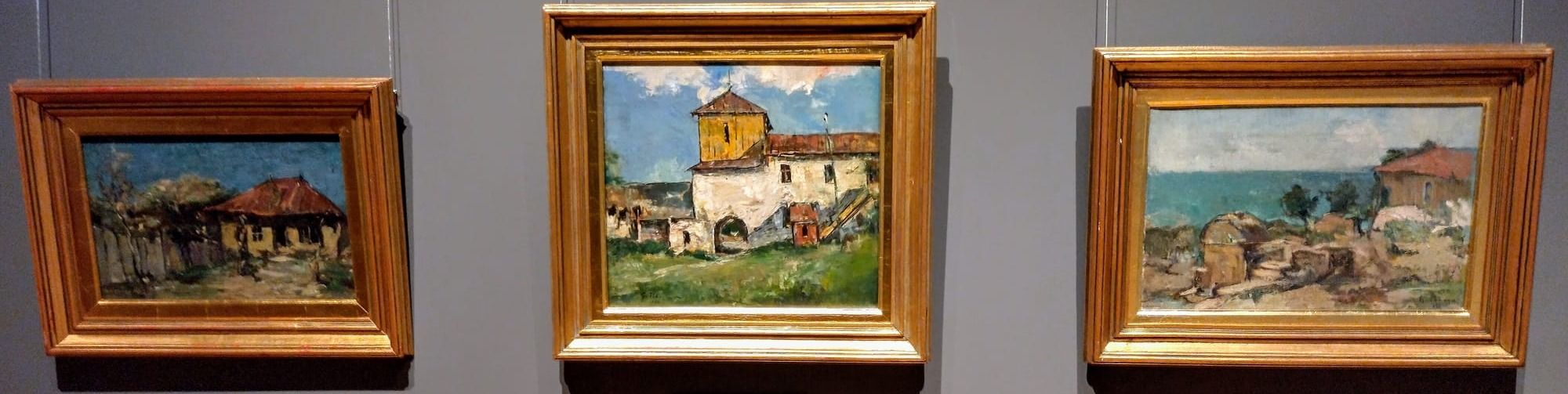
Gheorghe Petrașcu: Casă țărănească, Clopotnița bisericii din Târgoviște, Peisaj la Mangalia // Gheorghe Petrașcu: Peasant House, Church Belfry in Târgoviște, Landscape in Mangalia
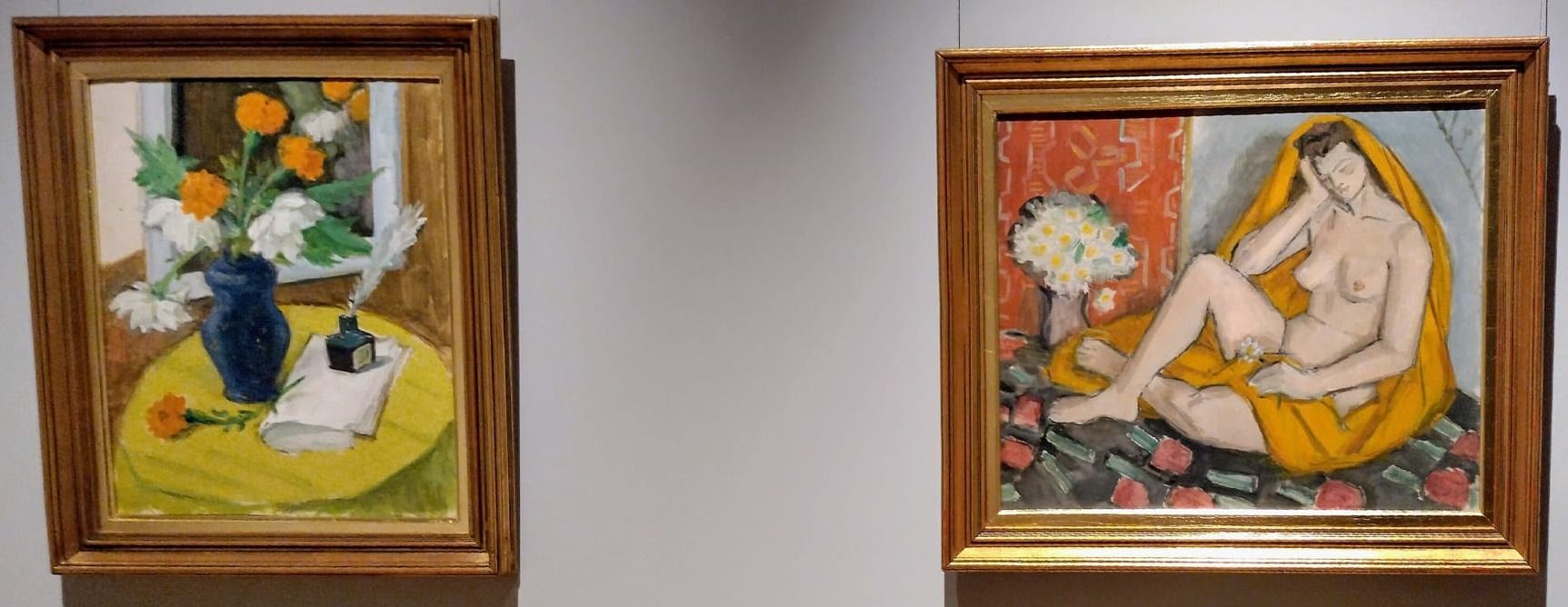
Theodor Pallady: Vas cu flori, Odaliscă // Theodor Pallady: Vase with Flowers, Odalisque
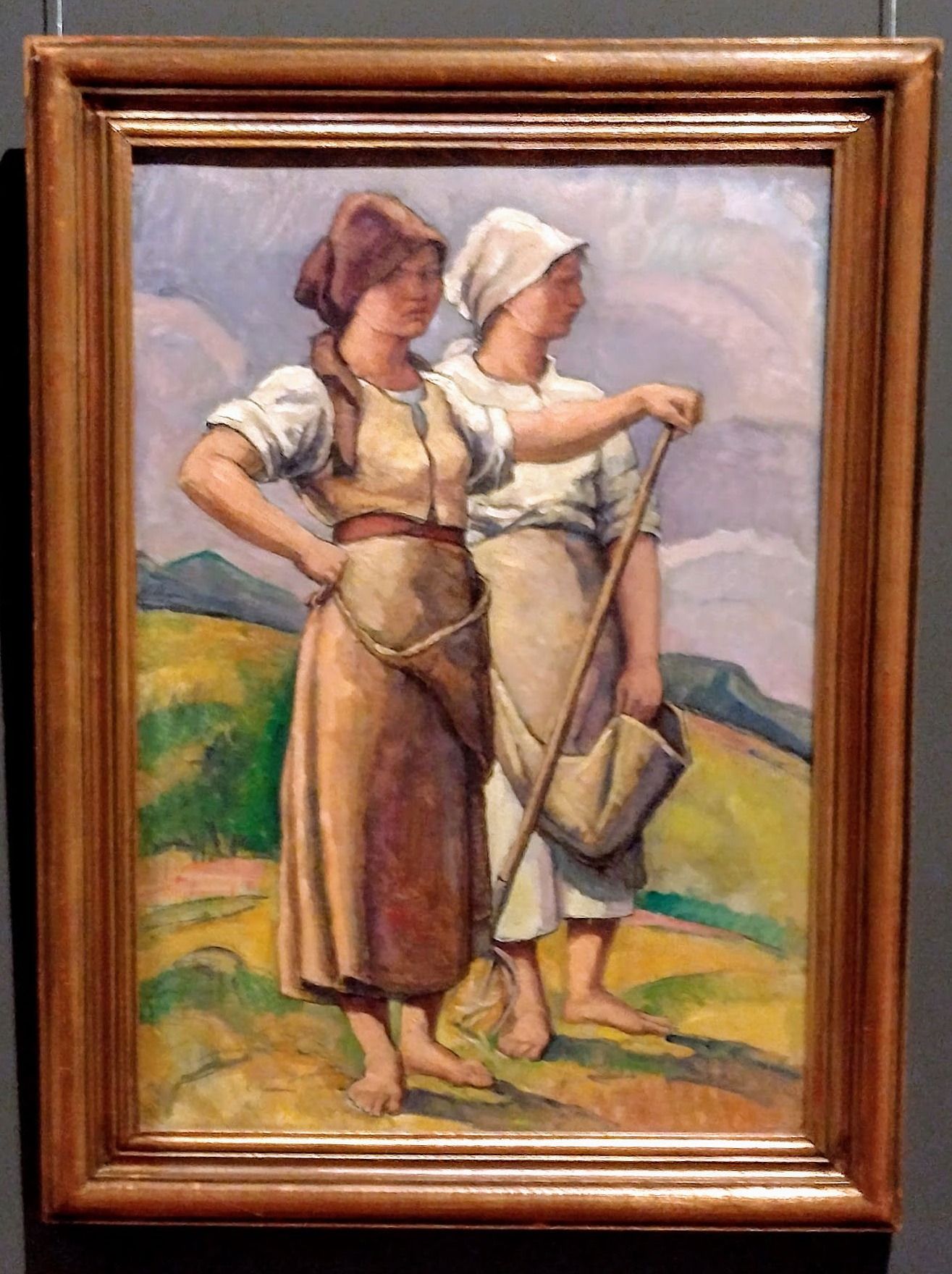
Camil Ressu: Două țărănci // Camil Ressu: Two Peasant Women
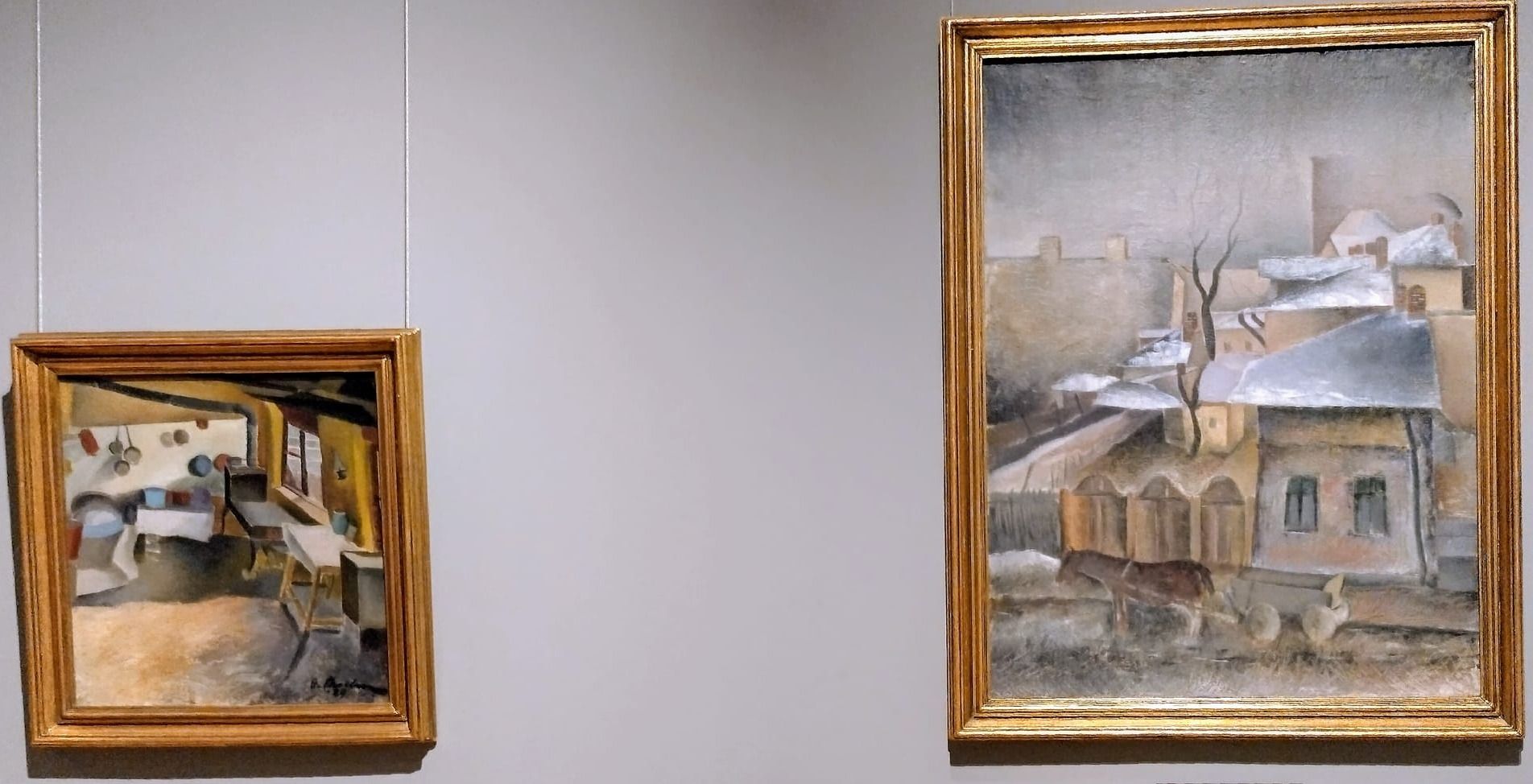
Alexandru Phoebus: Interior de bucătărie, Peisaj bucureștean // Alexandru Phoebus: Kitchen Interior, Bucharest Landscape
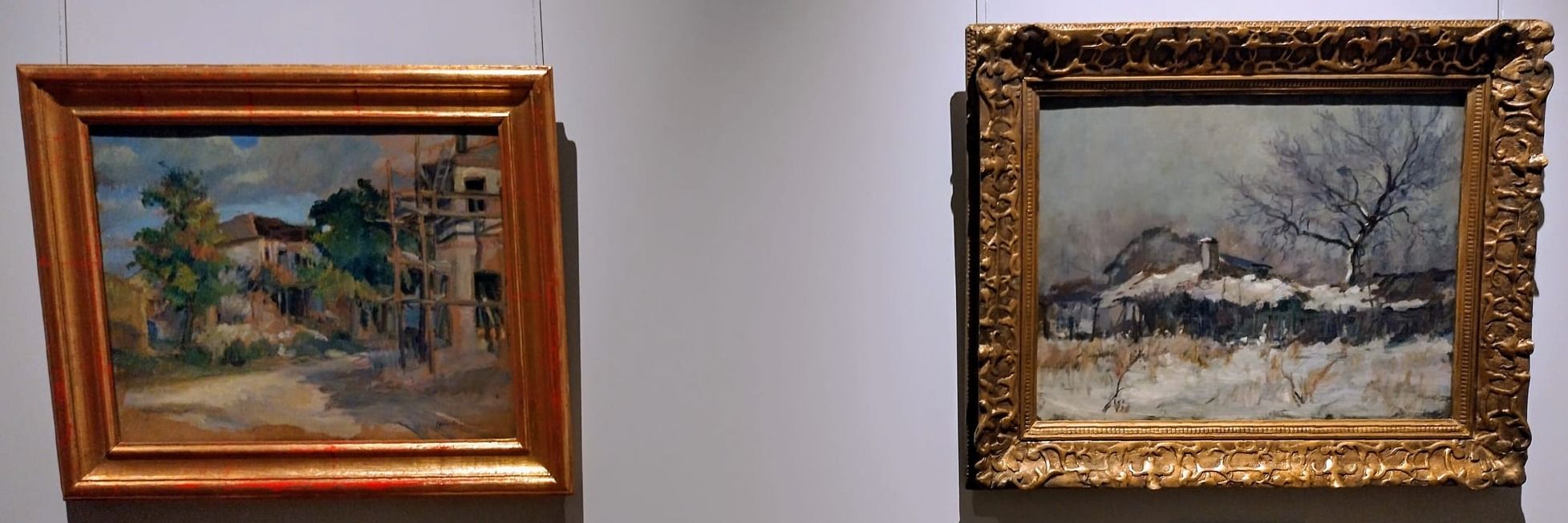
Jean Alexandru Steriadi: Casă în construcție, Peisaj de iarnă // Jean Alexandru Steriadi: House under Construction, Winter Landscape
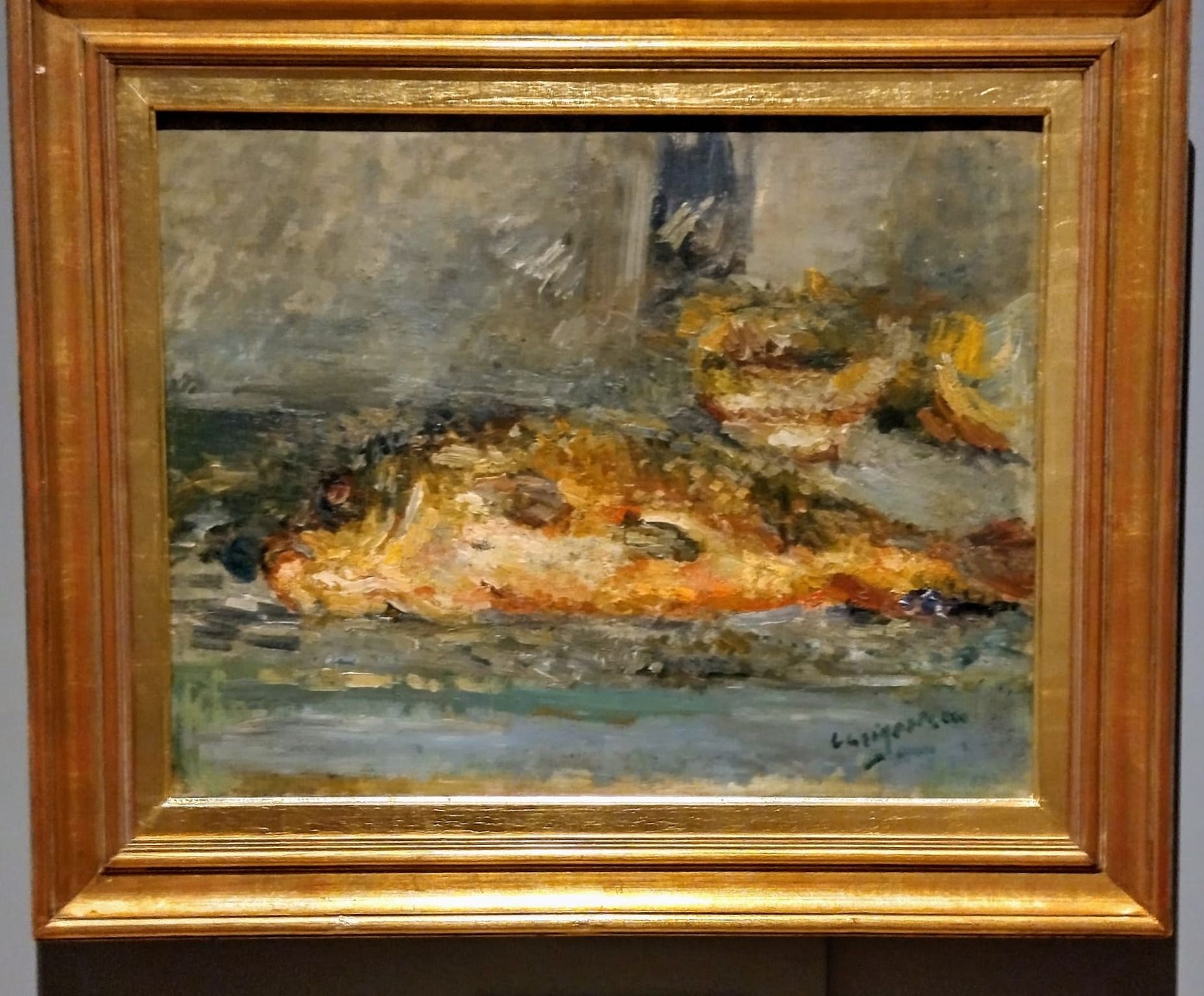
Lucian Grigorescu: Crap // Lucian Grigorescu: Carp
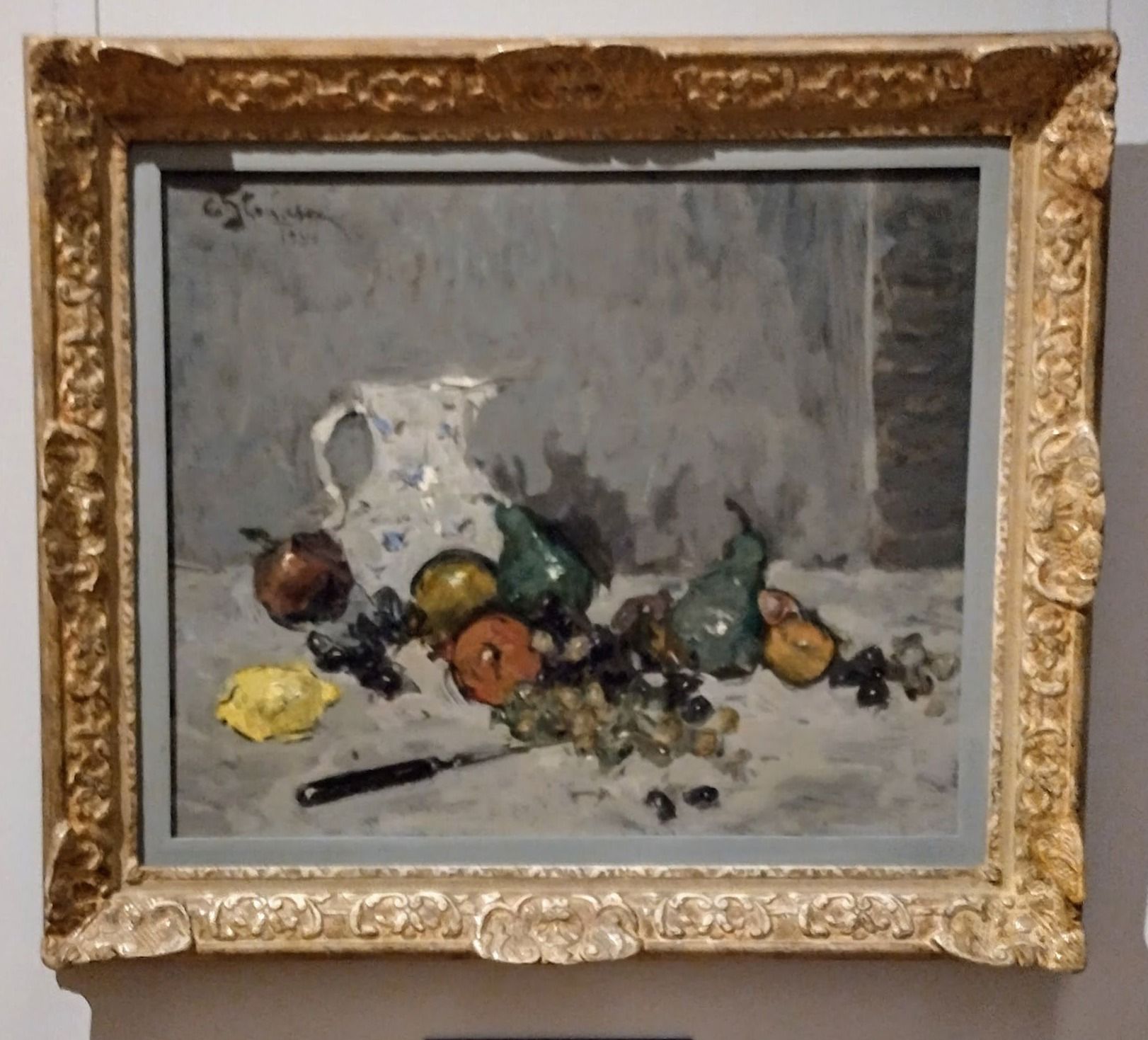
Eustațiu Stoenescu: Natură statică // Eustațiu Stoenescu: Still Life
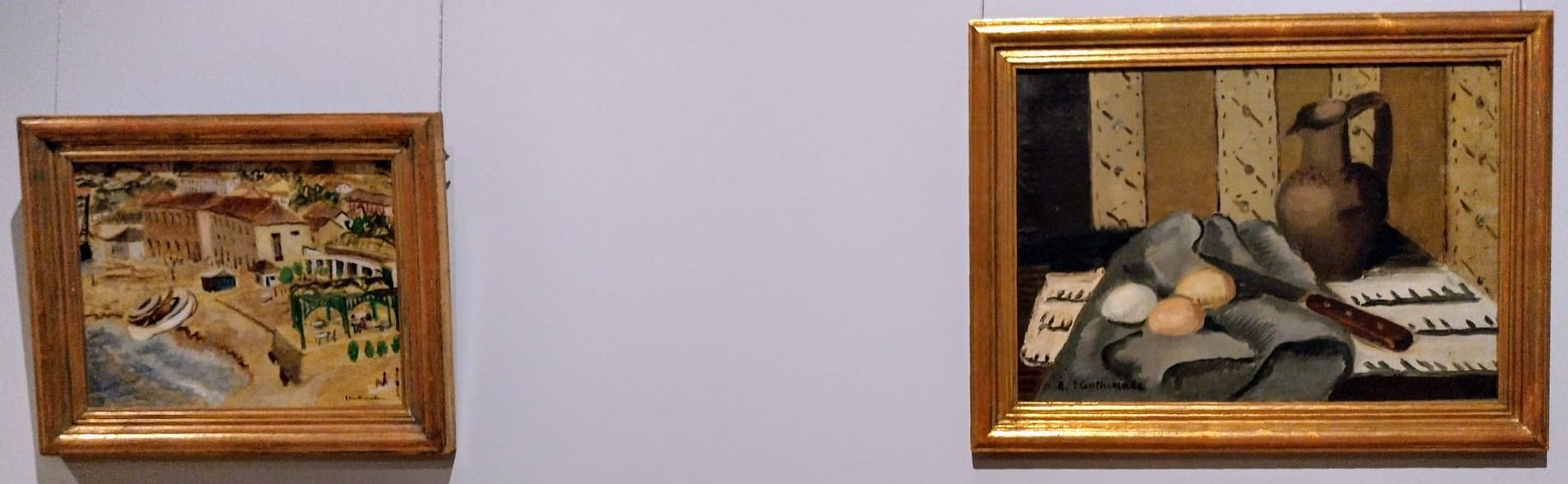
Micaela Eleutheriade: Peisaj din Balcic, Cană, cuțit și ouă // Micaela Eleutheriade: Landscape from Balchik, Jug, Knife and Eggs
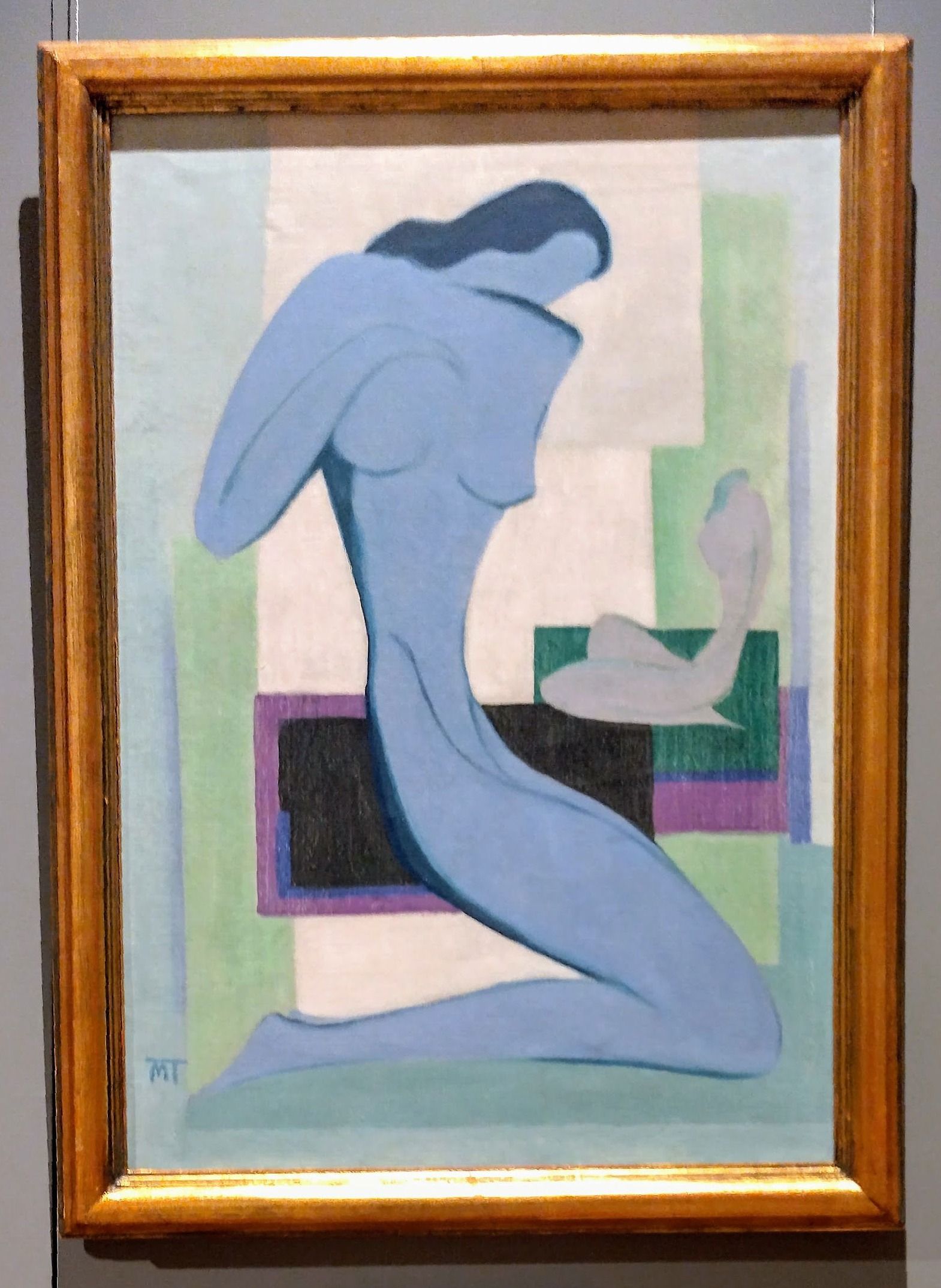
Mattis-Teutsch János: Compoziție // Mattis-Teutsch János: Composition
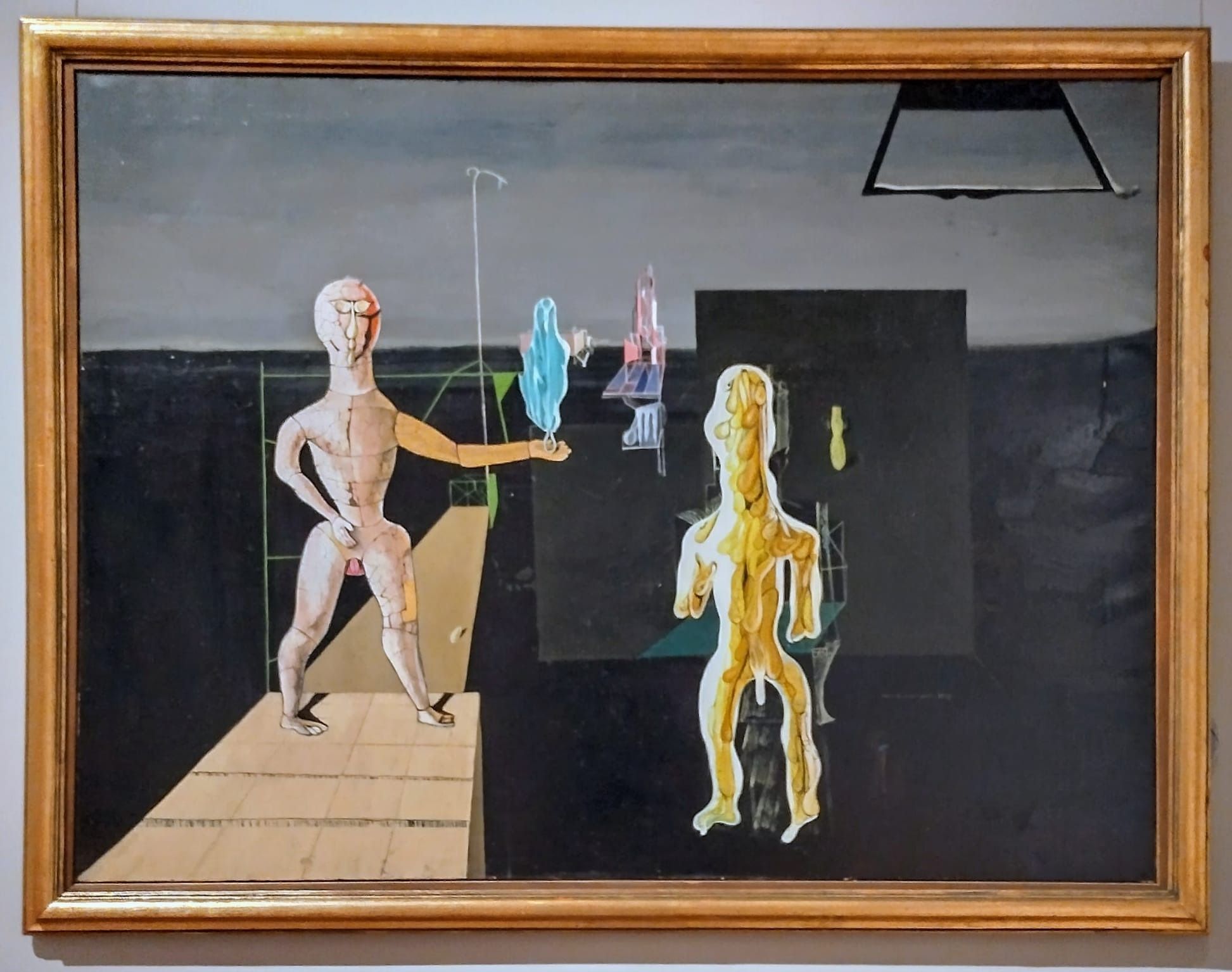
Victor Brauner: Flacără albastră // Victor Brauner: Blue Flame
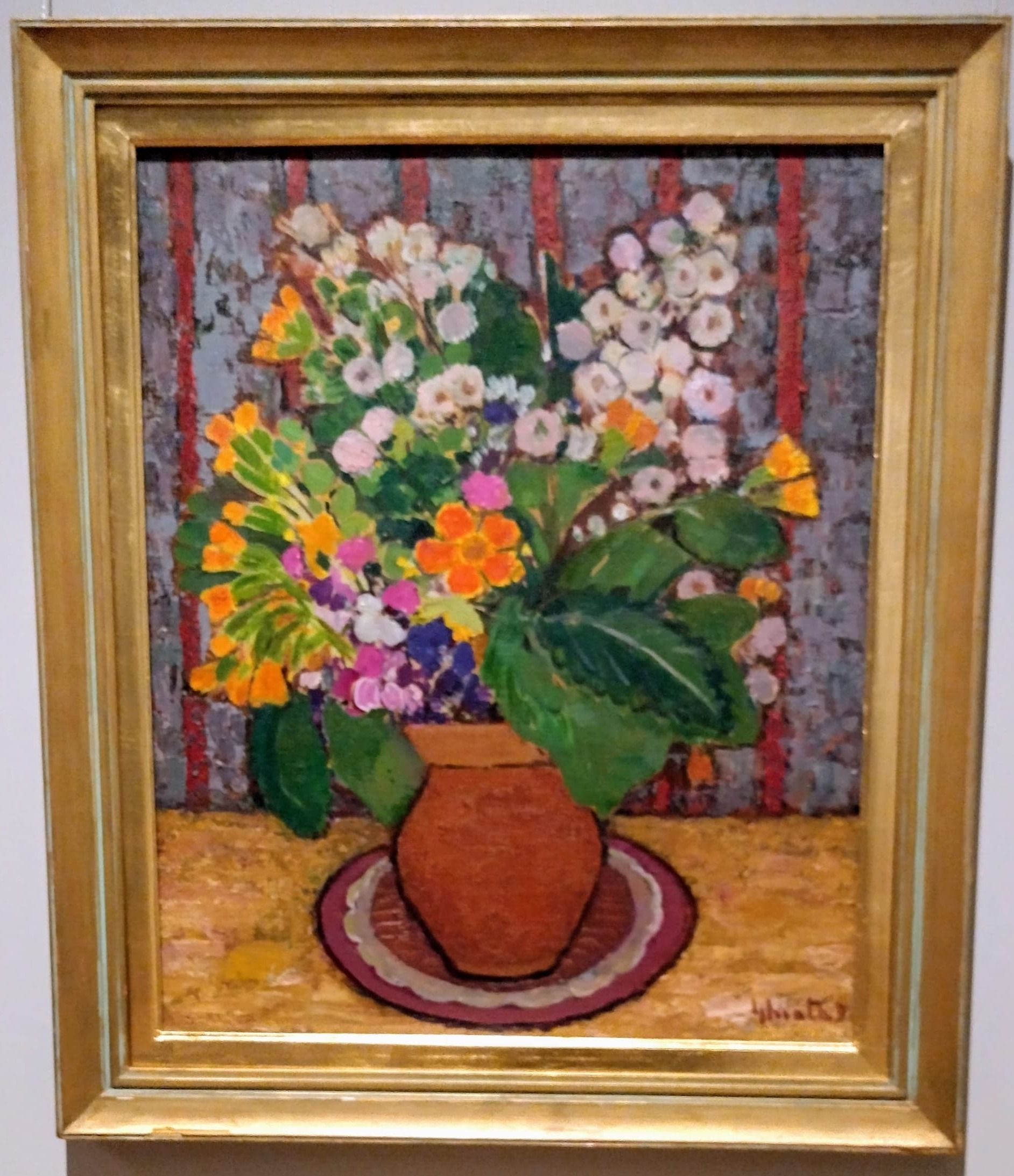
Dumitru Gheață: Flori carpatine // Dumitru Gheață: Carpathian Flowers
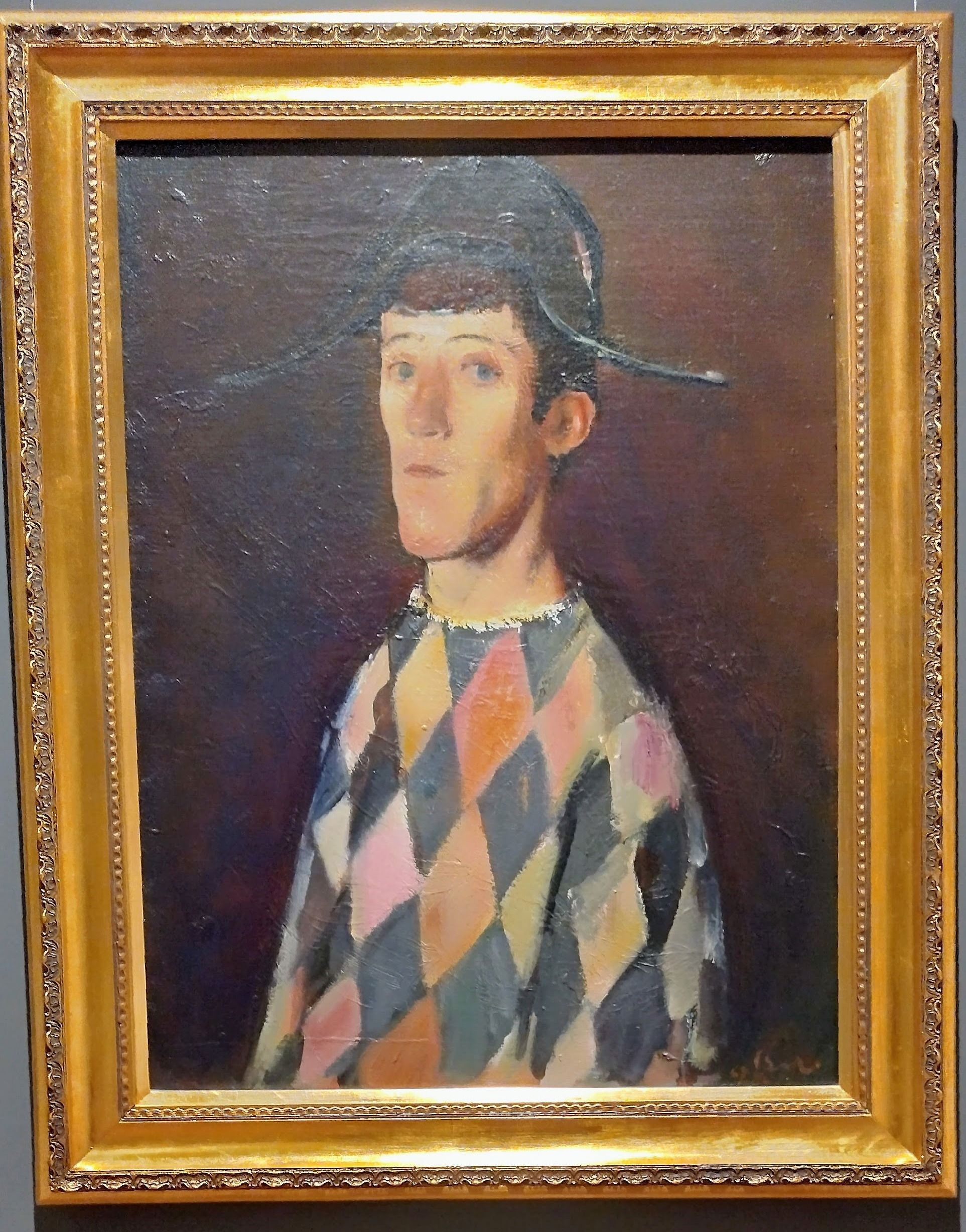
Corneliu Baba: Arlechin // Corneliu Baba: Harlequin
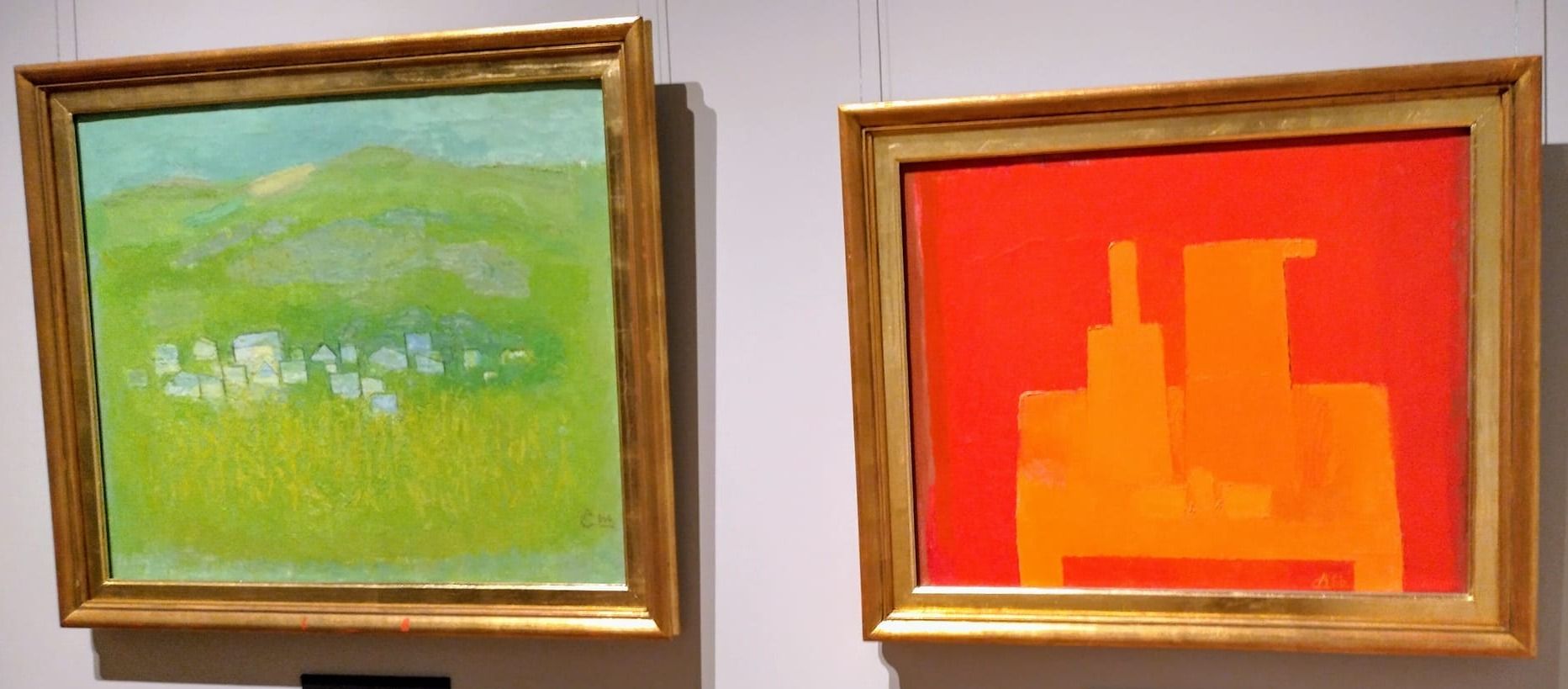
Alexandru Ciucurencu: Peisaj, Natură statică în roșu // Alexandru Ciucurencu: Landscape, Still Life in Red
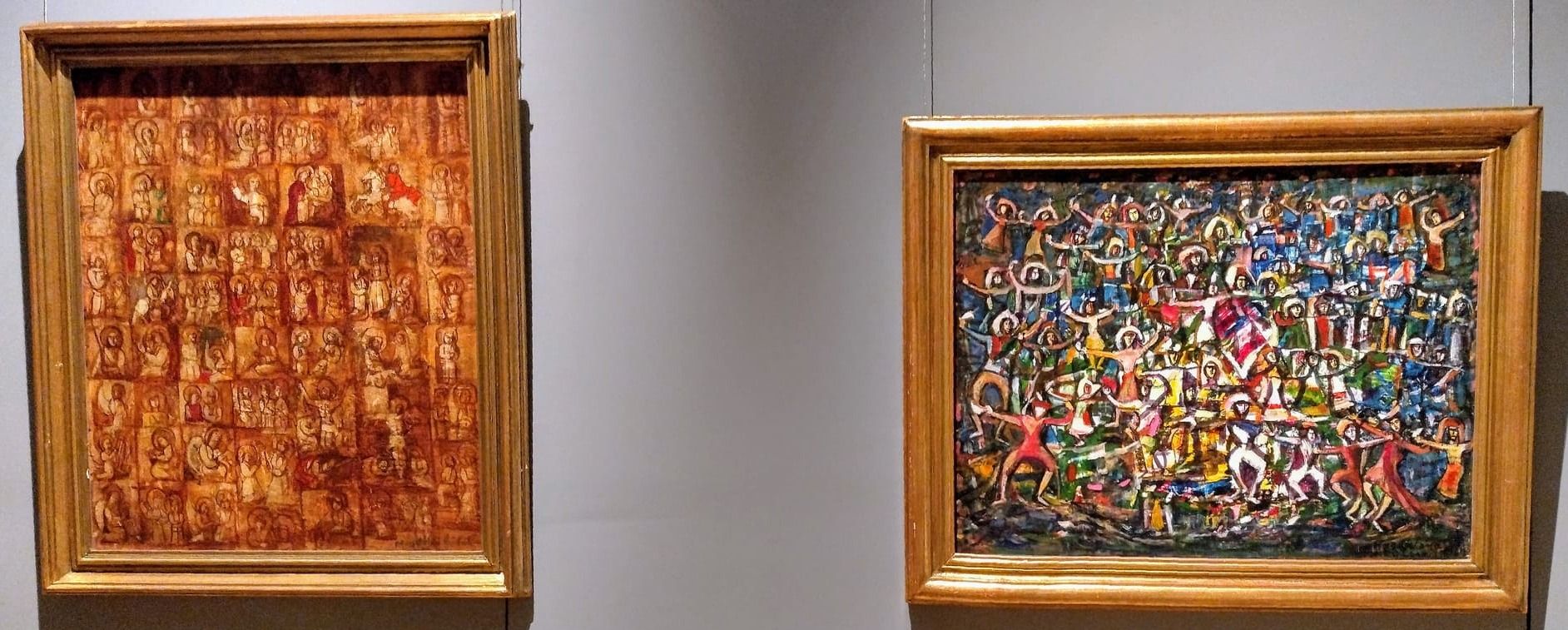
Magdalena Rădulescu: Scene în medalioane, Dans popular // Magdalena Rădulescu: Scenes in Medallions, Folk Dance
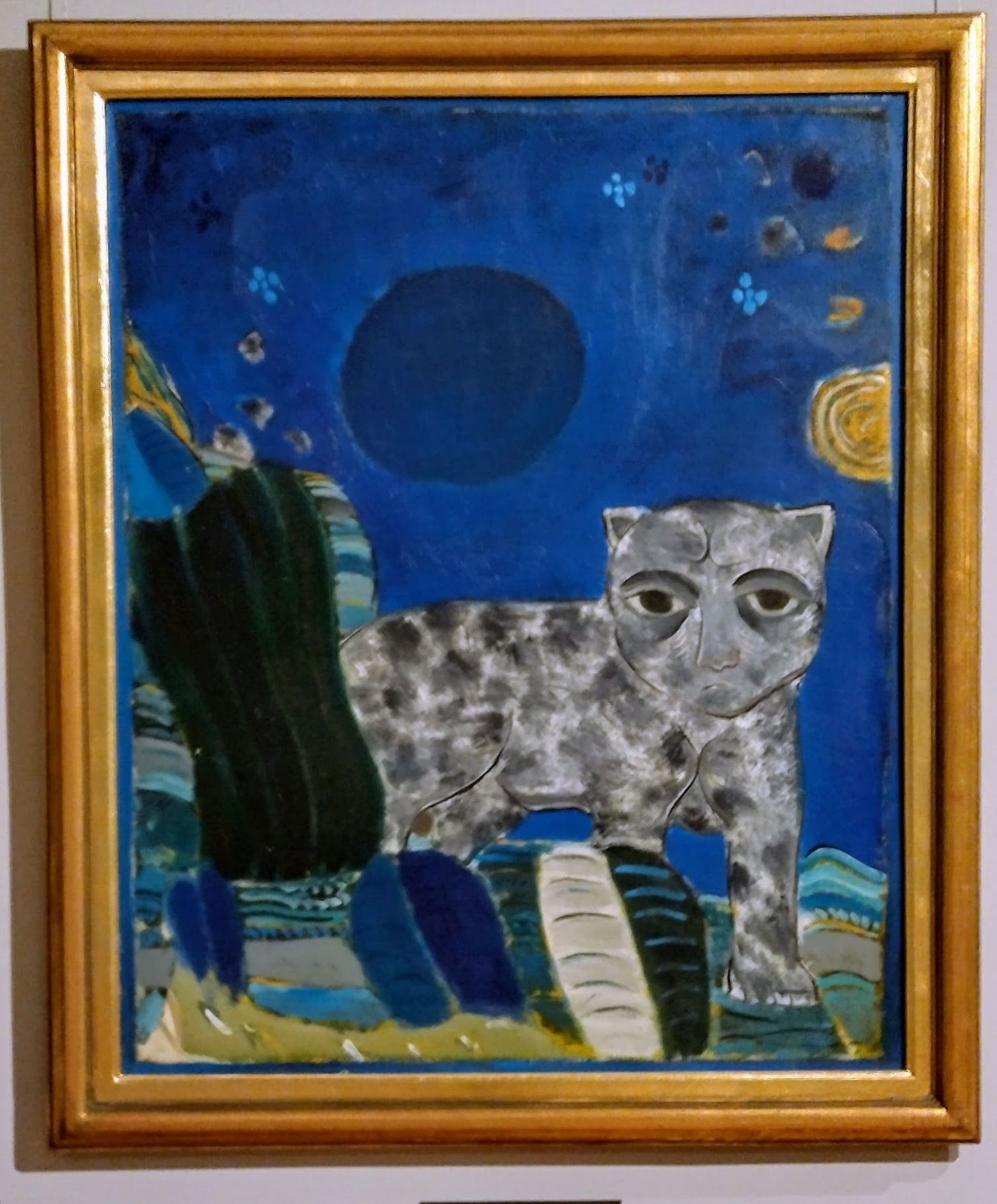
Ion Alin Gheorghiu: Pisica // Ion Alin Gheorghiu: The Cat
Alături, sunt presărate lucrări de sculptură sau obiecte decorative.
Nearby are scattered sculptures and decorative objects.
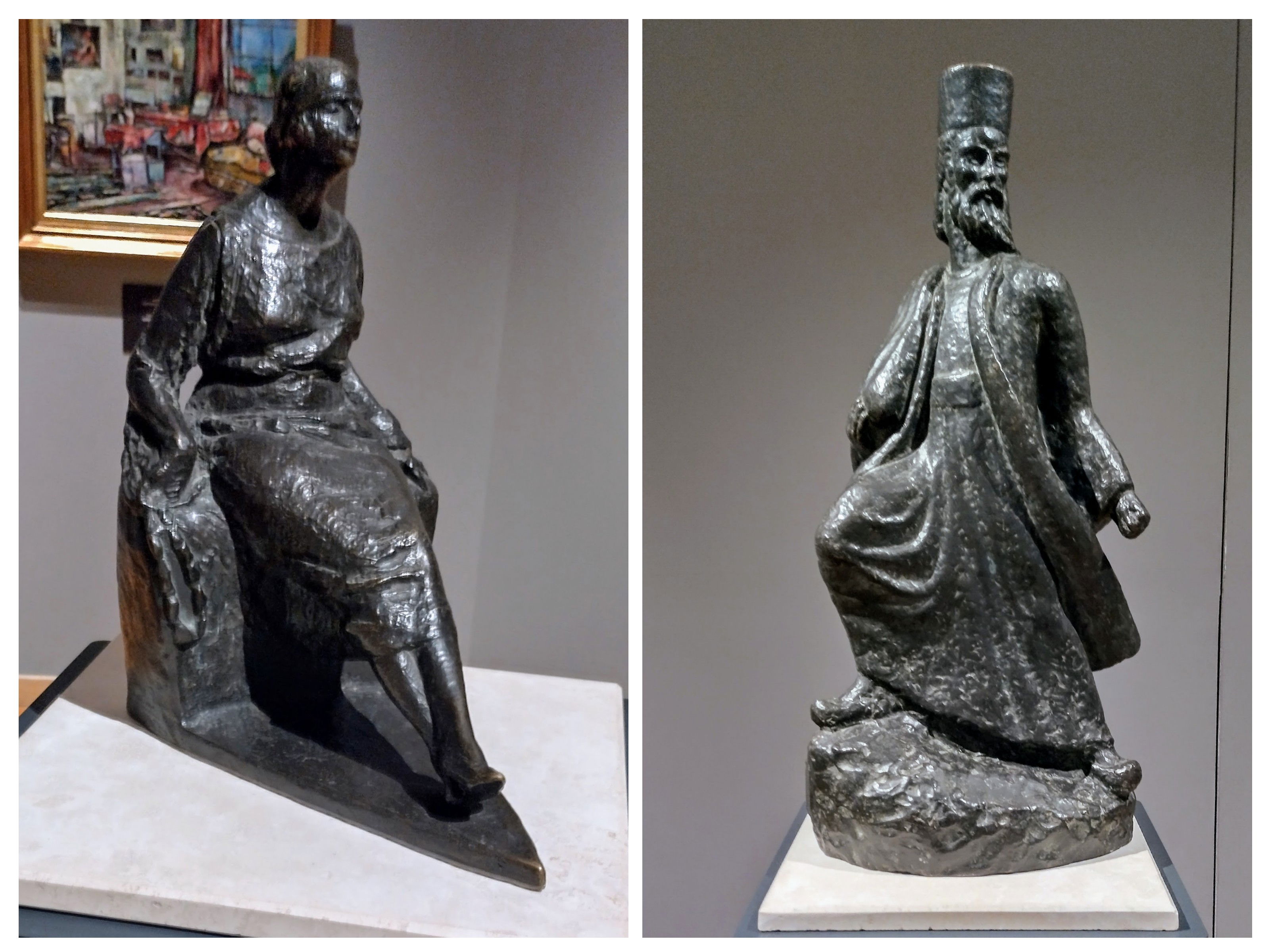
Oscar Han: Portretul Claudiei Millian, Călugăr // Oscar Han: Portrait of Claudia Millian, Monk
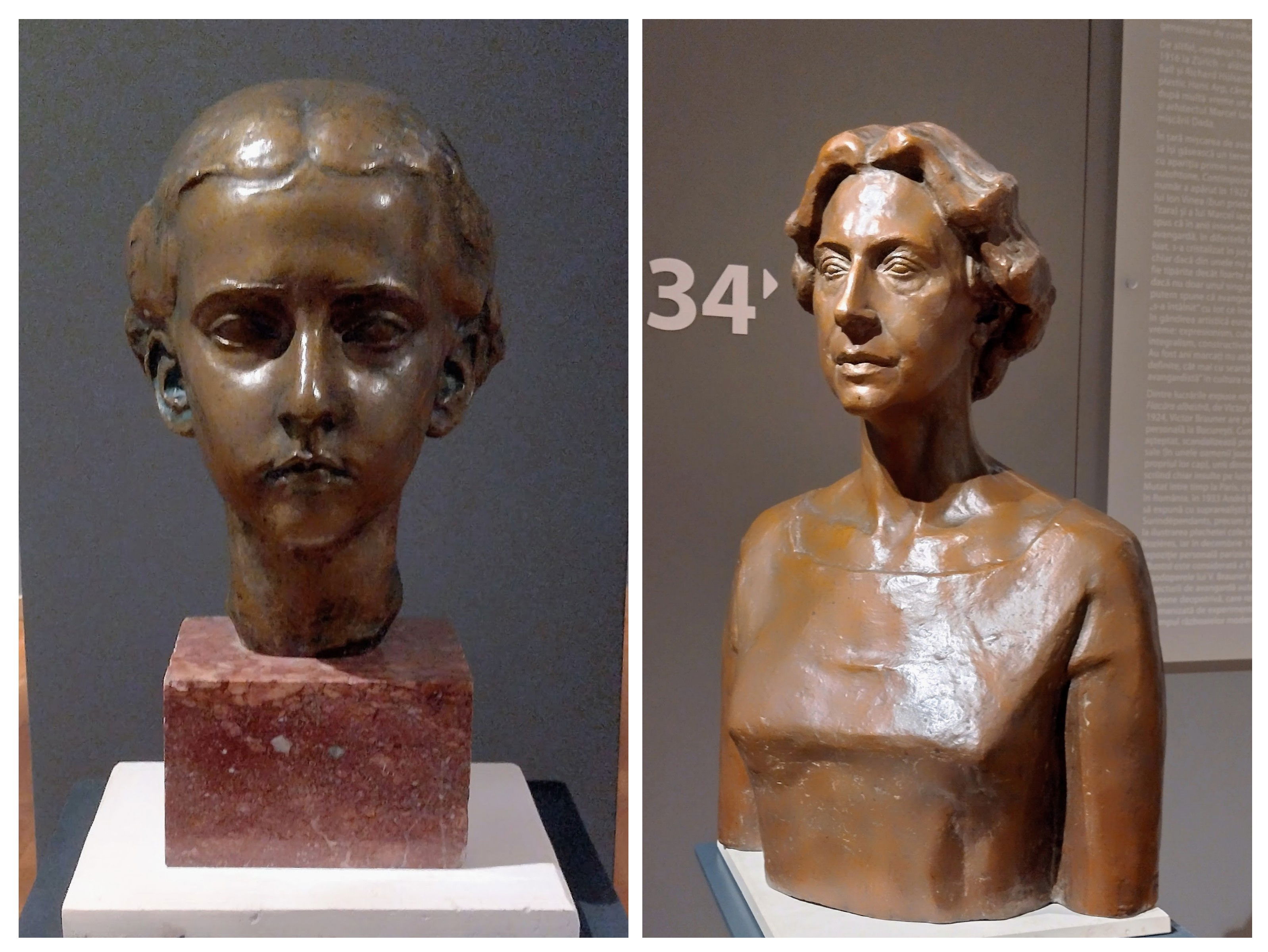
Gheorghe Anghel: Cap de fetiță, Portretul pianistei Silvia Șerbescu // Gheorghe Anghel: Little Girl’s Head, Portrait of the Pianist Silvia Șerbescu
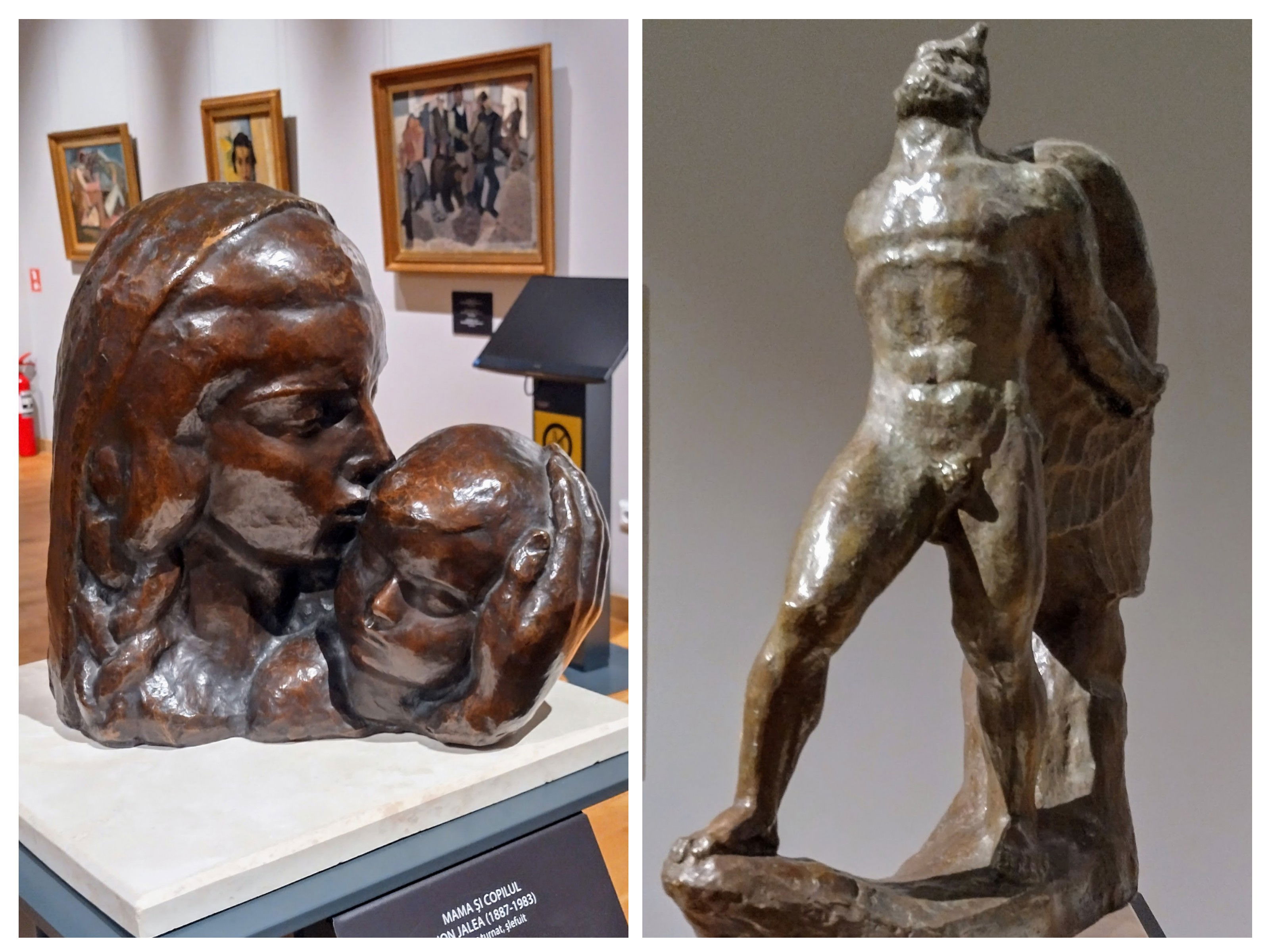
Ion Jalea: Mama și copilul, Lucifer // Ion Jalea: Mother and Child, Lucifer
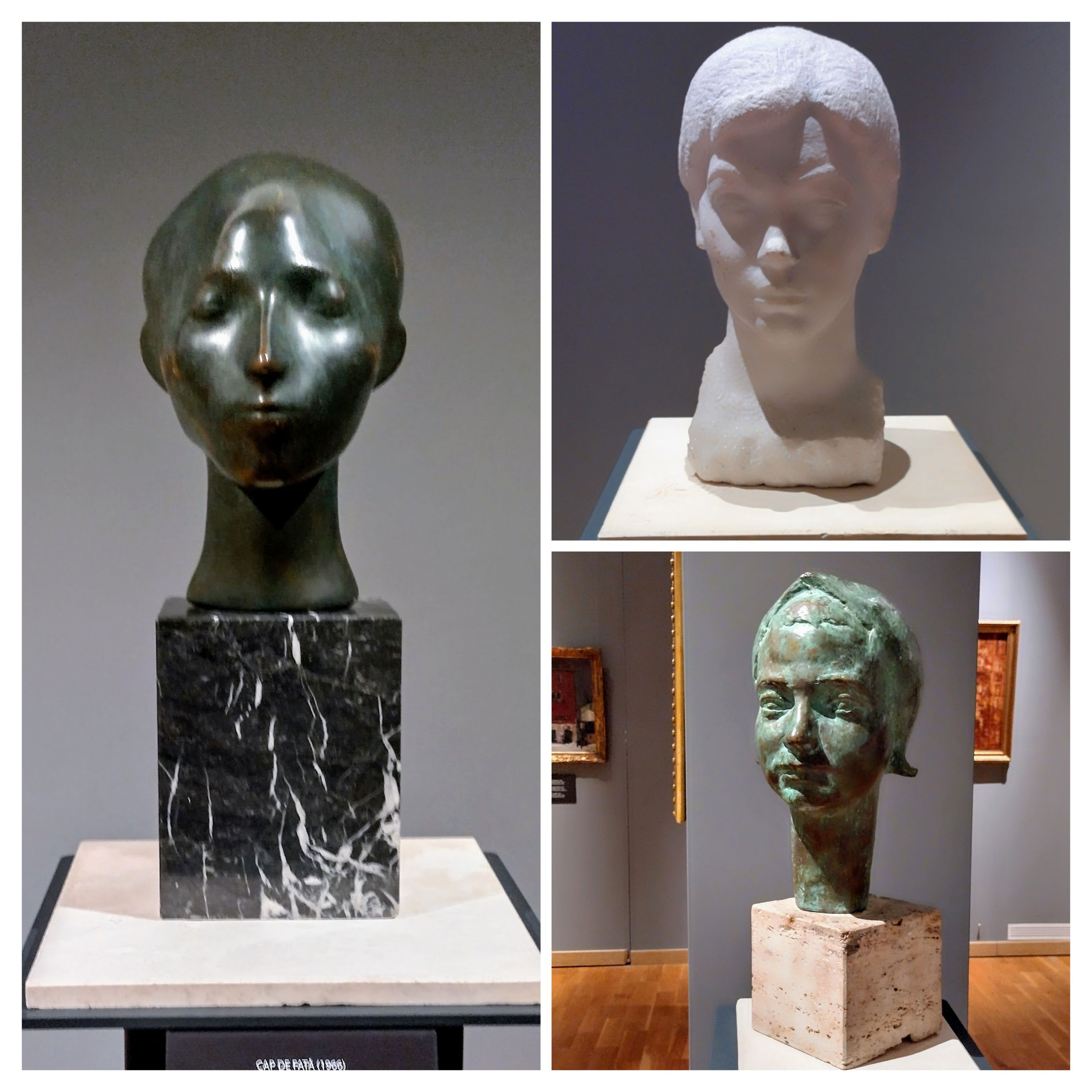
Studii: Cap de fată (Iulia Oniță, Szabó József, Marcel Guguianu) // Studies: Girl’s Head (Iulia Oniță, Szabó József, Marcel Guguianu)
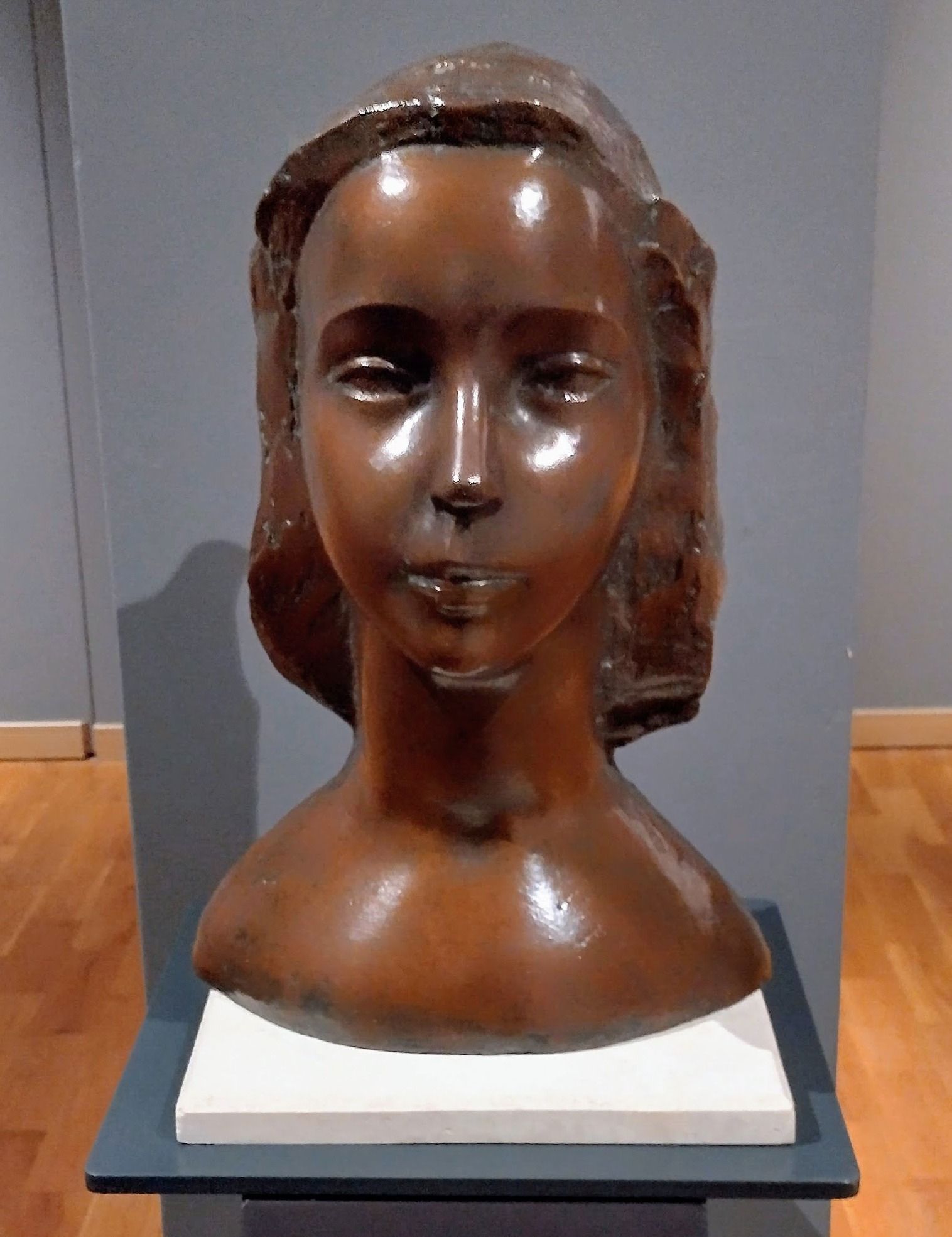
Ion Vlasiu: Oana mică // Ion Vlasiu: Little Oana
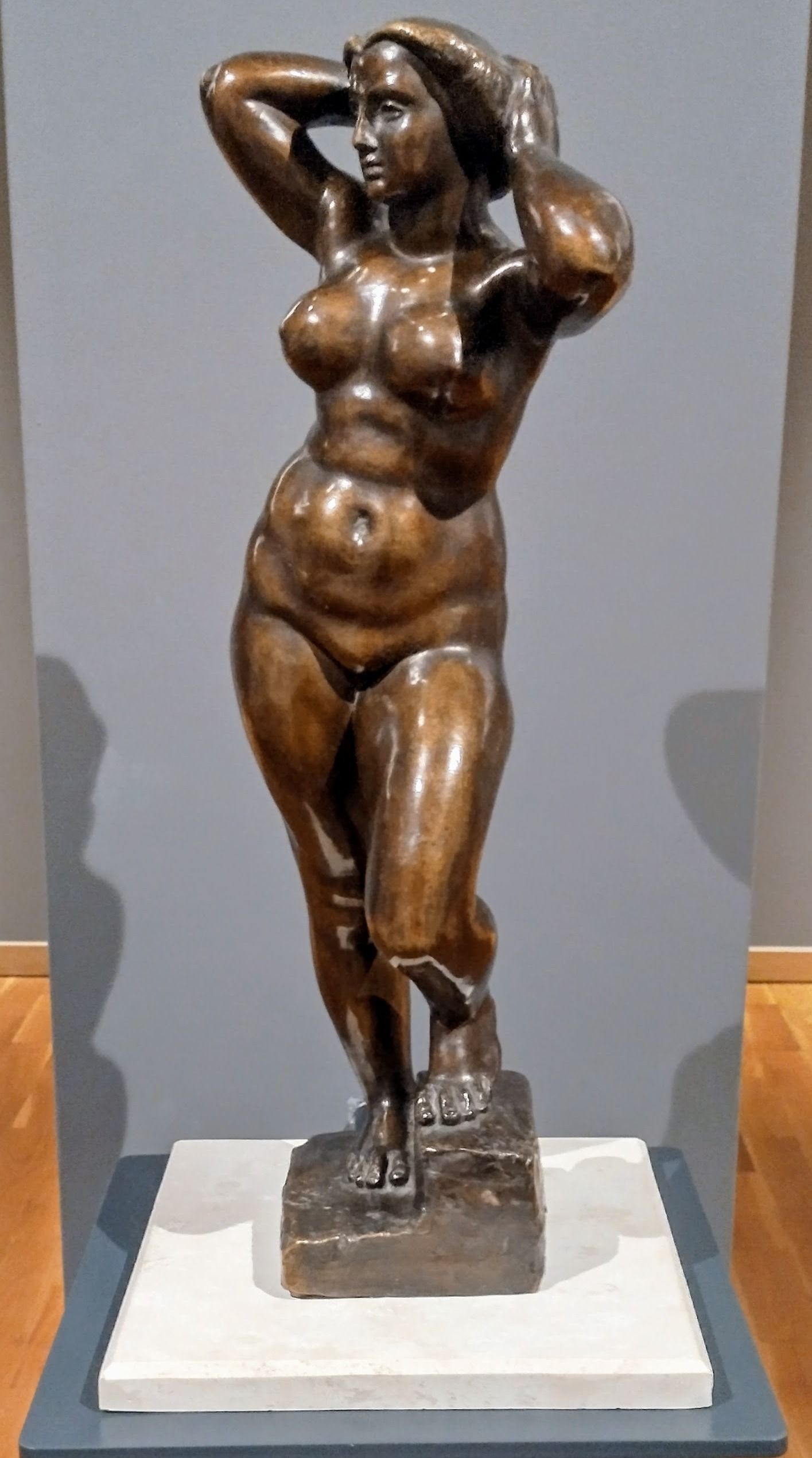
Constantin Baraschi: Nud // Constantin Baraschi: Nude
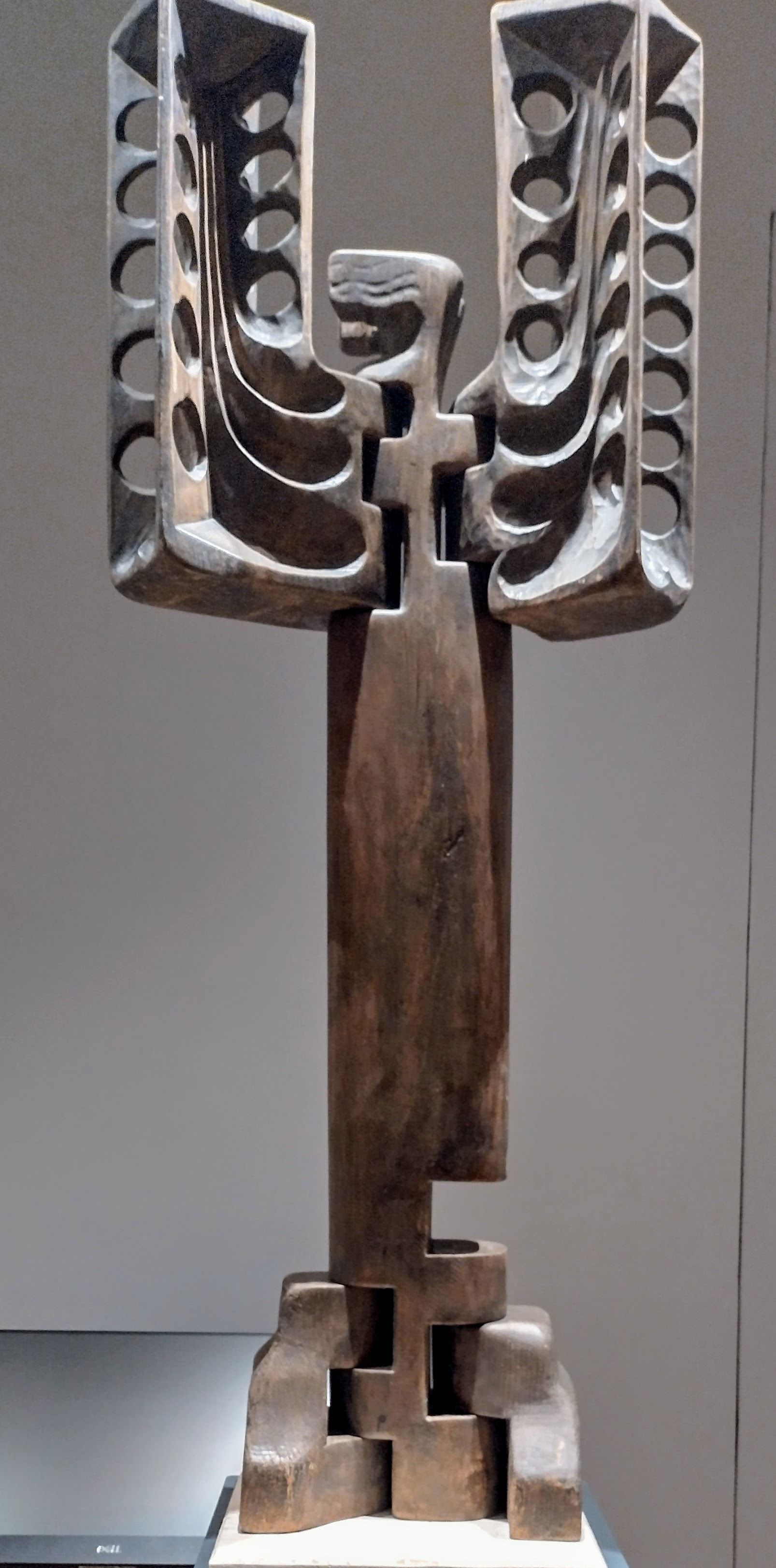
Ovidiu Maitec: Pomul // Ovidiu Maitec: The Tree
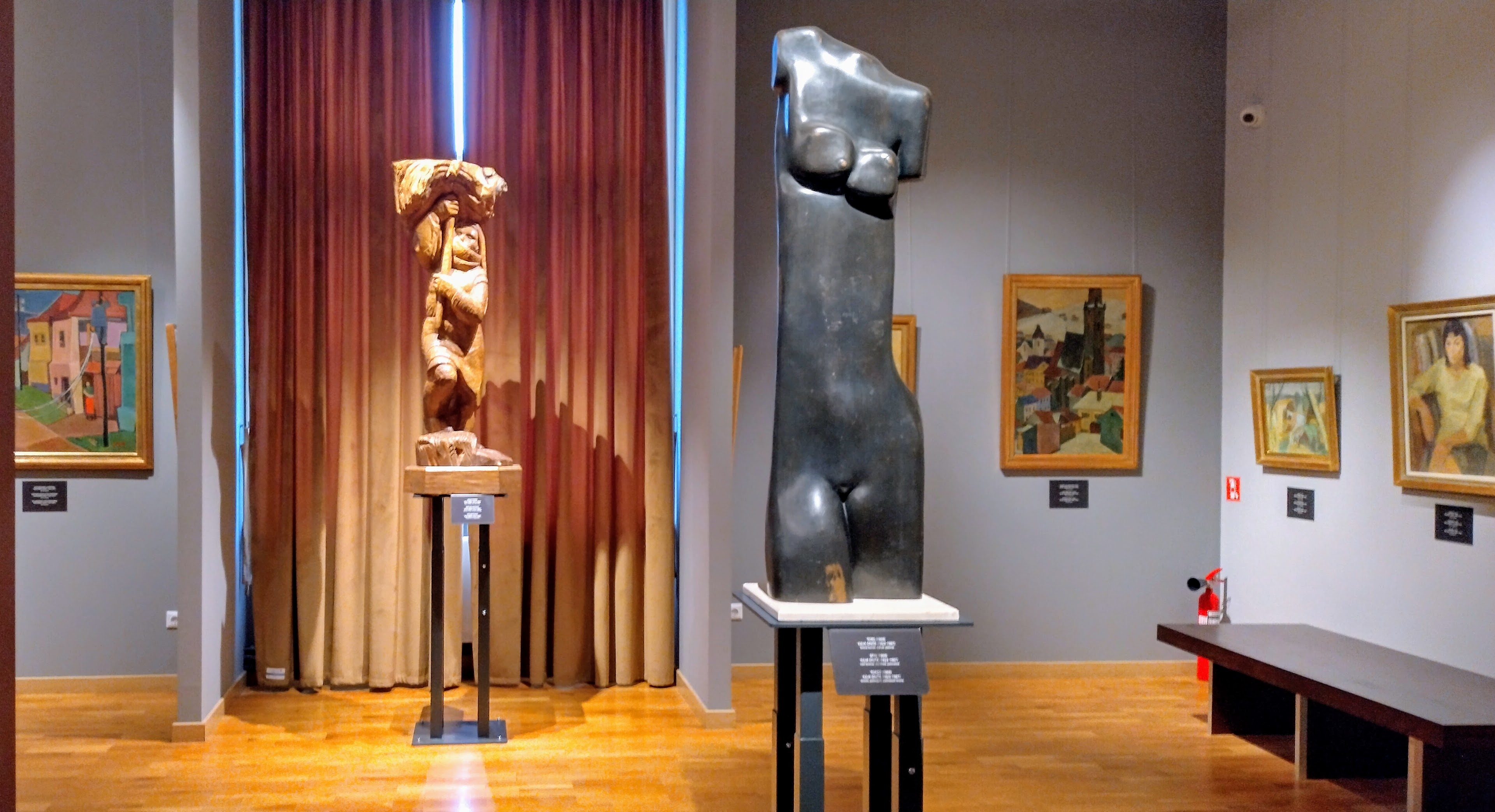
Cam așa arată camerele, cu picturi și sculpturi // This is roughly what the rooms look like, filled with paintings and sculptures
În capătul expoziției avem, bineînțeles, loc și de contemporani!
At the end of the exhibition, of course, there’s space for contemporary artists as well!
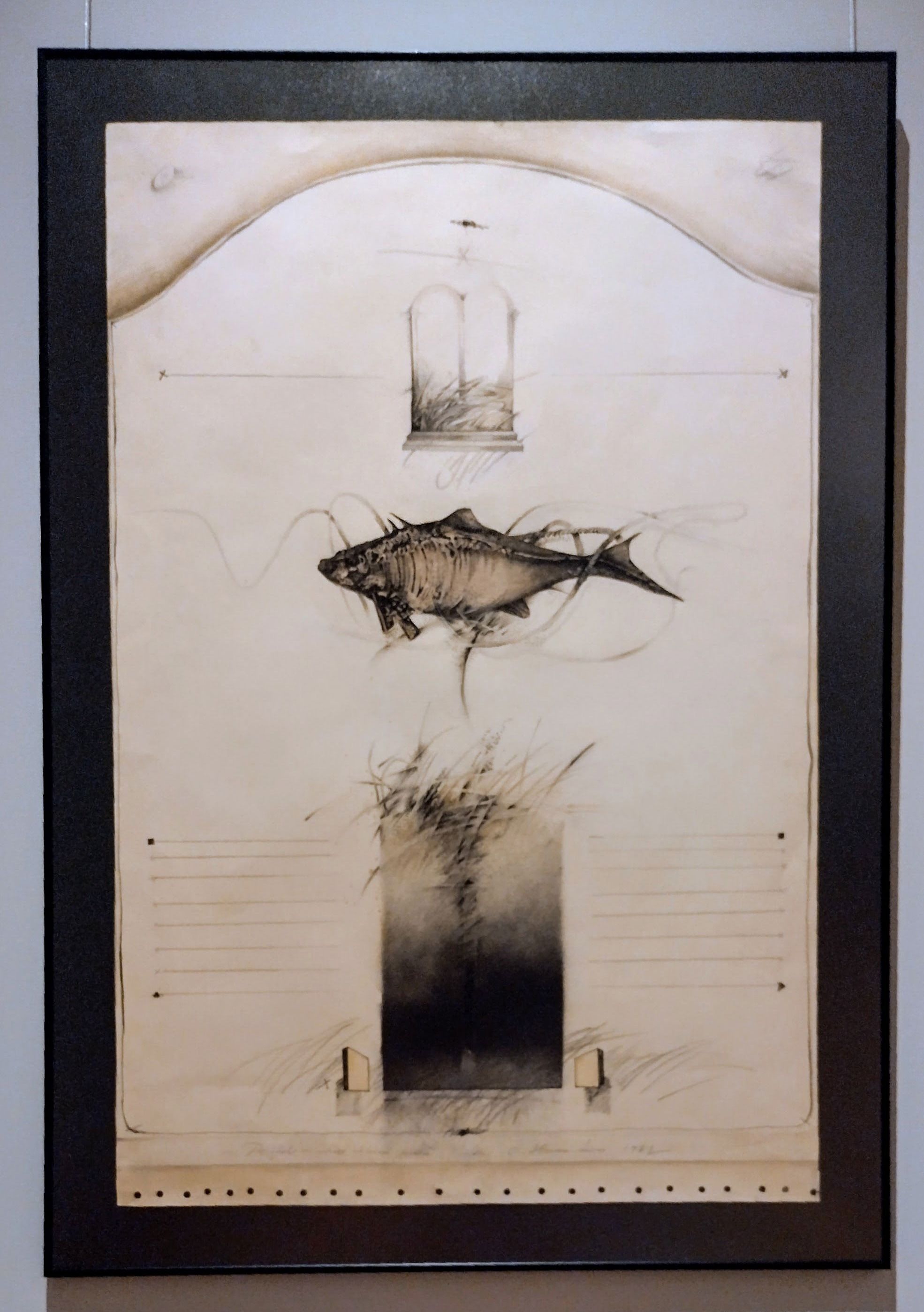
Cornel Abrudan: Tăcerea peștelui // Cornel Abrudan: The Silence of the Fish
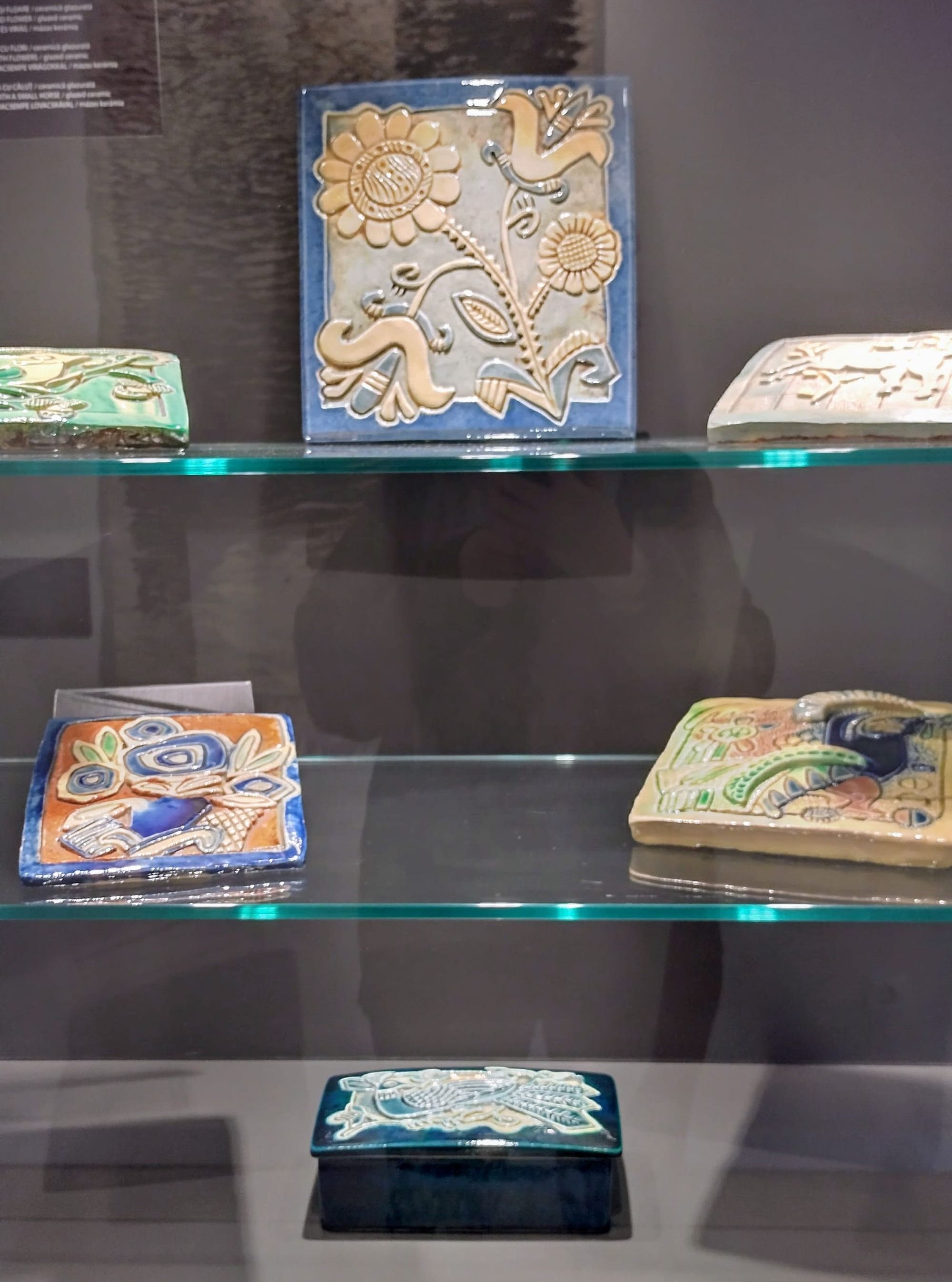
Cahle ceramice moderne // Modern ceramic tiles
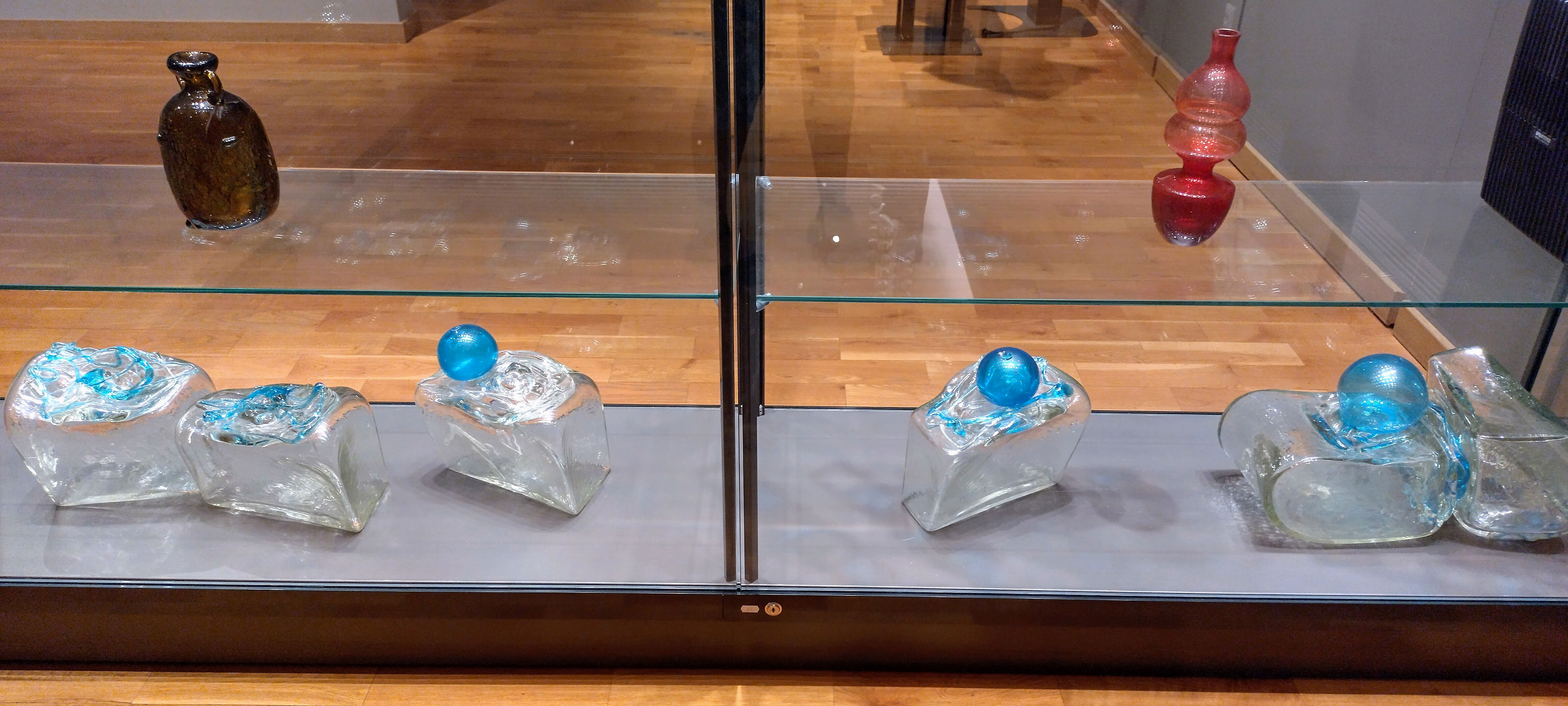
Sticlărie // Glassware
Pe holul de la „intersecția” dintre Artă și Etnografie găsim covoare lucrate artistic, dar și alte țesături, costume populare etc.
On the hallway at “the intersection” between Art and Ethnography we find artistically woven carpets, as well as other fabrics and traditional costumes.
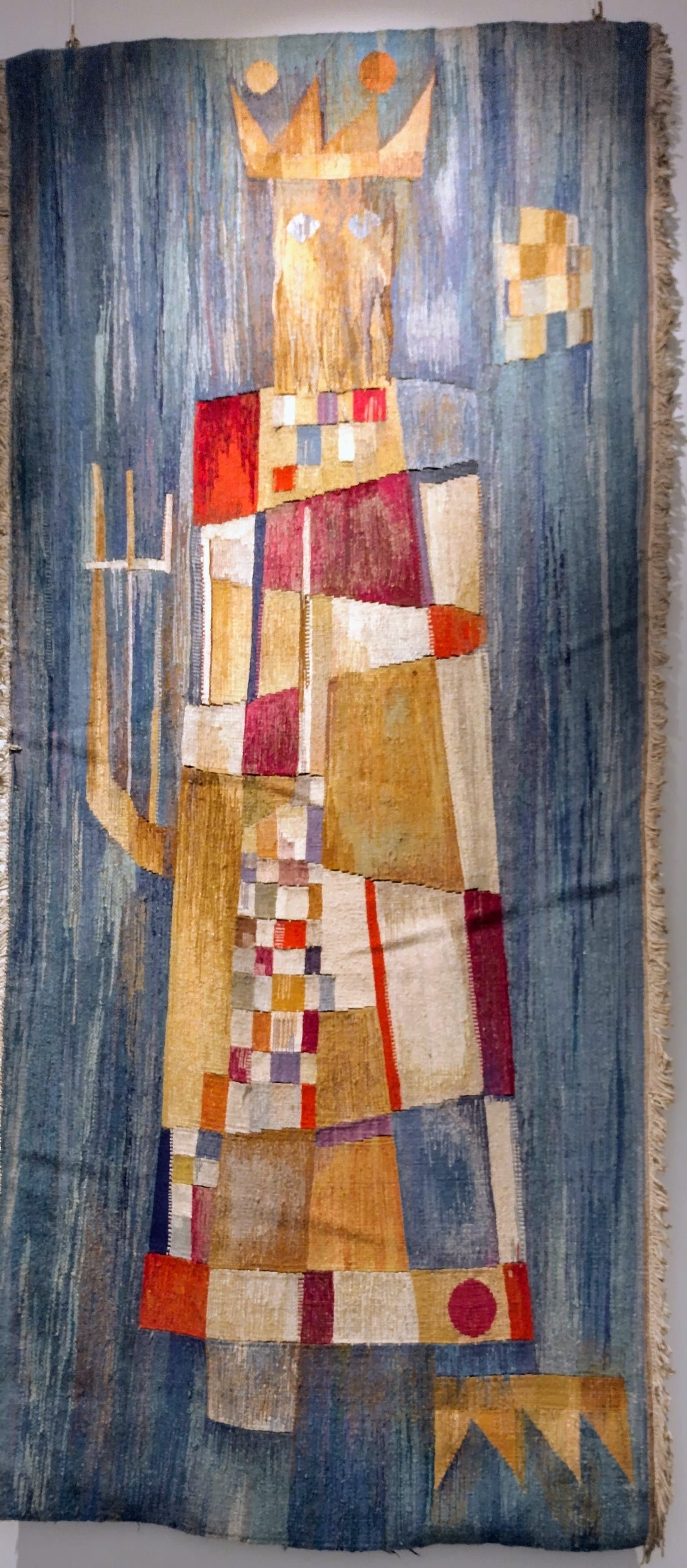
Mariana Șenilă: Regele David // Mariana Șenilă: King David
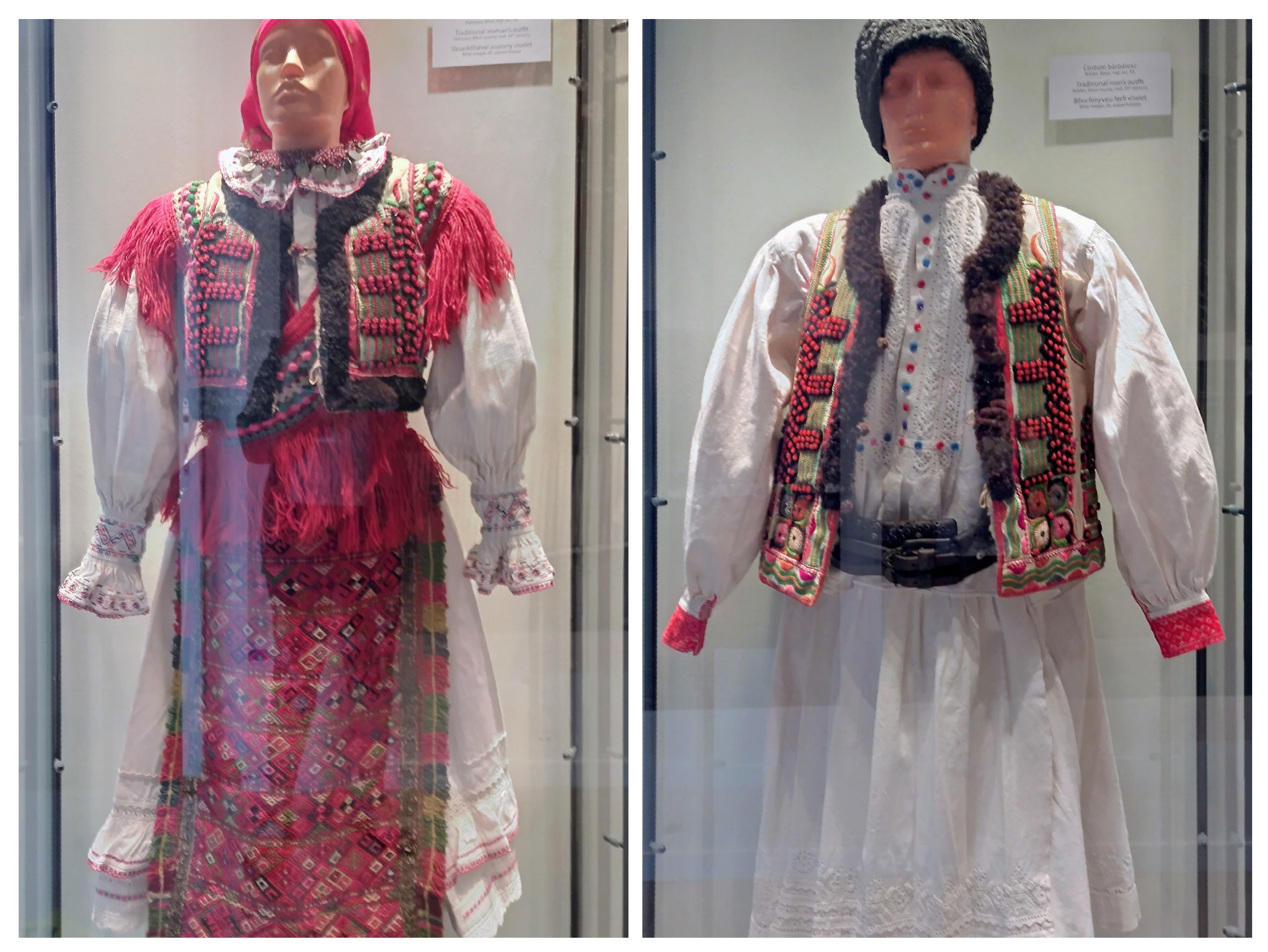
Costume bihorene // Costumes from Bihor
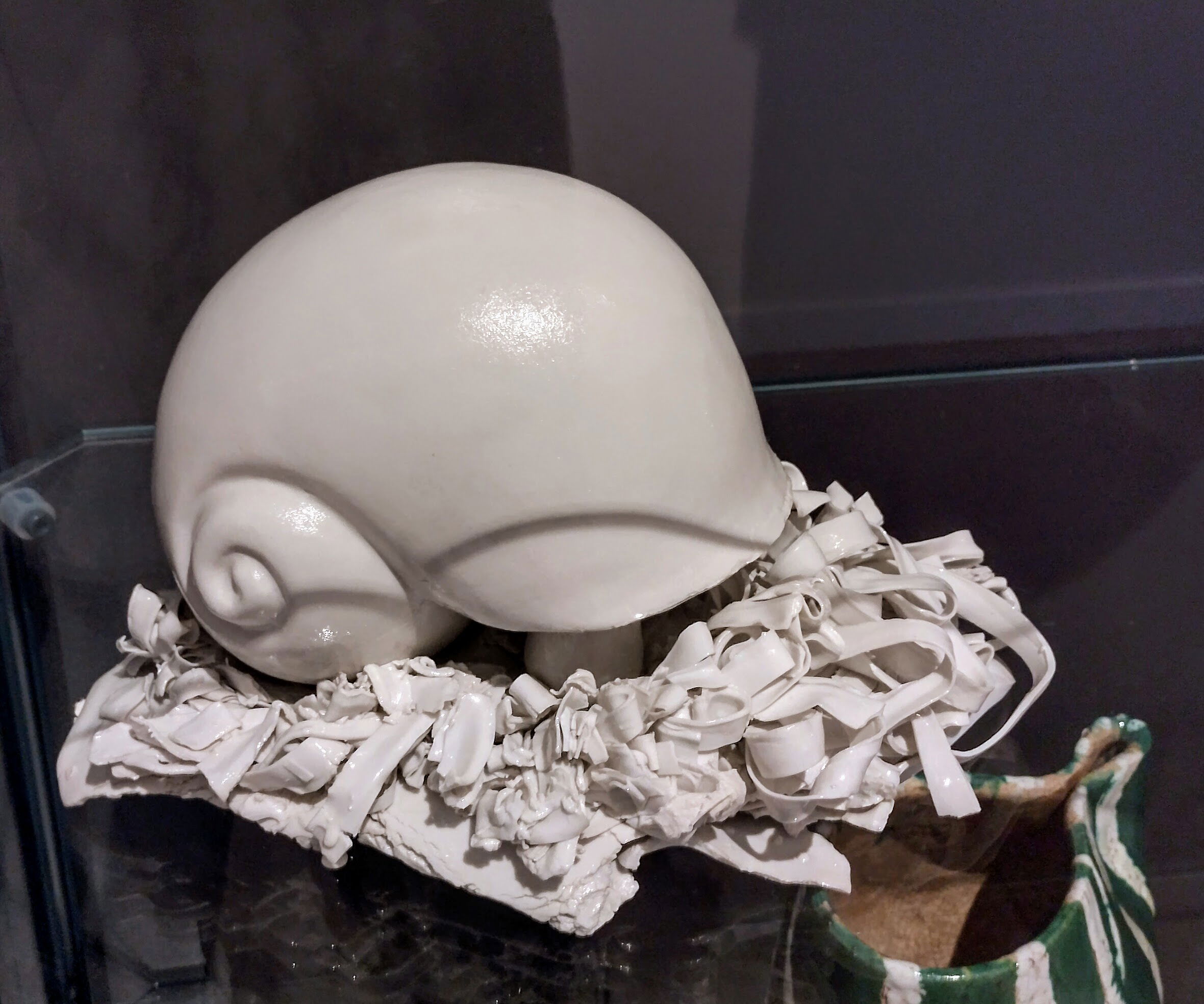
Bibelou // Knick-knack figurine
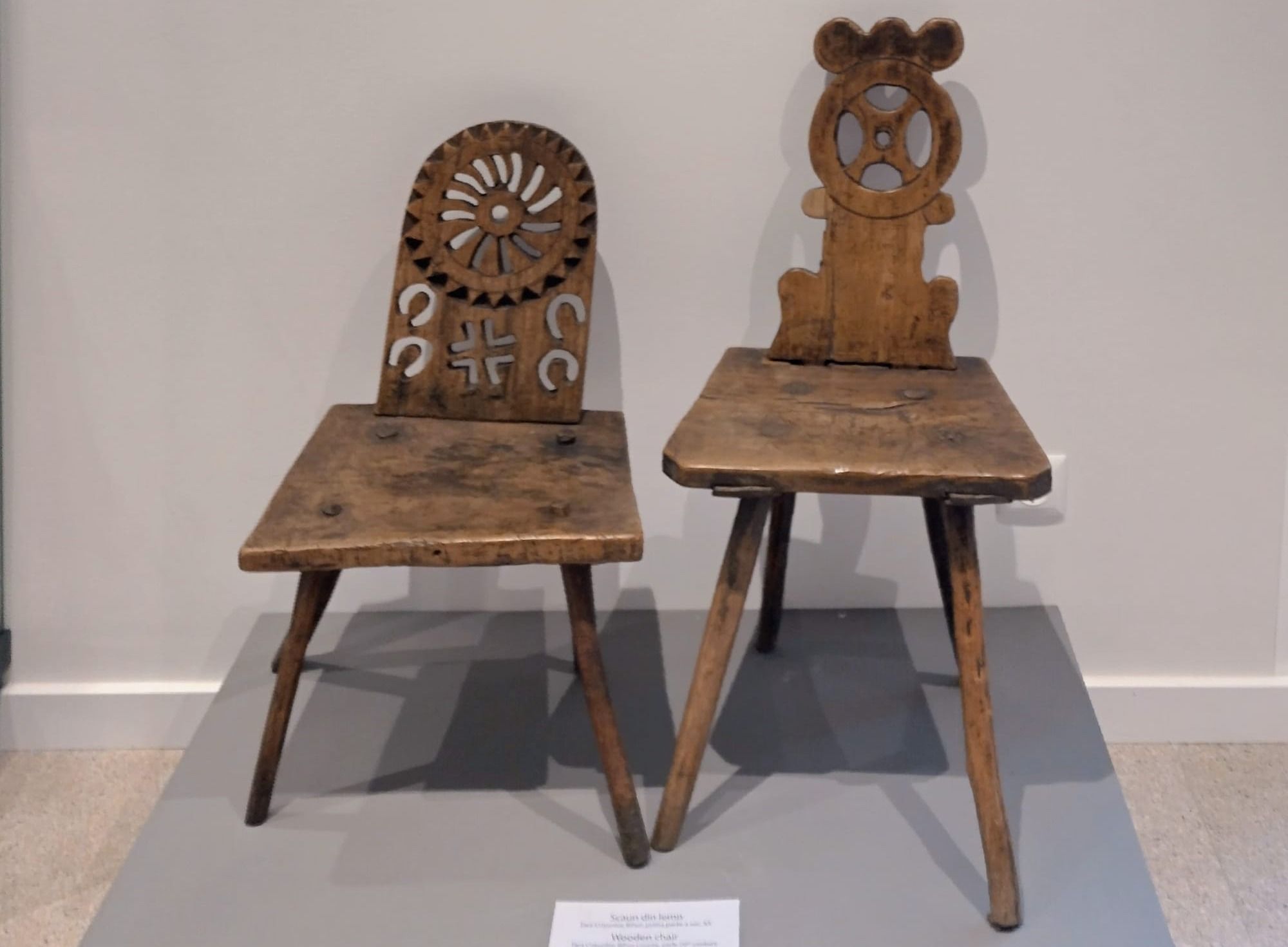
Scaune de lemn // Wooden chairs
Secția de Etnografie e o minune! Când credeam că nu mai am energie, după kilometri întregi prin muzeu, această secție mi-a redat „zvâcul”. :) Aici ai putea să pierzi ore bune, căci ai ce să vezi - de la costume populare și obiecte tradiționale, la obiceiuri, credințe, ocupații… până chiar la o brazdă arată de pământ în mijlocul uneia dintre camere.
The Ethnography section is a marvel! Just when I thought I had no energy left after walking for kilometers through the museum, this section gave me back my spark. :) You could easily spend hours here — there’s so much to see, from traditional costumes and folk objects to customs, beliefs, and occupations… even a plowed strip of earth right in the middle of one of the rooms.
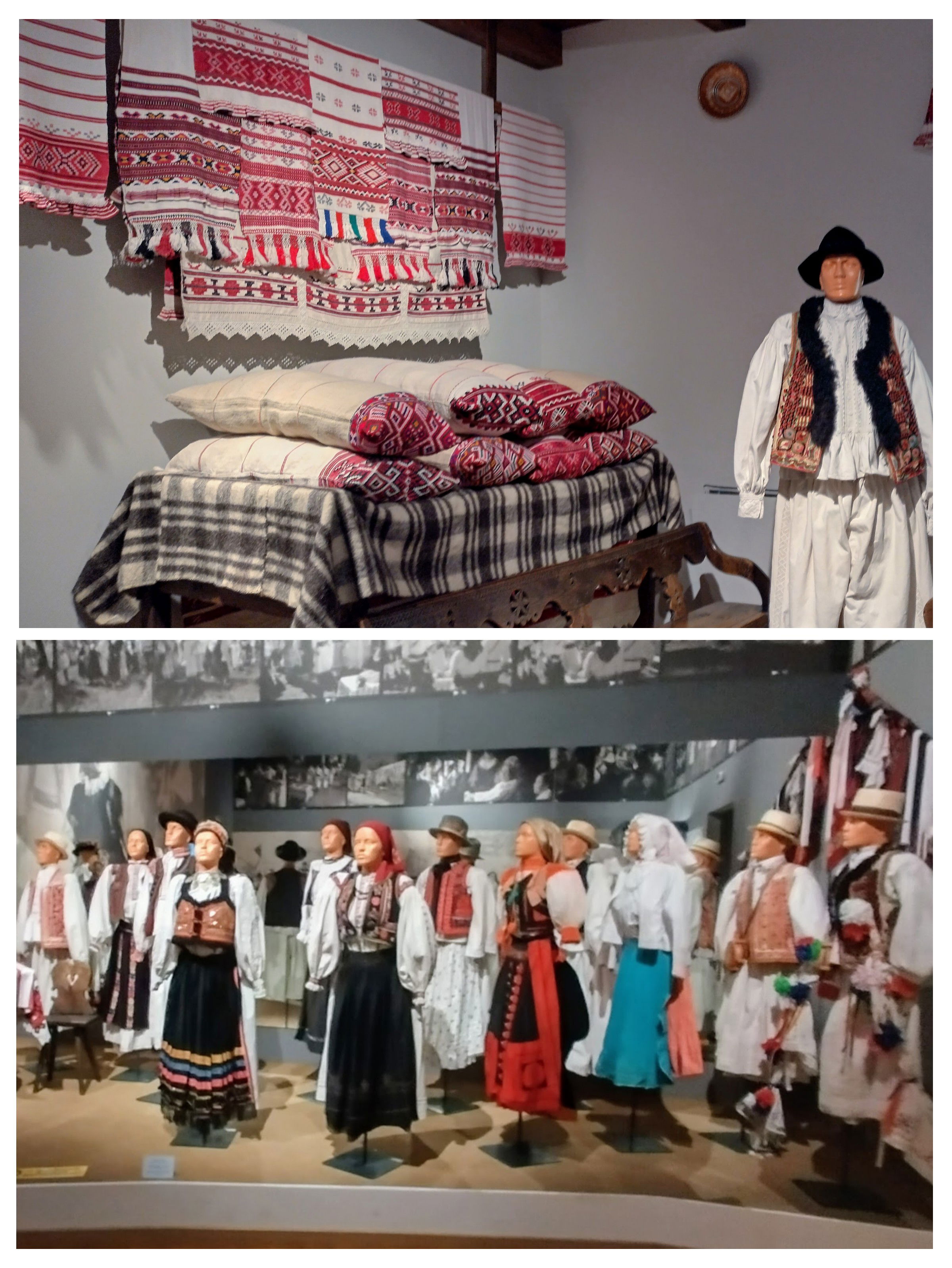
Costume și țesături // Costumes and fabrics
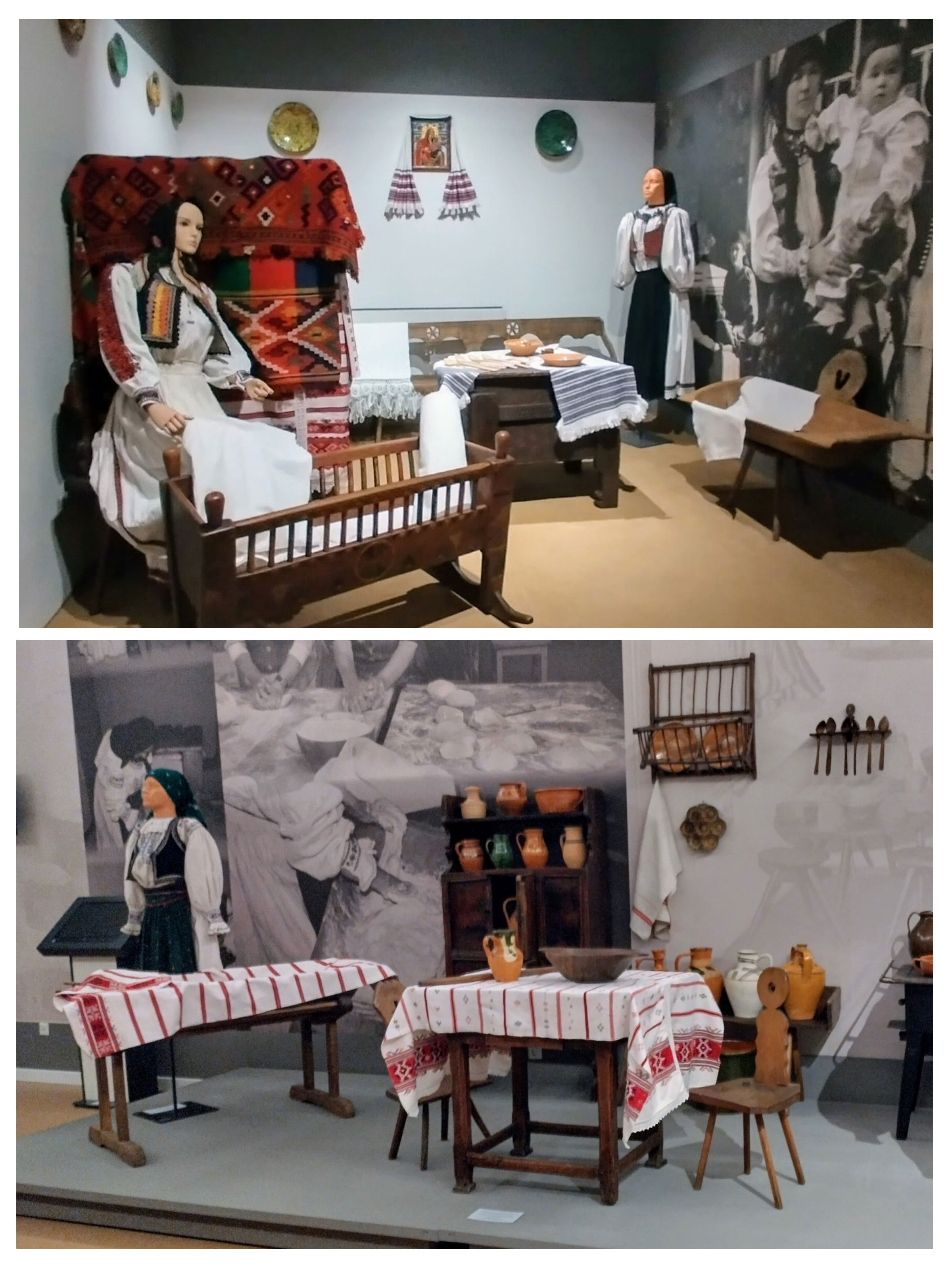
Viața la țară // Life in the countryside
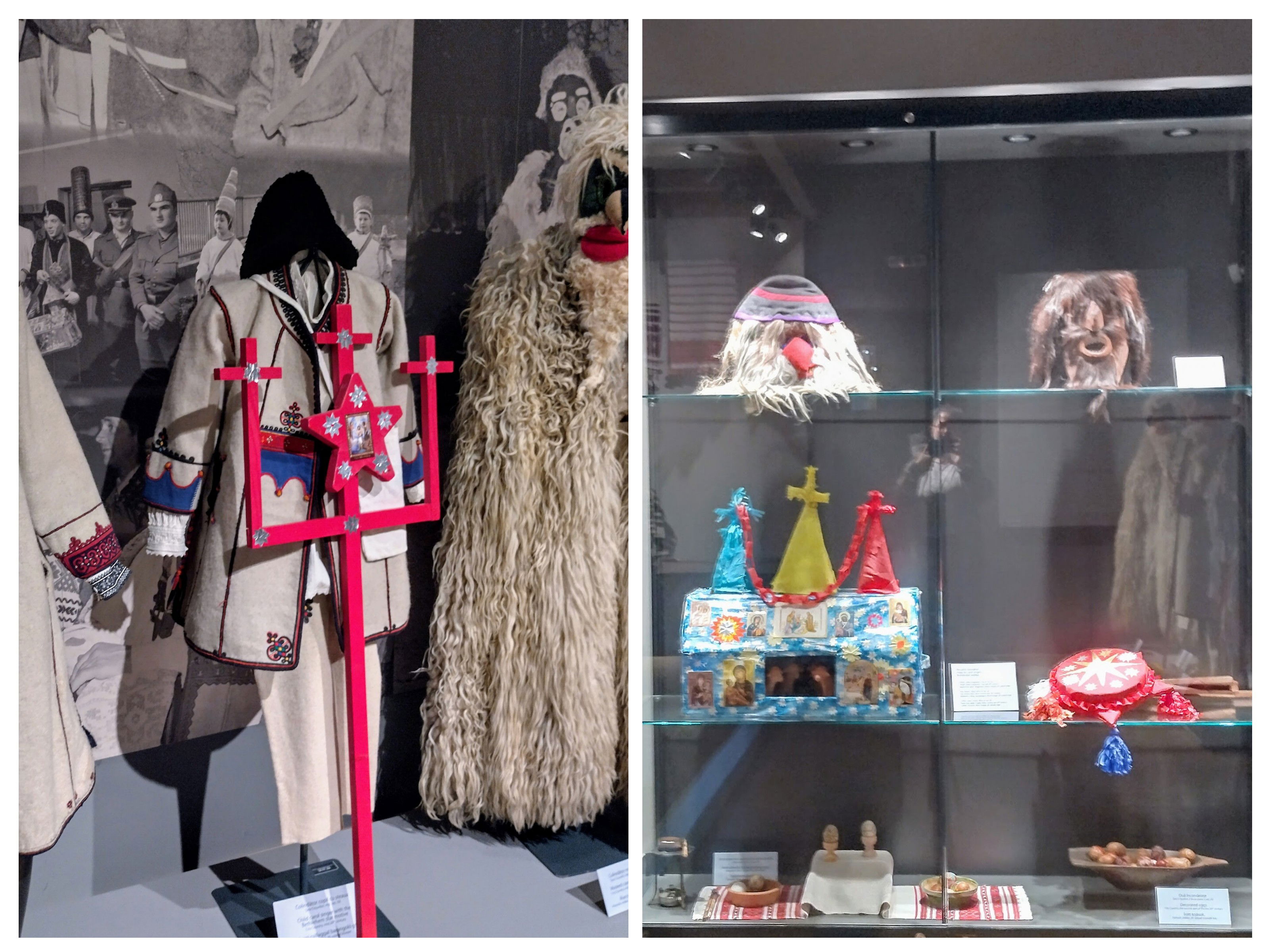
Obiceiuri de iarnă // Winter customs
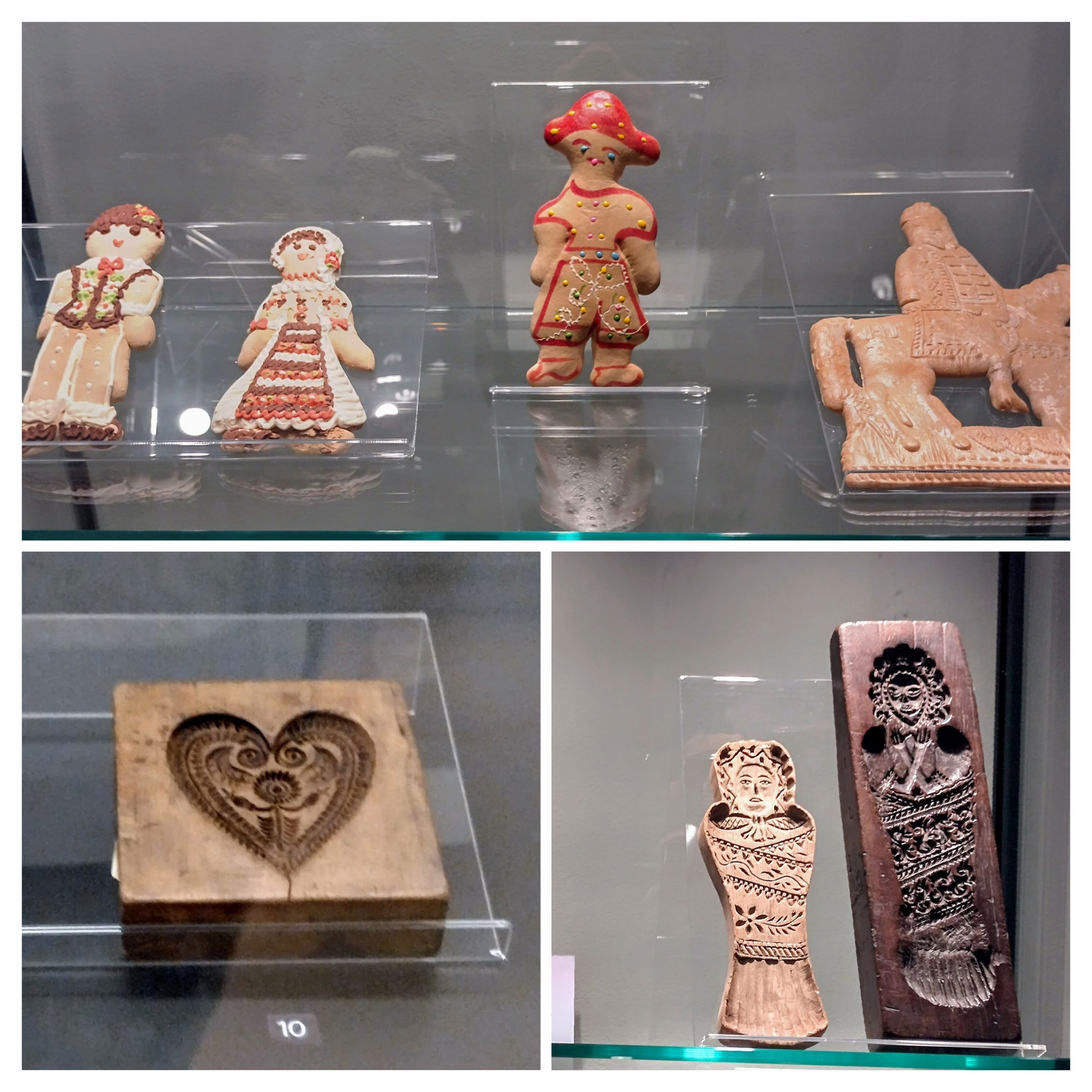
Forme de turtă dulce // Gingerbread molds
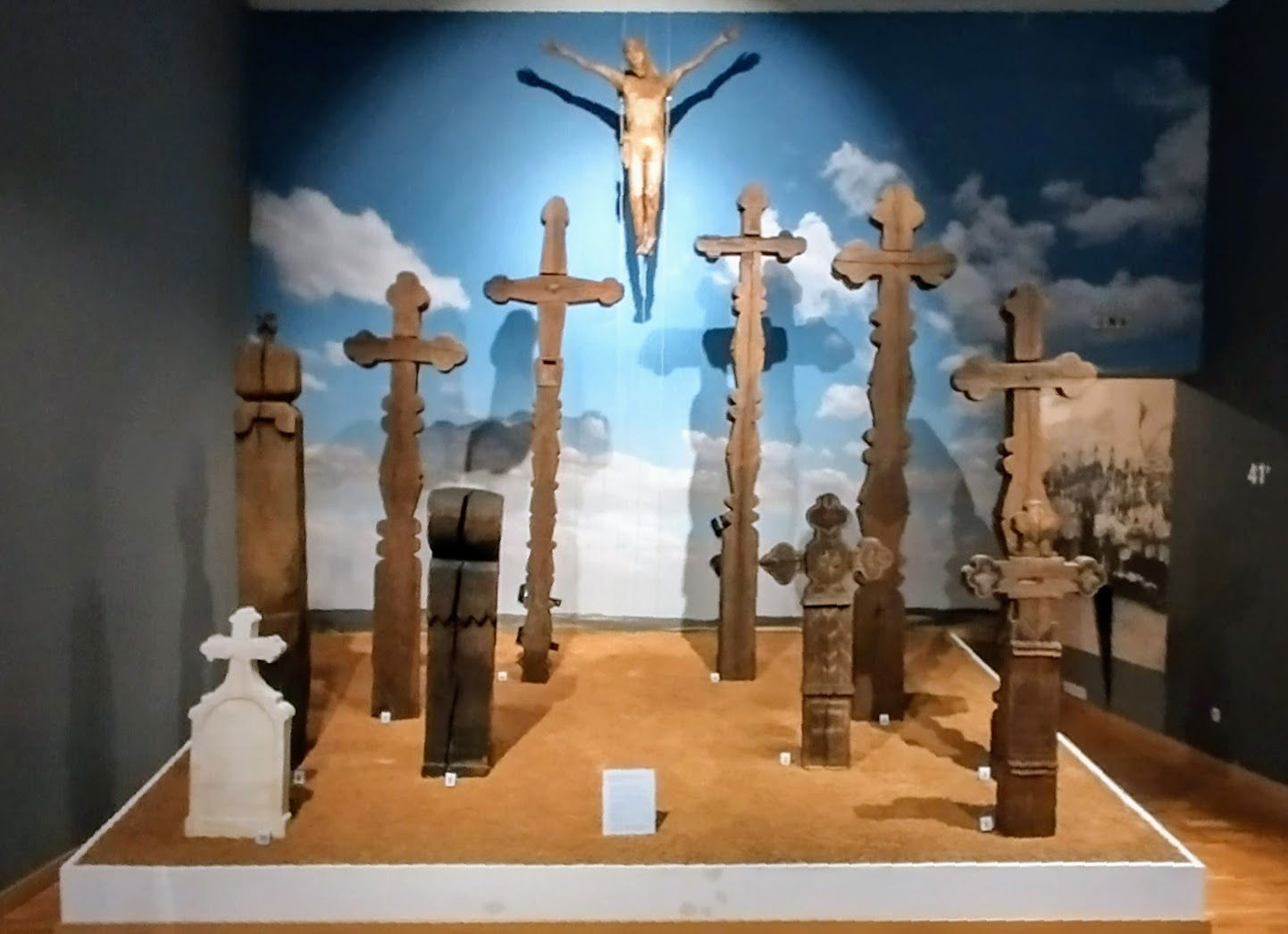
Cimitir // Graveyard
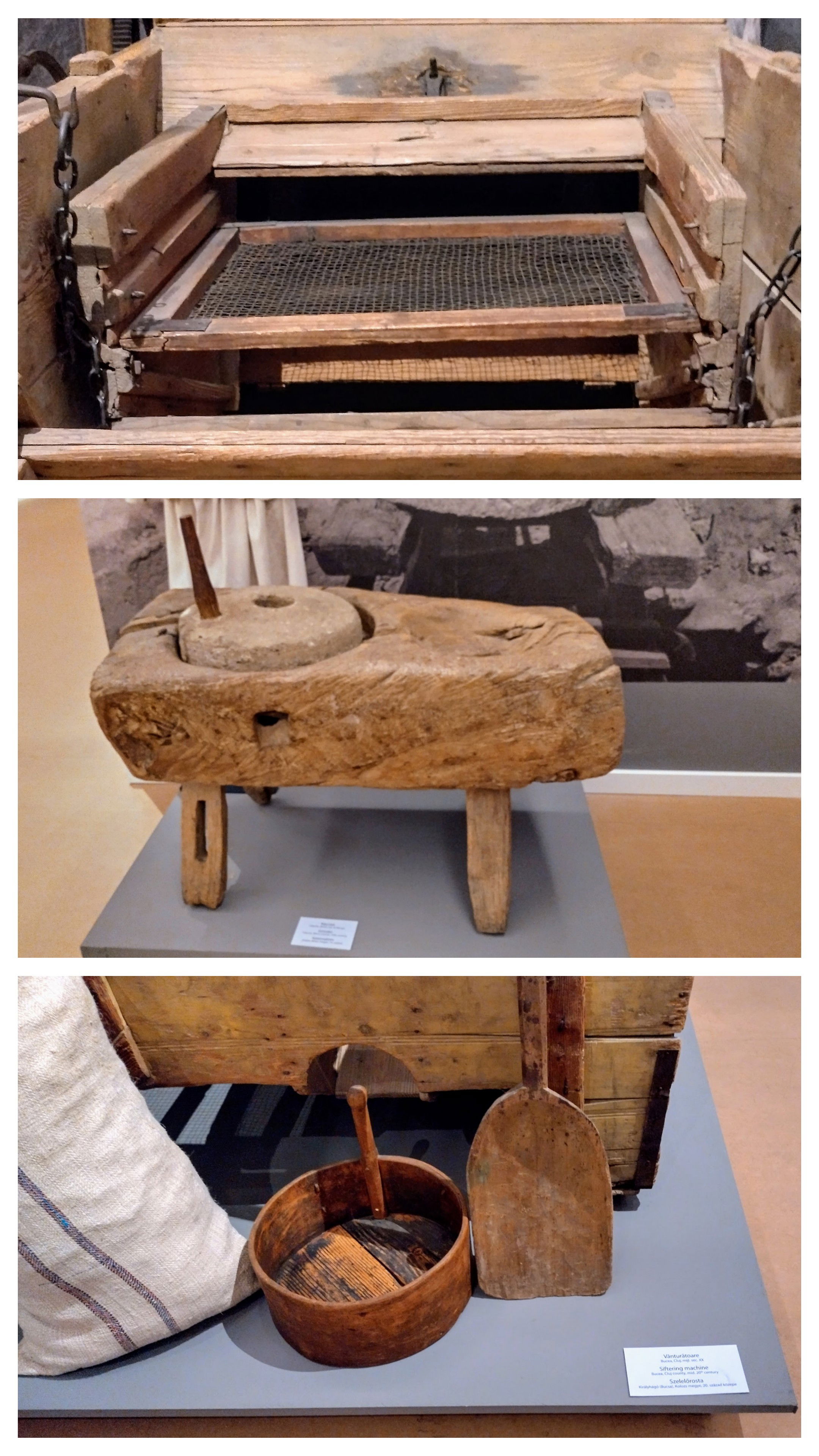
Obiecte utilitare // Utility objects
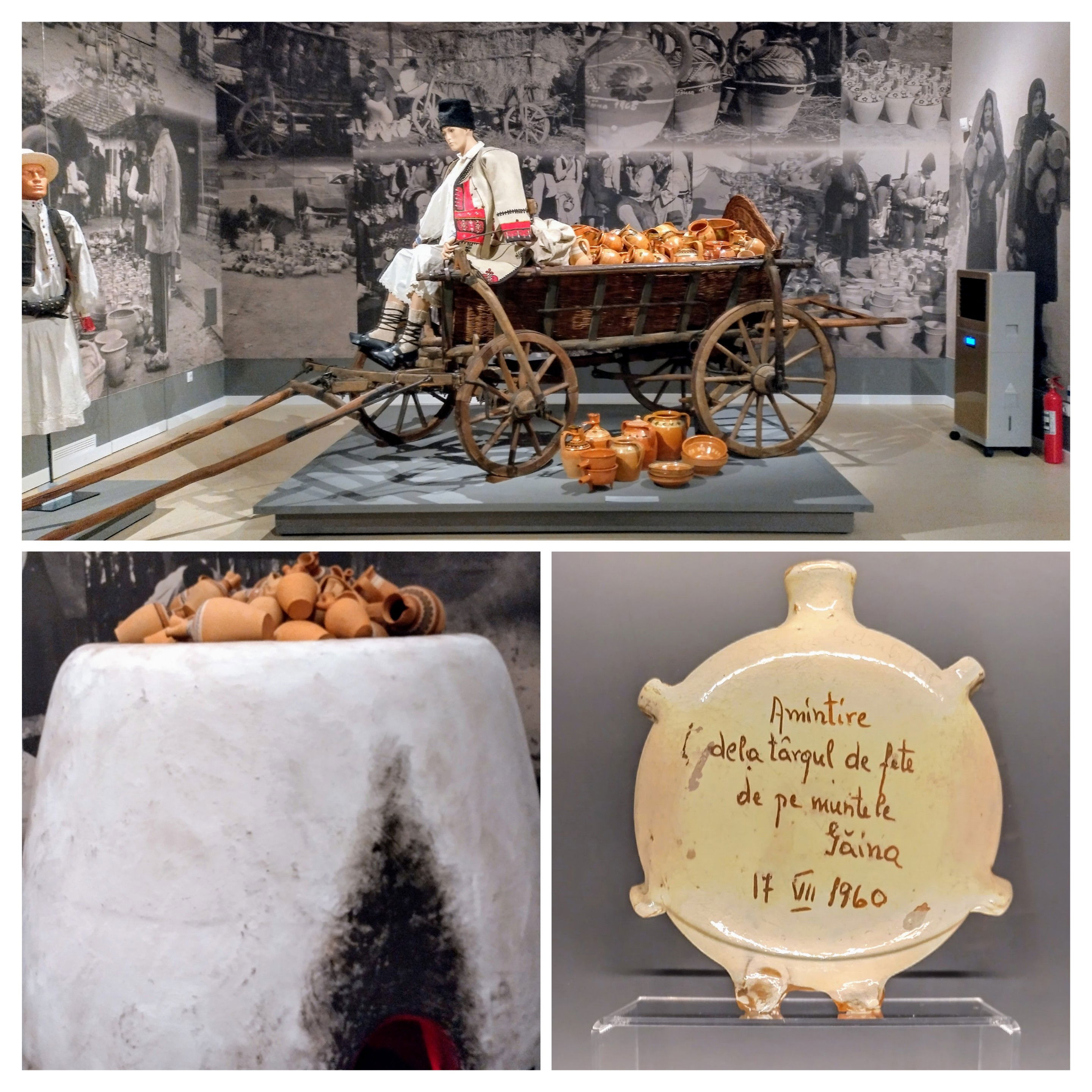
Olărit // Pottery
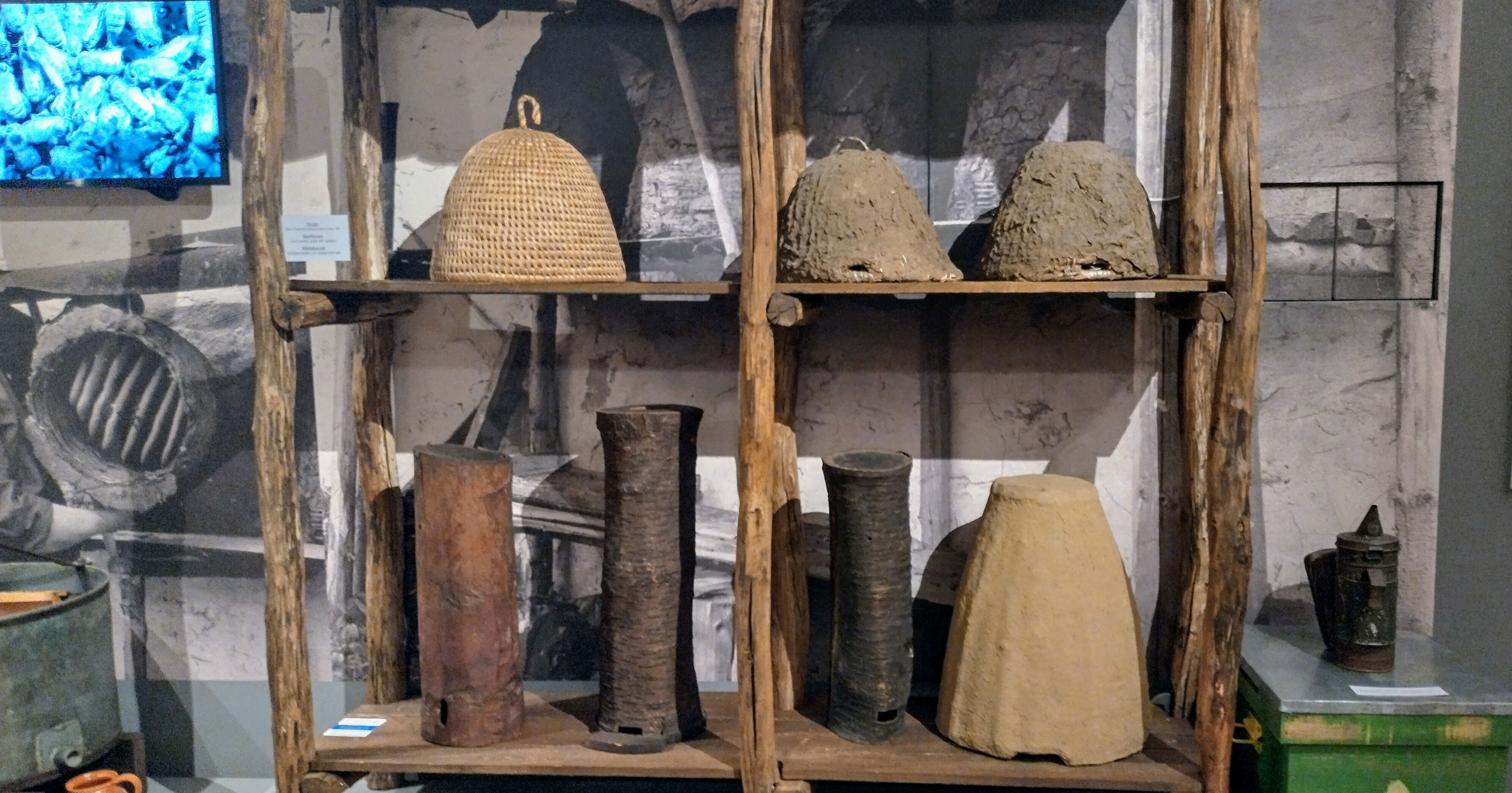
Albinărit // Beekeeping
Cuptoare de pâine sau de olărit, stupi, fierării - toate sunt vii, interactive, cu video-uri sau holograme pe pereți și cu coloane sonore.
Bread or pottery ovens, beehives, blacksmiths — everything is alive and interactive, with videos or holograms projected on the walls and with soundscapes.
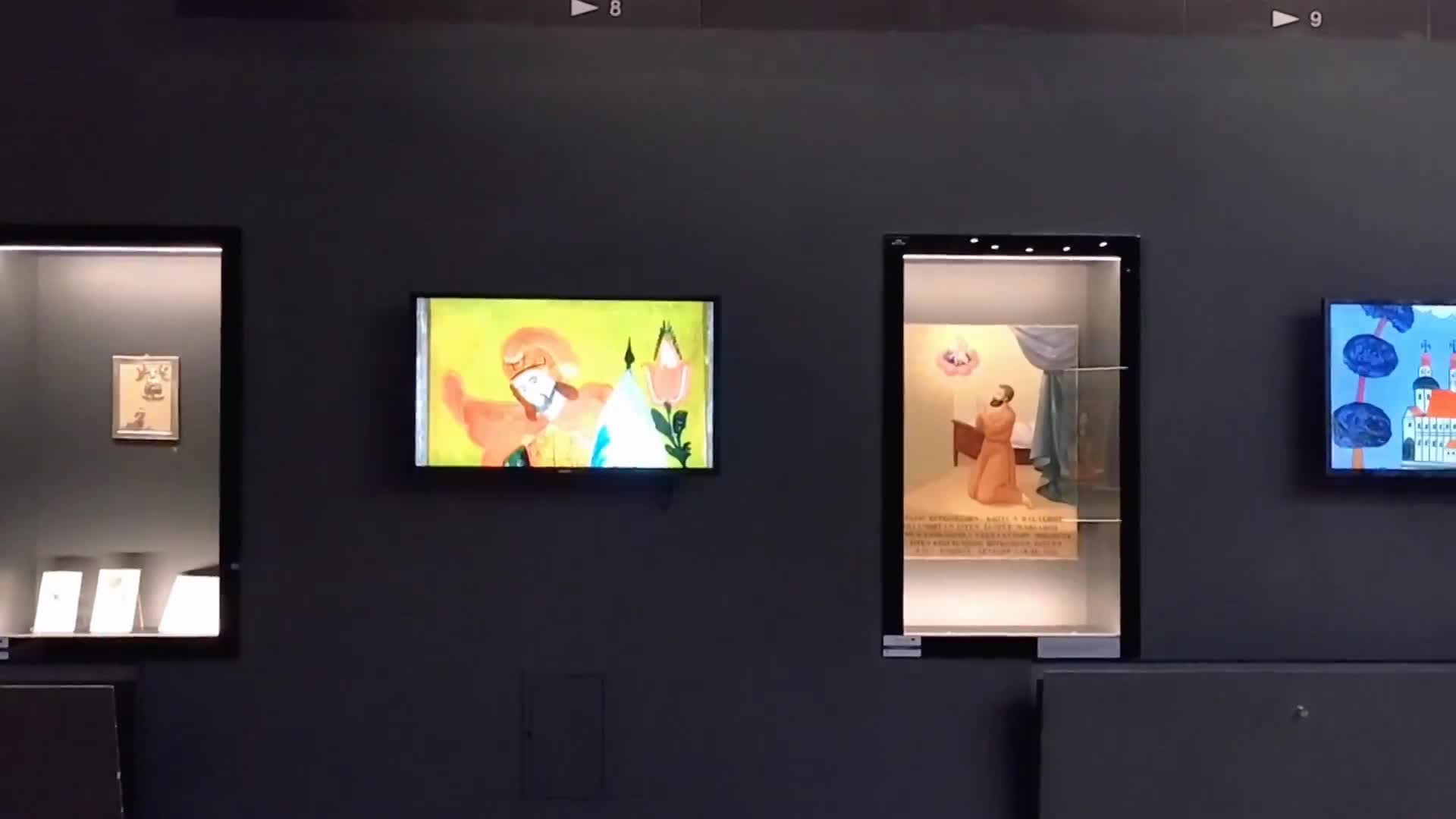
Pe holul de ieșire din secția de Etnografie, găsesc țesături, ștergare, costume tradiționale, dar și instrumente muzicale, obiecte decorative - în două cuvinte, artă populară.
In the hallway leading out of the Ethnography section, I found fabrics, towels, traditional costumes, as well as musical instruments and decorative items — in short, folk art.
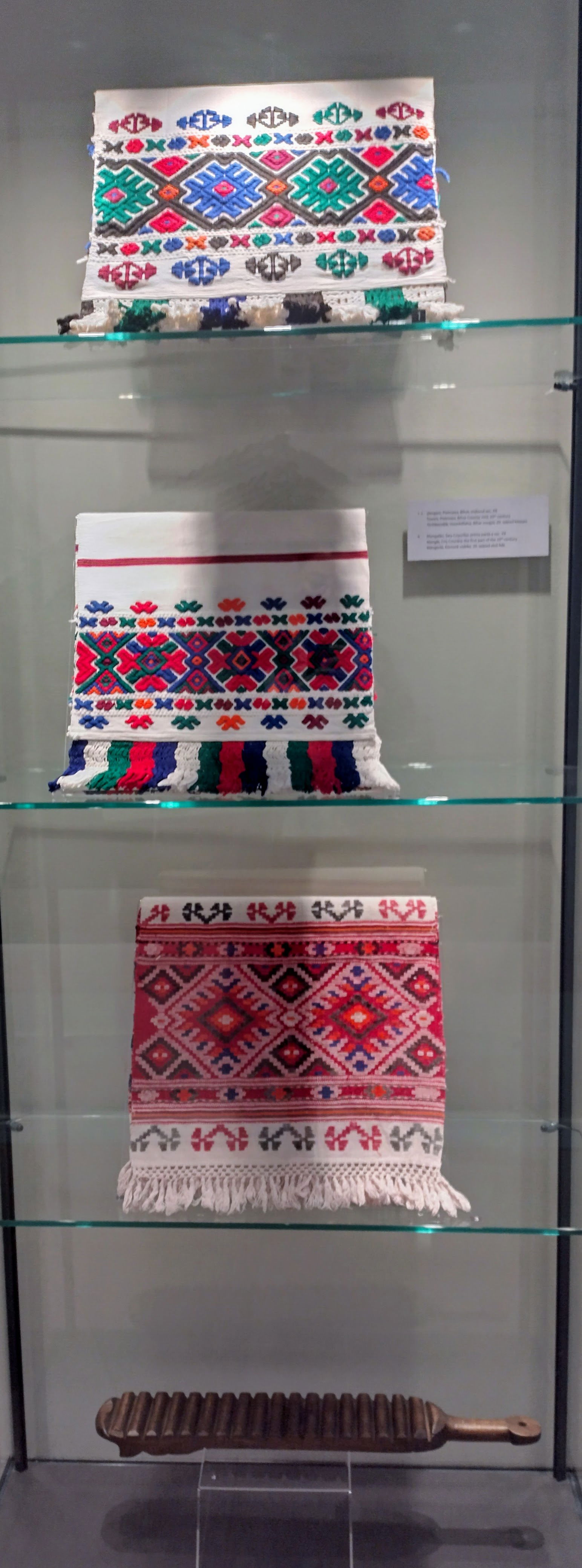
Ștergare; spălător // Towels; washer
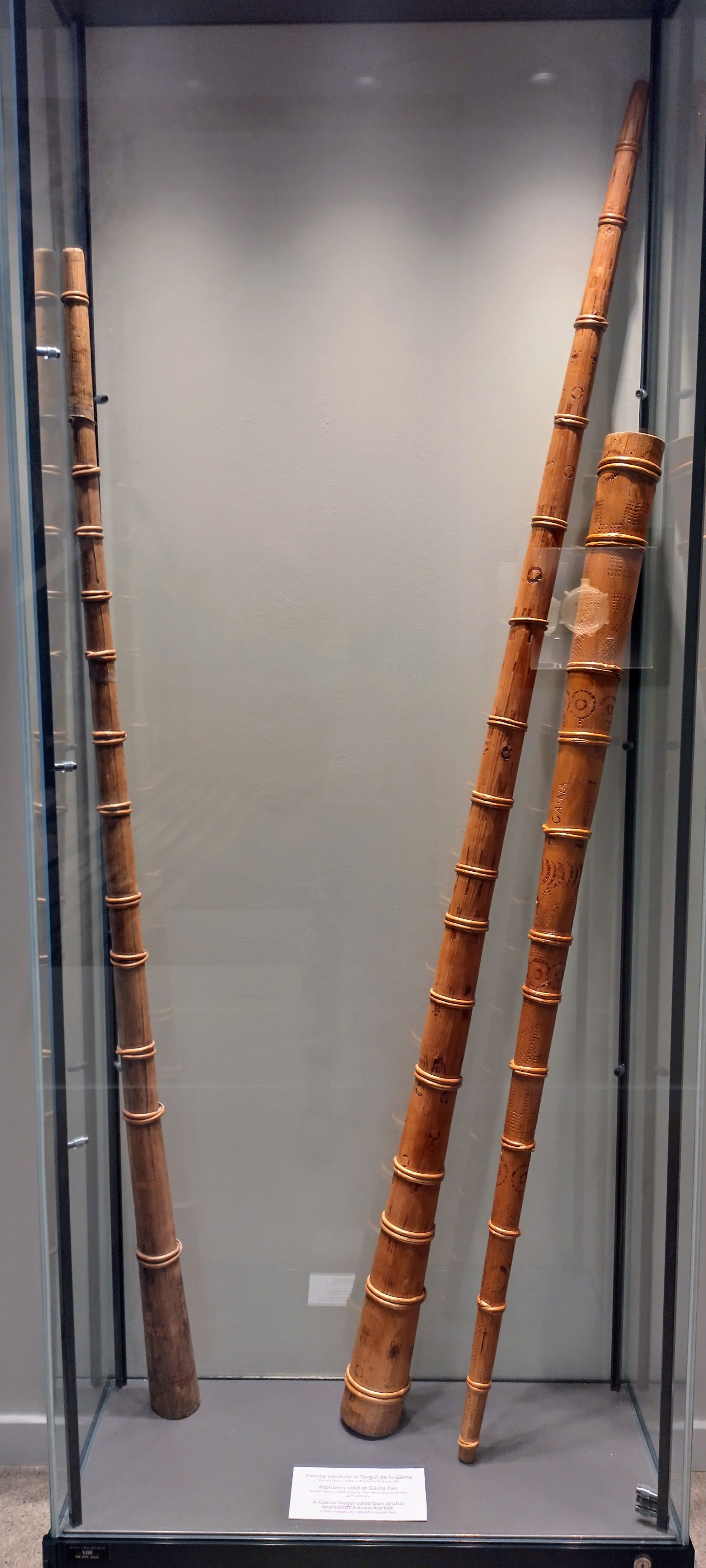
Buciume // Alpine horns
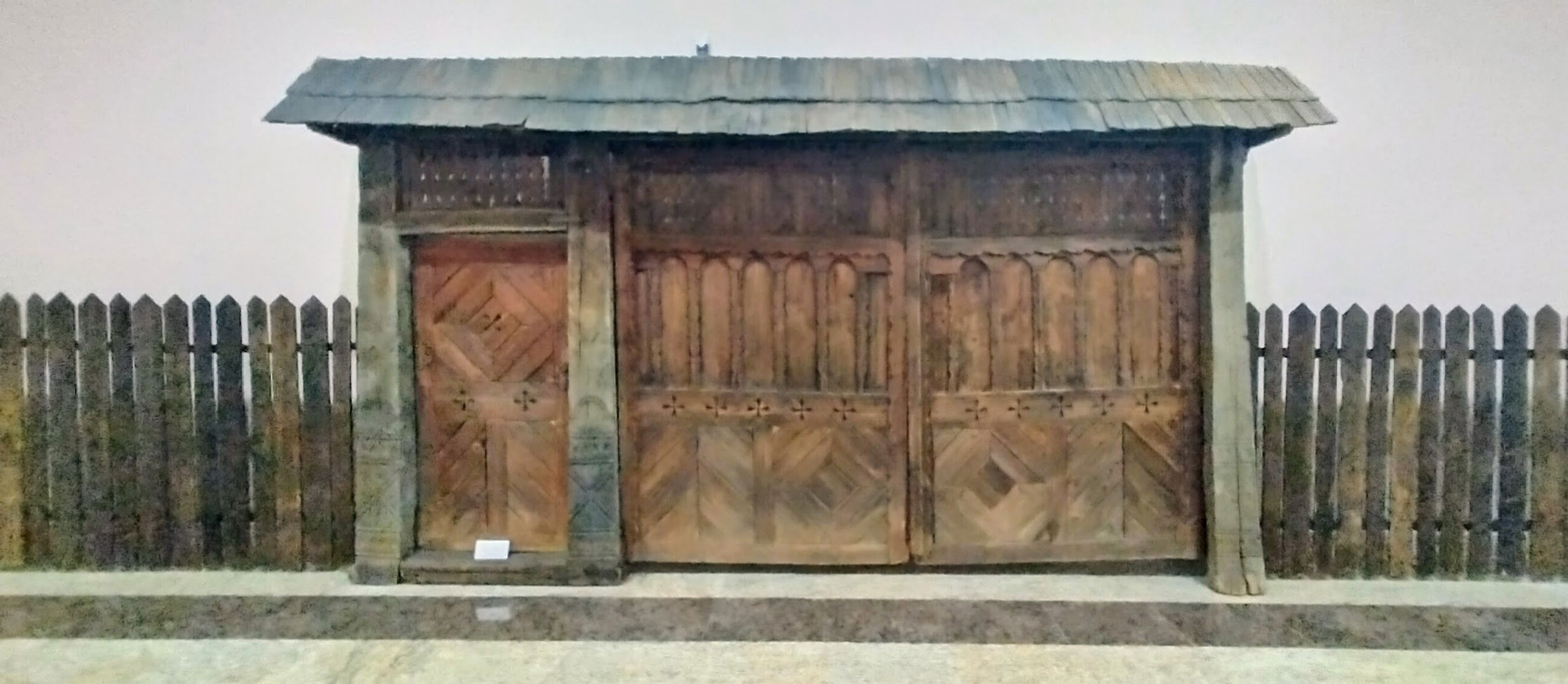
Poartă bihoreană // Gate from Bihor
Înainte de a porni înapoi spre hotel, vă invit la un parcurs virtual prin muzeu.
Before heading back to the hotel, I invite you to take a virtual tour of the museum.
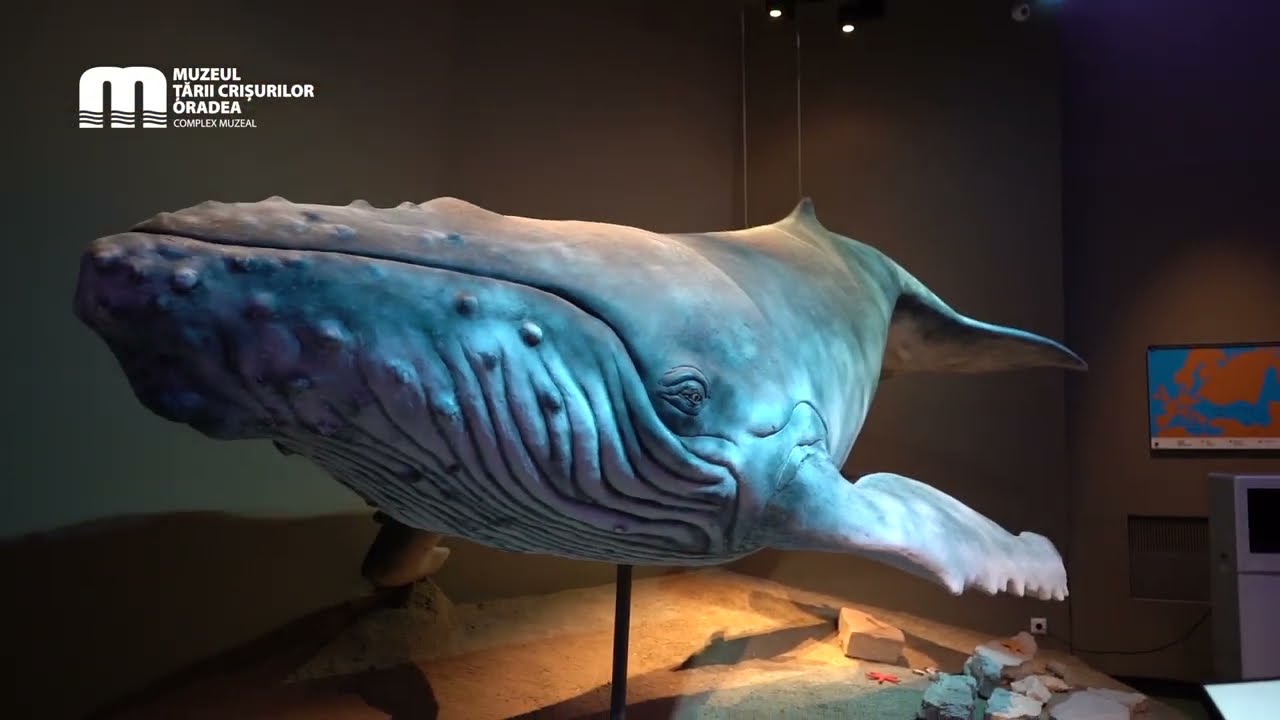
Ieșită de aici și absolut epuizată, am sărit și vivariul (de care avem și în București, și oricum nu sunt mare fan al animalelor în captivitate) și m-am îndreptat înapoi spre hotel.
Exiting from here and completely exhausted, I skipped the vivarium as well (we have one in Bucharest anyway, and I’m not a big fan of animals in captivity) and headed back to the hotel.
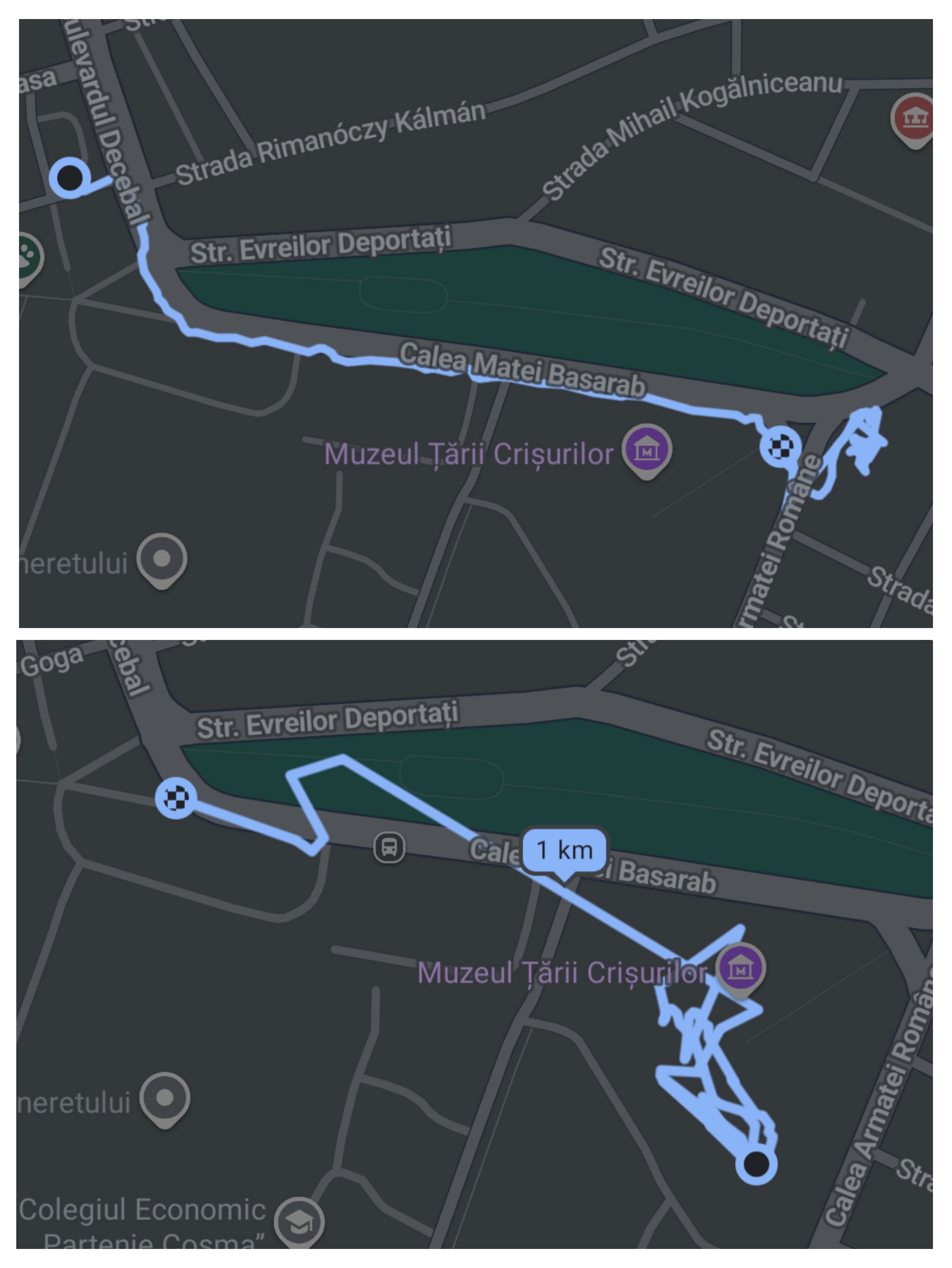
După o pauză bine-meritată și un prânz fast de la benzinăria din fața hotelului, ne-am făcut bagajele și ne-am pregătit de zbor. Aveam să ne întoarcem la un București și el răvășit de furtuni și la încă trei săptămâni de caniculă care le-au urmat.
After a well-deserved break and a quick lunch from the gas station in front of the hotel, we packed our bags and got ready for the flight. We were heading back to Bucharest, which had also been ravaged by storms, followed by another three weeks of scorching heat.
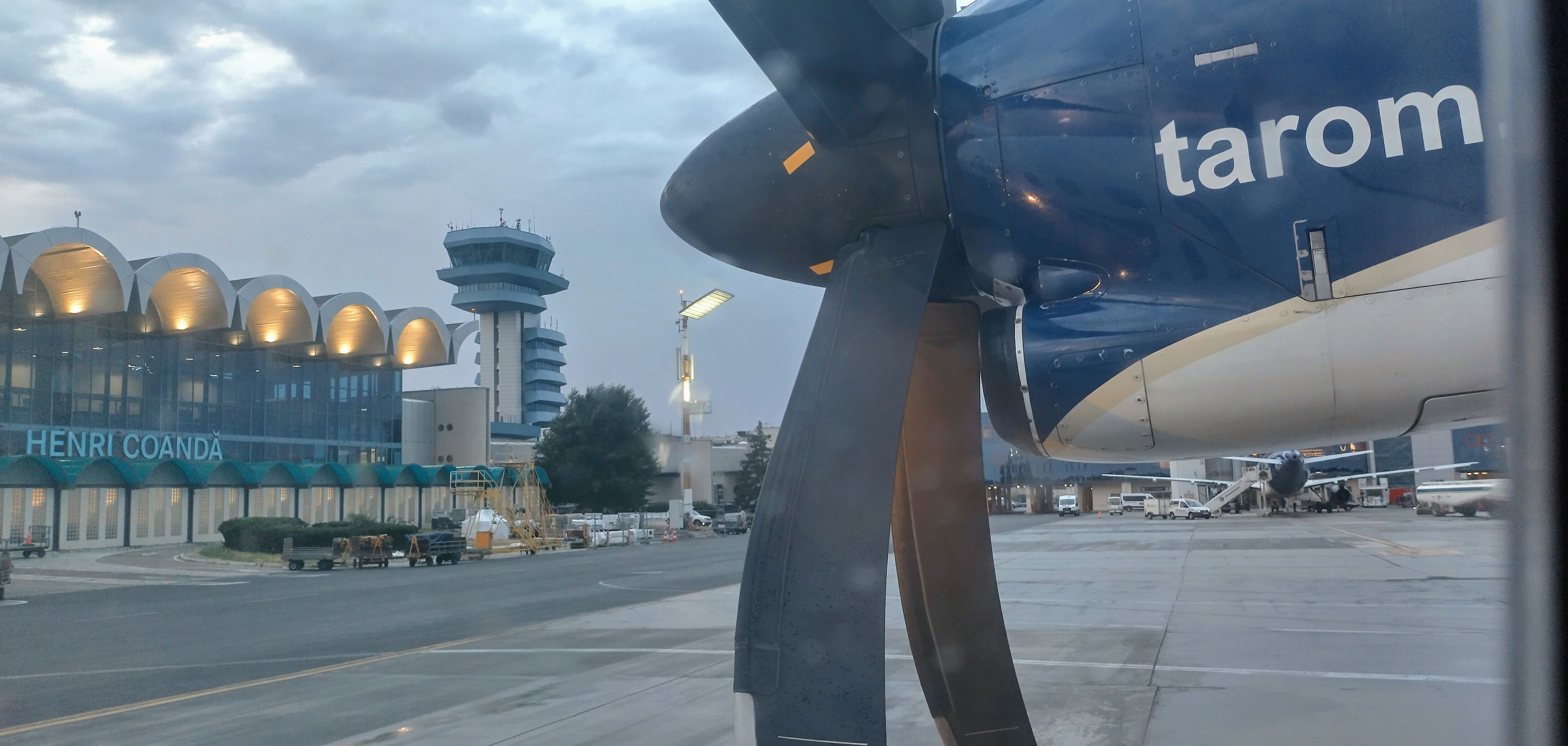
De data aceasta n-am vizitat nicio biserică, n-am intrat în sinagogă și n-am mers nici pe Dealul Ciuperca sau la Băile Felix - toate obiective pe care vrem să le vedem. Astfel că, după ce trece memoria zborului, și într-o lună mai blândă, ne vom întoarce cu siguranță la Oradea!
This time, we didn’t visit any churches, didn’t enter the synagogue, and didn’t go up Ciuperca Hill or to Băile Felix — all sights we still want to see. So, once the memory of the flight fades, and in a gentler month, we’ll surely return to Oradea!
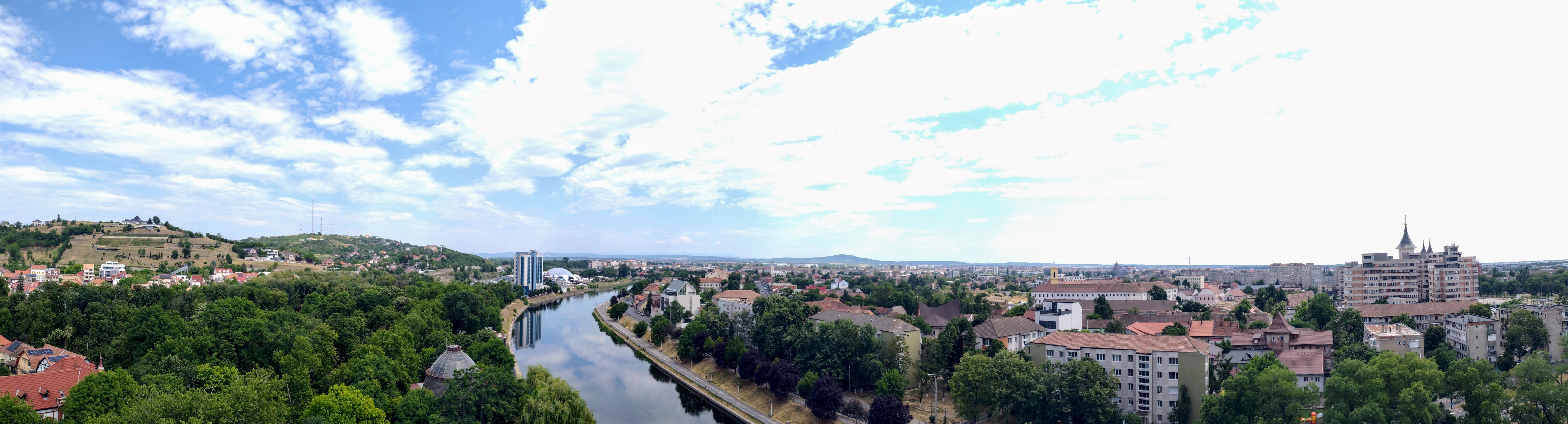
- Cost: 15 RON la Muzeul Orașului Oradea; 20 RON la Casa Darvas–La Roche; 11 RON bilet la ofertă la film; 15 RON la Muzeul Francmasoneriei; 45 RON bilet combinat (toate expozițiile) la Muzeul Țării Crișurilor
- Durată: ~1 h la MOO; ~30 min la CD–LR și, respectiv, la MF; >2 h la MTC
- Verdict: 9/10 - merită mult!
- Cost: 15 RON at the Oradea City Museum; 20 RON at the Darvas–La Roche House; 11 RON discounted movie ticket; 15 RON at the Museum of Freemasonry; 45 RON combined ticket (all exhibitions) at the Museum of the Criș Land
- Duration: ~1 h at OCM; ~30 min at D–LRH and MF respectively; >2 h at MCL
- Verdict: 9/10 — worth it a lot!
Comments